Are you thinking about upgrading your kitchen with a new cutting board? Choosing the right wood can make a big difference in how well your board performs and how long it lasts.
You might have heard about alder wood but aren’t sure if it’s the best option. Is alder good for cutting boards? You’ll discover the surprising benefits and potential drawbacks of alder, helping you decide if it’s the perfect fit for your cooking space.
Keep reading to make a smart choice that protects your knives and enhances your kitchen experience.

Credit: www.outofthewoodsoforegon.com
Alder Wood Properties
Alder wood is often chosen for making cutting boards. It has unique features that affect its use in the kitchen.
This wood type is soft and light but still strong enough for daily cutting tasks.
Grain And Texture
Alder wood has a fine, even grain that looks smooth and clean. This makes it pleasant to touch and easy to work with.
The texture is soft, which helps knives glide without dulling quickly. It also adds to the board’s gentle feel.
Durability And Hardness
Alder is a softer hardwood compared to maple or walnut. It can handle normal kitchen use but may show cuts sooner.
Its softness means it is less likely to damage knives. Still, it may not last as long under heavy use.
- Janka hardness: about 590 lbf (pounds-force)
- Less hard than maple (1450 lbf) or walnut (1010 lbf)
- Good for light to medium cutting tasks
Resistance To Moisture
Alder wood absorbs moisture more than harder woods. This can lead to swelling or warping if not cared for well.
It is important to dry alder cutting boards quickly and avoid soaking them in water to keep them stable.
- Moderate moisture resistance
- Needs regular oiling to protect surface
- Hand wash only; avoid dishwasher

Credit: www.amazon.com
Durability For Cutting Boards
Alder is a popular wood choice for cutting boards. Its durability affects how long the board lasts.
Understanding alder’s strength helps you decide if it fits your kitchen needs.
Wear And Tear Resistance
Alder has moderate resistance to wear and tear. It is softer than hardwoods like maple.
While it can handle daily chopping, it may show scratches faster than harder woods.
Impact On Knife Blades
Alder is gentle on knife blades. Its softness helps keep knives sharp longer.
This wood reduces the risk of dulling blades compared to harder cutting board materials.
Longevity Compared To Other Woods
Alder cutting boards do not last as long as harder woods like maple or walnut.
They need more care to avoid deep cuts and damage over time.
- Maple lasts longer due to hardness
- Walnut offers strong durability and beauty
- Alder suits light to medium kitchen use
Safety Aspects
Choosing the right wood for cutting boards affects kitchen safety. Alder wood is a popular choice. It offers several safety benefits worth knowing.
This guide looks at alder’s natural antibacterial qualities, non-toxic finishes, and maintenance tips for hygiene.
Natural Antibacterial Qualities
Alder wood has natural properties that help reduce bacteria growth. It is less likely to harbor harmful germs than some other woods.
These qualities make alder safer for food prep. It helps keep your cutting board cleaner for longer.
Non-toxic Finishes
Using non-toxic finishes on alder cutting boards is important. These finishes protect the wood without adding harmful chemicals.
| Finish Type | Safety Feature |
| Food-grade mineral oil | Safe, easy to apply, seals wood pores |
| Beeswax blend | Natural, non-toxic, adds extra protection |
| Plant-based oils | Environmentally friendly and safe for food contact |
Maintenance And Hygiene
Proper care keeps alder cutting boards safe and clean. Regular cleaning and oiling prevent cracks and bacteria buildup.
- Wash with mild soap and warm water after use
- Dry thoroughly to avoid moisture damage
- Apply food-safe oil monthly to maintain finish
- Avoid soaking or using harsh chemicals
- Sand lightly if deep cuts trap bacteria
Aesthetic Appeal
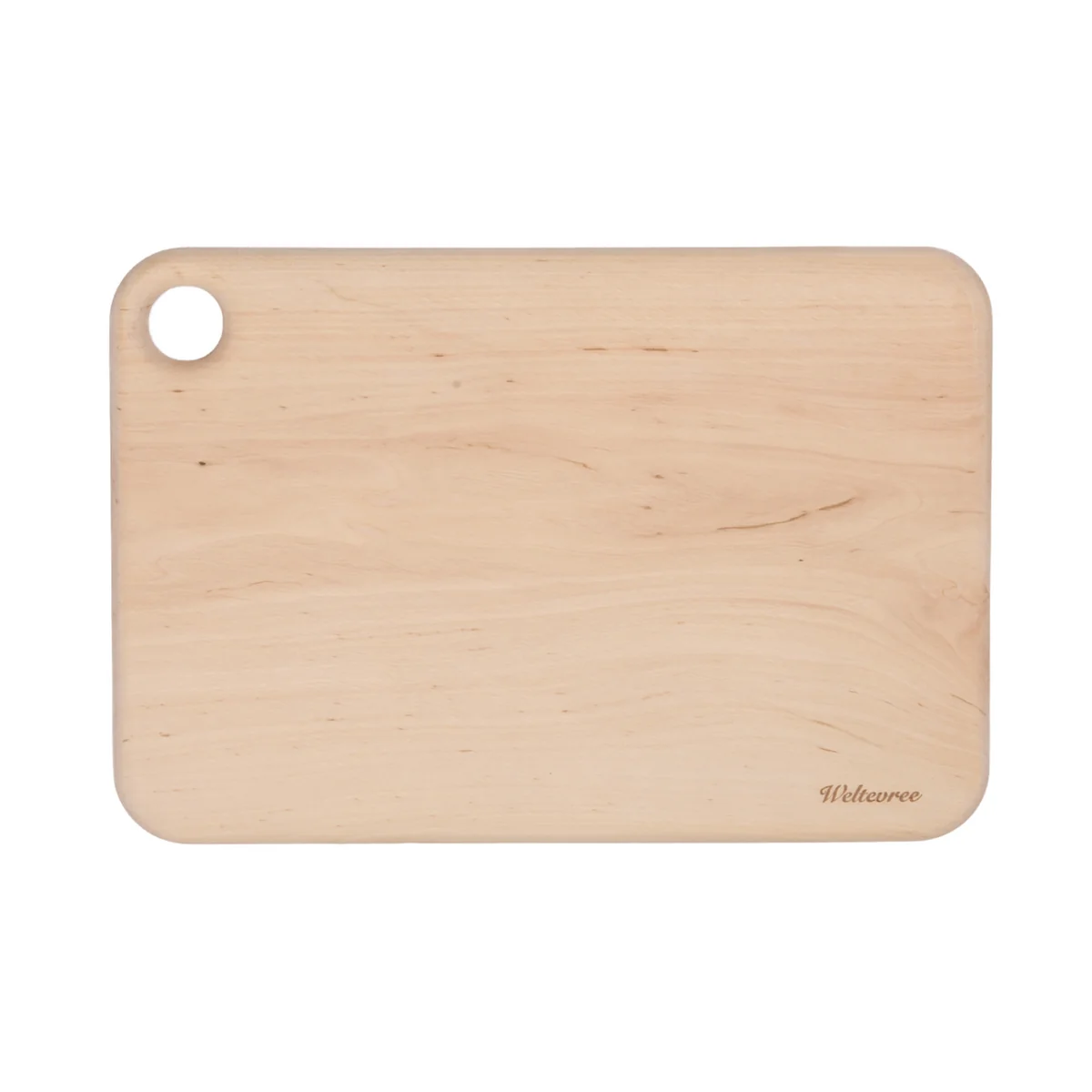
Alder wood is a popular choice for cutting boards. It offers a warm, natural look that fits many kitchens. Its beauty comes from the wood’s color and grain.
Using alder for cutting boards adds charm and style. It looks good and feels smooth to touch. This makes it a favorite for both chefs and home cooks.
Color And Grain Patterns
Alder wood has a soft, reddish-brown color. It can change slightly with age and light. This color adds warmth to any cutting board.
The grain patterns in alder are usually straight and even. Sometimes, you see small knots or swirls. These add character without making the board look busy.
- Light to medium reddish-brown color
- Straight and fine grain
- Occasional small knots or swirls
Design Versatility
Alder wood works well in many cutting board shapes. It can be cut into thick blocks or thin slabs. The wood is easy to shape and sand smooth.
Because alder is soft, it pairs well with other woods. You can mix it with darker or lighter woods for contrast. This makes creative and unique cutting boards.
- Good for thick or thin cutting boards
- Easy to shape and smooth
- Mixes well with other wood types
Matching Kitchen Décor
The warm color of alder matches many kitchen styles. It fits modern, rustic, and traditional designs. Its natural look blends well with wood cabinets and counters.
Alder cutting boards add a cozy feel to the kitchen. They look good on marble, stainless steel, or tile surfaces. This makes them a flexible choice for home décor.
- Fits modern, rustic, and classic kitchens
- Blends with wood cabinets and countertops
- Looks good on stone or metal surfaces
Care And Maintenance Tips
Alder wood is a popular choice for cutting boards. It is soft yet durable and looks nice in kitchens.
Proper care helps keep alder cutting boards clean and lasts longer. Follow simple tips to maintain them well.
Cleaning Techniques
Clean your alder cutting board right after use. This stops stains and bacteria from building up.
Use warm water and mild soap. Avoid soaking the board or using harsh chemicals.
- Wash with a soft sponge or cloth
- Rinse thoroughly with warm water
- Dry the board with a clean towel immediately
- Do not put alder boards in the dishwasher
Oiling And Conditioning
Oiling keeps alder wood from drying out and cracking. It also makes the board water-resistant.
Use food-safe mineral oil or cutting board oil. Apply oil evenly and let it soak in overnight.
- Apply oil once a month or when the board looks dry
- Use a soft cloth to rub oil into the wood
- Wipe off any extra oil after soaking
Avoiding Warping And Cracking
Keep alder cutting boards away from extreme heat and moisture changes. These cause warping and cracks.
Store boards standing up in a dry place. Do not leave them in water or near hot appliances.
- Never soak the board in water
- Do not place hot pots or pans on the board
- Store the board upright to allow air flow
- Use both sides of the board to balance wear
Comparing Alder To Other Woods
Alder is a soft hardwood often used for cutting boards. It has a light color and smooth texture. Many people wonder how it compares to other woods.
This guide looks at how alder compares with maple, walnut, and bamboo for cutting boards.
Maple
Maple is a hard and dense wood. It resists cuts and scratches well. Many cutting boards are made from maple because it lasts long.
Alder is softer than maple. It may show knife marks faster. But alder is lighter and easier to work with.
- Maple is harder than alder
- Maple resists stains better
- Alder is lighter in color and weight
Walnut
Walnut is a dark wood with a rich color. It is strong and durable. Walnut cutting boards look elegant and last a long time.
Alder is softer and lighter than walnut. It is less resistant to deep cuts. Walnut may cost more but can handle heavy use better.
- Walnut is harder and denser than alder
- Walnut has a darker, richer color
- Alder is easier to sand and shape
Bamboo
Bamboo is a grass, not wood, but it is popular for cutting boards. It is very hard and resists water well. Bamboo boards are light and eco-friendly.
Alder is softer than bamboo and absorbs water more easily. Bamboo is less likely to warp or crack. Alder has a warmer, natural wood look.
- Bamboo is harder than alder
- Bamboo resists water better
- Alder has a natural wood grain appearance
Cost And Availability
Alder wood is a popular choice for cutting boards. Its price and availability make it a good option for many people. Understanding these factors helps you decide if alder is right for your kitchen.
This section covers the price range, where to find alder wood, and its sustainability. Each part helps explain the cost and availability of alder cutting boards.
Price Range
Alder wood is usually affordable compared to other hardwoods. The price depends on quality and size. Basic alder boards cost less than exotic hardwood boards.
- Small alder boards can cost around $20 to $40
- Medium to large boards range from $40 to $80
- Custom or thick boards may cost more
Sourcing Alder Wood
Alder is common in North America and parts of Europe. It grows well in wet climates and near rivers. This makes alder easy to find in local lumber yards and online stores.
Many woodworking suppliers carry alder planks. You can buy raw wood or finished cutting boards made from alder. Look for trusted sellers for the best quality.
Sustainability Considerations
Alder is a fast-growing tree, which helps keep it sustainable. It recovers quickly after logging. This makes alder a better choice than slow-growing hardwoods.
- Alder trees help improve soil health
- They grow back faster than many hardwood trees
- Buying from certified sources supports forest management
Credit: www.connox.com
Frequently Asked Questions
Is Alder Wood Safe For Cutting Boards?
Yes, alder wood is safe for cutting boards. It is non-toxic and has a smooth grain. This makes it gentle on knives. Its antibacterial properties also help maintain hygiene in the kitchen.
How Durable Is Alder For Cutting Boards?
Alder is moderately durable for cutting boards. It is softer than hardwoods like maple. However, it withstands regular kitchen use well. Regular maintenance, like oiling, can enhance its lifespan.
Does Alder Wood Resist Moisture Well?
Alder wood has moderate resistance to moisture. It is less prone to warping than some other woods. To maintain its integrity, avoid soaking and regularly oil the board. This will help prolong its life.
How Does Alder Compare To Maple For Cutting Boards?
Alder is softer than maple, making it gentler on knives. However, maple is more durable and resistant to scratches. Alder is lighter in color, offering a different aesthetic. Both are good choices, depending on your needs.
Conclusion
Alder wood works well for cutting boards. It is soft but durable enough for kitchen use. The wood has a nice color that fits most kitchens. Alder resists water better than some softwoods. It cleans easily and stays smooth with care.
Still, it needs regular oiling to last longer. Overall, alder offers a good balance of beauty and function. A solid choice for everyday chopping and slicing. Think of it as a reliable option for your kitchen tools.