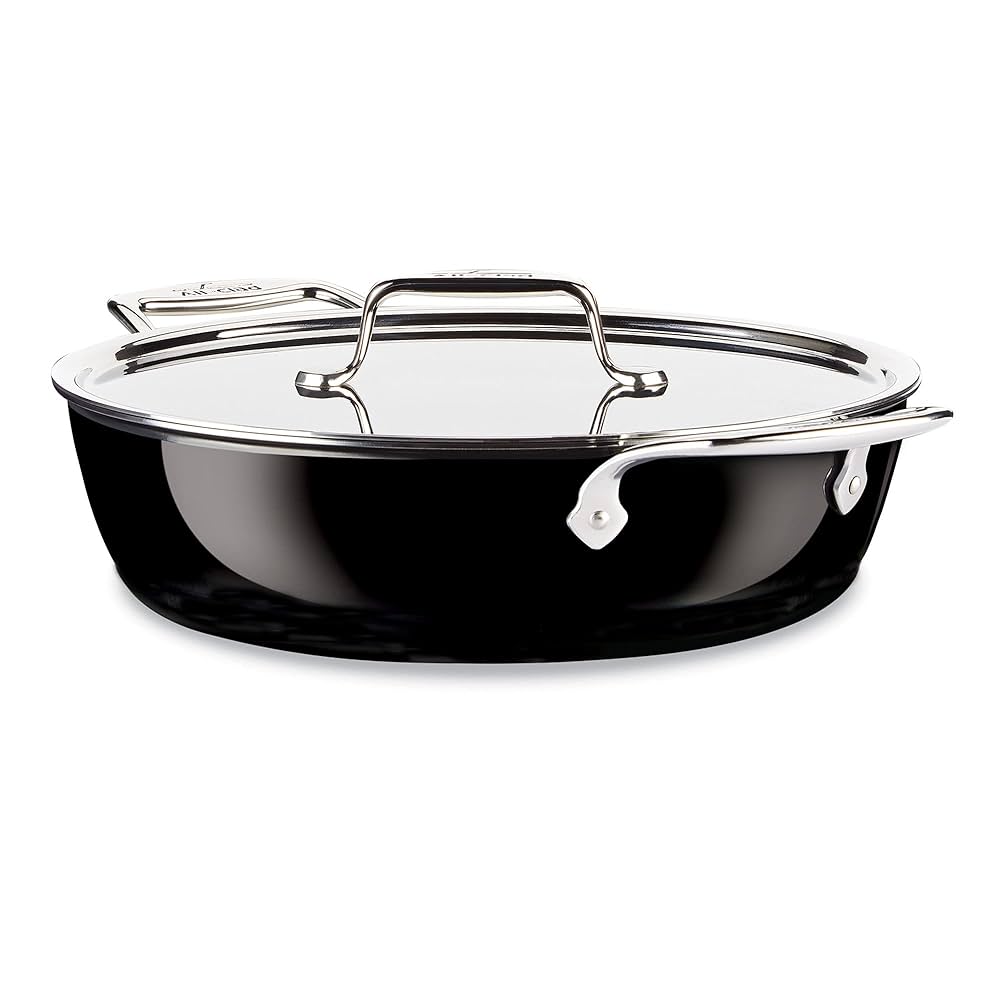
When it comes to choosing cookware, safety is probably at the top of your mind. You want pots and pans that won’t harm your health or change the taste of your food.
So, is All Clad cookware really safe for you and your family? This question matters because you use these tools every day to prepare meals. You’ll discover the truth about All Clad’s materials, how they interact with your food, and what experts say about their safety.
Keep reading to make sure your kitchen is as safe as it is stylish.

Credit: www.all-clad.com
What Is All Clad Cookware
All Clad cookware is a brand of high-quality pots and pans. It is known for its strong metal construction and even heating.
Many chefs and home cooks choose All Clad for its durability and performance in the kitchen.
Materials Used In All Clad Cookware
All Clad cookware is made from layers of different metals. These include stainless steel, aluminum, and sometimes copper.
The layers help the cookware heat evenly and resist warping over time.
- Stainless steel for durability and easy cleaning
- Aluminum for quick, even heat
- Copper for excellent heat control in some models
Construction And Design Of All Clad Cookware
All Clad uses a bonding process to fuse metal layers together. This creates a strong, long-lasting pan.
The cookware often has a polished stainless steel finish. It looks good and is safe to use with metal utensils.
- Multi-ply metal layers for strength
- Flat, smooth cooking surfaces
- Heat-resistant handles
Types Of All Clad Cookware
All Clad offers many types of cookware. These include frying pans, saucepans, stockpots, and griddles.
Each type serves a different cooking need but shares the same quality materials and design.
- Frying pans for sautéing and frying
- Saucepans for boiling and simmering
- Stockpots for soups and stews
- Griddles for pancakes and sandwiches
Safety Features Of All Clad Cookware
All Clad cookware is made from safe, non-toxic materials. Stainless steel does not react with food.
The cookware is free from harmful chemicals like PFOA and PTFE. It meets strict safety standards.
- Non-reactive stainless steel surface
- No harmful coatings or chemicals
- Oven and dishwasher safe

Credit: www.all-clad.com
Materials Used In All Clad
All Clad cookware is made with layers of different metals. These metals work together to cook food evenly. Understanding these materials helps you know if the cookware is safe.
The metals used are chosen for their strength, heat conduction, and safety. Each layer plays a special role in cooking and durability.
Stainless Steel Layers
Stainless steel forms the outer layers of All Clad cookware. It is strong and resists rust and stains. This makes the cookware easy to clean and safe for cooking.
Stainless steel does not react with food. This means it keeps food tasting natural and does not release harmful chemicals.
Aluminum Core Benefits
The core of All Clad cookware is made from aluminum. Aluminum is a great conductor of heat. It spreads heat quickly and evenly across the pan.
This helps prevent hot spots that can burn food. The aluminum core also makes cooking faster and more energy efficient.
Other Metals In Construction
Some All Clad cookware includes a layer of copper or other metals. Copper is another excellent heat conductor. It improves temperature control during cooking.
These added metals are safely sealed between stainless steel layers. This keeps the cookware safe and prevents metal contact with food.
Safety Features Of All Clad
All Clad cookware is known for its safety and reliability. It offers features that protect your health while cooking.
Understanding the safety features helps you choose cookware that fits your kitchen needs.
Non-toxic Surface
All Clad cookware uses stainless steel that does not release harmful chemicals. It is free from coatings that may peel or flake.
- Contains no PFOA or PTFE chemicals
- Non-reactive surface prevents food contamination
- Easy to clean without harsh chemicals
Heat Distribution And Control
All Clad pans have layers of metal that spread heat evenly. This stops hot spots and reduces burning.
| Feature | Benefit |
| Tri-ply construction | Even heat across the pan |
| Aluminum core | Fast and consistent heating |
| Stainless steel exterior | Safe for all cooktops |
Durability And Resistance
All Clad cookware resists rust, scratches, and warping. It stays safe to use for many years.
Key durability features include:
- Heavy-gauge stainless steel that resists dents
- Oven safe up to high temperatures
- Dishwasher safe for easy cleaning
Potential Health Concerns
Many people wonder if All Clad cookware is safe to use every day. This section looks at health issues linked to this cookware.
We will focus on allergies, metal leaching, and how to use and care for the cookware safely.
Nickel Allergies
All Clad cookware usually contains stainless steel. Stainless steel has nickel, which some people are allergic to.
People with nickel allergies might get skin rashes or stomach issues if nickel leaches into food.
- Nickel can cause reactions in sensitive people
- Using non-stick or coated cookware may reduce exposure
- Testing for nickel allergy before using stainless steel cookware helps
Metal Leaching Risks
Metal leaching means tiny amounts of metal come off the cookware into food. This can happen with All Clad if used incorrectly.
Leaching is more likely when cooking acidic foods like tomato sauce. This might increase metal intake beyond safe levels.
- Acidic foods may increase metal leaching
- Scratched or damaged cookware can release more metals
- Proper cleaning reduces metal buildup and risk
Proper Use And Care
Using All Clad cookware correctly lowers health risks. Avoid overheating and cooking very acidic foods for long times.
Cleaning with soft sponges and avoiding harsh chemicals keeps the surface safe. Do not use metal utensils to avoid scratches.
- Do not overheat empty pans
- Use wooden or silicone utensils
- Wash with mild soap and soft cloth
- Dry cookware well to prevent rust
Comparing All Clad With Other Cookware
All Clad cookware is known for quality and durability. Many people wonder how it compares with other types of cookware. This guide looks at different options and their features.
We focus on nonstick alternatives, cast iron, and ceramic or glass cookware. Each type has pros and cons to consider for your kitchen needs.
Nonstick Alternatives
Nonstick cookware is easy to clean and good for cooking delicate foods. All Clad offers stainless steel options, which are different from nonstick pans.
- Nonstick pans prevent food from sticking without oil.
- They often have a coating that can wear off over time.
- All Clad stainless steel pans need more oil to prevent sticking.
- Stainless steel pans last longer and handle high heat better.
- Nonstick pans are lighter and usually less expensive.
Cast Iron Vs All Clad
Cast iron and All Clad stainless steel cookware differ in weight and heat retention. Cast iron is heavy but holds heat well. All Clad heats quickly and evenly.
| Feature | Cast Iron | All Clad Stainless Steel |
| Weight | Heavy | Light to Medium |
| Heat Retention | Excellent | Good |
| Maintenance | Needs seasoning | Easy to clean |
| Durability | Very durable | Durable |
| Reactivity | Can react with acidic foods | Non-reactive |
Ceramic And Glass Options
Ceramic and glass cookware provide a non-reactive cooking surface. They do not release metals or chemicals into food. These options suit gentle cooking styles.
Key points about ceramic and glass cookware:
- They heat slowly and evenly.
- Glass is not suitable for stovetop cooking without special design.
- Ceramic coatings can chip or wear out.
- Both are easy to clean and dishwasher safe.
- All Clad stainless steel is better for high-heat cooking and searing.
Expert Tips For Safe Use
All Clad cookware is popular for its quality and durability. Many wonder if it is safe to use every day. This guide gives tips to keep your cookware safe and lasting longer.
Following simple care steps helps keep your cookware in top shape. It also protects your health by avoiding damage or wear that could cause problems.
Cleaning Recommendations
Cleaning All Clad cookware correctly keeps it safe and shiny. Use warm water and mild dish soap for regular cleaning. Avoid harsh cleaners or steel wool that can scratch the surface.
- Wash cookware by hand when possible
- Use a soft sponge or cloth
- Dry immediately to avoid water spots
- For tough stains, soak in warm soapy water first
- Use a non-abrasive cleaner for stubborn marks
Avoiding Damage
Protect your All Clad cookware by avoiding sudden temperature changes. Do not heat empty pans for a long time. Use wooden, silicone, or plastic utensils to prevent scratches.
- Do not use metal tools on the cooking surface
- Keep cookware away from high heat without food
- Store pans with care to avoid dents or scratches
- Do not put cookware in the oven above the recommended temperature
When To Replace Cookware
All Clad cookware lasts a long time but needs replacement if damaged. Look for deep scratches, warping, or peeling layers. These signs mean the pan is no longer safe to use.
- Replace if nonstick coating peels or chips
- Warped pans cause uneven cooking and can be unsafe
- Deep scratches can trap food and bacteria
- If handles become loose or damaged, replace for safety
Consumer Reviews And Experiences
Many people have shared their thoughts about All Clad cookware. Their experiences help us know if this cookware is safe and useful. Reviews come from home cooks and professional chefs.
Reading both positive and negative feedback gives a clear picture. It helps to understand how the cookware performs in real kitchens over time.
Positive Feedback
Users often praise the build quality of All Clad cookware. Many say it heats food evenly and lasts for years. The stainless steel surface does not react with food, keeping meals safe.
People like how easy it is to clean All Clad pans. The cookware also looks attractive on the stove. Many cooks trust it for daily use and special dishes.
- Durable and heavy-duty construction
- Even heat distribution for better cooking
- Non-reactive stainless steel surface
- Simple to clean and maintain
- Good for all types of cooking stoves
Common Complaints
Some users mention the cookware is heavy and hard to handle. Others find the price high compared to other brands. A few say the handles get hot during cooking.
There are reports of discoloration after long use. Some people feel the pans stick if not used correctly. These issues usually come from misuse or lack of care.
- Heavy weight can be hard for some cooks
- Higher price point than average cookware
- Handles may become hot during cooking
- Surface discoloration after long use
- Food sticking if not properly preheated
Long-term Usage Insights
Many owners say All Clad cookware lasts for many years. The pans hold up well with regular cleaning and care. Scratches and stains can appear but do not affect safety.
Users suggest avoiding metal utensils to keep the surface smooth. Proper heating and cleaning help maintain the cookware’s performance. Overall, long-term users feel the cookware is safe and reliable.
- Lasts for several years with good care
- Minor scratches do not harm cooking safety
- Avoid metal tools to prevent surface damage
- Proper heating prevents food sticking
- Regular cleaning keeps cookware in good shape

Credit: www.all-clad.com
Frequently Asked Questions
Is All Clad Cookware Safe For Health?
Yes, All Clad cookware is generally safe for health. It is made from high-quality stainless steel, which is non-reactive. This means it won’t leach harmful chemicals into your food. Always ensure you use and maintain it properly for the best results and safety.
Can All Clad Cookware Be Used On All Stovetops?
Yes, All Clad cookware is versatile and can be used on all stovetops. This includes gas, electric, and induction cooktops. Its stainless steel construction ensures even heat distribution and durability. Always check manufacturer guidelines for specific stovetop compatibility to ensure optimal performance.
Is All Clad Cookware Dishwasher Safe?
Most All Clad cookware is dishwasher safe, but hand washing is recommended. Dishwashing can cause discoloration over time. Hand washing helps maintain the cookware’s appearance and performance. Always refer to the specific care instructions provided with your All Clad product for the best maintenance practices.
Does All Clad Cookware Have A Non-stick Coating?
All Clad offers both non-stick and stainless steel cookware options. Their non-stick cookware features a durable non-stick coating. Stainless steel options do not have a coating but are preferred for browning and searing. Choose based on your cooking needs and preferences for the best experience.
Conclusion
All Clad cookware offers strong and safe materials for cooking. Its stainless steel design prevents harmful chemicals from leaching into food. The pots and pans heat evenly, helping you cook better meals. Taking care of them is simple with proper cleaning and use.
Choosing All Clad means investing in durable, reliable kitchen tools. You can cook with confidence and enjoy tasty dishes every day. Safety and quality come together in this cookware brand.