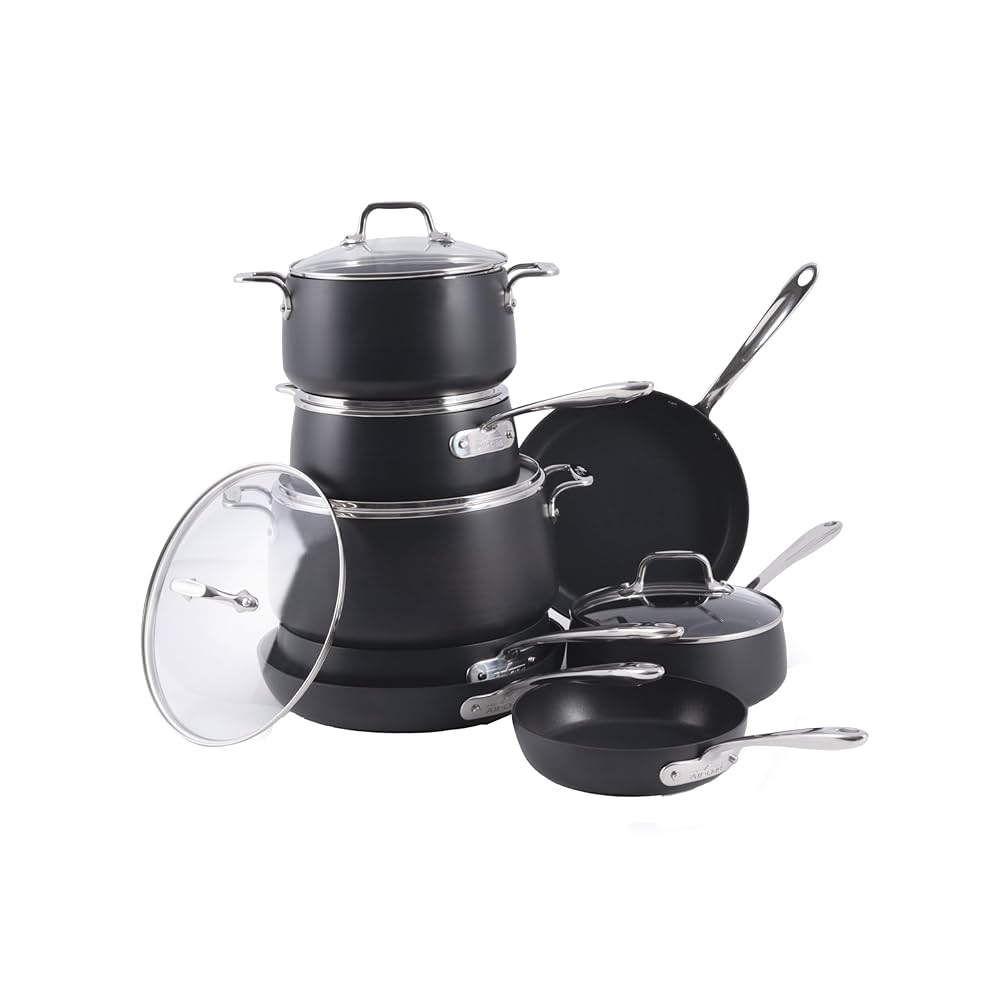
Are you wondering if your All Clad nonstick cookware can safely go into the oven? You’re not alone.
Knowing whether your pans are oven safe is crucial to avoid damaging them or ruining your meal. Imagine preparing a delicious dish and then hesitating because you’re unsure if your pan can handle the heat inside your oven. This article will clear up all your doubts and help you use your All Clad nonstick cookware with confidence.
Keep reading to find out exactly what temperatures your pans can handle and how to get the best results every time.

Credit: www.amazon.ca
All Clad Nonstick Basics
All Clad nonstick cookware is popular for easy cooking and cleaning. It offers a smooth surface that food does not stick to.
Many users wonder if this cookware is safe to use in the oven. Understanding its materials and coating helps answer this.
Materials Used
All Clad nonstick pans use layers of metal for strength and heat distribution. The base metals are usually stainless steel and aluminum.
- Stainless steel for durability and rust resistance
- Aluminum for fast and even heating
- Nonstick coating applied on the cooking surface
Nonstick Coating Features
The nonstick coating makes cooking easier and cleanup faster. It also affects the oven safety of the cookware.
| Feature | Description | Oven Safety Limit |
| Type | PTFE-based nonstick coating | Up to 500°F (260°C) |
| Durability | Scratch resistant but avoid metal utensils | Not recommended above 500°F |
| Care | Hand washing preferred to protect coating | Safe within temperature limits |
Oven Safety Limits
All Clad nonstick cookware is popular for its quality and ease of use. Many wonder if it is safe to use in the oven. Understanding the oven safety limits is important to keep your cookware in good shape.
Knowing the right temperatures and how to handle heat helps prevent damage. It also keeps your food safe and your cookware lasting longer.
Maximum Oven Temperature
All Clad nonstick pans can usually go into the oven. But they have a maximum heat limit. Most nonstick pans handle temperatures up to 500°F (260°C).
Going above this limit can damage the nonstick coating. It may peel or lose its nonstick ability. Always check your pan’s manual for exact details.
- Maximum safe oven temperature: 500°F (260°C)
- Do not use broiler settings
- Check for metal or silicone handles
- Follow manufacturer instructions closely
Handling Heat Exposure
Heat exposure affects nonstick coatings over time. Sudden temperature changes can cause damage. Avoid moving pans from hot to cold places quickly.
Use oven mitts to protect hands from hot handles. Let pans cool before washing. Use gentle cleaning methods to keep coatings safe.
- Do not heat empty pans for long periods
- Avoid sudden temperature changes
- Allow pans to cool before cleaning
- Use oven mitts for handling hot cookware
Safe Oven Use Tips
Using All Clad nonstick cookware in the oven needs care. Following safety tips keeps your pans and oven safe.
Learn how to preheat, avoid damage, and use the right utensils to protect your cookware.
Preheating Guidelines
Preheat your oven before placing the All Clad nonstick pan inside. This helps avoid sudden heat changes that can harm the pan.
- Set the oven to the desired temperature first.
- Wait until the oven reaches the temperature before using the pan.
- Do not preheat the pan empty on high heat.
Avoiding Damage
Do not use All Clad nonstick pans above the recommended temperature. High heat can break down the coating and warp the pan.
| Damage Cause | Effect |
| Overheating above 500°F | Coating breakdown |
| Sudden temperature changes | Warping |
| Using metal utensils | Scratches and coating damage |
Proper Utensils
Use the right utensils to keep your nonstick surface safe. Soft tools prevent scratches and extend pan life.
- Silicone utensils
- Wooden spoons
- Plastic or nylon tools

Credit: www.all-clad.com
Comparing All Clad With Other Brands
Choosing the right nonstick cookware means looking at durability and oven safety. All Clad is a popular choice, but how does it compare to other brands?
This guide compares All Clad with other brands on two key points: durability and oven compatibility.
Durability Differences
All Clad nonstick pans have a strong build with layers of stainless steel and aluminum. The nonstick coating lasts longer than many cheaper brands.
- All Clad uses heavy-gauge metals for strength.
- Its nonstick surface resists scratches better than basic brands.
- Some brands use thinner metal that can warp easily.
- Lower-cost brands may have coatings that peel faster.
- All Clad offers pans that can last many years with care.
Oven Compatibility
Oven safety depends on the pan materials and handles. All Clad nonstick pans generally handle higher oven temperatures well.
| Brand | Max Oven Temp | Handle Type | Notes |
|---|---|---|---|
| All Clad | Up to 500°F (260°C) | Stainless steel or silicone | Safe for most ovens and broilers |
| Brand A | Up to 350°F (175°C) | Plastic handles | Not safe in high heat ovens |
| Brand B | Up to 400°F (204°C) | Metal handles | Oven safe but avoid broiler |
| Brand C | Up to 450°F (232°C) | Silicone handles | Good heat resistance, some limits |
Cleaning And Maintenance
All Clad nonstick pans need care to stay in good shape. Proper cleaning and maintenance keep the nonstick surface safe.
Using the right methods helps the pan last longer and work better for cooking.
Safe Cleaning Methods
Clean All Clad nonstick pans by hand. Avoid harsh scrubbers or metal tools. These can damage the coating.
Use warm water, mild dish soap, and a soft sponge. Let stuck food soak before wiping it away gently.
- Wash with a soft cloth or sponge
- Use mild dish soap and warm water
- Soak pans with stuck food before cleaning
- Avoid metal scrubbers or abrasive cleaners
- Dry pans completely before storing
Extending Nonstick Life
Do not use high heat on nonstick pans. Heat can wear out the coating faster. Low to medium heat is best for cooking.
Store pans carefully to avoid scratches. Use pan protectors or place soft cloths between stacked pans.
- Cook on low to medium heat only
- Use wooden or silicone utensils
- Do not cut food in the pan
- Store pans with padding to prevent scratches
- Clean pans soon after use to avoid buildup
Credit: www.kitchenessentials.ca
Common Mistakes To Avoid
Using All Clad nonstick cookware correctly helps it last longer. Some mistakes can damage the coating or cause safety issues.
Knowing what to avoid keeps your pans in good shape. It also ensures safe use in the oven.
Overheating Risks
All Clad nonstick pans can be oven safe, but overheating is a risk. High heat can break down the nonstick surface.
Heat above the recommended temperature can release fumes. This can be harmful and damage your pan.
- Do not use the pan above 500°F (260°C) unless the manual says it is safe.
- Avoid leaving the pan empty on a hot burner or in a hot oven.
- Use medium or low heat for cooking with nonstick pans.
- Do not use broiler settings on nonstick pans unless specified.
Improper Storage
Storing All Clad nonstick pans the wrong way can scratch the surface. Scratches reduce the pan’s nonstick ability.
Stacking pans without protection can cause damage. Use care to keep the nonstick coating smooth.
- Place a soft cloth or paper towel between stacked pans.
- Hang pans on hooks to avoid scratches.
- Keep pans in a dry place to avoid rust on metal parts.
- Do not store sharp or heavy items inside the pan.
Frequently Asked Questions
Is All Clad Nonstick Cookware Oven Safe?
Yes, All Clad Nonstick cookware is generally oven safe. However, it’s essential to check the manufacturer’s guidelines for specific temperature limits. Most All Clad Nonstick pans can withstand temperatures up to 500°F. Always ensure the handles and lids are also oven safe before use.
What Temperature Is Safe For All Clad Nonstick?
All Clad Nonstick cookware is typically safe up to 500°F. It’s crucial to refer to the manufacturer’s instructions for the exact temperature limit. Avoid using it under a broiler as excessive heat can damage the nonstick coating. Always handle with care to maintain its longevity.
Can All Clad Nonstick Lids Go In The Oven?
Yes, many All Clad Nonstick lids are oven safe. However, ensure they are made of stainless steel or tempered glass. Avoid placing plastic or rubber parts in the oven. Always check the manufacturer’s guidelines for specific temperature restrictions to ensure safety and maintain product quality.
How Do I Maintain All Clad Nonstick Pans?
To maintain All Clad Nonstick pans, avoid metal utensils and abrasive cleaners. Hand wash with mild soap and a soft sponge. Ensure the pan is cooled before washing to prevent warping. Regular care will prolong the nonstick surface and enhance the cookware’s performance.
Conclusion
All Clad nonstick pans can go in the oven, but with limits. Check your pan’s manual for the max safe temperature. Avoid sudden temperature changes to keep the coating strong. Use oven mitts to handle hot cookware safely. Proper care helps your nonstick pan last longer.
Cooking with safe temperatures keeps food tasting great. Remember, following these tips protects your investment and cooking experience. Keep your kitchen safe and enjoy cooking every time.