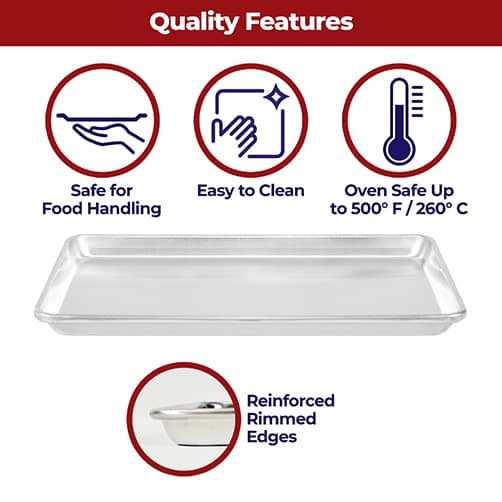
Are you wondering if aluminum baking sheets are safe to use for your favorite recipes? You’re not alone.
With so much information floating around, it’s easy to feel unsure about whether these popular kitchen tools could affect your health or the taste of your food. You’ll discover the facts about aluminum baking sheets, how they interact with your meals, and what you can do to cook confidently.
Keep reading to find out everything you need to know before your next bake.
Aluminum Baking Sheets Basics
Aluminum baking sheets are common in many kitchens. They help cook food evenly and quickly. These sheets come in different types and uses.
Understanding the types of aluminum sheets and their baking uses can help you choose the right one safely.
Types Of Aluminum Sheets
There are several types of aluminum baking sheets. Each type varies in thickness, surface finish, and strength. These differences affect baking results and durability.
- Standard Aluminum:Thin and lightweight, heats up quickly but may warp.
- Heavy Gauge Aluminum:Thicker, resists warping, and offers even heating.
- Anodized Aluminum:Treated to form a hard surface, resists scratching and corrosion.
- Non-stick Coated Aluminum:Has a coating to prevent food from sticking, easy to clean.
Common Uses In Baking
Aluminum baking sheets are used for many baking tasks. They work well for cookies, roasting vegetables, and baking pastries. Their heat conduction helps food cook evenly.
| Use | Description | Best Aluminum Type |
|---|---|---|
| Cookies | Even baking and browning of cookies | Heavy Gauge Aluminum or Anodized |
| Roasting | Roasting vegetables and meats | Standard or Heavy Gauge Aluminum |
| Pastries | Delicate baking for pastries and pies | Anodized or Non-stick Coated |
| General Baking | Everyday baking and cooking needs | Any aluminum type depending on use |

Credit: www.amazon.com
Health Concerns And Risks
Aluminum baking sheets are common in many kitchens. People often ask if they are safe to use for cooking.
This section explains health concerns and possible risks of using aluminum baking sheets.
Aluminum Exposure And Body Effects
Aluminum enters the body through food, water, and air. Most of it leaves the body quickly.
High aluminum exposure might harm the brain and bones. People with kidney problems should be careful.
- Normal exposure is low and usually safe
- High exposure can cause memory and bone issues
- Kidney patients may have trouble removing aluminum
Potential For Aluminum Leaching
Aluminum can leach into food when heated, especially with acidic or salty foods.
Leaching depends on temperature, cooking time, and food type. Avoid long cooking times with acidic foods on aluminum sheets.
- Acidic foods increase aluminum leaching
- High heat and long cooking time raise risks
- Use parchment paper to reduce contact
Scientific Research Insights
Aluminum baking sheets are common in kitchens worldwide. Many wonder if they are safe for cooking and baking.
Scientists have studied aluminum’s effects on health to provide clear answers.
Studies On Aluminum And Health
Research shows that small amounts of aluminum can enter food when using baking sheets. Most studies find this amount is very low and does not harm healthy people.
- Aluminum exposure from baking sheets is minimal compared to other sources.
- The body can remove small aluminum amounts efficiently.
- High aluminum levels may affect people with kidney problems.
- Aluminum does not build up in the body from normal cooking use.
Regulations And Safety Standards
Food safety agencies set limits on aluminum use in cookware. These limits protect people from harmful exposure.
| Agency | Aluminum Limit | Notes |
| FDA (USA) | 1 mg/kg body weight/day | Safe for general population |
| EFSA (Europe) | 1 mg/kg body weight/week | Based on lifetime exposure |
| WHO | 2 mg/kg body weight/week | Includes all sources |
Safe Usage Tips
Aluminum baking sheets are common in many kitchens. They are lightweight and heat quickly.
Using them safely helps prevent aluminum from mixing with food. This keeps your meals healthy.
Preventing Aluminum Transfer
Aluminum can move to food if it touches acidic or salty ingredients. This can affect taste and safety.
To stop this, avoid cooking very acidic foods like tomatoes or citrus on bare aluminum sheets.
- Use parchment paper or silicone mats as a barrier.
- Do not store food in aluminum sheets for a long time.
- Choose anodized aluminum sheets that have a protective layer.
Proper Care And Maintenance
Clean aluminum sheets with gentle tools to keep them safe and lasting longer.
Avoid harsh scrubbers and strong detergents that can damage the surface.
- Wash by hand with warm, soapy water.
- Dry sheets completely to stop rust or stains.
- Do not use aluminum sheets in the dishwasher.
Alternatives To Aluminum Sheets
Aluminum baking sheets are popular but some people worry about safety. There are other baking materials that are safe and effective.
This article explores non-toxic baking materials and the pros and cons of each alternative to aluminum sheets.
Non-toxic Baking Materials
Several non-toxic materials can replace aluminum sheets. These include stainless steel, silicone, glass, and ceramic.
These materials do not react with food and are safe for most baking needs.
- Stainless Steel:Strong and durable, it heats evenly.
- Silicone:Flexible and non-stick, ideal for baking mats.
- Glass:Holds heat well and is easy to clean.
- Ceramic:Provides even heat and a non-toxic surface.
Pros And Cons Of Alternatives
Each alternative has benefits and drawbacks. Knowing these helps you pick the right baking sheet.
| Material | Pros | Cons |
|---|---|---|
| Stainless Steel | Durable, heats evenly, non-reactive | Can stick without oil, may discolor food |
| Silicone | Non-stick, flexible, easy to clean | Less heat conduction, may warp at high heat |
| Glass | Non-toxic, holds heat well, easy to clean | Fragile, heats slowly, can break |
| Ceramic | Even heat, non-toxic, attractive | Fragile, heavy, may chip |

Credit: www.amazon.com

Credit: www.reddit.com
Frequently Asked Questions
Are Aluminum Baking Sheets Safe For Cooking?
Yes, aluminum baking sheets are generally safe for cooking. They conduct heat well and are often used in baking. However, avoid using them with acidic foods, as this can cause aluminum to leach into the food. Consider using parchment paper or silicone mats to minimize direct contact.
Do Aluminum Baking Sheets Leach Into Food?
Aluminum baking sheets can leach small amounts of aluminum when exposed to acidic foods. This leaching is minimal and not considered harmful for most people. To reduce exposure, line the sheets with parchment paper or use anodized aluminum sheets, which have a protective layer.
Can Aluminum Baking Sheets Cause Health Issues?
For most people, aluminum baking sheets do not pose health risks. The amount of aluminum that leaches into food is minimal. However, if you have concerns, avoid using them with acidic foods or switch to alternatives like stainless steel or silicone bakeware.
How To Clean Aluminum Baking Sheets Safely?
To clean aluminum baking sheets, avoid harsh abrasives that can scratch the surface. Use mild dish soap and a soft sponge. For stubborn stains, make a paste with baking soda and water. Gently scrub the area and rinse thoroughly with water.
Conclusion
Aluminum baking sheets are generally safe for everyday use. They heat food evenly and are lightweight. Avoid using them with acidic foods to prevent reactions. Cleaning them gently helps keep them in good shape. Choosing high-quality aluminum sheets adds extra safety.
Simple care ensures they last longer and stay safe. Using aluminum sheets can make baking easy and efficient. Trust your judgment and enjoy cooking with the right tools. Safe baking starts with understanding your cookware well.