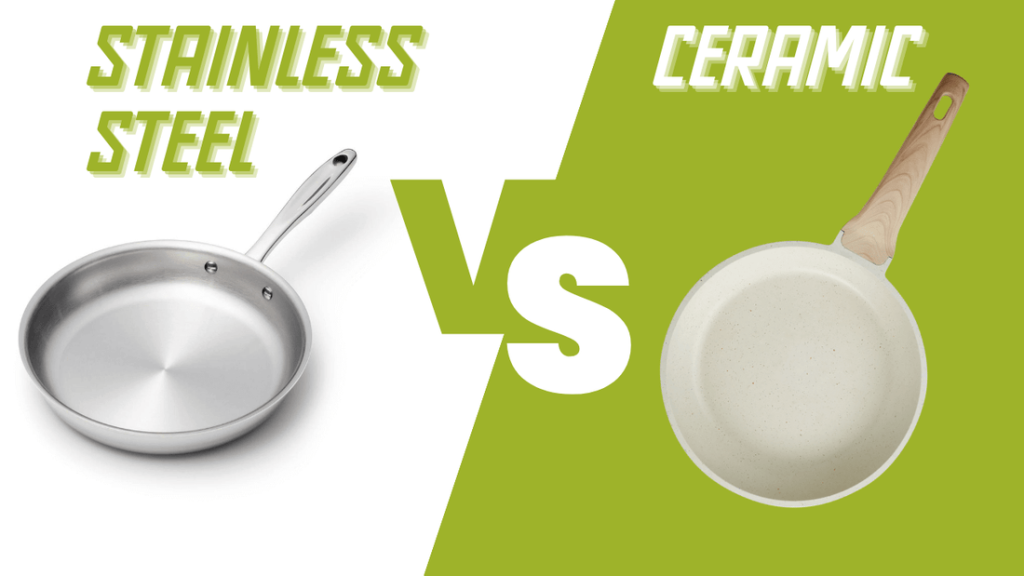
Choosing the right cookware can make a big difference in your cooking experience and the meals you create. You might be wondering whether aluminum or ceramic cookware is better for your kitchen.
Both have their fans, but which one truly suits your needs? You’ll discover the key differences, benefits, and drawbacks of each option. By the end, you’ll feel confident picking the cookware that matches your style and helps you cook like a pro.
Keep reading to find out which one deserves a spot on your stove.
:max_bytes(150000):strip_icc()/sea-kyocera-ceramic-nonstick-frying-pan-ashlee-redger-01-5056104f479c4f5eaf2bf8dddfdb666e.jpeg)
Credit: www.seriouseats.com
Aluminum Cookware Basics
Aluminum cookware is popular in many kitchens. It is known for being lightweight and affordable.
This cookware type offers good heat control. It is important to understand its features before buying.
Material Properties
Aluminum is a soft metal that is easy to shape. It does not rust but can scratch or dent easily.
Pure aluminum reacts with acidic foods. This can change the food’s taste and color. Many aluminum pans have a coating to stop this.
Types Of Aluminum Cookware
- Uncoated aluminum: Lightweight and heats quickly but can react with food.
- Anodized aluminum: Harder surface that resists scratching and does not react with food.
- Aluminum with non-stick coating: Easy to clean but the coating may wear off over time.
- Aluminum core cookware: Has aluminum inside and stainless steel outside for durability.
Heat Conductivity
| Material | Heat Conductivity (W/m·K) |
| Aluminum | 235 |
| Ceramic | 1.5 |
| Stainless Steel | 16 |
Aluminum heats up very fast and spreads heat evenly. This helps cook food quickly and avoids hot spots.
Its high heat conductivity makes aluminum a good choice for many cooks who want control over cooking temperature.
:max_bytes(150000):strip_icc()/sea-kyocera-ceramic-nonstick-frying-pan-ashlee-redger-10-e75cc6d2f22c42498d6fd9c2a18893b1.jpeg)
Credit: www.seriouseats.com
Ceramic Cookware Essentials
Ceramic cookware is popular for healthy cooking. It uses a special coating made from natural materials.
This type of cookware can be a good choice for many kitchens. It offers easy cleaning and a non-stick surface.
Material Composition
Ceramic cookware usually has a metal base like aluminum or stainless steel. The cooking surface is covered with a ceramic coating.
The ceramic layer is made from inorganic minerals like silica and oxygen. It is free from harmful chemicals like PTFE or PFOA.
Varieties Of Ceramic Cookware
There are different types of ceramic cookware available. Each type has unique features and uses.
- 100% Ceramic Cookware – made fully from ceramic material, no metal parts.
- Ceramic-Coated Cookware – metal pans coated with a ceramic layer.
- Enamel Cast Iron – cast iron coated with a thick ceramic enamel.
- Ceramic Non-Stick – metal base with a smooth ceramic non-stick finish.
Heat Retention
| Cookware Type | Heat Retention | Heat Distribution |
| 100% Ceramic | Good | Moderate |
| Ceramic-Coated Aluminum | Fair | Excellent |
| Enamel Cast Iron | Excellent | Good |
| Ceramic Non-Stick | Fair | Good |
Durability And Maintenance
Choosing between aluminum and ceramic cookware affects how long your pans last. It also changes how much effort you spend on care. Both materials have strengths and weaknesses in durability and maintenance.
Understanding scratch resistance, cleaning needs, and lifespan helps you decide which cookware fits your kitchen habits.
Scratch Resistance
Ceramic cookware usually has a hard surface that resists scratches well. It keeps its smooth finish after many uses. Aluminum pans often have a non-stick coating that may scratch faster if you use metal utensils.
- Ceramic is less likely to show scratches over time.
- Aluminum coatings can peel if scratched deeply.
- Using wooden or silicone tools protects both types.
- Rough cleaning can damage surfaces on both pans.
Cleaning Tips
Caring for your cookware keeps it working well. Ceramic cookware cleans easily with mild soap and a soft sponge. Avoid abrasive scrubbers to protect the surface. Aluminum pans may need gentle cleaning to avoid wearing out the coating.
- Let pans cool before washing to avoid warping.
- Use warm water and mild detergent for cleaning.
- Do not use steel wool or metal brushes.
- Dry pans completely to prevent staining or rust.
Lifespan Comparison
| Cookware Type | Average Lifespan | Durability Notes |
|---|---|---|
| Aluminum | 3 to 5 years | Coating may wear off; lighter weight |
| Ceramic | 5 to 10 years | Hard surface resists scratches; heavier |
Health And Safety Factors
Choosing cookware involves thinking about health and safety. Aluminum and ceramic pots have different effects on your food and health.
This guide looks at non-toxicity, chemical leaching risks, and allergen considerations for both types of cookware.
Non-toxicity
Ceramic cookware is often praised for being non-toxic. It uses natural materials and does not release harmful chemicals.
Aluminum cookware is lightweight and heats well. But some types may have coatings to prevent food from sticking.
Uncoated aluminum can react with acidic foods, which may affect safety. Ceramic cookware usually avoids this issue.
Chemical Leaching Risks
Leaching means harmful chemicals or metals mix with your food. This can happen if cookware is damaged or low quality.
Ceramic cookware often has a glaze that prevents leaching. High-quality ceramic is less likely to release anything bad.
Aluminum can leach into food, especially if the surface is scratched or worn. Acidic foods increase this risk.
- Ceramic glaze blocks chemicals
- Uncoated aluminum may leach metal
- Acidic foods raise leaching risk in aluminum
Allergen Considerations
Some people worry about allergies from cookware materials. Aluminum and ceramic rarely cause allergic reactions.
Cross-contamination can happen if you cook allergen foods in the same pots. Cleaning well is important for safety.
Ceramic surfaces are usually smooth and easier to clean, reducing allergen risks. Aluminum can scratch, which may trap food particles.
Cooking Performance
Choosing between aluminum and ceramic cookware affects how you cook. Each type offers unique benefits and drawbacks. Understanding these helps you cook better meals.
This article looks at three key areas: heat distribution, non-stick capabilities, and flavor impact.
Heat Distribution
Aluminum heats up quickly and spreads heat evenly. This helps food cook uniformly without hot spots. Ceramic pans take longer to heat but keep heat steady.
Aluminum is better for quick cooking. Ceramic works well for slow, steady cooking.
Non-stick Capabilities
Ceramic cookware usually has a natural non-stick surface. It needs less oil and is easier to clean. Aluminum pans often have a non-stick coating that may wear off over time.
- Ceramic non-stick is chemical-free.
- Aluminum non-stick lasts shorter.
- Ceramic may chip if handled roughly.
- Aluminum pans heat faster but can stick if coating is damaged.
Flavor Impact
| Cookware Type | Effect on Flavor |
| Aluminum | May react with acidic foods and alter taste |
| Ceramic | Neutral surface keeps flavors pure |
Ceramic cookware keeps food flavors true to the recipe. Aluminum can sometimes add a metallic taste, especially with tomatoes or citrus.
Cost And Value
Choosing between aluminum and ceramic cookware often depends on cost and value. Both types offer unique benefits for different budgets.
Understanding the price and long-term worth helps buyers make smart decisions for their kitchen.
Initial Price Range
Aluminum cookware usually costs less at the start. It is widely available and affordable for most buyers.
Ceramic cookware often has a higher price tag. This is due to the materials and coating process used.
- Aluminum sets can be found from budget to mid-range prices
- Ceramic cookware tends to be mid-range to premium priced
- Higher price does not always mean better performance
Long-term Investment
Aluminum heats quickly but may wear out faster. It can warp or scratch over time.
Ceramic cookware lasts longer if cared for well. The non-stick surface may degrade after many uses.
- Aluminum is good for short-term or occasional use
- Ceramic is better for long-term cooking needs
- Proper maintenance extends the life of both types
Warranty And Brand Reliability
Many aluminum cookware brands offer limited warranties. These usually cover defects but not normal wear.
Ceramic cookware brands often provide longer warranties. This shows confidence in their product quality.
- Check the warranty length before buying
- Trusted brands may cost more but offer better support
- Read reviews to learn about real user experiences
Environmental Impact
Choosing cookware affects the environment in many ways. Aluminum and ceramic have different impacts during their production and disposal.
Understanding these differences helps make better choices for a greener kitchen.
Manufacturing Footprint
Aluminum requires mining bauxite, which can harm land and water. The process uses a lot of energy and creates pollution. Ceramic cookware needs clay and minerals, which are easier to extract. Its firing process consumes energy, but less than aluminum production.
Recyclability
Aluminum is highly recyclable. Recycling aluminum saves 95% of the energy compared to making new aluminum. Ceramic is harder to recycle because it breaks easily and cannot be melted down like metals.
- Aluminum can be recycled repeatedly without quality loss
- Ceramic usually ends up in landfills
- Recycling aluminum reduces waste and energy use
- Ceramic recycling options are limited and less efficient
Sustainability Practices
| Cookware Type | Sustainability Efforts | Environmental Benefit |
|---|---|---|
| Aluminum | Use of recycled aluminum, energy-efficient smelting | Less energy use, reduced mining impact |
| Ceramic | Natural materials, low-toxicity glazes | Lower chemical pollution, biodegradable in small parts |
Choosing Based On Cooking Style
Choosing the right cookware depends on how you cook. Aluminum and ceramic have different strengths.
Look at your cooking style to decide which material fits your needs best.
High-heat Cooking
Aluminum heats up fast and handles high temperatures well. It is ideal for frying and searing.
Ceramic cookware may not withstand very high heat without damage. Use it for lower heat settings.
Slow Cooking
Ceramic cookware excels at slow cooking. It distributes heat evenly and retains warmth longer.
- Perfect for simmering soups and stews
- Good for baking dishes in the oven
- Maintains gentle heat for hours
Everyday Use
| Cookware Type | Pros | Cons |
|---|---|---|
| Aluminum | Lightweight, fast heating | Can warp, reacts with acidic foods |
| Ceramic | Non-stick surface, easy to clean | Fragile, slower heating |
For daily cooking, consider how you clean and store your pots. Aluminum is easy to handle. Ceramic requires careful handling.
Popular Brands And Models
Choosing between aluminum and ceramic cookware depends on brand quality and model features. Both types offer different benefits for cooking needs.
This guide highlights popular aluminum and ceramic cookware brands. It also summarizes user reviews to help your choice.
Top Aluminum Cookware
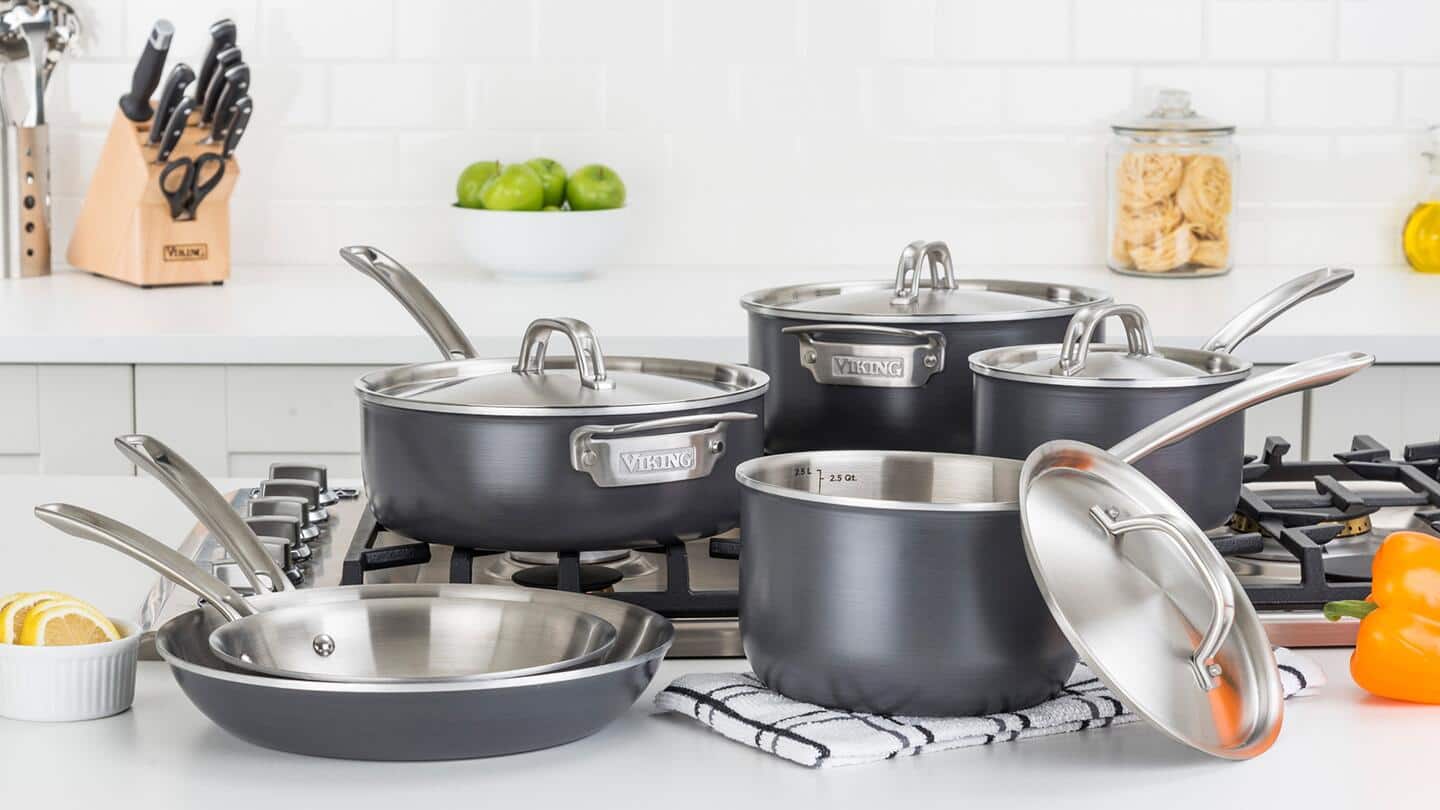
Aluminum cookware is known for fast heating and good heat distribution. Many brands offer durable and affordable options.
- Calphalon Classic: Hard-anodized aluminum with nonstick surface.
- All-Clad HA1: Heavy-gauge aluminum core with stainless steel exterior.
- Cuisinart Chef’s Classic: Aluminum base with stainless steel walls.
- Farberware Millennium: Budget-friendly anodized aluminum sets.
- T-fal Ultimate Hard Anodized: Scratch-resistant and dishwasher safe.
Top Ceramic Cookware
Ceramic cookware offers a non-toxic, nonstick surface without chemical coatings. It is easy to clean and looks stylish.
| Brand | Model | Key Feature |
|---|---|---|
| GreenPan | Paris Pro | Thermolon ceramic coating, scratch resistant |
| Caraway | Set | Non-toxic ceramic with magnetic base |
| Bialetti | Ceramica | Aluminum core with ceramic coating |
| T-fal | Initiatives Ceramic | Oven safe and dishwasher safe |
| WearEver | Ceramic Nonstick | PTFE and PFOA free coating |
User Reviews Summary
Users praise aluminum cookware for quick heating and durability. Some worry about warping or scratching over time.
Ceramic cookware is liked for easy cleaning and safe coatings. Some users find it less durable than metal options.
- Aluminum sets often heat evenly and last long.
- Ceramic sets avoid chemicals but can chip if dropped.
- Both types offer models suitable for different budgets.
- Customer ratings show mixed views on nonstick longevity.
- Choose based on cooking style and care preferences.
Credit: www.homedepot.com
Frequently Asked Questions
Is Aluminum Cookware Safe For Health?
Aluminum cookware is generally safe for cooking. Modern aluminum pots and pans often have non-stick coatings. These coatings prevent aluminum from leaching into food. However, avoid using it with acidic foods as it may react. Always choose high-quality aluminum cookware for safety and longevity.
Does Ceramic Cookware Last Longer Than Aluminum?
Ceramic cookware can last longer if properly cared for. It resists scratches and maintains non-stick properties. However, it’s more fragile compared to aluminum. Aluminum cookware is durable but may lose its non-stick coating over time. Both require proper maintenance for extended lifespan.
Which Cookware Heats Up Faster, Aluminum Or Ceramic?
Aluminum cookware heats up faster than ceramic. It conducts heat evenly, reducing cooking time. This makes it ideal for quick meals. Ceramic, while slower to heat, retains heat longer. This is beneficial for dishes that require consistent temperatures.
Is Ceramic Cookware Non-stick?
Yes, ceramic cookware often has a non-stick surface. This makes cooking and cleaning easier. It’s a healthier option as it requires less oil. However, avoid using metal utensils to maintain the non-stick surface. Always follow the manufacturer’s care instructions.
Conclusion
Choosing between aluminum and ceramic cookware depends on your needs. Aluminum heats quickly and is lightweight. Ceramic offers a non-stick surface and looks nice. Both have pros and cons to consider. Think about cooking style, care, and budget. Either choice can work well in your kitchen.
Keep your preferences clear and decide what fits best. Cooking becomes easier with the right tools. Simple, smart choices bring good results every time.