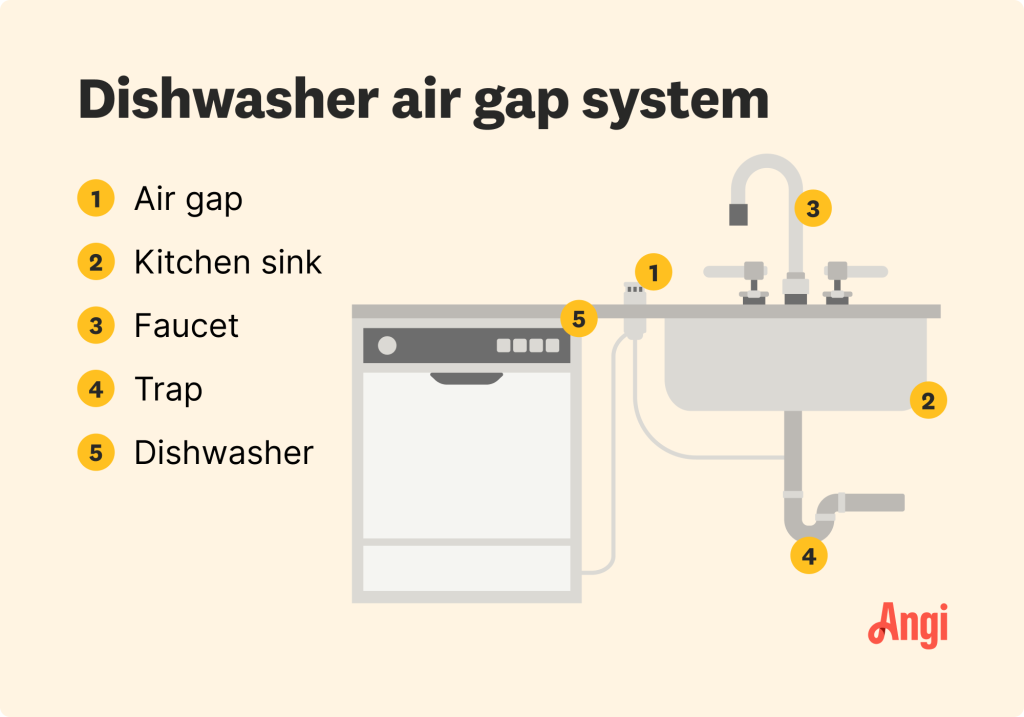
Are you in the process of installing a new dishwasher or upgrading your kitchen appliances? You might be wondering, “Is an air gap needed for a dishwasher?”
It’s a common question that can affect both your appliance’s performance and your peace of mind. Imagine this scenario: your dishwasher works perfectly, but one day you notice dirty water backing up into it. Frustrating, right? This is where the concept of an air gap becomes crucial.
It’s not just a technical detail; it’s a safeguard for your kitchen and your home. By the end of this article, you’ll understand whether an air gap is essential for your dishwasher setup and how it can protect your investment. Dive in to learn how to keep your kitchen running smoothly and stress-free.

Credit: www.youtube.com
Purpose Of An Air Gap
An air gap plays a critical role in dishwasher installation. It creates a physical break between the dishwasher’s drain line and the home’s plumbing system. This simple device stops dirty water from flowing back into the dishwasher. Understanding its purpose helps maintain a safe and clean kitchen environment.
Preventing Backflow Contamination
Backflow occurs when wastewater flows in the wrong direction. This can bring dirty water back into the dishwasher. An air gap stops this by providing an open space between pipes. It ensures dirty water cannot re-enter the clean water system. This protection is essential for safe dishwashing and water quality.
Maintaining Hygiene Standards
Dishwashers clean dishes with hot water and detergent. If contaminated water flows back, it spoils the cleaning process. An air gap keeps the dishwasher free from germs and bacteria. It helps maintain high hygiene standards in the kitchen. Clean dishes mean a healthier home and peace of mind.
Local Plumbing Codes
Local plumbing codes play a crucial role in determining whether an air gap is necessary for your dishwasher installation. These codes are designed to protect your home’s water supply from contamination and backflow. Since plumbing regulations vary widely, understanding the rules in your area can save you from costly mistakes or failed inspections.
Variations By Region
Plumbing codes are not universal—they can differ significantly depending on your city, state, or country. Some regions require an air gap as a standard safety measure, while others may allow alternatives like a high loop in the dishwasher drain line.
For example, in many parts of the United States, especially in states like California and New York, local codes insist on a physical air gap to prevent dirty water from siphoning back into the dishwasher. Meanwhile, in some areas of Europe, air gaps are less common, and plumbing systems rely on different backflow prevention methods.
Have you checked your local code recently? It’s worth contacting your local building department or checking their website before installation. This step can prevent unexpected work or replacements later.
When An Air Gap Is Mandatory
An air gap becomes mandatory when local codes explicitly state it as a requirement for dishwasher drainage. This is often the case in municipalities focused on stringent cross-contamination prevention.
For instance, if your home is on a municipal water supply, the local health department may require an air gap to protect the public water system. Failing to include one could lead to violations, fines, or voided insurance claims if contamination occurs.
Installing an air gap also protects your household by keeping dirty water from flowing back into your dishwasher and potentially contaminating your dishes. If you’re unsure whether your location requires it, ask your plumber or review your local plumbing regulations.
Alternatives To Air Gaps
Air gaps help prevent dirty water from flowing back into your dishwasher. Some areas require them by code, but alternatives exist that offer protection without an air gap. These options can fit different kitchen setups and plumbing rules.
High Loop Method
The high loop method raises the dishwasher drain hose to a point above the sink’s flood level. This loop creates a natural barrier against backflow. It’s simple and does not need extra parts.
Install the hose so it forms a high curve under the countertop. Secure it firmly to keep the loop in place. This method is common in many homes and often accepted by local codes.
Check Valves And Other Devices
Check valves allow water to flow in one direction only. They stop dirty water from moving back into the dishwasher.
These valves fit inside the drain line or hose. They come in various designs and sizes. Some are easy to install and maintain.
Other devices, like air admittance valves, can help with drainage and prevent backflow. Always check local plumbing rules before installing these alternatives.
Installing An Air Gap
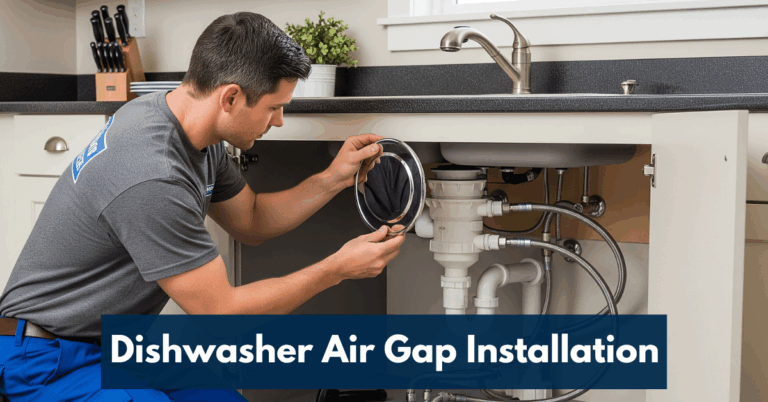
Installing an air gap is a key step in dishwasher setup. It stops dirty water from flowing back into the dishwasher. This keeps your dishwasher clean and prevents contamination. Proper installation ensures your kitchen stays hygienic and your dishwasher works well.
Placement And Components
The air gap usually sits on the sink or countertop near the faucet. It looks like a small cylinder with two hoses connected. One hose links the dishwasher to the air gap. The other hose goes from the air gap to the drain or garbage disposal.
The air gap has three main parts:
- Inlet port for dishwasher hose
- Chamber to prevent backflow
- Outlet port to drain hose
Position the air gap higher than the drain to avoid water backups. The height helps air enter the gap and stops dirty water.
Common Installation Mistakes
- Placing the air gap too low, causing water to flow backward
- Connecting hoses to wrong ports on the air gap
- Using damaged or kinked hoses that block water flow
- Failing to secure hoses tightly, leading to leaks
- Ignoring local plumbing codes that require an air gap
Check hose connections carefully. Make sure the air gap is clean and free of debris. Proper installation avoids costly repairs and ensures safe dishwasher operation.
Troubleshooting Dishwasher Drain Issues
Dealing with dishwasher drain issues can be frustrating, especially when water backs up or fails to drain properly. Understanding the role of the air gap in your dishwasher’s drainage system can help you identify and fix these problems quickly. Let’s look into common signs that point to air gap problems and simple maintenance tips to keep your dishwasher draining smoothly.
Signs Of Air Gap Problems
You might notice water pooling around the dishwasher or on the kitchen sink after a cycle. This often means the air gap is clogged or blocked, preventing proper drainage. Another sign is a foul smell coming from the drain area, which happens when dirty water is trapped and not flushed out.
Sometimes, your dishwasher may refuse to drain at all, leaving standing water inside the tub. If you see water backing up into the air gap cover, it’s a clear indication that the air gap needs attention. Have you checked if the air gap tube is kinked or blocked by debris?
Maintenance Tips
Regular cleaning is crucial to prevent air gap clogs. You can remove the air gap cover and clear out any visible debris using a brush or a small wire. Running water through the air gap while cleaning helps flush out hidden blockages.
Inspect the hose connected to the air gap for bends or cracks that could cause drainage issues. Replacing damaged hoses early can save you from costly repairs later. Also, make it a habit to run hot water through your dishwasher drain line occasionally to clear out grease buildup.
Have you ever tried using a mixture of baking soda and vinegar to clean your drain lines? It’s an effective, natural way to keep the air gap and drain hose free from grime. Small maintenance steps like these can improve your dishwasher’s performance and extend its lifespan.
Credit: callwhitney.com
Health And Safety Implications
Health and safety are crucial when installing a dishwasher. An air gap plays a key role in preventing dirty water from flowing back into your clean dishes or water supply. Ignoring this small part can lead to serious contamination risks and health problems.
Risks Of Skipping An Air Gap
Without an air gap, wastewater can siphon back into the dishwasher. This backflow can carry bacteria, food particles, and harmful germs. It increases the chance of cross-contamination in your kitchen.
Dirty water entering your dishwasher can cause bad smells and stains on dishes. It may also lead to mold growth and clogged drains. These issues can damage your appliance and reduce its lifespan.
Protecting Your Household
An air gap acts as a barrier that stops dirty water from mixing with clean water. It ensures that your dishwasher drains safely and hygienically. This simple device helps keep your family safe from harmful bacteria.
Installing an air gap follows plumbing codes and health regulations. It provides peace of mind knowing your dishwasher works without risking contamination. Proper installation promotes a cleaner kitchen environment for everyone.

Credit: airgap.com
Frequently Asked Questions
What Is An Air Gap For A Dishwasher?
An air gap prevents dirty water from flowing back into your dishwasher. It acts as a physical barrier between the sink drain and dishwasher drain hose, ensuring clean water circulation and avoiding contamination.
Is An Air Gap Legally Required For Dishwashers?
In many areas, local plumbing codes mandate an air gap for dishwashers. Check your regional regulations to confirm if it is compulsory. Installing one is often recommended for safety and hygiene.
How Does An Air Gap Improve Dishwasher Performance?
An air gap stops backflow and sewer gas from entering the dishwasher. This prevents clogs and foul odors, maintaining efficient drainage and protecting your appliance from damage.
Can I Install A Dishwasher Without An Air Gap?
You can, but it’s not advisable. Without an air gap, dirty water may back up into your dishwasher, risking contamination and potential plumbing issues. Always check local codes before skipping it.
Conclusion
An air gap helps prevent dirty water from flowing back into your dishwasher. It keeps your kitchen clean and safe. Many local rules require an air gap for dishwashers. Installing one is simple and worth the effort. It protects your family’s health and your appliance.
Consider adding an air gap to avoid future problems. It’s a small step with big benefits. Choose safety and peace of mind for your home.