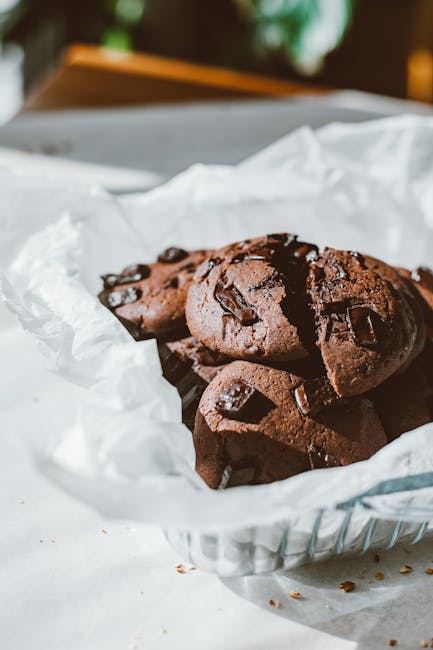
Have you ever stood in your kitchen, ready to bake, and wondered if a baking sheet and parchment paper are the same thing? It’s easy to get confused because both are common tools that help with baking.
But using the wrong one could change how your cookies turn out or even make cleanup harder. You’ll discover the key differences between a baking sheet and parchment paper, and how knowing these can make your baking easier and more successful.
Keep reading—you’ll never look at your baking setup the same way again!
Baking Sheet Basics
Baking sheets and parchment paper are common tools in the kitchen. They help with baking and cooking tasks. Knowing their differences is important for good results.
This guide covers the materials and types of baking sheets and parchment paper. It also explains their common uses in baking and cooking.
Materials And Types
Baking sheets come in several materials. Each type offers different benefits and uses. Parchment paper is a special paper used on baking sheets.
- Aluminum:Lightweight and conducts heat well. Often used for even baking.
- Stainless Steel:Durable and resists rust. It may not heat as evenly.
- Non-stick Coated:Easy to clean and prevents sticking. Coating can wear out.
- Silicone Mats:Reusable and non-stick surface. Works like parchment paper.
- Parchment Paper:Non-stick, heat-resistant paper. Used as a liner on baking sheets.
Common Uses
| Item | Use | Notes |
| Baking Sheet | Roasting, baking cookies, sheet cakes | Direct heat contact |
| Parchment Paper | Lining pans, wrapping food, rolling dough | Prevents sticking and easy cleanup |
| Silicone Baking Mat | Non-stick surface for baking | Reusable and eco-friendly |
Using a baking sheet alone means food touches metal. Parchment paper adds a non-stick layer. It also helps with cleaning and protects the sheet.

Credit: www.amazon.ca
Parchment Paper Features
Parchment paper is a common kitchen tool used in baking and cooking. It helps prevent food from sticking to baking sheets and pans.
This paper has special qualities that make it heat-resistant and non-stick. It is different from regular paper or foil.
Composition And Properties
Parchment paper is made by treating paper with acid to change its texture. Then it is coated with silicone to make it non-stick and heat-resistant.
- Made from cellulose fibers
- Acid-treated for strength and durability
- Silicone-coated for non-stick surface
- Heat-resistant up to about 420°F (215°C)
- Grease and moisture resistant
Typical Applications
Parchment paper is useful in many cooking and baking tasks. It keeps food from sticking and helps with easy cleanup.
| Use | Description |
| Baking | Lining trays for cookies, cakes, and pastries |
| Steaming | Wrapping foods to retain moisture |
| Roasting | Preventing sticking of vegetables and meats |
| Rolling | Rolling out dough without sticking |
| Separating | Keeping layers of baked goods or candies apart |
Comparing Baking Sheets And Parchment Paper
Baking sheets and parchment paper are common tools in baking. They help with cooking but serve different purposes. Knowing their differences can improve your baking results.
This article compares baking sheets and parchment paper by looking at their physical traits, heat resistance, and reusability.
Physical Differences
A baking sheet is a flat metal tray used in ovens. It is sturdy and holds food directly. Parchment paper is a thin, non-stick paper used to line baking sheets or pans.
- Baking Sheet: Made of metal, often aluminum or stainless steel.
- Parchment Paper: Made of cellulose and coated with silicone.
- Baking Sheet: Rigid and reusable.
- Parchment Paper: Flexible and disposable.
Heat Resistance
Baking sheets can handle very high temperatures. They heat evenly and help brown food. Parchment paper can also handle heat but only up to a limit.
| Item | Heat Resistance |
| Baking Sheet | Up to 500°F (260°C) |
| Parchment Paper | Up to 420°F (215°C) |
Reusability And Maintenance
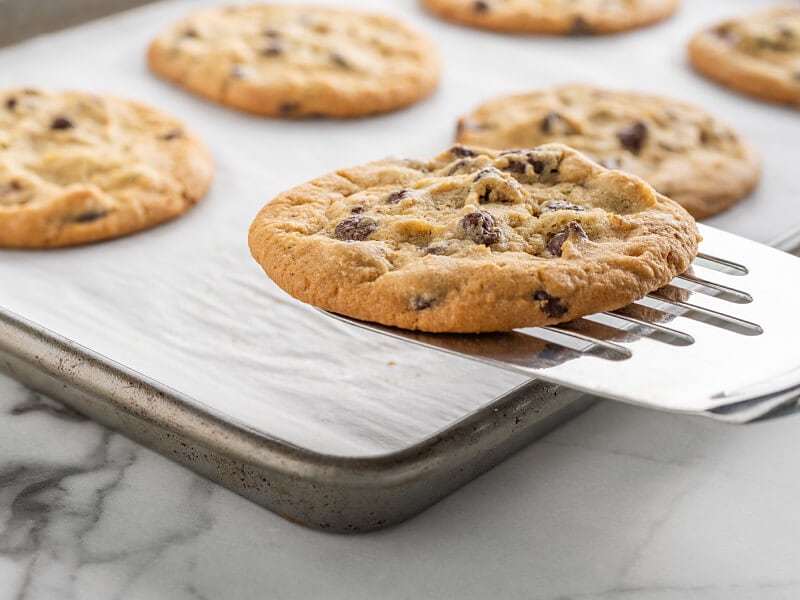
Baking sheets are easy to clean and can be reused many times. Parchment paper is for one-time use and is thrown away after baking.
- Wash baking sheets with soap and water after use.
- Replace parchment paper after each use.
- Use parchment paper to keep baking sheets clean.
Credit: www.whirlpool.com
Choosing Between Them
Baking sheets and parchment paper are common tools in the kitchen. Both help with baking, but they are not the same. Knowing when to use each can improve your cooking results.
This guide explains the best uses for baking sheets and parchment paper. It will help you pick the right one for your recipe.
When To Use Baking Sheets
Baking sheets are flat metal trays. They hold food during baking and roasting. Use them for foods that need direct heat and crisp edges.
- Roasting vegetables or meats
- Baking cookies that spread out
- Toasting nuts or seeds
- Making sheet pan dinners
- Cooking foods that do not stick easily
When To Use Parchment Paper
Parchment paper is a non-stick paper used to line baking sheets. It prevents food from sticking and helps with easy cleanup. Use it for sticky or delicate foods.
| Food Type | Best Use |
| Cookies | Prevent sticking and even baking |
| Pastries | Keep shape and avoid breakage |
| Fish | Cook gently without sticking |
| Candy | Easy removal and cleanup |
| Roasting | Line sheet to catch drips |
Safety And Environmental Impact
Baking sheets and parchment paper are common in kitchens. Both help with baking but differ in safety and environmental effects.
Knowing these differences helps you choose the safest and most eco-friendly option for cooking.
Food Safety Considerations
Baking sheets are metal trays that hold food during baking. They do not contain chemicals that can transfer to food.
Parchment paper is coated with silicone to resist heat. It is safe to use up to about 420°F (215°C). Above this, it may burn or release fumes.
- Baking sheets can be reused many times without risk.
- Parchment paper is single-use and must be food-safe certified.
- Never use wax paper in the oven; it can melt and release toxins.
- Check parchment paper packaging for heat tolerance and safety labels.
Eco-friendly Options
Baking sheets are durable and reusable, reducing waste over time. They are often made from recyclable metal.
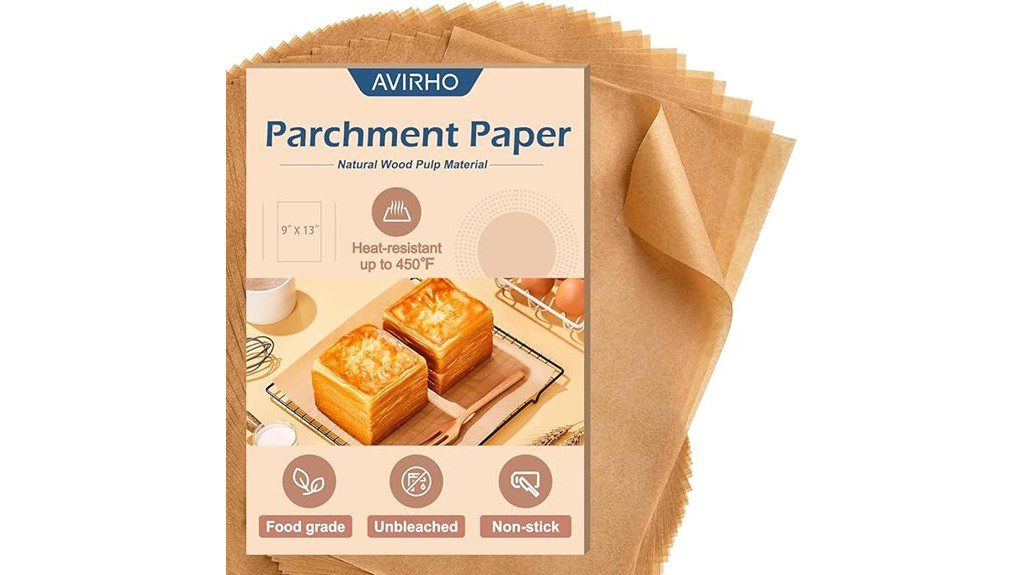
Parchment paper creates waste after one use. Some brands offer compostable or unbleached options to lower environmental impact.
- Use reusable baking sheets to cut down waste.
- Choose unbleached or compostable parchment paper.
- Avoid disposable aluminum foil; it is less eco-friendly.
- Recycle metal baking sheets if damaged beyond use.
Credit: www.greenwashingindex.com
Frequently Asked Questions
What Is A Baking Sheet Used For?
A baking sheet, often made of metal, is used for baking or roasting. It features a flat surface with raised edges to prevent spills. It’s ideal for cookies, pastries, and roasting vegetables, providing even heat distribution.
Can You Use Parchment Paper In The Oven?
Yes, parchment paper is oven-safe and prevents sticking. It withstands temperatures up to 450°F. It’s perfect for lining baking sheets, ensuring easy cleanup. It also helps in achieving even cooking without sticking.
Is Parchment Paper Healthier Than Baking Sheet?
Parchment paper is non-stick and requires less oil or butter. This makes it a healthier option. It also prevents food from sticking, reducing the need for added fats. Baking sheets, however, might require greasing.
Can Baking Sheets Replace Parchment Paper?
Baking sheets and parchment paper serve different purposes. Baking sheets are reusable but need greasing. Parchment paper is disposable and non-stick. It’s ideal for delicate items like cookies. For best results, use them together.
Conclusion
Baking sheets and parchment paper serve different roles in the kitchen. Baking sheets provide a sturdy surface for cooking and baking. Parchment paper helps prevent food from sticking and makes cleanup easier. Knowing their differences helps choose the right tool for your recipe.
Use baking sheets for structure and parchment paper for non-stick purposes. Both can work together for better baking results. Understanding this simple fact saves time and improves your cooking experience. Choose wisely and enjoy baking with less hassle and more success.