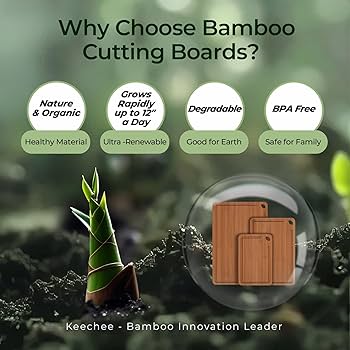
Are you wondering if bamboo cutting boards are truly safe for your kitchen? You use cutting boards every day, so choosing the right one matters more than you might think.
Bamboo has become popular for its look and eco-friendliness, but is it healthy for your food and durable enough for your cooking needs? Keep reading to discover the surprising facts about bamboo cutting boards and how they can impact your health and kitchen routine.
This information could change the way you chop forever.

Credit: www.listful.com
Bamboo As A Cutting Board Material
Bamboo is a popular choice for cutting boards. It looks nice and feels smooth. Many people wonder if bamboo is safe for food use.
This article explains bamboo’s natural traits, strength, and impact on the planet. It helps you understand why bamboo is often used in kitchens.
Natural Properties Of Bamboo
Bamboo grows fast and has natural oils. These oils help stop germs from growing on the surface. This makes bamboo safer for food preparation.
Bamboo is also less porous than many woods. This means it does not soak up water easily. It helps keep the board cleaner and less likely to hold bacteria.
Durability And Hardness
Bamboo is very hard and strong. It can stand up to many knife cuts without getting damaged fast. This means your cutting board lasts longer.
Its hardness also protects knives from dulling quickly. Bamboo cutting boards do not crack or split easily. They stay smooth and safe for food use.
Environmental Impact
Bamboo grows much faster than trees. It can be harvested every few years without killing the plant. This makes it a renewable resource.
Using bamboo helps reduce deforestation. It also needs less water and pesticides than other plants. This means less harm to the environment.
Health And Safety Factors
Bamboo cutting boards are popular for their eco-friendliness. Knowing their health and safety aspects is important. This helps you decide if bamboo suits your kitchen needs.
This article covers three key areas: resistance to bacteria, non-toxic finishes, and potential allergens.
Resistance To Bacteria
Bamboo has natural properties that make it hard for bacteria to grow. It is less porous than some woods, so it absorbs less moisture. This lowers the chance of harmful germs staying on the surface.
Cleaning bamboo boards properly keeps bacteria away. Use warm water and mild soap. Avoid soaking the board for long periods to stop damage.
Non-toxic Finishes And Treatments
Bamboo cutting boards often get treated to protect them from water and stains. Safe boards use non-toxic oils or natural waxes. These finishes do not release harmful chemicals into food.
- Look for boards finished with food-grade mineral oil
- Avoid those with synthetic chemicals or paints
- Natural beeswax coatings offer good protection
- Regularly reapply oil to keep the board safe and sealed
Potential Allergens
| Allergen Type | Details |
| Bamboo Pollen | Rarely causes allergic reactions |
| Wood Dust | Can trigger allergies during manufacturing |
| Finishing Oils | Some people may react to nut-based oils |
| Latex | Not related to bamboo, but possible in some treatments |
People with wood or nut allergies should check the board’s treatment. Most users do not have any allergic issues with bamboo cutting boards.
Comparing Bamboo To Other Materials
Bamboo is a popular choice for cutting boards. It offers different benefits compared to other materials. This guide compares bamboo with hardwood and plastic boards.
Understanding these differences helps you pick a safe and durable cutting board for your kitchen.
Bamboo Vs. Hardwood Boards
Bamboo is not technically wood but a fast-growing grass. Hardwood boards, like maple or walnut, come from trees and take longer to grow. Bamboo is harder and less porous than many hardwoods, which makes it resistant to cuts and scratches.
| Feature | Bamboo | Hardwood |
|---|---|---|
| Growth Time | 3-5 years | 20-50 years |
| Hardness | Harder | Softer |
| Porosity | Less porous | More porous |
| Maintenance | Easy to clean | Needs oiling often |
| Knife Friendly | Good | Better |
Hardwood boards are gentle on knives but need more care. Bamboo boards resist water damage but can dull knives faster.
Bamboo Vs. Plastic Boards
Plastic boards are lightweight and often dishwasher safe. Bamboo boards are heavier but more eco-friendly. Both materials offer safe surfaces but differ in durability and care.
- Cleaning:Plastic boards clean easily in a dishwasher; bamboo needs hand washing.
- Durability:Bamboo is tougher and lasts longer without deep cuts.
- Hygiene:Plastic can develop deep grooves that hold bacteria; bamboo resists bacteria better due to its natural properties.
- Environmental Impact:Bamboo is renewable and biodegradable; plastic is not.
Choosing between bamboo and plastic depends on your cleaning habits and eco preferences.
Maintenance And Care Tips
Bamboo cutting boards are popular for their durability and eco-friendliness. Taking care of them properly keeps them safe and lasts longer.
Good maintenance prevents damage like cracks or warping. It also keeps your board clean and hygienic for food use.
Cleaning Methods
Clean bamboo boards right after use. Avoid soaking them in water for a long time to stop damage.
Use mild soap and warm water. Scrub gently with a soft sponge or cloth. Rinse well and dry immediately with a towel.
- Do not put bamboo boards in the dishwasher
- Avoid harsh chemicals or bleach
- Use vinegar or lemon juice to remove stains naturally
Preventing Cracks And Warping
Bamboo can crack or warp if exposed to too much water or heat. Control moisture to keep its shape and strength.
Do not leave the board in water or near hot surfaces. Store it in a dry place with good air flow.
- Apply food-safe mineral oil regularly to keep bamboo hydrated
- Use cutting boards on flat surfaces only
- Flip the board often during use to avoid uneven wear
Longevity And Replacement Signs
Bamboo boards last a long time with care. Watch for signs that it is time to replace your board.
Look for deep cracks, large stains, or a rough surface that cannot be smoothed. These can harbor bacteria and affect food safety.
- Replace if the board smells bad or has mold
- Check for splinters or chips that can hurt hands
- Sand lightly to remove minor scratches and stains
Expert Recommendations
Bamboo cutting boards are popular for their strength and eco-friendliness. It is important to use them safely to avoid damage and bacteria.
This guide shares expert tips on safe use, choosing quality boards, and when to avoid bamboo.
Safe Usage Practices
Keep bamboo boards clean and dry to prevent cracks and mold. Use mild soap and warm water after each use.
- Do not soak bamboo boards in water.
- Dry boards immediately after washing.
- Use food-safe mineral oil to seal the surface regularly.
- Avoid cutting raw meat directly on bamboo to reduce bacteria risk.
Choosing Quality Bamboo Boards
Good quality bamboo boards last longer and resist damage better. Check for smooth surfaces without rough spots.
| Feature | What to Look For |
| Material | 100% natural bamboo, no fillers |
| Finish | Food-grade oil or wax coating |
| Construction | Strong, glued with non-toxic adhesive |
| Size | Enough surface area for your needs |
When To Avoid Bamboo
Bamboo is not ideal for all cutting tasks. Avoid using it in these cases to keep the board safe and clean.
- Do not use bamboo boards for heavy chopping of bones.
- Avoid cutting acidic foods frequently to prevent damage.
- Skip bamboo if you need a dishwasher-safe board.
- Do not use if the board is cracked or warped.
Credit: www.walmart.com

Credit: www.amazon.com
Frequently Asked Questions
Is Bamboo Durable For Cutting Boards?
Yes, bamboo is highly durable for cutting boards. It is harder than many hardwoods, making it resistant to knife marks. Bamboo’s natural density and strength ensure longevity, making it a popular choice for kitchen use. Its lightweight nature also adds to its appeal for everyday cooking tasks.
Does Bamboo Resist Bacteria Growth?
Bamboo naturally resists bacteria growth due to its dense fibers and antimicrobial properties. This makes it a hygienic choice for cutting boards. Regular cleaning with soap and water enhances its antibacterial benefits. Always ensure the bamboo board is dry before storing to prevent any moisture-related issues.
Is Bamboo Cutting Board Eco-friendly?
Yes, bamboo cutting boards are eco-friendly. Bamboo grows rapidly and doesn’t require replanting, making it a sustainable resource. Its production has a lower environmental impact compared to traditional hardwoods. Choosing bamboo supports eco-friendly practices and contributes to reducing deforestation.
Can Bamboo Cutting Boards Be Washed In A Dishwasher?
No, bamboo cutting boards should not be washed in a dishwasher. The intense heat and moisture can cause warping and cracking. It’s best to hand wash with mild soap and water. Dry immediately to maintain the board’s integrity and longevity.
Conclusion
Bamboo cutting boards offer a safe and eco-friendly choice. They resist bacteria better than some wood types. Their hardness helps prevent deep cuts where germs hide. Regular cleaning keeps them hygienic and long-lasting. They dry quickly, reducing mold risks. Bamboo is also gentle on knives, keeping blades sharp.
Choosing bamboo supports sustainable practices too. Overall, bamboo boards serve well in daily kitchen tasks. A smart pick for safe and green cooking.