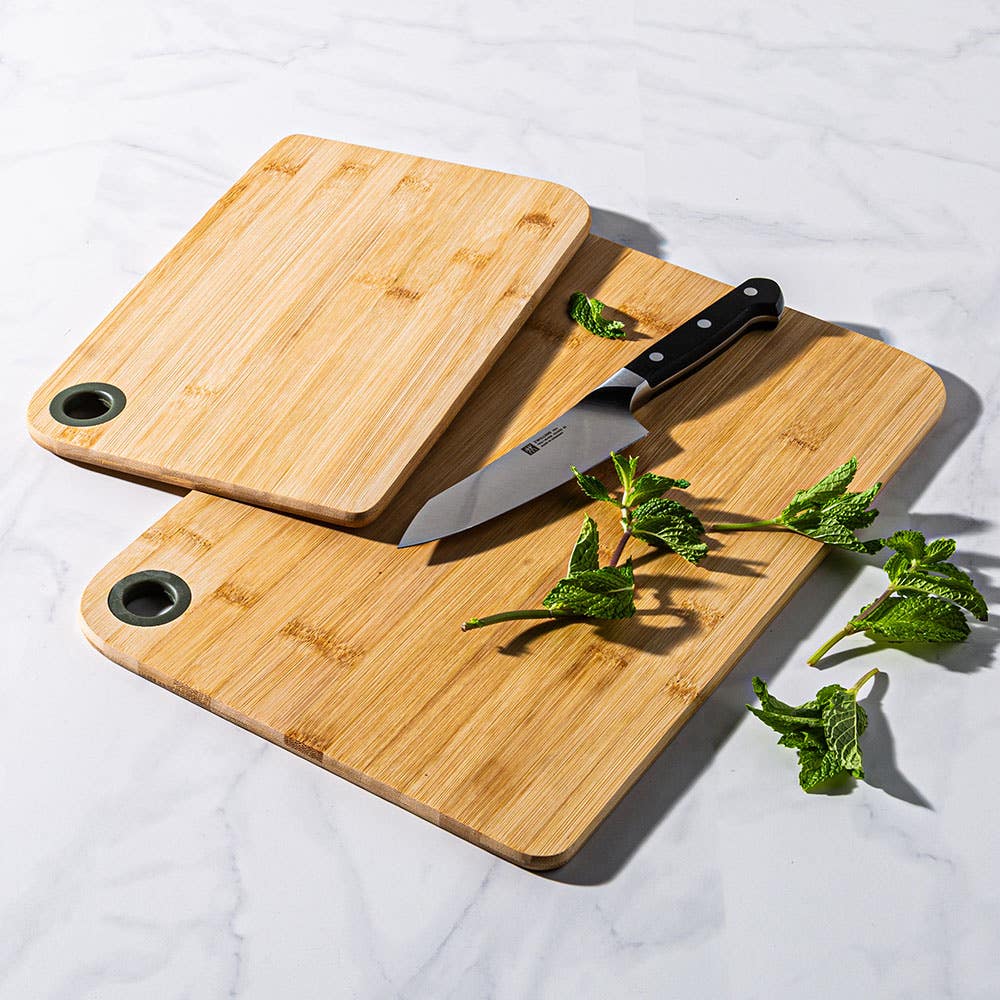
Are you wondering if bamboo wood is the right choice for your cutting board? You want a surface that’s durable, safe, and easy to clean, but also gentle on your knives.
Choosing the right material can make a big difference in your kitchen experience. You’ll discover why bamboo wood might just be the perfect fit for your cutting board needs—and what you should know before making the switch. Keep reading to find out how bamboo can transform your cooking routine.

Credit: www.amazon.ca
Benefits Of Bamboo Wood
Bamboo wood is a popular choice for cutting boards. It has many good qualities that make it useful in the kitchen.
This wood is strong, easy to clean, and kind to the environment. These benefits help explain why many people choose bamboo.
Durability And Strength
Bamboo is harder than many types of wood used for cutting boards. This makes it last longer without getting deep cuts.
The strong fibers in bamboo help it resist cracking and splitting. It stands up well to heavy chopping and slicing.
- Hard surface resists knife marks
- Less prone to warping or cracking
- Handles daily kitchen use well
Natural Antibacterial Properties
Bamboo has natural substances that fight bacteria. This makes the cutting board safer to use for food preparation.
The wood does not absorb much water, so it does not hold germs easily. This helps keep the board cleaner after washing.
- Reduces bacterial growth naturally
- Dries quickly to prevent germs
- Easy to clean and maintain
Eco-friendly And Sustainable
Bamboo grows fast and needs little water. It is a renewable resource that helps protect forests.
Using bamboo supports eco-friendly products and reduces harm to the planet. It is a smart choice for green living.
- Rapidly renewable plant
- Requires fewer resources to grow
- Biodegradable and recyclable
Comparing Bamboo To Other Woods
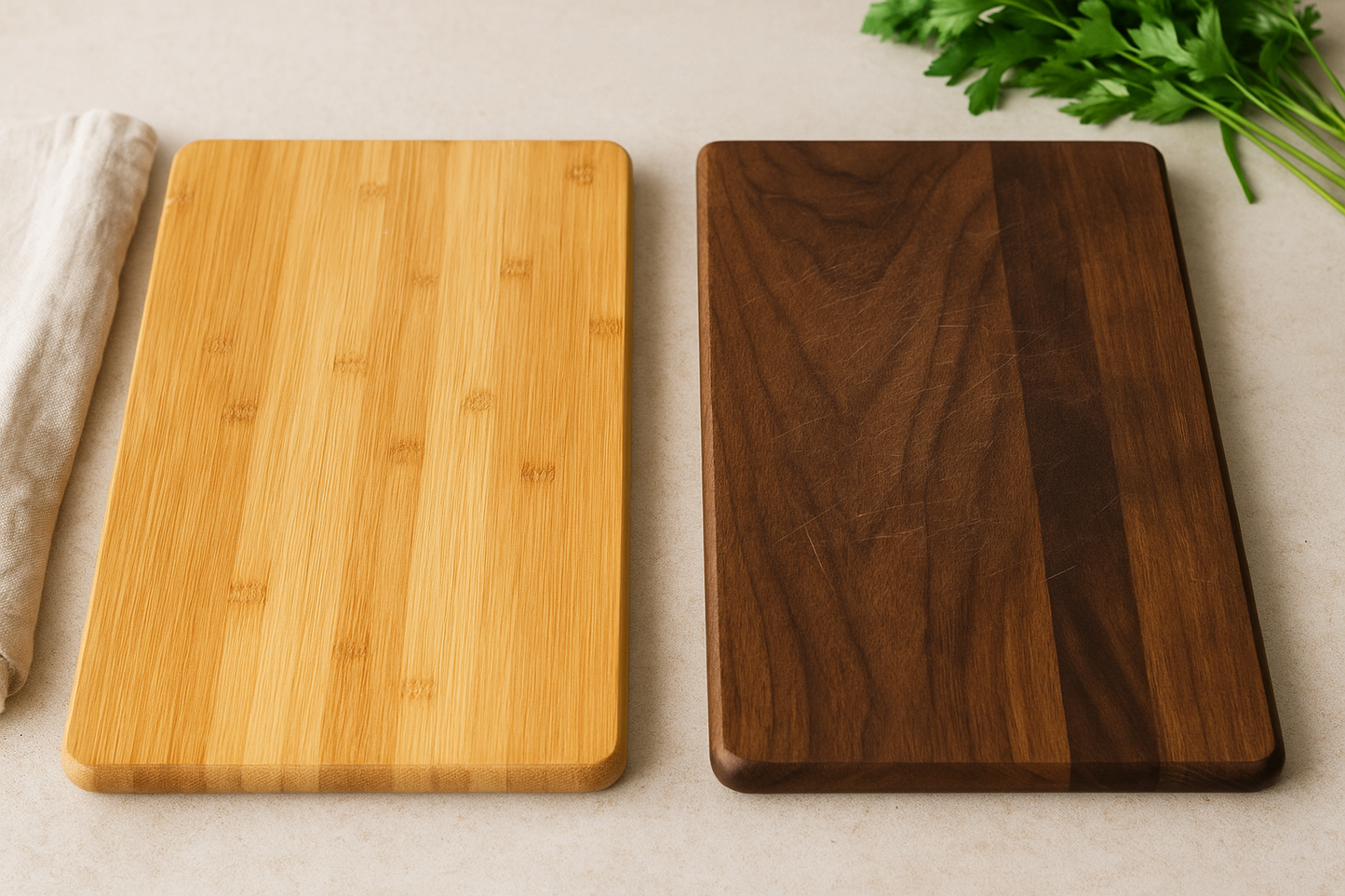
Bamboo is a popular choice for cutting boards. People often compare it with hardwoods like maple and walnut. Each wood type has unique features.
This comparison helps you understand which cutting board material suits your kitchen needs best.
Hardness And Wear Resistance
Bamboo is very hard and resists dents well. It is often harder than many hardwoods used for cutting boards.
Hardwoods like maple and walnut are softer but still durable. They may show knife marks sooner than bamboo.
- Bamboo is harder and less prone to cuts
- Maple is softer but gentle on knives
- Walnut has medium hardness and a smooth surface
Maintenance And Care
Bamboo boards need regular oiling to stay in good shape. They dry out if not cared for properly.
Maple and walnut boards also require oiling. They may need more gentle cleaning to avoid damage.
- Use mineral oil on bamboo and hardwood boards
- Hand wash boards; avoid soaking
- Dry boards fully to prevent warping or cracking
Cost And Availability
Bamboo cutting boards are usually affordable and easy to find. Bamboo grows quickly, helping keep prices low.
Hardwood boards like maple and walnut tend to cost more. They are less common and take longer to grow.
| Wood Type | Average Cost | Availability |
|---|---|---|
| Bamboo | Low to Medium | High |
| Maple | Medium to High | Medium |
| Walnut | High | Low to Medium |
Types Of Bamboo Cutting Boards
Bamboo cutting boards are popular for kitchens. They come in different styles and designs.
Each type has unique features that affect how it works and lasts.
Solid Bamboo Boards
Solid bamboo boards are made from one piece of bamboo. This makes them strong and hard.
They are less likely to crack and can handle heavy chopping tasks well.
Striped Bamboo Designs
Striped bamboo boards use different bamboo strips glued together. This creates a striped look.
These boards are stylish and often have better durability than solid boards.
- Looks attractive with natural color variations
- Offers good strength and cutting surface
- Resists warping over time
Edge-grain Vs. End-grain
Edge-grain boards show the side of bamboo strips. They are smooth and easy to clean.
End-grain boards show the ends of bamboo fibers. They are softer on knives and last longer.
| Feature | Edge-Grain | End-Grain |
|---|---|---|
| Appearance | Long bamboo strips | Checkerboard pattern |
| Knife Friendly | Moderate | Very gentle |
| Durability | Good | Better |
| Maintenance | Easy | Needs more care |

Credit: miti-life.com
Caring For Bamboo Cutting Boards
Bamboo cutting boards are strong and eco-friendly. Proper care helps them last longer. It also keeps them clean and safe for food.
This guide explains how to clean, oil, and protect your bamboo board from damage. Follow these tips to keep it in good shape.
Cleaning Tips
Clean your bamboo board right after use. Avoid soaking it in water for a long time. Use mild soap and warm water to wash it.
- Rinse with warm water immediately after cutting
- Use a soft sponge with mild dish soap
- Do not put the board in the dishwasher
- Dry the board with a clean towel quickly
- Let it air dry standing up to prevent warping
Oiling And Conditioning
Oiling your bamboo board keeps it from drying out and cracking. Use food-safe mineral oil or bamboo board conditioner.
| Frequency | What to Use | How to Apply |
| Once a month | Mineral oil or bamboo conditioner | Rub evenly with a soft cloth, let sit 2 hours, wipe off excess |
| After deep cleaning | Same as above | Apply oil to restore moisture |
Avoiding Damage
Protect your bamboo board by avoiding harsh conditions. Do not expose it to extreme heat or moisture.
- Do not leave the board in water or soak it
- Avoid using very hot water or placing near heat sources
- Do not cut with very sharp or serrated knives that can gouge the surface
- Store the board in a dry, well-ventilated place
Potential Drawbacks
Bamboo wood is popular for cutting boards. It looks nice and is eco-friendly. Still, it has some drawbacks to consider.
Knowing the possible problems helps you decide if bamboo suits your kitchen needs.
Susceptibility To Cracking
Bamboo cutting boards can crack more easily than some hardwood boards. This happens because bamboo is made of many thin strips glued together.
If the board dries out too much or gets wet too often, the glue may weaken. Cracks can form along the grain and reduce the board’s lifespan.
Knife Wear Considerations
Bamboo is harder than many woods used for cutting boards. This hardness can dull knives faster over time.
Using bamboo boards means you may need to sharpen your knives more often. This is important to keep cutting safe and easy.
Credit: www.deerandoak.co.uk
Frequently Asked Questions
Is Bamboo Wood Durable For Cutting Boards?
Bamboo is highly durable and resists knife marks well. It is harder than many hardwoods, making it ideal for cutting boards. Its natural strength ensures long-lasting use without warping or cracking.
Are Bamboo Cutting Boards Eco-friendly?
Yes, bamboo is a sustainable and eco-friendly material. It grows quickly and requires less water than hardwood trees. Using bamboo cutting boards helps reduce deforestation and supports environmentally friendly choices.
How To Maintain A Bamboo Cutting Board?
Clean bamboo boards with mild soap and warm water. Avoid soaking and dishwasher use to prevent warping. Regularly oil the surface with food-grade mineral oil to keep it smooth and crack-free.
Does Bamboo Resist Bacteria Growth On Cutting Boards?
Bamboo has natural antimicrobial properties that inhibit bacteria growth. Its dense fibers reduce moisture absorption, lowering bacterial risks. Proper cleaning and drying further ensure a hygienic cutting surface.
Conclusion
Bamboo wood works well for cutting boards. It is strong and resists water better than some woods. Bamboo is also gentle on knives, helping them last longer. It cleans easily, making it a good choice for kitchens. Plus, bamboo grows fast, so it is eco-friendly.
These qualities make bamboo cutting boards a smart option. Choose bamboo for a durable, easy-to-use kitchen tool.