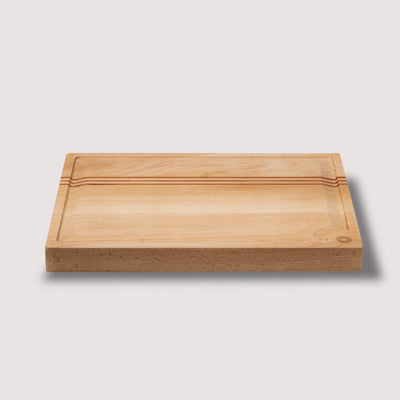
Are you thinking about getting a new cutting board and wondering if beech wood is the right choice? Choosing the perfect cutting board can make a big difference in your kitchen.
It affects how you prepare food, how long your board lasts, and even how safe your meals are. Beech wood is often recommended, but is it really the best option for your cutting needs? Keep reading to find out why beech wood might be exactly what your kitchen needs and what you should consider before making your decision.
Properties Of Beech Wood
Beech wood is a popular choice for cutting boards. It has many qualities that make it useful in the kitchen. Understanding its properties helps you see why it works well for cutting boards.
This wood comes from beech trees and is known for strength and smooth finish. It offers a good balance of hardness and workability.
Hardness And Density
Beech wood is moderately hard and dense. It can handle knife cuts without getting damaged easily. This makes it a durable surface for cutting tasks.
The density of beech wood helps prevent deep cuts. It also protects your knives from dulling quickly.
- Janka hardness rating around 1300
- Density is about 720 kg/m³
- Resists dents and scratches well
Grain And Texture
Beech wood has a fine, even grain. This smooth texture feels nice to touch and looks clean on cutting boards.
The tight grain helps prevent bacteria from hiding inside the wood. It also makes the board easier to clean.
- Straight grain pattern
- Fine, uniform texture
- Minimal pores for hygiene
Moisture Resistance
Beech wood absorbs water but does not hold it for long. This helps reduce warping and cracking over time.
With proper care and oiling, beech wood cutting boards stay stable and last longer.
- Moderate water absorption
- Resists swelling and shrinking
- Needs regular oiling to maintain

Credit: www.skinnerdesigns.co.uk
Durability For Cutting Boards
Beech wood is a popular choice for cutting boards because of its strength. It offers good durability for daily kitchen use.
Understanding how well beech wood resists scratches and lasts with regular use helps you decide if it fits your needs.
Scratch And Impact Resistance
Beech wood has a tight grain structure that helps resist scratches. Its hardness makes it less prone to dents from knives.
- Hard enough to avoid deep cuts
- Soft enough to protect knife edges
- Handles chopping and slicing without damage
- Less likely to show wear marks quickly
Longevity With Regular Use
With proper care, beech wood cutting boards last a long time. The wood’s natural density supports repeated use.
| Care Tip | Effect on Longevity |
| Oil regularly | Prevents cracking and drying |
| Hand wash only | Avoids warping and damage |
| Store dry | Reduces mold and rot risk |
Safety Aspects
Beech wood is a popular choice for cutting boards. It is important to know if it is safe for kitchen use. Safety depends on how the wood interacts with food and bacteria.
This section explains the safety qualities of beech wood for cutting boards. We focus on its non-toxic nature, resistance to bacteria, and how to keep it clean.
Non-toxic Qualities
Beech wood does not release harmful chemicals into food. It is a natural wood without toxins. This makes it safe to use for cutting fruits, vegetables, and meats.
The smooth surface of beech wood helps prevent food from sticking. This lowers the chance of chemical residues. It is a good choice for those who want a natural cutting board.
Bacterial Resistance
Beech wood has tight grain, which helps block bacteria. Bacteria find it hard to enter the wood. This reduces the risk of germs growing on the board.
Studies show wooden boards can be safer than plastic ones. Wood can trap bacteria inside and kill them over time. Beech wood’s density supports this natural defense.
- Tight grain limits bacteria entry
- Natural properties help kill germs
- Better than plastic for bacterial control
Maintenance For Hygiene
Cleaning beech wood boards is simple but important. Use warm water and mild soap after each use. Avoid soaking the board to keep it dry.
Oil the board regularly with food-safe oil. This keeps the wood sealed and stops cracks. Sealed wood stops bacteria from hiding inside.
- Wash with warm, soapy water
- Do not soak or put in dishwasher
- Apply food-safe oil often
- Dry completely before storing

Credit: woodkitchenware.en.made-in-china.com
Comparison With Other Woods
Beech wood is a popular choice for cutting boards. It has good durability and a smooth surface. Comparing beech with other woods helps to understand its strengths and weaknesses.
Different woods offer different benefits. The right wood depends on your needs for hardness, maintenance, and appearance.
Maple Vs Beech
Maple is a very common wood for cutting boards. It is hard and dense, making it strong against cuts. Beech is slightly softer but still durable.
Maple has a lighter color and a fine grain. Beech has a warmer tone and a tighter grain. Both are good for food safety because they are non-toxic and resist bacteria.
- Maple is harder and lasts longer.
- Beech is easier on knives due to softness.
- Both are easy to clean and maintain.
Walnut Vs Beech
Walnut is darker and has a rich, deep color. Beech is lighter and more uniform in color. Walnut is harder than beech, which helps it resist dents.
Walnut is also more expensive and requires more care. Beech is more affordable and easier to maintain. Both woods are safe for cutting boards.
- Walnut offers a stylish look with dark color.
- Beech provides a simpler, classic appearance.
- Beech is better for budget-conscious buyers.
Bamboo Vs Beech
Bamboo is not a wood but a grass. It is very hard and durable. Beech is softer and more traditional for cutting boards.
Bamboo is eco-friendly because it grows fast. Beech takes longer to grow but has a natural look. Bamboo can be harder on knives than beech.
- Bamboo is harder and more resistant to moisture.
- Beech has a smooth surface that is gentle on knives.
- Bamboo boards often have a unique striped look.
Care And Maintenance Tips
Beech wood is a popular choice for cutting boards. To keep it lasting long, proper care is important.
Good cleaning and regular maintenance keep your board safe and looking nice.
Cleaning Techniques
Wash your beech wood cutting board with warm water and mild soap. Use a soft sponge or cloth to clean it.
Never soak the board or put it in the dishwasher. This can cause the wood to crack or warp.
- Use warm, soapy water for cleaning
- Rinse well and dry immediately
- Do not soak or submerge in water
- Avoid dishwasher use
Oiling And Conditioning
Regular oiling keeps beech wood from drying out. Use food-safe mineral oil or cutting board oil.
Apply oil evenly and let it soak in. Wipe off any extra oil with a soft cloth.
- Oil board once a month or as needed
- Use food-safe mineral or cutting board oil
- Apply oil evenly and let it absorb
- Wipe off excess oil to avoid stickiness
Avoiding Damage
Protect your beech wood cutting board by avoiding harsh tools and heat. Use it only for cutting, not as a trivet.
Do not cut on the board with very sharp or serrated knives that can gouge the wood deeply.
- Do not use as a hot surface or trivet
- Avoid deep cuts with sharp or serrated knives
- Do not leave wet for long periods
- Store in a dry place away from heat
Environmental Impact
Beech wood is a popular choice for cutting boards. It is important to understand its environmental impact. Choosing the right wood helps protect nature.
This section looks at the sustainability of beech wood and how it is made in an eco-friendly way.
Sustainability Of Beech Wood
Beech trees grow fast and are widely available in many regions. This makes beech wood a sustainable option. Using wood from well-managed forests helps keep ecosystems healthy.
Beech wood is strong and lasts long. This means cutting boards made from it do not need to be replaced often. Long-lasting products reduce waste over time.
Eco-friendly Manufacturing
Many manufacturers use low-impact methods to make beech wood cutting boards. They use non-toxic finishes and avoid harmful chemicals. This keeps the boards safe and better for the environment.
Production often includes recycling wood scraps and using energy-efficient tools. These steps lower the carbon footprint of making cutting boards from beech wood.

Credit: www.souschef.co.uk
Frequently Asked Questions
Is Beech Wood Durable For Cutting Boards?
Yes, beech wood is durable for cutting boards. Its dense grain structure provides resilience against knife marks. This ensures longevity with proper maintenance. Beech wood’s durability makes it a popular choice for both home cooks and professional chefs. Regular oiling can further enhance its lifespan.
Does Beech Wood Resist Moisture Well?
Beech wood has moderate moisture resistance. It requires regular maintenance to prevent warping or splitting. Regular oiling helps maintain its moisture resistance. It’s important to avoid soaking beech wood cutting boards in water. This will help preserve its quality and appearance over time.
Are Beech Wood Cutting Boards Safe For Food?
Yes, beech wood cutting boards are food-safe. Their dense and closed grain minimizes bacteria absorption. Proper cleaning and maintenance ensure hygiene. Beech wood is a natural and non-toxic material. It’s a preferred choice for many due to its safety and reliability in the kitchen.
How Do I Maintain A Beech Wood Cutting Board?
To maintain a beech wood cutting board, regularly oil it with mineral oil. This prevents drying and cracking. Clean it with mild soap and water after use. Avoid submerging it in water to prevent damage. Regular maintenance will keep your board in top condition.
Conclusion
Beech wood offers a strong and smooth surface for cutting boards. It resists knife marks and stays durable over time. Its tight grain helps prevent bacteria from settling. Beech boards clean easily and look nice in any kitchen. Choose beech wood for a reliable and safe cutting board.
It balances quality and cost well. A practical choice for everyday cooking tasks. Simple care keeps it lasting for years.