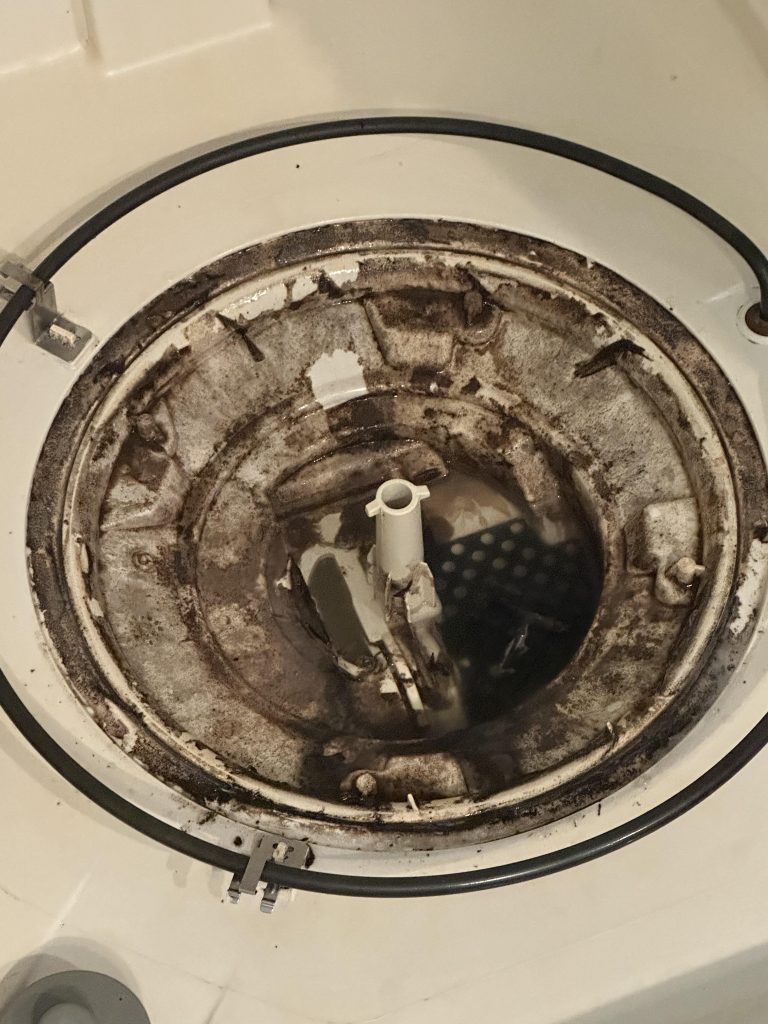
Imagine opening your dishwasher, expecting the fresh scent of cleanliness, only to be met with an unsightly, dark surprise. Yes, we’re talking about black mold.
It’s not just an eyesore; it could pose serious health risks to you and your loved ones. But is black mold in your dishwasher truly dangerous, or is it just another household nuisance? The answer might surprise you. In this blog post, we’ll dive deep into the potential hazards lurking in your dishwasher and reveal how to tackle them effectively.
By the end, you’ll know exactly how to protect your family’s health and ensure your dishwasher is as safe as it is clean. Keep reading to uncover the hidden truths about black mold and what you can do to keep it at bay. Your health may depend on it.
Black Mold In Dishwashers
Black mold in dishwashers is more common than you might think. It thrives in the warm, damp environment inside your appliance, especially if leftovers or moisture linger after a wash cycle. Understanding what causes it and how to spot it can help you keep your kitchen safe and clean.
Common Causes Of Mold Growth
Mold needs moisture, warmth, and organic material to grow. Your dishwasher provides all three, especially if you don’t run it frequently or leave dirty dishes inside for too long.
- Food particles trapped in filters or corners feed mold spores.
- Standing water from clogged drains or incomplete drying creates a perfect habitat.
- Worn-out door seals can trap moisture, keeping areas damp.
- Using the wrong detergent or skipping rinse aid can leave residues that encourage mold.
Have you ever noticed a musty smell when you open your dishwasher? That’s often a sign mold has started to grow. Ignoring these clues can let mold spread unnoticed.
Identifying Black Mold
Black mold in your dishwasher usually looks like black or dark green spots around the door gasket, filters, or spray arms. It may appear slimy or fuzzy depending on how long it has been growing.
Sometimes, you might see discoloration inside the dishwasher or notice a persistent bad smell even after cleaning. These are red flags that mold is present.
Regularly check hidden spots where water collects. A quick wipe with a flashlight can reveal mold before it becomes a bigger problem. Have you checked these areas in your dishwasher recently?

Credit: www.heraldmailmedia.com
Health Risks Of Black Mold
Black mold in your dishwasher is more than just unsightly. It can harm your health in several ways. Understanding these risks helps you take action quickly.
Respiratory Issues
Breathing in black mold spores can irritate your lungs. It may cause coughing, wheezing, and shortness of breath. People with asthma or other lung problems can have worse symptoms. Mold exposure can trigger asthma attacks.
Allergic Reactions
Many people are allergic to black mold. Symptoms include sneezing, runny nose, and itchy eyes. Skin rashes and headaches can also happen. Allergic reactions vary from mild to severe. Repeated exposure may increase sensitivity over time.
Toxic Effects
Some black mold types produce toxins called mycotoxins. These can cause serious health problems. Symptoms include fatigue, nausea, and dizziness. Prolonged exposure may affect the nervous system. Children and the elderly are at higher risk.
Mold Exposure Symptoms
Black mold in your dishwasher isn’t just an unpleasant sight or smell. It can release spores that affect your health in various ways. Recognizing mold exposure symptoms helps you act quickly and protect your well-being.
Short-term Symptoms
Exposure to black mold spores often causes immediate reactions, especially if you have allergies or asthma. You might notice:
- Sneezing and nasal congestionthat feel like a persistent cold.
- Itchy, watery eyesthat won’t go away after washing your face.
- Coughing or throat irritationthat worsens after running your dishwasher.
- Skin rashes or irritationaround your hands if you touch moldy surfaces.
Have you ever wondered why some family members get sick after doing dishes while others don’t? This difference often comes down to sensitivity to mold spores.
Long-term Health Problems
If black mold exposure continues without being addressed, it can lead to more serious health issues. These might include:
- Chronic respiratory problemssuch as asthma attacks or bronchitis.
- Persistent headaches and fatiguethat affect your daily energy.
- Memory loss or difficulty concentratingin extreme cases.
- Weakened immune system, making you more prone to infections.
Ignoring mold exposure can turn minor symptoms into serious conditions. Have you checked your dishwasher for mold lately? Taking action early can prevent these long-term problems.

Credit: sponauglewellness.com
Preventing Mold In Dishwashers
Preventing mold in dishwashers helps keep your kitchen safe and clean. Mold grows in damp, warm places like dishwashers. It can cause bad smells and health issues. Simple steps can stop mold from growing inside your dishwasher. Regular care keeps your appliance fresh and mold-free.
Cleaning Tips
- Run hot water cycles weekly to kill mold spores.
- Wipe door seals and edges after each use.
- Remove food debris from filters and spray arms.
- Use vinegar or baking soda to clean the interior monthly.
- Leave the dishwasher door open slightly after use to dry.
Maintenance Practices
- Check and replace worn door gaskets to prevent leaks.
- Inspect and clean drainage areas to avoid water buildup.
- Use dishwasher-safe cleaning tablets regularly.
- Schedule professional maintenance once a year.
- Ensure proper water temperature for effective cleaning.
Safe Mold Removal Methods
Removing black mold from your dishwasher safely is crucial for your health and the longevity of your appliance. The right approach stops mold from spreading and prevents damage. Let’s look at effective ways you can tackle mold without risking harm to yourself or your dishwasher.
Diy Cleaning Solutions
You can often handle mold removal with items you already have at home. Start by wearing gloves and a mask to protect your skin and lungs.
Use a mixture of white vinegar and baking soda. Spray vinegar directly on moldy areas, let it sit for about 10 minutes, then scrub with a soft brush. Follow by sprinkling baking soda and running a hot water cycle to clear away residue.
Hydrogen peroxide is another strong option. Dab it on mold spots, wait 10 minutes, then wipe clean. It kills mold effectively without harsh chemicals.
Have you tried these at home? Some users find vinegar smells strong but it’s safe and leaves your dishwasher fresh. Regular cleaning with these solutions can prevent mold from coming back.
When To Call Professionals
Sometimes mold growth is too extensive or hidden for DIY methods. If you notice a persistent musty smell or mold inside parts you can’t reach, it’s time to get expert help.
Professionals have tools and cleaners designed to handle severe mold safely. They can also inspect for damage that mold might cause inside your dishwasher’s mechanics.
Don’t wait if you or your family experience allergy symptoms or respiratory issues linked to mold. Calling a professional can protect your health and avoid costly repairs later.
Have you faced stubborn mold that won’t go away? Sharing your experience might help others decide when to seek professional help.

Credit: www.searshomeservices.com
Frequently Asked Questions
What Health Risks Does Black Mold In Dishwasher Pose?
Black mold in dishwashers can trigger allergies, respiratory issues, and skin irritation. Prolonged exposure worsens symptoms, especially for asthma sufferers. It’s important to clean and remove mold promptly to protect your family’s health and avoid contamination of dishes and utensils.
How To Identify Black Mold Inside A Dishwasher?
Black mold appears as dark, fuzzy spots in dishwasher corners, door seals, or filters. It thrives in moist, warm environments. Look for musty odors or discoloration on dishes as signs. Regular inspection helps detect mold early before it spreads and causes damage.
Can Black Mold In Dishwasher Contaminate Dishes?
Yes, black mold can contaminate dishes, causing health risks. Mold spores may transfer to plates and utensils during washing. This contamination can trigger allergic reactions or illness. Proper cleaning and mold removal are essential to ensure safe, hygienic dishwashing.
What Causes Black Mold Growth In Dishwashers?
Black mold grows due to leftover food particles, moisture, and poor ventilation inside the dishwasher. Warm, damp conditions create an ideal environment for mold spores to thrive. Regular cleaning and running hot water cycles help prevent mold buildup.
Conclusion
Black mold in your dishwasher can cause health problems. It spreads quickly and affects air quality at home. Cleaning and regular maintenance stop mold growth. Use natural cleaners or store-bought products safely. Keep your dishwasher dry when not in use.
Mold risks are real but manageable with care. Stay alert to any musty smells or stains. A clean dishwasher keeps your dishes safe and healthy. Don’t ignore black mold; act fast to protect your family.