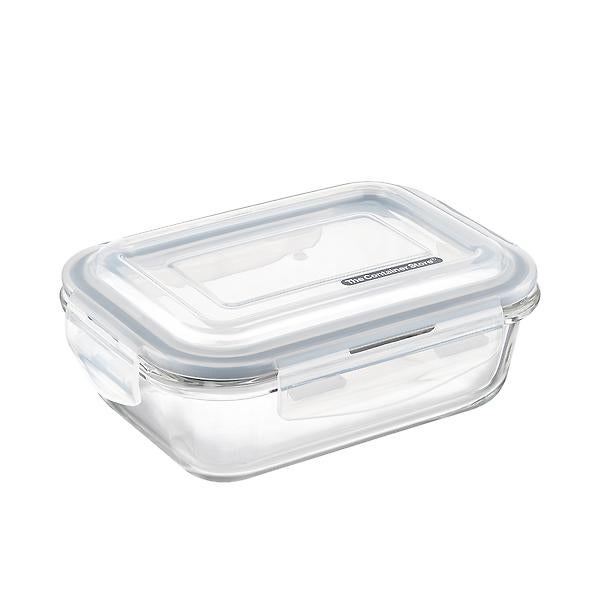
Have you ever wondered if your borosilicate glass dishes can go in the dishwasher? You’re not alone.
With its reputation for durability and resistance to thermal shock, borosilicate glass is a popular choice for everything from cookware to drinkware. But when it comes to cleaning, you might hesitate, questioning its ability to withstand the heat and pressure of a dishwasher cycle.
Imagine the convenience of effortlessly tossing your glassware into the dishwasher without a second thought. We’ll explore whether borosilicate glass is truly dishwasher safe, giving you peace of mind and more time to enjoy life’s little pleasures. Keep reading to uncover the facts and ensure your kitchen routine remains stress-free.

Credit: www.garboglass.com
Borosilicate Glass Basics
Borosilicate glass is a unique type of glass that stands out because of its durability and resistance to heat. If you’ve ever wondered why certain glassware feels sturdier or can handle sudden temperature changes, borosilicate glass might be the reason. Understanding its basics can help you decide if it’s the right choice for your kitchen and whether it’s safe to clean in your dishwasher.
Material Properties
Borosilicate glass contains silica and boron trioxide, giving it a very low coefficient of thermal expansion. This means it can handle rapid temperature changes without cracking or shattering.
It is more resistant to chemical corrosion and thermal shock compared to regular glass. This strength is why it’s often used in laboratory equipment and cookware.
Have you noticed how some glass containers don’t break when you pour boiling water in them? That’s the borosilicate glass at work.
Common Uses
Borosilicate glass is popular in both professional and home settings. You’ll find it in baking dishes, measuring cups, and even some high-quality drinkware.
It’s also widely used in scientific labs because it doesn’t react with most chemicals. This makes it perfect for beakers and test tubes.
Using borosilicate glass in your kitchen means you get durability and safety, but do you know how it handles everyday cleaning, especially in the dishwasher?

Credit: www.amazon.com
Dishwasher Safety Factors
Understanding the dishwasher safety of borosilicate glass involves several key factors. These factors affect how the glass handles cleaning cycles without damage. Each aspect determines the glass’s durability and lifespan in the dishwasher environment.
Heat Resistance
Borosilicate glass can withstand high temperatures without cracking. Its thermal shock resistance is much better than regular glass. Dishwashers use hot water and drying cycles that reach high heat. Borosilicate glass usually tolerates these temperatures well. This heat resistance helps prevent breakage during the wash cycle.
Chemical Durability
The glass resists many chemicals found in dishwashers. It does not easily react with strong detergents or rinse agents. This chemical durability keeps the glass clear and intact. It avoids cloudiness and surface damage that other glasses may suffer.
Impact Of Detergents
Dishwasher detergents contain strong cleaning agents. These can sometimes wear down glass surfaces over time. Borosilicate glass shows good resistance to detergent effects. Still, harsh or abrasive detergents may cause minor wear. Using mild detergents helps maintain the glass’s clarity and strength longer.
Borosilicate Glass In Dishwashers
Borosilicate glass is popular for its strength and heat resistance. Many wonder if it can go safely in dishwashers. Understanding how it reacts to dishwasher conditions helps protect your glassware.
This section covers key points about borosilicate glass in dishwashers. Learn what manufacturers say, the risks involved, and effects over time.
Manufacturer Recommendations
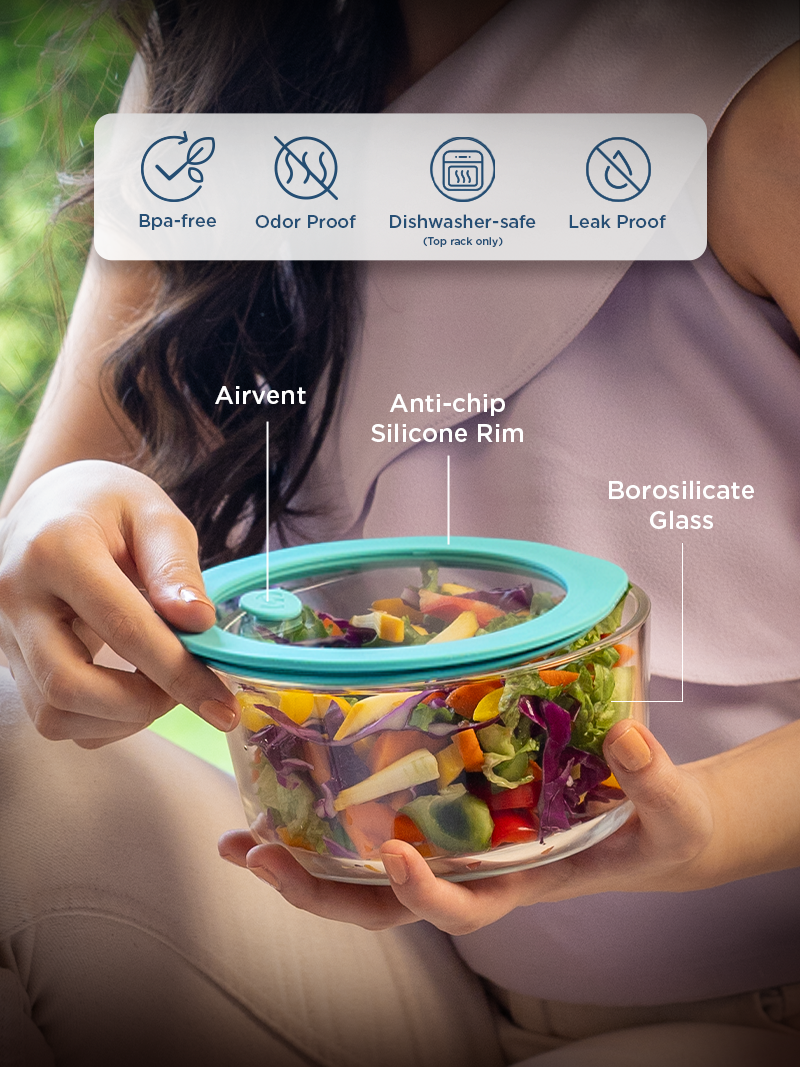
Most manufacturers say borosilicate glass is dishwasher safe. They design it to handle high temperatures and detergents. Some brands suggest placing items on the top rack only. This avoids direct contact with heating elements. Always check the product label or manual for specific advice.
Potential Risks
Dishwasher use may cause minor surface scratches on borosilicate glass. Harsh detergents can dull the glass finish. Sudden temperature changes could cause stress, leading to cracks. Avoid overloading the dishwasher to prevent banging or chipping. Using gentle cycles reduces these risks significantly.
Long-term Effects
Repeated dishwasher cleaning may slightly weaken borosilicate glass over years. The glass may lose some clarity or develop tiny cloudiness. Heat exposure can cause slow changes in strength but rarely causes breakage. Proper care and moderate dishwasher use keep the glass looking good longer.
Best Cleaning Practices
Keeping your borosilicate glass in top condition means understanding the best ways to clean it. Proper care not only maintains its clarity but also extends its life. Let’s explore some practical tips to help you clean your glassware safely and effectively.
Hand Washing Tips
Hand washing borosilicate glass can be surprisingly simple and effective. Use warm water with a mild dish soap to gently clean the surface. Avoid abrasive scrubbers; instead, opt for a soft sponge or cloth to prevent scratches.
If you notice stubborn stains or residue, soak the glass in warm soapy water for a few minutes before washing. This softens the grime and makes cleaning easier. Rinse thoroughly to remove any soap residue that might dull the glass.
Dishwasher Settings
Many wonder if their borosilicate glass can survive the dishwasher. The good news is that it usually can, but you need to be cautious with your settings. Choose a gentle or glassware cycle that uses lower temperatures and less intense water pressure.
Place your glassware securely in the dishwasher to avoid movement and potential chipping. Avoid overcrowding the rack; allow enough space for water to circulate freely. This helps maintain the pristine look and prevents accidental damage.
Avoiding Damage
Damage to borosilicate glass often happens when there is sudden temperature change. Never expose your glass to extreme heat right after it’s been cold, or vice versa. This thermal shock can cause cracking or shattering.
Use caution when stacking or storing your glass to prevent chips and cracks. Padding with cloth or keeping pieces separated can save you from costly replacements. Wouldn’t you rather spend a little time on care than lose your favorite glassware?
Extending Glass Lifespan
Extending the lifespan of borosilicate glass ensures you enjoy its benefits longer. Proper care helps avoid cracks, chips, and stains. Small habits protect the glass and keep it looking new.
Storage Advice
Store borosilicate glass in a dry, stable place. Avoid stacking heavy items on top to prevent cracks. Use padded dividers or cloth between pieces. Keep away from sudden temperature changes during storage.
Handling Precautions
Handle borosilicate glass gently and with clean hands. Avoid dropping or knocking it against hard surfaces. Do not expose it to rapid temperature shifts, such as moving from freezer to hot water. Use soft cloths for cleaning to prevent scratches.
Comparing Glass Types
Understanding the differences between various types of glass helps you make smarter choices for your kitchenware. Not all glass handles heat, cleaning, or impacts the same way. Comparing borosilicate and soda-lime glass reveals why one might be better suited for your dishwasher and daily use.
Borosilicate Vs. Soda-lime Glass
Borosilicate glass contains boron trioxide, which gives it a unique resistance to thermal shock. This means it can handle sudden temperature changes without cracking, making it popular for laboratory glassware and high-quality kitchen items.
Soda-lime glass is the most common glass type, used in windows, bottles, and many everyday dishes. It is cheaper to produce but less resistant to heat changes and mechanical stress than borosilicate.
Think about your own kitchen: have you ever noticed soda-lime glassware crack or cloud after a few dishwasher cycles? Borosilicate tends to maintain clarity and strength much longer under similar conditions.
Which Is More Durable?
Durability isn’t just about toughness; it’s also about how glass reacts to heat and cleaning agents in your dishwasher. Borosilicate excels here because it resists cracking and chemical damage better than soda-lime glass.
However, durability can depend on how you use and care for your glassware. Even borosilicate glass might get scratched or chipped if handled roughly.
Ask yourself: do you want glassware that lasts through years of dishwasher cycles and occasional kitchen accidents? If yes, borosilicate glass often proves to be the smarter investment.
Credit: www.glasafe.com
Frequently Asked Questions
Is Borosilicate Glass Safe For Dishwasher Cleaning?
Yes, borosilicate glass is generally safe for dishwasher cleaning. Its thermal resistance prevents damage from high temperatures. However, always check the manufacturer’s instructions to ensure proper care and avoid potential wear over time.
Can Dishwasher Heat Damage Borosilicate Glassware?
Dishwasher heat rarely damages borosilicate glass due to its high thermal tolerance. Still, avoid sudden temperature changes and use gentle cycles to maintain glass integrity and prolong its lifespan.
How To Clean Borosilicate Glass In A Dishwasher?
Place borosilicate glass securely on the top rack to prevent movement. Use mild detergents and avoid harsh chemicals. Select a gentle or glassware cycle to ensure safe, thorough cleaning without scratches or damage.
Does Dishwasher Detergent Affect Borosilicate Glass Quality?
Dishwasher detergents usually do not harm borosilicate glass. However, avoid abrasive or highly alkaline detergents, as they can dull the glass surface over time. Opt for mild, glass-friendly detergents for best results.
Conclusion
Borosilicate glass handles dishwasher cleaning well. It resists heat and sudden temperature changes. Still, avoid harsh detergents to keep it safe. Gentle cycles work best for longer use. This glass stays clear and strong after washing. Treat it with care, and it lasts long.
Dishwasher use is fine for daily cleaning. Simple steps help maintain its quality. You can enjoy borosilicate glass without worry. Safe, easy cleaning fits busy lifestyles perfectly.