Are you wondering if braided fishing line is the right choice for your next fishing trip? Choosing the best line can make a huge difference in your catch and overall experience.
Braided lines promise strength, sensitivity, and durability, but is it really better than other types? You’ll discover the key benefits and potential downsides of braided fishing line, helping you decide if it’s the perfect match for your fishing style. Keep reading to find out how this line could change the way you fish—and boost your success on the water.
Braided Line Basics
Braided fishing lines are popular among anglers. They are known for their strength and thin diameter.
These lines are made by weaving together multiple strands. This process gives them unique qualities.
Material And Construction
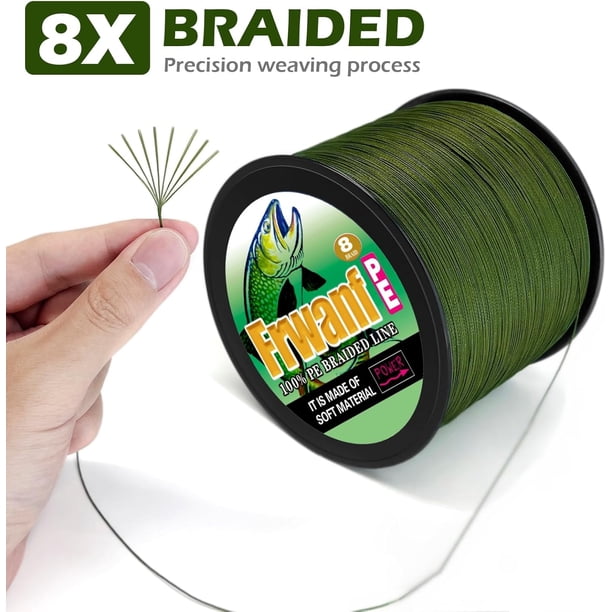
Braided lines are made from synthetic fibers. These fibers include Spectra and Dyneema.
The fibers are woven tightly together. This creates a strong and smooth line.
- High strength-to-diameter ratio
- Less stretch compared to other lines
- Resistant to abrasion
Strength And Durability
Braided fishing lines are very strong. They can handle heavy fish without breaking.
The durability of these lines is impressive. They last longer than many other types of lines.
- Can lift heavy loads
- Suitable for tough fishing conditions
- Long-lasting performance
Line Diameter And Sensitivity
Braided lines have a thin diameter. This allows them to cut through water easily.
The thinness makes them very sensitive. Anglers can feel even the smallest bites.
- Better casting distance
- Increased sensitivity to bites
- Less wind resistance
Advantages Of Braided Line
Braided fishing line is popular among anglers for many reasons. It offers unique benefits over other types of lines.
This article explains the main advantages of braided line and why some fishermen prefer it.
High Tensile Strength
Braided line has a strong tensile strength. This means it can hold a lot of weight without breaking.
It uses many thin fibers woven together. This makes the line tougher than monofilament or fluorocarbon lines.
Low Stretch For Better Hook Sets
Braided line stretches very little under tension. This helps anglers feel bites quickly.
Low stretch means the hook sets are sharper and more effective. Fish get hooked faster and harder.
Longer Casting Distance
Because braided line is thin and smooth, it moves through guides easily. This allows for longer casts.
Anglers can cast farther with less effort. This helps reach distant fish and cover more water.
Abrasion Resistance
Braided line resists damage from rough surfaces better than other lines. It can handle rocks, wood, and debris.
This durability means fewer line breaks during fishing. It helps anglers fish in tough environments with confidence.
Drawbacks Of Braided Line
Braided fishing line has many strengths but also some drawbacks. It is important to understand these before choosing your fishing gear.
This section explains the main disadvantages of using braided line for fishing.
Visibility In Water
Braided line is usually more visible in water than other lines like fluorocarbon or monofilament. This can scare fish away, especially in clear water.
Its bright colors make it easier for fish to detect, reducing your chances of a catch in some situations.
Handling And Knot Issues
Braided line is thin and slick, which can cause problems with tying knots. It can slip or come undone if knots are not tied properly.
- More difficult to handle, especially for beginners
- Requires special knots for secure holds
- Can fray or cut easily at knots
- May need extra care to avoid tangles
Cost Considerations
| Type of Line | Average Cost per Yard | Durability |
|---|---|---|
| Braided Line | $0.10 – $0.20 | High |
| Monofilament Line | $0.03 – $0.08 | Medium |
| Fluorocarbon Line | $0.06 – $0.12 | Medium-High |
Braided line is more expensive than many other lines. The higher price can be a factor for anglers on a budget.
Braided Vs Monofilament And Fluorocarbon
Choosing the right fishing line affects your catch and fishing experience. Braided, monofilament, and fluorocarbon lines each have unique traits.
This guide compares these lines to help you decide which fits your fishing style and conditions.
Performance Comparison
| Feature | Braided | Monofilament | Fluorocarbon |
|---|---|---|---|
| Strength | Very high for diameter | Moderate | High |
| Stretch | Very low | High | Low |
| Visibility | High (colored) | Medium (clear or colored) | Low (near invisible) |
| Durability | Good abrasion resistance | Moderate | Excellent abrasion resistance |
| Water Absorption | None | High (absorbs water) | Low |
Best Uses For Each Type
- Braided:Best for heavy cover and long casts.
- Monofilament:Good for beginners and topwater fishing.
- Fluorocarbon:Ideal for clear water and stealth fishing.
Braided line shines when strength and sensitivity matter. Monofilament suits flexible uses and easy handling. Fluorocarbon blends strength with invisibility.
Environmental Factors
Environmental conditions affect line choice:
- Sunlight and UV rays degrade monofilament faster.
- Saltwater causes more wear on monofilament and fluorocarbon.
- Braided lines resist water absorption and last longer in rough conditions.
- Fluorocarbon sinks faster, useful in deep or moving water.
Choosing The Right Braided Line
Picking the right braided fishing line helps you catch more fish. It also makes your fishing easier and more fun.
There are many types of braided lines. You should think about your fishing style and water conditions before buying one.
Pound Test And Line Diameter
The pound test shows how strong the line is. It tells you the weight the line can hold before breaking.
Line diameter is the thickness of the line. Thinner lines cast farther and are less visible in water.
- Choose a pound test based on the fish size you want to catch
- Thicker lines are stronger but may not cast as far
- Thinner lines work well in clear water and for long casts
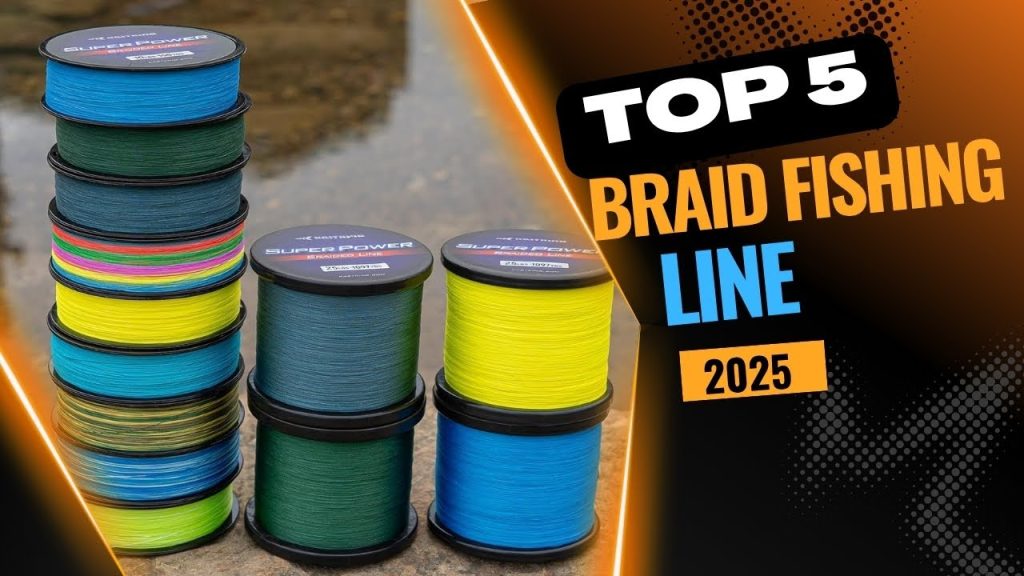
Color Options And Water Conditions
Braided lines come in many colors. The color affects how visible the line is to fish and to you.
Match the line color to the water to stay less visible. Use bright colors for deep or dark water to see the line better.
- Green and brown blend well in clear water
- Bright colors like yellow help track the line in deep water
- Use camo colors for fishing in weedy or rocky areas
Reel Compatibility
Check if the braided line fits your reel type. Some reels work better with certain line sizes and materials.
Using the right line keeps your reel working smoothly. It also helps avoid line tangles and breaks.
- Spinning reels often need thinner braided lines
- Baitcasting reels can handle thicker braided lines
- Check the reel’s line capacity for the correct line length

Credit: www.reddit.com
Tips For Using Braided Line
Braided fishing line is strong and sensitive. It works well in many fishing situations. Using it right helps you catch more fish and avoid problems.
Here are some tips to help you use braided line better. Learn about tying knots, stopping the line from slipping, and how to care for your line.
Knot Tying Techniques
Tying knots with braided line can be tricky. The line is slippery and thin. Use strong knots that hold well on this type of line.
- Try the Palomar knot. It is simple and very strong.
- Use the Double Uni knot for joining braided line to a leader.
- Wet the knot before tightening to reduce friction and damage.
- Pull the knot tight slowly and evenly for a secure hold.
- Trim the tag end close but leave a small tail to prevent slipping.
Preventing Line Slippage
Line slippage happens when the knot or the spool lets the line slip. This can cause lost fish or tangles. Use these tips to stop slippage.
| Cause | Solution |
| Loose knots | Retie with proper tension and knot type |
| Wrong spool tension | Adjust spool drag before casting |
| Incorrect knot for braided line | Use knots made for slick, thin lines |
| Old or damaged line | Replace line regularly |
Maintenance And Storage
Taking care of braided line keeps it strong and long-lasting. Proper storage stops knots and tangles. Follow these easy steps.
- Rinse the line with fresh water after saltwater fishing.
- Dry the line completely before storing it.
- Keep the line spool in a cool, dark place to avoid sun damage.
- Check the line often for nicks or frays and replace if needed.
- Loosen the line on the spool to reduce pressure and memory.
Popular Braided Line Brands
Choosing the right braided fishing line is key for a good fishing experience. Many brands offer different strengths, colors, and thicknesses.
This guide looks at some popular braided fishing line brands. It covers top-rated options, price versus performance, and user reviews.
Top Rated Options
Several brands stand out for quality and reliability. These brands have earned trust from anglers worldwide.
- PowerPro: Known for smooth casting and high strength.
- SpiderWire: Offers great sensitivity and durability.
- Berkley FireLine: Popular for abrasion resistance.
- Sufix 832: Combines strength with low stretch.
- Yo-Zuri: Favored for smoothness and color options.
Price Vs Performance
Price plays a big role in choosing a braided line. Some brands are more expensive but offer better features.
| Brand | Price Range | Key Feature |
| PowerPro | $$$ | High strength and smooth casting |
| SpiderWire | $$ | Good durability and sensitivity |
| Berkley FireLine | $$ | Excellent abrasion resistance |
| Sufix 832 | $$$ | Low stretch for better hook sets |
| Yo-Zuri | $$ | Color variety and smoothness |
User Reviews And Recommendations
Anglers share their experiences to help others pick the right line. Most users check for strength, durability, and ease of use.
- PowerPro users praise its long cast distance.
- SpiderWire is liked for its knot strength.
- Berkley FireLine gets good marks for resisting frays.
- Sufix 832 is recommended for heavy cover fishing.
- Yo-Zuri appeals to those who want bright, visible lines.

Credit: www.amazon.ca
Credit: www.walmart.ca
Frequently Asked Questions
What Are The Advantages Of Braided Fishing Line?
Braided fishing lines offer superior strength and durability. They have minimal stretch, improving sensitivity. Their thin diameter allows longer casts. Braided lines are resistant to abrasion, making them ideal for tough fishing conditions.
Is Braided Fishing Line Better Than Monofilament?
Braided lines outperform monofilament in strength and sensitivity. However, monofilament is more forgiving and less visible underwater. Braided lines are best for heavy cover or deep water. Choice depends on fishing style and target species.
How Long Does Braided Fishing Line Last?
Braided fishing lines last longer than monofilament. They resist UV damage and abrasion well. Proper storage and maintenance extend their lifespan. On average, braided line can last multiple fishing seasons without significant wear.
Can Braided Fishing Line Be Used For All Fish Types?
Braided line suits many fish types, especially large, strong species. Its strength and low stretch help with heavy cover. For smaller fish, lighter lines or fluorocarbon might be preferable. Always match line strength to your target fish.
Conclusion
Braided fishing line offers strong, thin, and sensitive performance. It casts farther and resists abrasion well. Anglers benefit from better hook sets with braided line. Yet, it may be harder to handle for beginners. Choosing depends on your fishing style and needs.
Try it to see if it suits you best. Fishing success often comes from using the right gear. Braided line can be a smart choice for many anglers.