If you’re serious about bass fishing, choosing the right line can make all the difference. You might have heard about braided line and wondered, “Is braided line good for bass fishing?” This question matters because your fishing line affects how you feel the bite, how strong your setup is, and ultimately, how many bass you catch.
You’ll discover the real benefits and possible downsides of using braided line for bass fishing. By the end, you’ll know if it’s the perfect match for your next fishing trip. Keep reading to find out!

Credit: www.reddit.com
Benefits Of Braided Line
Bass fishing needs the right line for success. Braided line is a popular choice for many anglers.
This line type offers several benefits that help catch more bass with ease and control.
Strength And Durability
Braided lines have high strength with a thin diameter. They resist abrasion and last longer on rough surfaces.
- Strong against sharp rocks and debris
- Less stretch means better hook sets
- Can handle heavy bass without breaking
- Resists UV damage better than many lines
Sensitivity And Bite Detection
Braided line transmits vibrations directly to the rod. Anglers can feel even the slightest bites quickly.
| Feature | Benefit for Bass Fishing |
| Low stretch | Better bite detection |
| High sensitivity | Quick response to fish movements |
| Strong knot strength | Reliable hook holds |
Casting Distance And Accuracy
Braided line allows longer casts with better accuracy. Its thin profile reduces air resistance and friction.
- Longer casts reach distant bass spots
- Accurate placement improves lure effectiveness
- Less line memory means smoother casting
- Works well in windy conditions
Drawbacks Of Braided Line
Braided fishing line offers strength and sensitivity. Still, it has some drawbacks for bass fishing. Knowing these helps anglers make better choices.
This section explains the main issues with braided line. We look at visibility, knot tying, and abrasion problems.
Visibility In Water
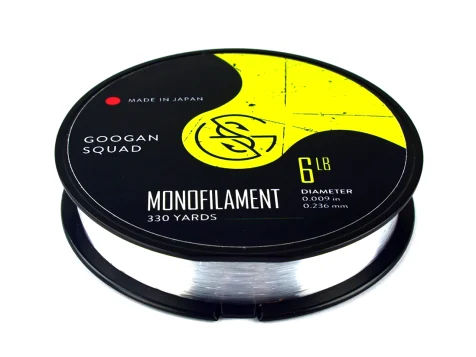
Braided line is usually very visible in clear water. This can scare bass away. Unlike fluorocarbon or monofilament, braid lacks natural water blending.
Anglers often use a leader to hide the braid from fish. Without it, line visibility can reduce catch rates.
Knot Tying Challenges
Tying knots with braided line can be tricky. Braided fibers are slippery and thin. This makes some knots less secure.
- Common knots like the Palomar can slip if not tied tightly.
- Extra wraps or special knots may be needed for strength.
- Incorrect knots can cause line breaks or lost fish.
Abrasion Concerns
Braid can wear quickly when rubbed against rough surfaces. Rocks, branches, and fish teeth cause cuts and frays.
| Surface Type | Abrasion Effect | Impact on Braided Line |
| Rocky Bottom | High | Line frays quickly, risking breaks |
| Wood or Branches | Medium | Slow wear, may weaken line |
| Fish Teeth | High | Cut line, lost catch risk |
Braided Line Vs Monofilament And Fluorocarbon
When fishing for bass, choosing the right line is important. Anglers often debate between braided, monofilament, and fluorocarbon lines.
Each type of line has its own strengths and weaknesses. Let’s explore how they compare in key areas.
Comparing Strength
Braided line is known for its high strength. It has a smaller diameter than monofilament and fluorocarbon, making it strong and durable.
- Braided: Strongest with a small diameter.
- Monofilament: Moderate strength, thicker.
- Fluorocarbon: Good strength, invisible underwater.
Stretch And Sensitivity
Stretch and sensitivity are important for detecting bites. Braided line has low stretch, offering high sensitivity. Monofilament has more stretch, which can absorb shocks.
| Line Type | Stretch | Sensitivity |
| Braided | Low | High |
| Monofilament | High | Low |
| Fluorocarbon | Moderate | Medium |
Cost And Longevity
The cost of fishing lines varies. Braided line is usually more expensive but lasts longer. Monofilament is cheaper but may need replacing more often.
Choosing The Right Braided Line For Bass
Bass fishing requires the right gear for success. Braided line is popular for its strength and sensitivity.
Picking the correct braided line can improve your catch rate and fishing experience.
Pound Test Selection
The pound test shows how much weight your line can hold before breaking. For bass, choose a line strong enough to handle big fish but thin enough for good casting.
- 10-20 lb test for small to medium bass
- 20-30 lb test for larger bass or heavy cover
- 30+ lb test for heavy structure or big bass
Line Diameter Considerations
Line diameter affects casting distance and reel capacity. Thinner lines cast farther and hold more line on the spool.
| Line Strength (lbs) | Approximate Diameter (inches) | Best Use |
| 10-15 | 0.10-0.12 | Open water, light cover |
| 15-25 | 0.12-0.15 | Mixed conditions |
| 25-40 | 0.15-0.20 | Heavy cover, big fish |
Color Options
Color helps with line visibility and stealth. Choose a color that fits your fishing environment and preferences.
- Green or moss for clear water and heavy vegetation
- Brown or tan for muddy or stained water
- Bright colors like yellow for easy line tracking
- Camouflage colors to reduce fish spooking
Techniques For Using Braided Line Effectively
Bass fishing with braided line can improve your catch rate. Using the right techniques helps you get the best results.
This guide shows you how to use braided line well for bass fishing. Learn about knots, leader setup, and casting tips.
Knots That Work Best
Braided line needs strong knots to hold tight. Some knots work better with braided line than others.
Try these knots for the best strength and reliability.
- Palomar Knot – Simple and very strong for braided line.
- Double Uni Knot – Great for joining braided line to leader.
- Improved Clinch Knot – Works well for tying hooks and lures.
- FG Knot – Ideal for connecting braided line to a fluorocarbon leader.
Leader Setup Tips
Using a leader with braided line protects against bass teeth and sharp structures. It also reduces line visibility.
Choose a leader that matches your fishing conditions and bass behavior.
- Use a fluorocarbon leader for clear water and shy fish.
- Match leader strength to your braided line’s strength.
- Keep leader length between 12 and 24 inches.
- Attach leader securely using strong knots like the FG knot.
Casting And Retrieval
Braided line is thin and strong, so it casts far and handles well. Adjust your casting and retrieval for best bass fishing results.
Use smooth casting and steady retrieval to keep control and feel the bass bite.
- Use a quality reel with a good drag system to handle braided line.
- Keep tension on the line during retrieval to detect bites quickly.
- Use slower retrieval speeds for deeper bass or heavy cover areas.
- Practice long casts to reach bass hiding spots far from shore.
Best Bass Fishing Situations For Braided Line
Bass fishing often needs strong and sensitive lines. Braided line stands out in many conditions. It offers durability and less stretch than other lines.
This guide shows where braided line works best. Learn about fishing in heavy cover, deep water, and topwater with jigs.
Fishing In Heavy Cover
Bass hide in thick weeds, brush, and timber. Braided line cuts through these obstacles well. It resists abrasion and holds strong against sharp edges.
- Braided line has high strength and low stretch.
- It helps pull bass out of heavy cover quickly.
- The thin diameter lets you spool more line.
- You feel every nibble and movement better.
Deep Water Bass Fishing
Deep water fishing demands strong line to handle pressure and big fish. Braided line is good for this because it has no stretch. This means you detect bites faster.
| Feature | Benefit for Deep Water |
| High strength | Handles heavy fish and big pulls |
| Low stretch | Improves bite sensitivity |
| Thin diameter | Allows more line on the reel |
| Abrasion resistance | Lasts longer near rocky bottoms |
Topwater And Jig Fishing
Topwater and jig fishing needs quick hook sets and good feel. Braided line transfers energy fast. This helps you set the hook firmly and react to strikes.
Advantages of braided line for these techniques:
- Sharp hook sets due to no stretch
- Better lure control and movement
- Strong and durable for aggressive bass
- Works well with fluorocarbon leaders
Maintenance And Care Of Braided Line
Braided fishing lines last long if you take good care of them. Proper maintenance keeps the line strong and reliable. This helps you catch more bass without line failure.
Regular checks and correct storage protect the line from damage. Also, replacing worn parts avoids fishing problems. Let’s look at how to keep your braided line in top shape.
Checking For Wear
Look closely at your braided line before each fishing trip. Check for frays, cuts, or areas that look thin. These weak spots can break under pressure.
- Run the line through your fingers to feel rough spots
- Look for discoloration or damage near knots
- Check the line near the rod guides for abrasion
Proper Storage
Store your braided line in a cool, dry place away from sunlight. Heat and UV rays can weaken the fibers over time. Keep the line on the spool to avoid tangles.
| Storage Tip | Why It Helps |
|---|---|
| Keep line dry | Prevents mold and mildew growth |
| Avoid direct sunlight | Protects from UV damage |
| Use sealed containers | Keeps dirt and dust away |
Replacing Line
Replace your braided line regularly to maintain strength. Old or damaged lines reduce your chances of landing big bass. Follow these signs to know when to replace.
- Frequent breaks or fraying during fishing
- Visible damage after a strong fish fight
- Line age over one year without replacement
- Loss of smoothness and flexibility
Credit: www.mossyoak.com

Credit: mysterytacklebox.com
Frequently Asked Questions
What Are The Benefits Of Using Braided Line For Bass Fishing?
Braided line offers high strength with a thin diameter, improving casting distance and sensitivity. It resists abrasion well, ideal for bass habitats with cover like weeds and rocks.
How Does Braided Line Compare To Monofilament For Bass Fishing?
Braided line is stronger and more sensitive than monofilament. It has less stretch, providing better hook sets. However, it is more visible and may require a fluorocarbon leader.
Can Braided Line Improve Bass Hook Sets?
Yes, braided line’s low stretch transmits bites quickly, allowing faster and more secure hook sets. This sensitivity helps in detecting subtle bass strikes.
Is Braided Line Suitable For All Bass Fishing Techniques?
Braided line works well for many techniques, especially heavy cover fishing and flipping. For finesse tactics, anglers often pair it with a leader for better invisibility.
Conclusion
Braided line offers strong strength and excellent sensitivity for bass fishing. It allows anglers to feel even the smallest bites. The thin diameter helps cast farther and reduces line stretch. This line works well in heavy cover and rough water.
It lasts longer and resists abrasions better than other lines. Choosing braided line can improve your bass fishing experience. Try it out and see how it performs on your next trip. Simple, reliable, and effective—braided line is a solid choice.