Have you ever wondered what happens if someone damages your car on purpose? Car vandalism can be frustrating and costly.
You might be asking yourself, “Is car vandalism covered by insurance? ” Knowing the answer can save you from unexpected expenses and stress. You’ll discover exactly how insurance handles vandalism, what steps you need to take if it happens to you, and how to protect your vehicle better.
Keep reading to find out how to turn a tough situation into a manageable one.

Credit: www.youtube.com
Types Of Car Vandalism
Car vandalism includes many ways people damage vehicles on purpose. Knowing the types helps you understand if insurance covers the damage.
Vandalism can range from minor scratches to serious destruction. Each type affects your car differently.
Common Vandalism Acts
People harm cars in different ways. Some acts are more common than others. These acts often include:
- Scratching or keying the paint
- Breaking windows or mirrors
- Slashing tires
- Spray painting graffiti
- Removing parts or accessories
These actions damage the car’s look and function. Some acts cause small repairs, while others need full replacements.
Severity Levels
Vandalism damage varies in severity. Insurance may cover some levels but not all. Here is a simple table showing damage types and severity:
| Damage Type | Severity | Repair Effort |
|---|---|---|
| Paint scratches | Low | Minor touch-up |
| Broken windows | Medium | Glass replacement |
| Slashed tires | Medium | Tire replacement |
| Graffiti | Low to Medium | Cleaning or repainting |
| Removed parts | High | Parts replacement |
| Severe body damage | High | Bodywork repair |

Credit: ca.news.yahoo.com
Insurance Coverage Basics
Car vandalism means someone damages your vehicle on purpose. This can include broken windows, scratches, or dents.
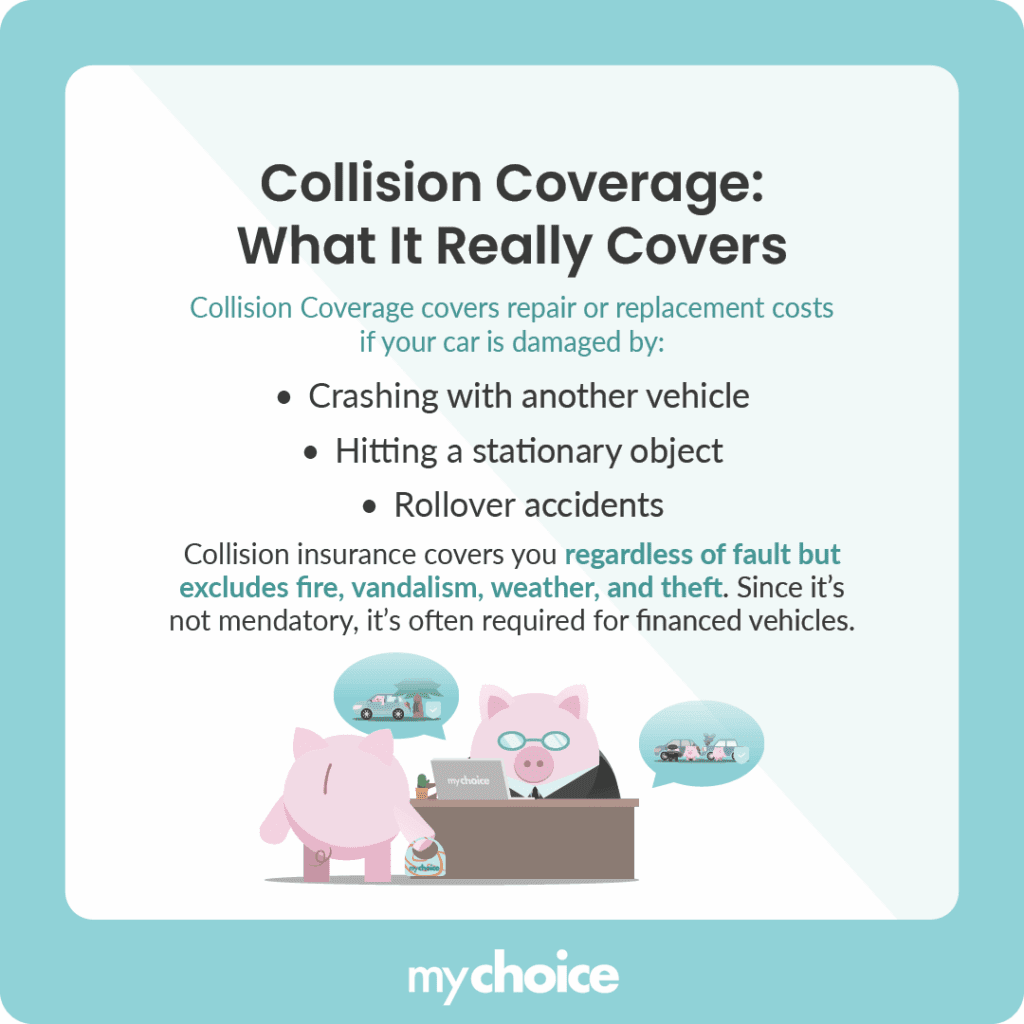
Not all insurance policies cover vandalism. It depends on the type of coverage you have.
Comprehensive Coverage Role
Comprehensive coverage helps protect your car from vandalism. It pays for damages caused by things other than accidents.
This coverage usually pays for repairs if your car is scratched or windows are broken. It also covers theft and natural disasters.
Exclusions To Watch
Some policies exclude certain types of vandalism or damage. You should read your policy carefully to know what is not covered.
- Damage from vandalism during illegal acts may not be covered
- Wear and tear or mechanical damage is usually excluded
- Some policies require a deductible payment before coverage starts
- Intentional damage by the owner is never covered
Filing A Vandalism Claim
Car vandalism can cause damage to your vehicle. You may wonder if insurance covers the cost.
Filing a claim helps you get money to repair the damage. It is important to know the right steps.
Steps To Take After Damage
Check your car carefully for any damage. Take photos of all the vandalism you find.
Report the damage to the police. Get a copy of the police report for your records.
Contact your insurance company as soon as possible. Tell them about the vandalism and provide details.
- Inspect your vehicle and take photos
- Call the police and file a report
- Contact your insurance company
- Follow instructions from your insurer
Documentation Needed
Keep all documents related to the vandalism. This includes the police report and photos of the damage.
Save repair estimates or bills from the mechanic. Your insurance company will need these to process your claim.
- Police report copy
- Photos of the damaged areas
- Repair estimates or invoices
- Insurance policy details
- Any witness statements, if available
Factors Affecting Claim Approval
Car vandalism claims depend on various factors. Understanding these can help you know what to expect.
Insurance companies review your policy details and the claim circumstances before approval.
Policy Terms
Your insurance policy spells out what types of vandalism are covered. Some policies exclude certain damages.
- Check if vandalism is listed as a covered peril.
- Review any exclusions related to intentional damage.
- Confirm if your policy requires police reports for claims.
- Understand the time frame to file a claim after the incident.
Deductibles And Limits
Your claim approval depends on the deductible and coverage limits. These affect how much the insurer pays.
| Term | Description | Effect on Claim |
| Deductible | The amount you pay before insurance pays | Higher deductibles mean lower payouts |
| Coverage Limit | Maximum amount insurer will pay for damage | Claims above limit may be denied or partially paid |
| Claim Filing Deadline | Time allowed to report damage after incident | Late claims may be rejected |
Preventing Car Vandalism
Car vandalism causes damage and costs money to fix. Taking steps to prevent it can save you stress and expenses.
Simple actions can reduce the chance of your car being targeted. Learn how to protect your vehicle effectively.
Security Measures
Use security tools to keep your car safe. Alarms and cameras make vandals think twice before acting.
Good lighting and locks add extra layers of protection. These tools help stop damage before it happens.
- Install a car alarm system
- Use steering wheel locks
- Park near security cameras
- Keep your car well-lit at night
Parking Tips
Where you park affects the safety of your car. Choose spots that lower the risk of vandalism.
Busy, public areas with lots of people are safer than isolated spots. Always look for secure parking places.
- Park in well-lit areas
- Choose busy streets or lots
- Avoid dark and quiet places
- Use garages when possible
When Insurance Doesn’t Cover Vandalism
Car vandalism can cause serious damage and stress. Many people assume insurance will pay for all damages. That is not always true.
Some insurance policies have limits or exclusions. You need to know when your coverage stops. This helps avoid surprises after vandalism happens.
Common Policy Gaps
Some policies do not cover vandalism if certain conditions apply. For example, if your policy only covers collision or liability, vandalism may be excluded.
- Vandalism not covered under liability-only insurance
- Damage under deductible amount
- Vandalism during illegal activities
- Damage caused by family members or household residents
- Incidents that happen outside the policy’s coverage area
- Failure to report the incident within the required time
Alternative Solutions
If your policy does not cover vandalism, you can consider other options. Some may help protect your car or recover costs.
| Solution | Description | Benefit |
| Comprehensive Insurance | Includes vandalism damage coverage | Covers repairs without extra claims |
| Security Devices | Install cameras or alarms on your car | Discourages vandals and records evidence |
| Legal Action | File police reports and sue vandals if caught | May recover damage costs |
| Community Watch | Join local groups to watch for suspicious activity | Helps prevent vandalism in your area |

Credit: globalnews.ca
Frequently Asked Questions
Is Car Vandalism Covered By Standard Insurance Policies?
Standard auto insurance often covers vandalism under comprehensive coverage. However, liability or collision coverage usually does not include vandalism damage. Check your policy details to confirm if vandalism is covered.
How Do I File A Claim For Car Vandalism Damage?
Report the vandalism to the police and get a report. Then, contact your insurance company to file a claim with the police report and photos of damage.
Does Insurance Cover Vandalism If No Suspect Is Found?
Yes, insurance typically covers vandalism even without identifying the vandal. Your claim depends on your policy’s comprehensive coverage, not on catching the culprit.
Will Filing A Vandalism Claim Raise My Insurance Premium?
Filing a vandalism claim may increase your premium, but it varies by insurer. Frequent claims typically lead to higher rates, so weigh costs before claiming.
Conclusion
Understanding car vandalism insurance is crucial for peace of mind. Check your policy details. Coverage can vary significantly. Contact your insurance company for clarity. Filing a claim might affect your premium. Weigh the pros and cons carefully. Consider comprehensive coverage for better protection.
Protecting your vehicle is important. Keeping informed helps you make wise decisions. Always stay updated on your policy. Adjust as needed to suit your situation. Preparedness and knowledge are key in managing risks. Feel confident in your insurance choices. Your vehicle deserves the best protection possible.
Make informed decisions for a worry-free drive.