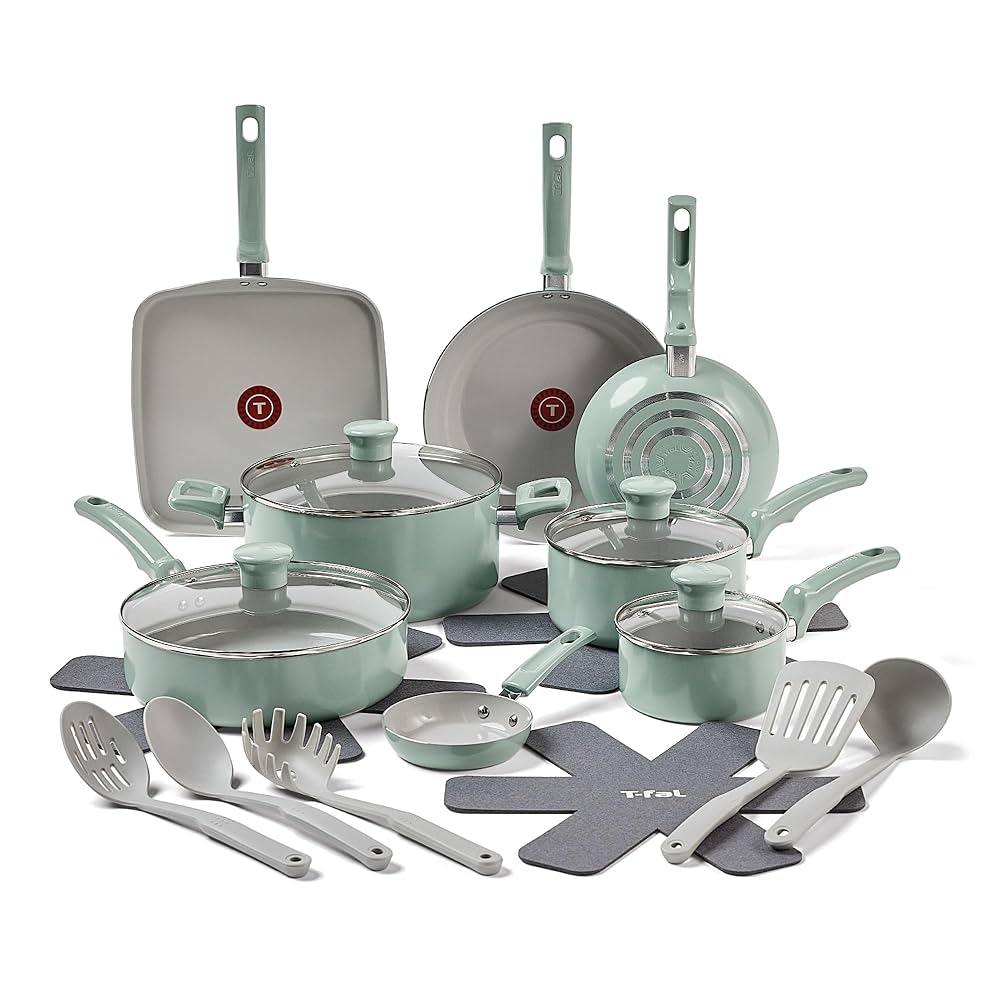
Are you tired of scrubbing stubborn food off your pans? You’ve probably heard that ceramic cookware is a great nonstick option, but is it really?
If you want to cook with less oil and clean up faster, understanding whether ceramic cookware truly lives up to the nonstick promise is key. Keep reading to find out how ceramic pans work, what makes them different, and whether they’re the right choice for your kitchen.
Your next meal might just be easier to make—and clean—than you ever imagined.
What Makes Cookware Nonstick
Nonstick cookware helps food cook without sticking to the pan. It makes cooking and cleaning easier. The key is in the pan’s surface coating.
Nonstick coatings create a smooth layer that stops food from clinging. These coatings reduce the need for oil or butter.
Types Of Nonstick Coatings
There are several types of nonstick coatings. Each uses different materials to stop food from sticking.
- PTFE Coating: Made from a chemical called polytetrafluoroethylene. It is very smooth and popular in many pans.
- Ceramic Coating: Made from a silica-based gel. It forms a hard, smooth surface that is often free of chemicals.
- Anodized Aluminum: Aluminum treated with an electric process. It creates a hard surface that can resist sticking.
- Silicone Coating: A flexible, heat-resistant layer used in some bakeware.
How Nonstick Surfaces Work
Nonstick surfaces work by creating a barrier between food and the pan. This barrier is very smooth and slippery.
The smooth surface lowers friction. Food slides off easily without breaking apart. This also helps reduce the need for extra fats.
- The coating fills tiny holes on the pan’s surface.
- This stops food particles from getting trapped.
- The smooth layer resists heat damage and scratches.
- Some coatings also repel water and oils, helping food release.
Ceramic Cookware Features
Ceramic cookware is popular for many kitchens. It offers a different cooking experience compared to metal pans.
This cookware type is known for its unique material and smooth surface. These features affect how food cooks and sticks.
Material Composition
Ceramic cookware usually has a metal base coated with a ceramic layer. The ceramic is made from natural minerals.
- The base is often aluminum or stainless steel for even heat.
- The ceramic coating is free of PTFE and PFOA chemicals.
- This makes it safer and less toxic than some nonstick options.
- The coating is hard but can chip if handled roughly.
Surface Texture And Finish
The surface of ceramic cookware is smooth and glossy. This finish helps food slide off easily.
| Feature | Benefit |
| Smooth surface | Reduces food sticking |
| Glossy finish | Easy to clean |
| Non-toxic coating | Safe for cooking |
| Durable layer | Lasts with gentle use |
Nonstick Properties Of Ceramic Cookware
Ceramic cookware is popular for its smooth surface. Many people wonder if it really is nonstick.
This type of cookware uses a ceramic coating to prevent food from sticking. Let’s explore how well it works.
Initial Nonstick Performance
When new, ceramic cookware offers good nonstick properties. Food slides easily on its smooth surface.
The coating is free from chemicals like PTFE and PFOA. This makes it safer for cooking at low to medium heat.
- Food releases easily without much oil
- Surface feels smooth and slick
- Good for eggs, pancakes, and stir-fry
Durability Over Time
Ceramic coatings tend to lose their nonstick quality with use. Scratches and heat can wear down the surface.
To keep nonstick performance longer, avoid metal utensils and high heat. Gentle cleaning helps preserve the coating.
- Nonstick effect fades after many uses
- Avoid sharp tools to prevent scratches
- Hand wash with soft sponges only
- Use low to medium heat for cooking
Credit: misen.com
Comparing Ceramic To Traditional Nonstick
Ceramic and traditional nonstick cookware both aim to prevent food from sticking. They help cook food evenly and make cleaning easier. Understanding their differences can help you choose the right cookware.
This article compares ceramic and traditional nonstick pans by looking at their effectiveness and health safety.
Effectiveness And Ease Of Use
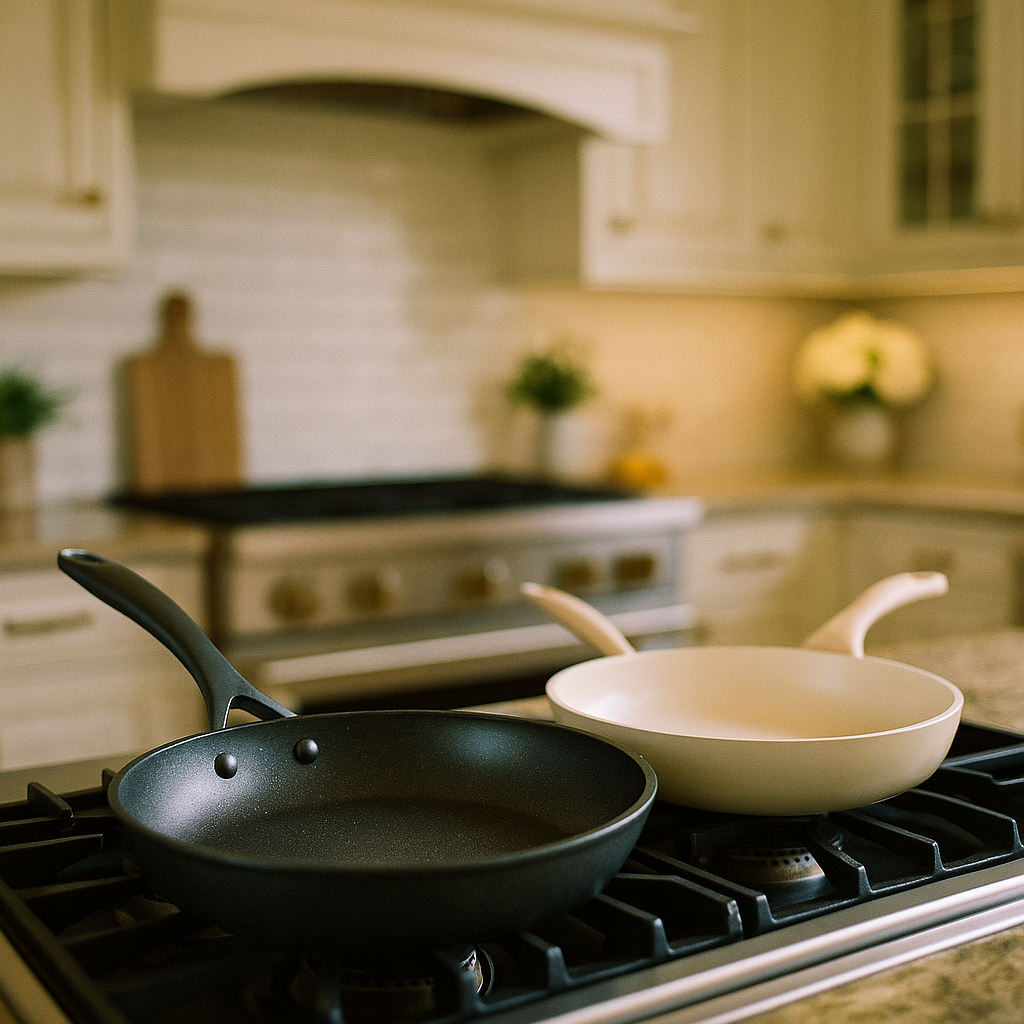
Ceramic cookware uses a solid ceramic layer to create a smooth cooking surface. Traditional nonstick pans use a coating called PTFE. Both prevent food from sticking but work differently.
- Ceramic pans handle higher heat without damage.
- Traditional nonstick pans lose their coating faster at high heat.
- Ceramic surfaces may require more oil or butter to cook food smoothly.
- Traditional nonstick pans often need less oil for cooking.
- Ceramic pans can be more fragile and prone to chipping.
- Traditional nonstick pans are usually lighter and easier to handle.
Health And Safety Considerations
Both types of cookware aim to be safe for daily use. But their materials and coatings affect safety in different ways.
| Aspect | Ceramic Cookware | Traditional Nonstick Cookware |
| Coating Material | Natural ceramic, free from PTFE and PFOA | PTFE (polytetrafluoroethylene), may contain PFOA in older versions |
| Heat Resistance | Can handle higher temperatures safely | Can release fumes if overheated above 500°F (260°C) |
| Nonstick Safety | Generally safe, but surface can wear off over time | Safe if used properly, avoid overheating and scratching |
| Environmental Impact | More eco-friendly with natural materials | Concerns over chemical coatings and manufacturing |
Maintenance Tips For Ceramic Cookware
Caring for ceramic cookware helps keep its nonstick surface. Proper maintenance extends its life and improves cooking results.
Simple cleaning and use habits protect the ceramic coating. Follow these tips to enjoy your cookware longer.
Cleaning Best Practices
Clean ceramic cookware gently to avoid damage. Use warm water and mild dish soap for washing.
Avoid harsh scrubbers or steel wool. Soft sponges or cloths work best to keep the surface smooth.
- Let cookware cool before cleaning
- Wash with mild soap and warm water
- Use soft sponges or cloths only
- Rinse thoroughly to remove soap
- Dry with a soft towel to prevent water spots
Extending Nonstick Life
Use low to medium heat to protect the ceramic coating. High heat can cause the surface to wear faster.
Cook with wooden, silicone, or plastic utensils. Metal tools can scratch and damage the nonstick layer.
- Do not overheat empty cookware
- Use gentle cooking oils like olive or vegetable oil
- Avoid cooking sprays that build residue
- Store cookware carefully to prevent scratches
- Check cookware regularly for chips or cracks

Credit: www.amazon.ca
Common Misconceptions About Ceramic Cookware
Ceramic cookware has become popular for its clean look and easy use. Many people think ceramic cookware is always nonstick. This is not always true.
Let’s clear up some common wrong ideas about ceramic cookware. Knowing the facts helps you choose better pots and pans.
All Ceramic Cookware Is Nonstick
Not all ceramic cookware has a nonstick surface. Some ceramic pots have a hard, smooth surface but it can still stick.
True ceramic nonstick pans have a special ceramic coating. Without this coating, food may stick more during cooking.
Ceramic Nonstick Lasts Forever
Ceramic coatings wear out over time. They are not as long-lasting as some metal or traditional nonstick coatings.
Using metal utensils or high heat can damage the ceramic surface, making it less nonstick.
Ceramic Cookware Is Scratch-proof
Ceramic cookware is not completely scratch-proof. It is more delicate than stainless steel or cast iron.
To keep ceramic pots in good shape, use wooden or silicone tools and avoid abrasive cleaners.
Ceramic Cookware Heats Like Metal Pans
Ceramic cookware often heats differently than metal pans. It may take longer to heat up and cool down.
This difference can affect cooking times and how food cooks on the surface.
Ceramic Cookware Is Always Safe For High Heat
Ceramic coatings can break down if used at very high temperatures. They are best for low to medium heat cooking.
Using high heat often reduces the life of the ceramic surface and may release unwanted fumes.
Choosing The Right Ceramic Cookware
Ceramic cookware is popular for its nonstick surface and even heat. Choosing the right one can make cooking easier and safer.
It is important to know what features to look for and which brands offer good quality at fair prices.
What To Look For
Check the coating thickness and material quality. Thick ceramic layers last longer and resist scratches.
- Look for PFOA and PTFE free labels for safer cooking
- Choose cookware with good heat distribution
- Pick pieces with sturdy, heat-resistant handles
- Check if the cookware is dishwasher safe for easy cleaning
Brands And Price Points
Different brands offer ceramic cookware in various price ranges. Quality and durability often match the price.
| Brand | Price Range | Key Features |
| Brand A | $30 – $60 | Basic ceramic coating, good for beginners |
| Brand B | $60 – $100 | Thicker coating, better heat retention |
| Brand C | $100+ | Premium materials, long-lasting, dishwasher safe |

Credit: www.amazon.ca
Frequently Asked Questions
Is Ceramic Cookware Naturally Nonstick?
Ceramic cookware has a naturally nonstick surface due to its smooth finish. It’s free from toxic coatings like Teflon. While it offers nonstick qualities, using a little oil can enhance its performance. Over time, the nonstick properties might reduce, requiring proper maintenance for longevity.
How Do You Maintain Ceramic Cookware?
To maintain ceramic cookware, avoid using metal utensils that can scratch the surface. Clean with a soft sponge and mild detergent. Avoid high heat which can degrade its nonstick properties. Storing properly by using protective layers between stacked items can extend its lifespan.
Are Ceramic Pans Safe For All Stovetops?
Ceramic pans are generally safe for most stovetops, including gas, electric, and glass. However, they might not be suitable for induction stovetops unless designed for it. Always check manufacturer instructions to ensure compatibility with your stovetop. Proper usage ensures optimal performance and safety.
Does Ceramic Cookware Require Seasoning?
Ceramic cookware typically doesn’t require seasoning like cast iron. However, using a small amount of oil during cooking can enhance its nonstick properties. This practice also helps in maintaining the cookware’s surface. Regular care ensures the cookware remains effective and extends its lifespan.
Conclusion
Ceramic cookware offers a smooth surface that helps food slide off easily. It is mostly nonstick but may need some oil for best results. Over time, the coating can wear down if not cared for properly. Using gentle utensils and cleaning softly keeps it lasting longer.
Ceramic pans provide a healthier cooking option without harsh chemicals. Many cooks enjoy its even heat and easy cleanup. Choosing ceramic means balancing care with convenience in the kitchen. It suits those who want simple, mostly nonstick cooking tools.