Are you tired of your non-stick pans losing their magic after a few uses? Choosing the right cookware can make a huge difference in your kitchen.
You’ve probably heard about ceramic and Teflon coatings, but which one really deserves a spot on your stove? If you want cookware that lasts, cooks evenly, and keeps your food from sticking, it’s important to know the facts. Keep reading to discover whether ceramic non-stick is truly better than Teflon and which option suits your cooking style best.
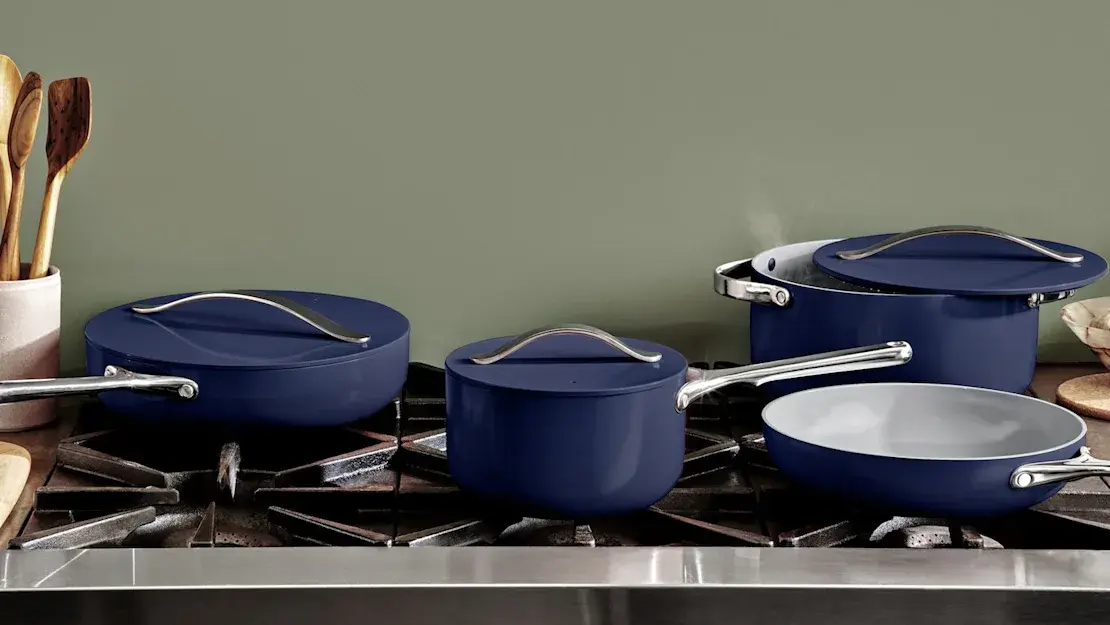
Credit: www.carawayhome.com
Ceramic And Teflon Basics
Ceramic and Teflon are popular non-stick coatings for cookware. Both help cook food without sticking.
They differ in material, coating method, and common uses. Knowing their basics helps choose the right one.
Material Composition
Ceramic coating is made from a silica-based gel. It forms a hard layer on cookware.
Teflon is a brand name for polytetrafluoroethylene (PTFE). It is a synthetic fluoropolymer.
- Ceramic: Natural minerals and silica
- Teflon: Synthetic chemical called PTFE
- Ceramic is free from PTFE and PFOA chemicals
- Teflon may contain small amounts of PFOA in older products
Coating Process
Ceramic coating is applied as a liquid and then baked at high heat. This creates a solid surface.
Teflon coating is sprayed or rolled on and then cured under heat to bond to the pan.
| Coating Type | Application Method | Heat Setting |
| Ceramic | Liquid layer applied | High temperature baking |
| Teflon | Spray or roll application | Heat curing at medium-high heat |
Common Uses
Both coatings appear in home kitchens. Each suits different cooking needs.
- Ceramic pans are good for medium heat cooking.
- Teflon pans work well for low to medium heat tasks.
- Ceramic is often used in bakeware and frying pans.
- Teflon is common in skillets, saucepans, and egg pans.
- Both are easy to clean and reduce oil usage.
Non-stick Performance
Choosing between ceramic and Teflon non-stick pans depends on how well they perform. Non-stick performance affects cooking ease and food release.
This article looks at cooking efficiency, durability over time, and heat resistance of ceramic and Teflon coatings.
Cooking Efficiency
Ceramic pans heat up quickly and distribute heat evenly. Teflon pans also heat fast but may have hot spots.
- Ceramic surfaces require less oil for cooking.
- Teflon pans release food easily, reducing sticking.
- Ceramic can handle higher cooking temperatures.
- Teflon performs best at medium heat.
Durability Over Time
Ceramic coatings tend to lose their non-stick quality after months of use. Teflon coatings can last longer if not scratched.
| Feature | Ceramic | Teflon |
| Coating Lifespan | 6 to 12 months | 1 to 3 years |
| Scratch Resistance | Moderate | Low |
| Maintenance | Gentle cleaning | Avoid metal utensils |
Heat Resistance
Ceramic handles higher heat without damage. Teflon can release fumes if overheated above safe temperatures.
Heat limits for each type:
- Ceramic:Up to 450°F (232°C)
- Teflon:Up to 350°F (177°C)
Health And Safety
Ceramic and Teflon coatings are common in non-stick cookware. Choosing the safer option matters for your health. This article explores health and safety issues of both types.
Understanding the differences helps you make informed decisions. We look at chemical safety, risks, and environmental effects of ceramic and Teflon coatings.
Chemical Safety
Ceramic coatings are made from natural minerals. They do not release harmful chemicals when heated. Teflon contains PTFE, a synthetic chemical.
- Ceramic is free from PFOA and PFAS chemicals.
- Teflon may release toxic fumes if overheated above 500°F (260°C).
- Ceramic coatings are less likely to degrade with use.
- Teflon coatings can wear down, exposing the base metal.
Potential Risks
Both coatings have risks if used incorrectly. Overheating Teflon can cause flu-like symptoms in humans. Ceramic coatings are safer but can chip.
| Risk Type | Ceramic | Teflon |
| Overheating | Low risk, may crack | High risk, releases toxic fumes |
| Durability | Can chip or scratch | Coating may peel over time |
| Health Effects | No toxic fumes | Possible respiratory issues |
Environmental Impact
Ceramic coatings are more eco-friendly. They use less harmful chemicals and break down naturally. Teflon production involves toxic chemicals.
Environmental facts about coatings:
- Ceramic coatings have lower carbon footprint.
- Teflon manufacturing releases greenhouse gases.
- Disposal of Teflon products can pollute soil and water.
- Ceramic products are often biodegradable or recyclable.
:max_bytes(150000):strip_icc()/sea-kyocera-ceramic-nonstick-frying-pan-ashlee-redger-01-5056104f479c4f5eaf2bf8dddfdb666e.jpeg)
Credit: www.seriouseats.com
Maintenance And Care
Caring for ceramic and Teflon non-stick pans helps keep them working well. Proper maintenance extends their life and saves money.
Both types need gentle cleaning and careful use. Good habits prevent scratches and other damage.
Cleaning Tips
Clean your pans after each use to stop food buildup. Use soft sponges or cloths to protect the surface.
Avoid harsh cleaners or steel wool. These can scratch the coating and reduce the pan’s life.
- Wash with warm, soapy water
- Use soft sponges only
- Rinse and dry immediately
- Do not soak for long periods
Avoiding Damage
Use wooden, silicone, or plastic utensils. Metal tools can scratch ceramic and Teflon coatings.
Do not overheat empty pans. High heat can damage the non-stick surface and release harmful fumes.
- Never use metal utensils
- Cook on low to medium heat
- Avoid sudden temperature changes
- Do not use cooking sprays often
Longevity Practices
Store pans carefully to avoid scratches. Stack them with a soft cloth or paper towel between pans.
Check the pan regularly for chips or peeling. Replace pans if the coating starts to wear off for safety.
- Stack pans with protection in between
- Do not use damaged pans
- Season ceramic pans if recommended
- Follow manufacturer care instructions
Cost And Availability
Choosing between ceramic non-stick and Teflon cookware depends on price and how easy they are to find. Both types offer benefits but differ in cost and market presence.
This section explains the price differences, market options, and value for money for ceramic and Teflon coatings.
Price Comparison
Ceramic non-stick pans usually cost more upfront than Teflon pans. The price varies by brand and size, but ceramic coatings tend to have a higher starting price.
| Cookware Type | Average Price Range |
| Ceramic Non-Stick | $30 – $100 |
| Teflon Non-Stick | $20 – $70 |
Market Options
Teflon-coated pans are widely available in many stores and online shops. Ceramic pans are growing in popularity but might not be as common in all markets.
- Teflon pans found in most supermarkets and kitchen shops
- Ceramic pans available mainly in specialty stores and online
- More brands offer Teflon pans, giving more choices
- Ceramic options often focus on eco-friendly and health-conscious buyers
Value For Money
Both ceramic and Teflon pans offer value depending on how you use them. Ceramic pans often last longer if cared for properly. Teflon pans are usually cheaper but may wear out faster.
- Ceramic pans resist scratching and can handle higher heat
- Teflon pans require gentle use to avoid coating damage
- Ceramic pans may save money over time due to durability
- Teflon pans are affordable and easy to replace
User Experiences
Many people use ceramic and Teflon non-stick pans in their kitchens. Each type has its own fans and critics. Users share their thoughts on which one works better for them.
Let’s look at what customers say, common problems they face, and which option they prefer.
Customer Reviews
Users praise ceramic pans for their natural coating and easy cleaning. Many like that ceramic does not release fumes when heated. Some find ceramic pans last long without scratching.
Teflon pans get good marks for smooth cooking and easy food release. Many users say Teflon is lighter and heats evenly. People like that food slides off easily with Teflon.
- Ceramic pans feel safer for health-conscious users
- Teflon pans are favored for quick cooking and less oil
- Both types get good ratings for non-stick performance
Common Complaints
Some users say ceramic pans lose their non-stick power after a few months. They also mention ceramic coatings can chip or crack easily. Cleaning with rough tools can harm ceramic surfaces.
Teflon pans can scratch if metal utensils are used. Scratches reduce non-stick ability and may cause flaking. Some users worry about chemicals released if Teflon overheats.
- Ceramic pans may wear out faster with heavy use
- Teflon pans need gentle care to avoid damage
- Both types require careful cleaning and use
Preferred Choices
Many users pick ceramic pans for health reasons and natural feel. They like that ceramic does not contain PTFE or PFOA. Some chefs choose ceramic for slow, gentle cooking.
Others prefer Teflon for fast cooking and easy food release. Teflon suits busy people who want quick meals. Some cooks like Teflon for frying and searing.
- Ceramic is popular with those who avoid chemicals
- Teflon is chosen for convenience and speed
- Choice depends on cooking style and care habits
:max_bytes(150000):strip_icc()/sea-kyocera-ceramic-nonstick-frying-pan-ashlee-redger-02-d95740220a4b47c7af8384b77714fc28.jpeg)
Credit: www.seriouseats.com
Frequently Asked Questions
Is Ceramic Non Stick Safer Than Teflon Cookware?
Ceramic non stick cookware is generally considered safer. It contains no PTFE or PFOA chemicals found in some Teflon brands. Ceramic coatings are free from toxic fumes when overheated, making them a healthier choice for everyday cooking.
Does Ceramic Non Stick Last Longer Than Teflon?
Ceramic non stick coatings tend to wear out faster than high-quality Teflon. However, ceramic is more scratch-resistant initially. Proper care can extend the lifespan of both, but Teflon usually offers longer durability under heavy use.
Which Heats Better: Ceramic Non Stick Or Teflon?
Teflon coatings generally heat more evenly and quickly than ceramic. Ceramic cookware may have hot spots if the base isn’t well designed. For consistent cooking, Teflon often provides better heat distribution.
Can I Use Metal Utensils On Ceramic Non Stick?
It’s best to avoid metal utensils on ceramic non stick surfaces. Metal can scratch and damage the coating, reducing its effectiveness. Use wooden, silicone, or plastic utensils to preserve the ceramic layer.
Conclusion
Choosing between ceramic and Teflon depends on your cooking needs. Ceramic pans heat quickly and are free from harmful chemicals. Teflon pans offer excellent non-stick performance but may wear out faster. Both have pros and cons to consider. Think about how often you cook and what you cook most.
A good pan lasts longer with proper care. Decide which features matter most to you. Either way, a quality pan makes cooking easier and cleanup faster. Take your time to pick the right one for your kitchen.