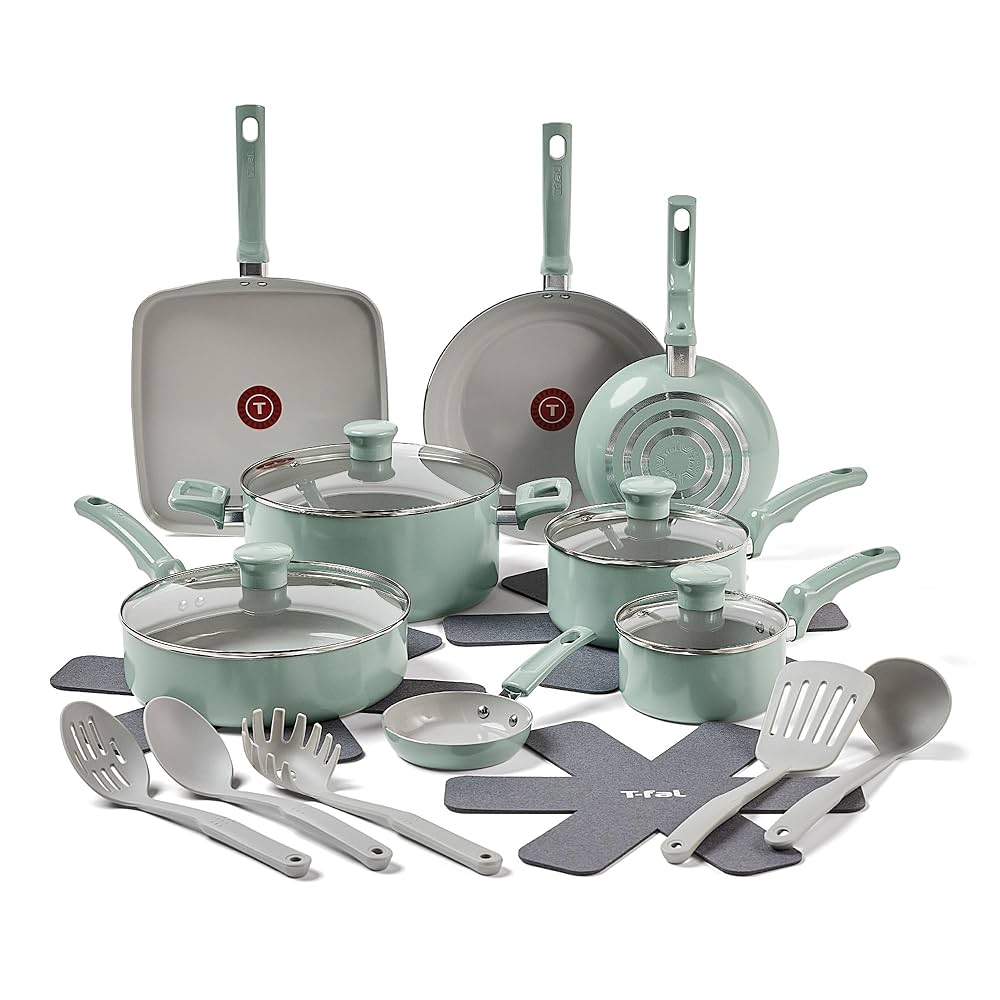
Is ceramic nonstick cookware really as good as it sounds? If you’ve been thinking about upgrading your kitchen tools, you might be wondering if ceramic nonstick pans are the right choice for you.
You want something that’s easy to clean, safe for your health, and durable enough to last. But with so many options and opinions out there, it’s hard to know what’s true. Keep reading, and you’ll discover the real benefits and possible downsides of ceramic nonstick.
By the end, you’ll feel confident about whether this cookware fits your cooking style and your needs.

Credit: www.amazon.ca
What Is Ceramic Nonstick?
Ceramic nonstick is a type of cookware coating. It helps food not stick to the pan during cooking.
This coating is different from traditional nonstick coatings. It is made with natural materials.
Material Composition
Ceramic nonstick coatings are made from a silica-based gel. Silica comes from sand and minerals.
The coating often includes other natural elements. These make the surface smooth and safe for cooking.
- Silica (main ingredient)
- Natural minerals
- Water-based binders
- No PTFE or PFOA chemicals
How It Works
The ceramic coating creates a smooth layer on the pan. This layer stops food from sticking.
The surface is very hard and heat resistant. It helps cook food evenly and cleans easily.
- Heat spreads evenly on the ceramic surface
- Food slides off without sticking
- Easy to clean with mild soap and water
- Durable but needs gentle care to last
Benefits Of Ceramic Nonstick Cookware
Ceramic nonstick cookware is popular in many kitchens. It offers many benefits that make cooking easier and safer.
This type of cookware uses a ceramic coating that does not stick to food. It is different from traditional nonstick pans.
Health And Safety
Ceramic nonstick cookware does not use harmful chemicals like PFOA or PTFE. These chemicals can release toxins when heated.
The ceramic coating is made from natural materials. It is free from metals and toxins that can affect your health.
Ease Of Cleaning
The smooth ceramic surface makes cleaning very simple. Food particles do not stick, so washing is fast and easy.
- Use warm water and mild soap
- Avoid abrasive scrubbers to protect the coating
- Clean right after cooking for best results
- Most ceramic pans are dishwasher safe
Durability And Scratch Resistance
Ceramic coatings are harder than traditional nonstick layers. They resist scratches better from utensils.
| Feature | Ceramic Nonstick | Traditional Nonstick |
| Scratch Resistance | High | Medium |
| Lifespan | Longer | Shorter |
| Heat Resistance | Up to 450°F | Up to 350°F |
Potential Drawbacks To Consider
Ceramic nonstick cookware looks great and feels easy to use. It has gained popularity as a safer alternative to traditional coatings. Still, some drawbacks come with ceramic nonstick surfaces.
Knowing these issues helps you decide if ceramic nonstick is right for your kitchen. Pay attention to its limits and how it compares to other options.
Heat Tolerance
Ceramic nonstick pans usually have lower heat limits than metal pans. They can lose their coating if heated too much. High heat can cause the ceramic layer to crack or wear off.
It is best to use medium or low heat settings. Avoid empty heating because the coating may get damaged. Overheating shortens the life of ceramic cookware.
- Most ceramic pans tolerate up to 450°F (232°C)
- Heat beyond this can harm the nonstick surface
- Use moderate heat for cooking and reheating
Wear Over Time
Ceramic coatings start smooth but can wear down after months of use. Scratches and chips may appear, especially with metal utensils. This wear reduces the nonstick effect.
Proper care can slow wear, but ceramic pans usually need replacement sooner than some other types. Avoid abrasive scrubbers and sharp tools to keep the surface intact.
- Use wooden or silicone utensils to avoid scratching
- Hand wash with gentle sponges, not steel wool
- Expect coating to degrade with heavy, daily use
Comparisons With Traditional Nonstick
Traditional nonstick pans use PTFE coatings like Teflon. These coatings handle higher heat better than ceramic ones. They also last longer under proper care.
Ceramic nonstick is free from chemicals found in some traditional coatings. This appeals to some users. Still, ceramic surfaces may lose nonstick power faster than PTFE coatings.
| Feature | Ceramic Nonstick | Traditional Nonstick (PTFE) |
|---|---|---|
| Heat Tolerance | Lower, around 450°F (232°C) | Higher, up to 500°F (260°C) or more |
| Durability | Wears faster, coating can chip | More durable, lasts longer with care |
| Toxic Chemicals | Free of PTFE and PFOA | Contains PTFE; PFOA mostly phased out |
| Nonstick Performance | Good initially, declines faster | Strong and consistent for longer |
Safe Cooking Practices With Ceramic Nonstick
Ceramic nonstick cookware is popular for healthy cooking. It lets you cook with less oil and clean easily.
To keep your ceramic nonstick pans safe and lasting longer, follow some simple cooking tips.
Recommended Utensils
Use the right utensils to avoid scratching the ceramic surface. Avoid metal tools that can damage the coating.
- Wooden spoons and spatulas
- Silicone or rubber utensils
- Plastic tools designed for nonstick cookware
These utensils keep your pans smooth and prevent peeling or chipping of the ceramic layer.
Temperature Guidelines
Cook ceramic nonstick pans on low to medium heat. High heat can break down the coating and shorten the pan’s life.
- Do not preheat empty pans on high heat
- Use medium heat for most cooking tasks
- Turn off heat soon after cooking to avoid overheating
Following these temperature tips helps keep ceramic coatings safe and prevents harmful fumes.
Cleaning Tips
Clean ceramic nonstick pans gently to protect the surface. Avoid harsh scrubbing or strong cleaning chemicals.
- Use soft sponges or cloths for washing
- Wash with warm, soapy water after each use
- Avoid abrasive pads or steel wool
- Do not use strong chemical cleaners or bleach
Proper cleaning keeps your ceramic pans smooth and safe for cooking every day.
Environmental Impact
Ceramic nonstick cookware offers a different environmental footprint than traditional options. Understanding this impact helps us make better choices for our planet.
This section explores the eco-friendliness of ceramic materials and their lifespan related to waste generation.
Eco-friendliness Of Materials
Ceramic coatings are made from natural minerals like sand and silica. They do not contain harmful chemicals such as PTFE or PFOA. This reduces toxic emissions during production and use.
- Made from abundant natural minerals
- Free of toxic chemicals and heavy metals
- Lower risk of pollution during manufacturing
- Safe for recycling and disposal
Longevity And Waste
Ceramic nonstick pans last well but can wear out faster than metal pans. Proper care extends their life, reducing waste. When disposed, ceramic parts break down more easily than plastic coatings.
| Factor | Ceramic Nonstick | Traditional Nonstick |
| Lifespan | 3-5 years | 5-10 years |
| Disposal Impact | Biodegradable components | Non-biodegradable plastics |
| Recyclability | Partially recyclable | Hard to recycle |
Popular Ceramic Nonstick Brands
Ceramic nonstick cookware is popular for its easy cleaning and healthy cooking. Many brands offer ceramic pans with different features and prices.
Choosing the right brand helps you get good quality and durability. Here, we look at some popular ceramic nonstick brands.
Top-rated Options
Brands like GreenPan, Caraway, and T-fal are known for their ceramic nonstick cookware. They use safe materials and strong coatings.
- GreenPan:Uses Thermolon ceramic coating, free of PFAS and PFOA.
- Caraway:Focuses on non-toxic ceramic with stylish designs.
- T-fal:Offers affordable ceramic pans with good heat distribution.
- WearEver:Provides durable ceramic cookware at reasonable prices.
- Bialetti:Known for classic designs and ceramic nonstick options.
Price Vs. Quality
Price often reflects ceramic cookware quality. Higher-priced brands usually last longer and perform better.
Mid-range brands offer good quality without a high cost. Budget options may wear out faster but work well for light use.
| Brand | Price Range | Quality | Best For |
|---|---|---|---|
| GreenPan | High | Excellent | Long-term use, healthy cooking |
| Caraway | High | Excellent | Stylish kitchens, non-toxic |
| T-fal | Mid | Good | Daily cooking, budget-friendly |
| WearEver | Mid | Good | Durable, moderate use |
| Bialetti | Low to Mid | Fair | Casual use, classic style |
Alternatives To Ceramic Nonstick
Ceramic nonstick pans are popular for cooking. Some people want other options that last longer or use different materials.
Here are some good alternatives to ceramic nonstick cookware. Each type has its own benefits and uses.
Cast Iron And Stainless Steel
Cast iron pans heat evenly and hold heat well. They can last for many years if taken care of properly.
Stainless steel pans are strong and do not react with food. They work well for searing and browning.
- Cast iron needs seasoning to keep food from sticking
- Stainless steel may require more oil to prevent sticking
- Both types can handle high heat without damage
- They are safe to use with metal utensils
Traditional Ptfe Coatings
PTFE coatings, often called Teflon, offer a smooth nonstick surface. They are widely used in many kitchens.
Modern PTFE coatings are safer than older versions. They work well for cooking with less oil and easy cleanup.
- Do not overheat PTFE pans to avoid damage
- Use soft utensils to protect the coating
- They are lightweight and heat quickly
- Good for low to medium heat cooking
Other Eco-friendly Options
Some eco-friendly pans use materials like carbon steel or anodized aluminum. These options focus on durability and safety.
Natural nonstick surfaces also come from using proper cooking techniques. Less oil and good heat control help reduce sticking.
- Carbon steel pans are light and heat fast
- Anodized aluminum is harder and resists scratches
- Both need seasoning for best nonstick results
- These options reduce chemicals in cookware
:max_bytes(150000):strip_icc()/sea-kyocera-ceramic-nonstick-frying-pan-ashlee-redger-10-e75cc6d2f22c42498d6fd9c2a18893b1.jpeg)
Credit: www.seriouseats.com

Credit: nymag.com
Frequently Asked Questions
What Is Ceramic Nonstick Cookware?
Ceramic nonstick cookware is made with a ceramic coating that prevents food from sticking. It offers a healthier cooking option as it typically doesn’t contain PTFE or PFOA. Ceramic nonstick is environmentally friendly and easy to clean, making it a popular choice for home cooks seeking convenience and safety.
Is Ceramic Nonstick Safe For Health?
Yes, ceramic nonstick cookware is considered safe for health. It is free from harmful chemicals like PTFE and PFOA. The ceramic coating ensures that food doesn’t stick, reducing the need for excess oil. This makes it a healthier choice compared to traditional nonstick options.
How Durable Is Ceramic Nonstick?
Ceramic nonstick is moderately durable but requires proper care. Avoid using metal utensils to prevent scratching. Hand washing is recommended to maintain the coating’s longevity. With good care, ceramic nonstick cookware can last several years, offering excellent cooking performance and nonstick properties.
Can Ceramic Nonstick Be Used On High Heat?
It’s best to avoid using ceramic nonstick on high heat. High temperatures can damage the coating and reduce its nonstick effectiveness. Instead, use medium to low heat settings for optimal cooking results. This not only preserves the cookware’s lifespan but also enhances cooking performance.
Conclusion
Ceramic nonstick cookware offers a safe and easy cooking option. It heats evenly and cleans quickly. Ceramic coatings usually contain no harmful chemicals. This makes them a good choice for health-conscious cooks. Still, these pans need careful use to last longer.
Avoid metal utensils and harsh scrubbing. With proper care, ceramic nonstick pans work well daily. They balance convenience and safety in the kitchen. Choosing the right pan depends on your cooking style. Ceramic nonstick remains a popular choice for many home cooks.