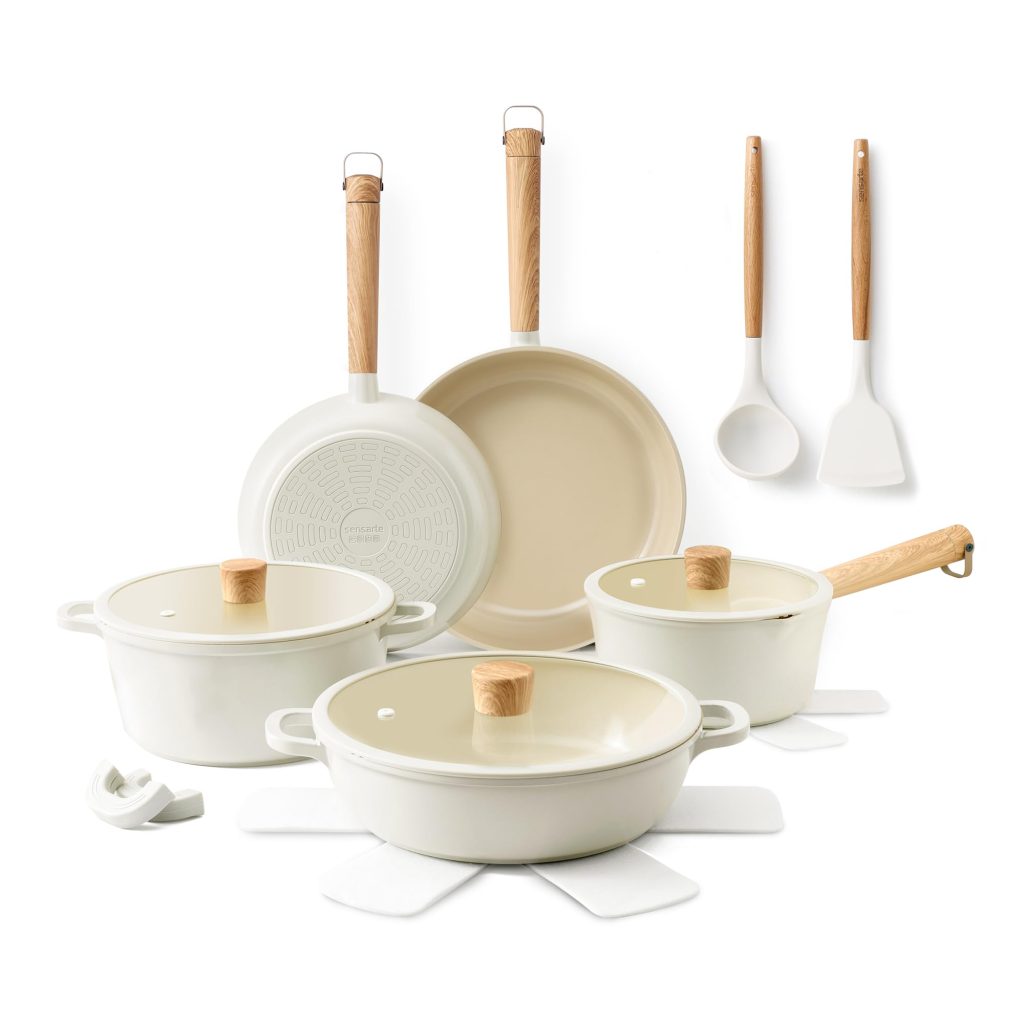
Are you wondering if ceramic cookware is truly the safest choice for your kitchen? When it comes to preparing meals for yourself and your loved ones, safety is a top priority.
You want cookware that won’t release harmful chemicals or damage your health. But with so many options out there, how can you be sure ceramic is the right pick? Keep reading to discover what makes ceramic cookware stand out—and if it really lives up to its safe reputation.
Your next meal could depend on what you choose to cook with.
Ceramic Cookware Basics
Ceramic cookware is popular for cooking healthy meals. It uses ceramic material that is non-toxic and safe.
This type of cookware heats food evenly and does not release harmful chemicals when heated.
Materials And Construction
Ceramic cookware often has a metal base coated with a ceramic layer. The ceramic is made from natural minerals.
The ceramic coating is smooth and hard. It prevents food from sticking without using harmful chemicals.
- Metal base provides strength and heat conduction
- Ceramic coating offers a non-stick surface
- Made from natural minerals like silica and oxygen
- Free from PTFE and PFOA chemicals
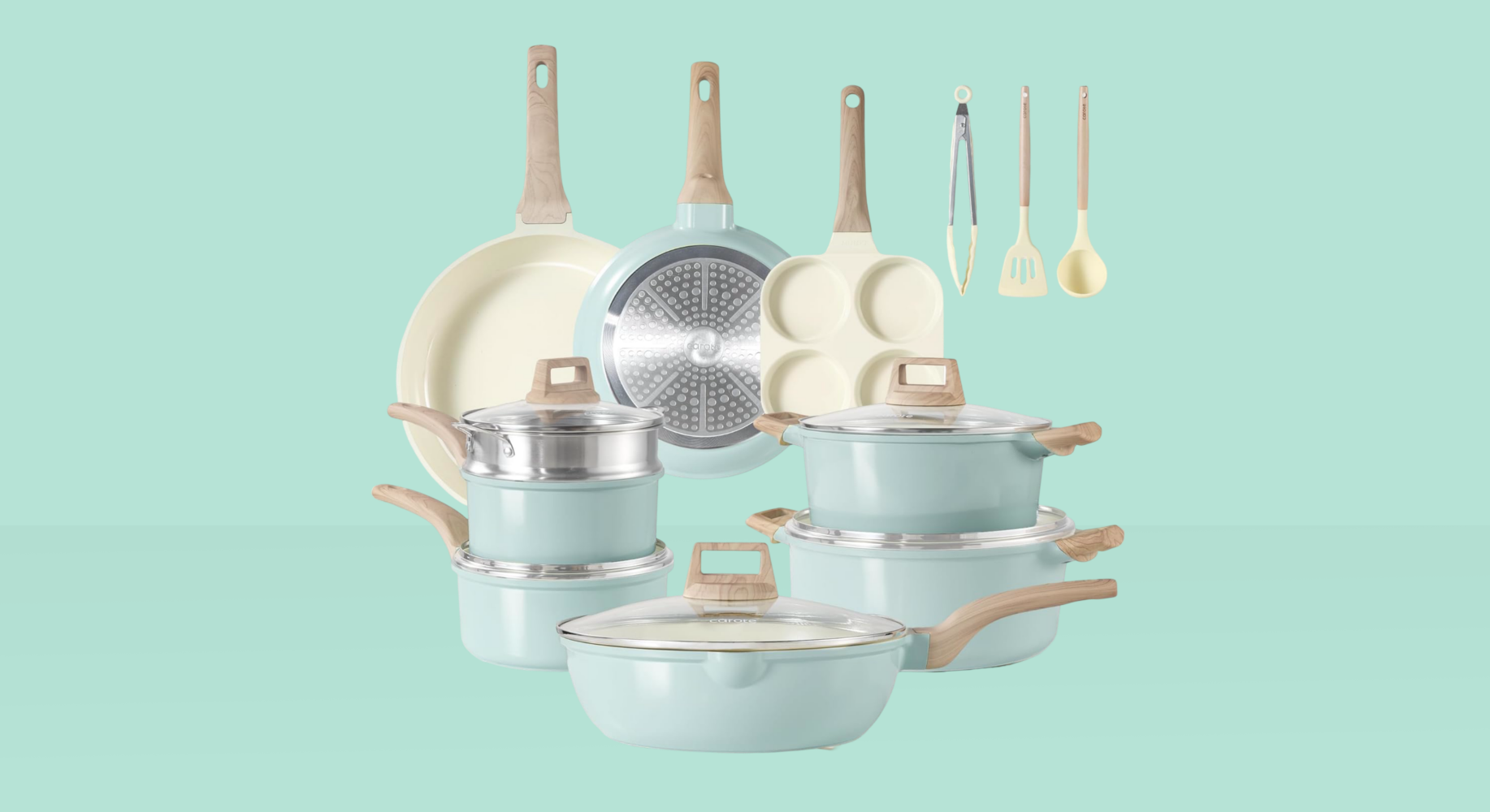
Types Of Ceramic Cookware
There are different types of ceramic cookware. Each type suits different cooking needs.
Some are fully ceramic, while others have a ceramic coating on metal.
- Fully ceramic pots and pans: made entirely from ceramic material
- Ceramic-coated cookware: metal base with ceramic non-stick surface
- Clay ceramic cookware: traditional, porous, good for slow cooking
- Enamel-coated ceramic: ceramic with a glass-like coating for durability
Credit: mountaineerjournal.com
Health Benefits Of Ceramic Cookware
Ceramic cookware is popular for its safe cooking surface. Many people want to know if it is healthy to use. This article explains the health benefits of ceramic cookware.
Using the right cookware helps keep your food pure and free from harmful substances. Ceramic cookware offers several advantages for health-conscious cooks.
Non-toxic Cooking Surface
Ceramic cookware has a non-toxic surface that does not release dangerous chemicals. It is made from natural materials like clay and minerals. This makes it safe for cooking at various temperatures.
- Does not leach metals into food
- Resists scratches and damage
- Easy to clean without harsh chemicals
- Maintains food flavor and quality
No Harmful Chemicals
Ceramic cookware does not contain harmful chemicals like PFOA, PTFE, or lead. These chemicals can be found in some non-stick pans and may harm health. Using ceramic means avoiding toxic substances during cooking.
| Chemical | Common Source | Health Risk |
| PFOA | Some non-stick coatings | Hormone disruption |
| PTFE | Non-stick pans | Respiratory issues |
| Lead | Low-quality ceramics | Neurological damage |
| Ceramic Cookware | Natural materials | No known risks |
Reduced Risk Of Allergies
Ceramic cookware is hypoallergenic and safe for people with sensitive skin or allergies. It does not release fumes or particles that can trigger reactions. This makes it a good choice for allergy sufferers.
- No chemical fumes during cooking
- Easy to clean, reducing dust and residues
- Does not cause skin irritation
- Safe for all types of food preparation
Comparing Ceramic With Other Cookware
Ceramic cookware has grown popular for its clean cooking surface. Many wonder if it is safer than other options. This article compares ceramic to common cookware types.
We will look at ceramic versus non-stick, stainless steel, and cast iron. This helps you choose the safest cookware for your kitchen.
Ceramic Vs. Non-stick
Ceramic cookware uses a natural coating made from sand and minerals. Non-stick pans often have a synthetic coating like Teflon. Some non-stick coatings release fumes if overheated.
Ceramic pans stay safe at higher temperatures. They do not release harmful chemicals. Non-stick pans can lose their coating and become less safe over time.
- Ceramic is free of PTFE and PFOA chemicals
- Non-stick may release toxic fumes if overheated
- Ceramic coating can wear out faster with rough use
- Both require careful cleaning to last longer
Ceramic Vs. Stainless Steel
Stainless steel is strong and durable. It does not have a coating like ceramic. This means it will not peel or chip. Stainless steel can stick to food more easily.
Ceramic cookware offers a smoother surface for cooking. It can reduce the need for oil or butter. Stainless steel heats evenly but may cause food to stick if not used properly.
- Stainless steel is scratch-resistant and long-lasting
- Ceramic is non-stick but less durable than steel
- Both do not release harmful chemicals when heated
- Stainless steel needs more oil to prevent sticking
Ceramic Vs. Cast Iron
Cast iron is heavy and holds heat well. It needs seasoning to keep food from sticking. Ceramic cookware is lighter and easier to clean.
Cast iron can leach small amounts of iron into food, which can be good for some people. Ceramic does not add minerals to food. Both types last long with proper care.
- Cast iron requires regular seasoning to stay non-stick
- Ceramic is naturally non-stick without seasoning
- Cast iron adds iron to food, ceramic does not
- Ceramic is lighter and easier to handle than cast iron
Durability And Care
Ceramic cookware is popular for its non-toxic surface and cooking performance. Its durability depends on proper care and handling.
Taking good care helps keep ceramic pots and pans safe and long-lasting in your kitchen.
Cleaning Tips
Clean ceramic cookware gently to avoid scratches and damage. Use mild soap and soft sponges for washing.
Do not use steel wool or harsh cleaning tools. Let the cookware cool before cleaning to prevent cracking.
- Use warm water and mild dish soap
- Clean with soft sponges or cloths only
- Avoid abrasive scrubbers or steel wool
- Cool cookware before washing
Preventing Damage
Protect ceramic cookware from sudden temperature changes. Avoid dropping or banging it against hard surfaces.
Use wooden or silicone utensils to prevent scratching the ceramic surface. Avoid metal tools that can wear off the coating.
- Do not heat empty cookware
- Use low to medium heat settings
- Handle with care to avoid chips
- Use non-metal utensils only
Longevity Of Ceramic Cookware
Ceramic cookware can last many years if cared for properly. Its surface stays smooth and safe for cooking.
Regular cleaning and gentle use extend the life of ceramic pots and pans. Avoid harsh chemicals and rough handling.
- Clean after each use to prevent buildup
- Store carefully to avoid scratches
- Replace if surface becomes chipped or cracked
- Follow manufacturer care instructions
Potential Drawbacks To Consider
Ceramic cookware is popular for its clean look and non-stick surface. It seems safe, but some problems exist.
Knowing these issues helps you decide if ceramic suits your cooking needs.
Chipping And Cracking
Ceramic coatings are delicate and can chip or crack if dropped or hit hard. This damage may expose the metal underneath.
- Use wooden or silicone utensils to avoid scratches.
- Do not drop or bang cookware against hard surfaces.
- Avoid sudden temperature changes to prevent cracks.
Heat Distribution Issues
Ceramic cookware may not spread heat evenly. Hot spots can cause food to burn or cook unevenly.
| Cookware Type | Heat Distribution | Cooking Result |
| Ceramic | Often uneven | Possible hot spots and burnt food |
| Cast Iron | Very even | Consistent cooking |
| Stainless Steel | Good with layered base | Generally even |

Credit: www.youtube.com
Choosing The Right Ceramic Cookware
Ceramic cookware offers a safe and non-toxic option for cooking. It uses a ceramic coating to prevent food from sticking.
Choosing the right ceramic cookware means checking its quality and balancing price with performance. This guide helps you make a smart choice.
Quality Indicators
Look for ceramic cookware with a thick and even coating. This helps prevent chipping and ensures durability.
- Check if the cookware is free from harmful chemicals like PFOA and PTFE.
- Choose brands that use high-quality ceramic glaze for better heat distribution.
- Inspect the cookware’s base for good weight and balance.
- Read reviews to confirm the coating lasts long without peeling.
Price Vs. Performance
High price does not always mean better performance. Some affordable ceramic cookware offers good safety and durability.
| Price Range | Expected Features | Durability |
| Low ($) | Basic coating, lightweight | Short-term use |
| Medium ($$) | Thicker coating, better heat spread | Lasts several years |
| High ($$$) | Premium materials, heavy base | Long-lasting and chip resistant |

Credit: www.amazon.com
Frequently Asked Questions
Is Ceramic Cookware Safe For Health?
Yes, ceramic cookware is generally considered safe for health. It is free from harmful chemicals like PFOA and PTFE. Ceramic provides a non-stick surface without releasing toxins, making it a healthy choice. Always ensure the ceramic is lead-free for added safety.
How Durable Is Ceramic Cookware?
Ceramic cookware is reasonably durable but requires careful handling. It can chip or crack if dropped. While it withstands high temperatures, using metal utensils can scratch its surface. Proper care, like using wooden or silicone utensils, can extend its lifespan significantly.
Does Ceramic Cookware Contain Harmful Chemicals?
Ceramic cookware is free from harmful chemicals like PFOA, PTFE, and lead. It uses a non-toxic glaze for a smooth finish. Always choose high-quality ceramic to ensure it is genuinely free from dangerous substances. This makes it a safer option for cooking.
Is Ceramic Cookware Non-stick?
Yes, ceramic cookware is naturally non-stick due to its smooth surface. It allows easy food release without additional oils. However, over time, the non-stick properties may diminish. Proper maintenance, like avoiding abrasive cleaners, can help retain its non-stick performance longer.
Conclusion
Ceramic cookware offers a safer option for everyday cooking. It does not release harmful chemicals when heated. Its non-stick surface makes cooking and cleaning easier. Ceramic pans heat evenly, helping food cook well. They last long if used and cared for properly.
Choosing ceramic can reduce exposure to toxins found in some other cookware. Safe cooking starts with the right tools. Consider ceramic for a healthier kitchen choice.