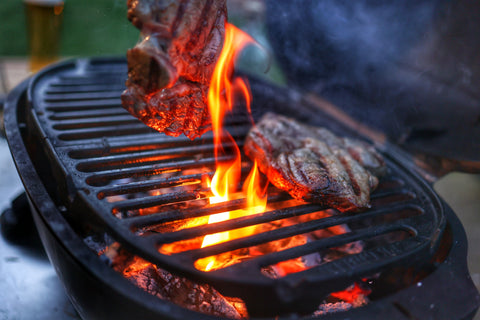
Are you a fan of grilling your favorite meals on a charcoal grill? There’s something special about that smoky flavor that makes your food taste amazing.
But you might be wondering: is a charcoal grill bad for you? Could it be harming your health without you realizing it? Before you fire up those coals again, it’s important to know the facts. You’ll discover what’s really behind charcoal grilling and how it could affect you.
Keep reading to learn how to enjoy your grill safely and keep your health in check.
Credit: www.goodrx.com
Health Risks Of Charcoal Grilling
Charcoal grilling is popular for its flavor, but it has some health risks. The smoke and high heat can create harmful chemicals. These chemicals may affect your health over time.
Understanding these risks can help you make better choices when grilling. Here are the main concerns linked to charcoal grilling.
Carcinogens In Charcoal Smoke
Charcoal smoke contains carcinogens, which are substances that can cause cancer. When charcoal burns, it releases chemicals that can stick to the food. Eating this food often may increase cancer risk.
These carcinogens can enter the body through the lungs or stomach. People who grill frequently may have higher exposure to these harmful chemicals.
Impact Of Polycyclic Aromatic Hydrocarbons
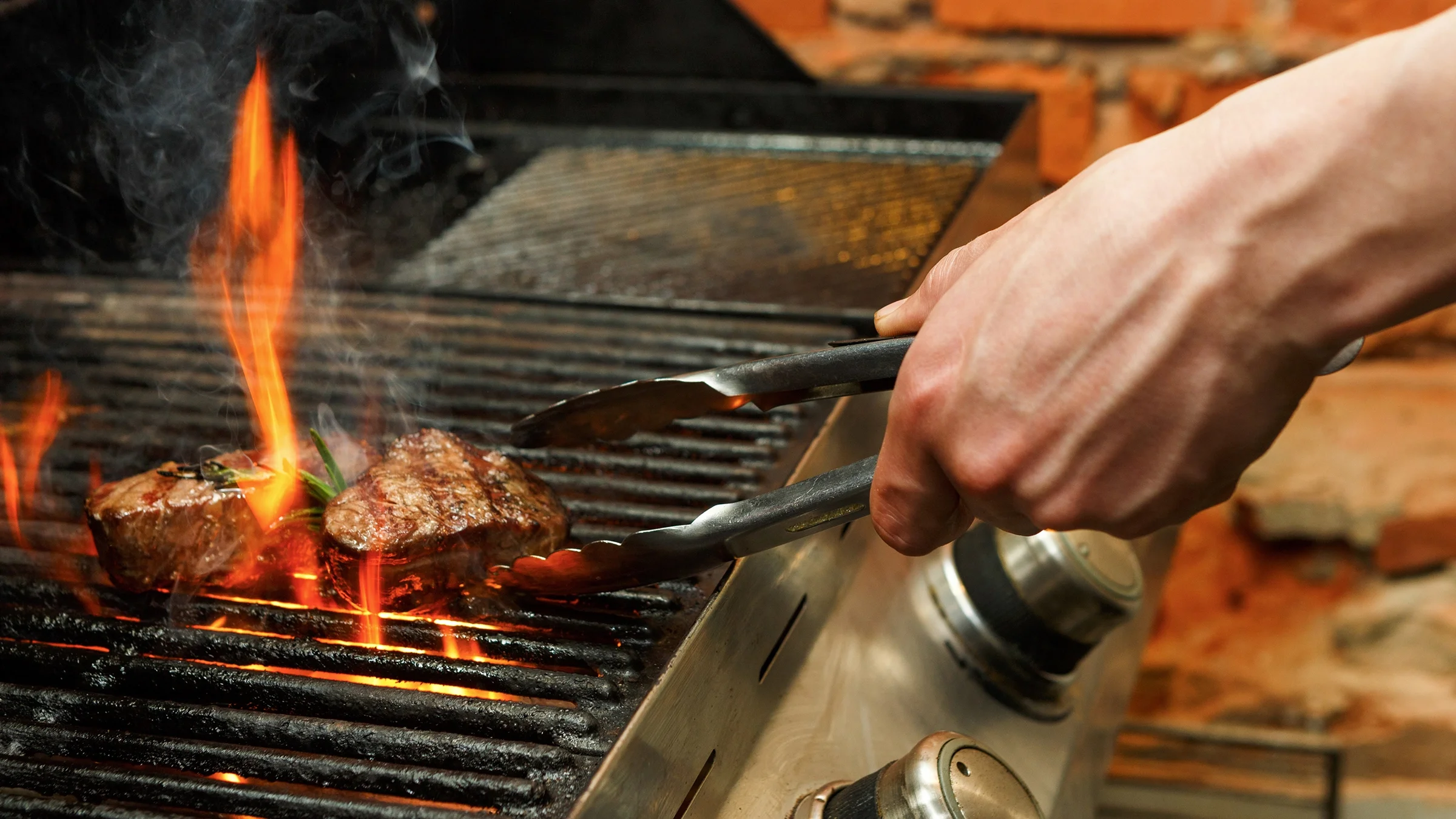
Polycyclic aromatic hydrocarbons (PAHs) form when fat drips on hot charcoal. The smoke rises and coats the food with PAHs. These chemicals can damage DNA and cause cancer over time.
- PAHs are found in charred and smoked foods.
- Long-term exposure to PAHs increases cancer risk.
- Reducing flare-ups lowers PAH formation.
- Using lean cuts of meat can reduce fat drips.
- Cooking at lower temperatures helps limit PAHs.
Effects Of Heterocyclic Amines
Heterocyclic amines (HCAs) form when meat cooks at high heat. HCAs can change the structure of cells and cause mutations. These changes may lead to cancer.
| Factor | Effect on HCA Formation |
|---|---|
| Cooking Temperature | Higher heat increases HCAs |
| Cooking Time | Longer times increase HCAs |
| Type of Meat | Red meat forms more HCAs |
| Marinating Meat | Can reduce HCA levels |
Comparing Charcoal With Other Grill Types
Grilling is a popular way to cook food outdoors. Each type of grill has its own benefits and drawbacks. Let’s compare charcoal grills with other common types.
Understanding these differences can help you choose the best grill for your needs. We will look at gas, electric, and wood-fired grills.
Charcoal Vs Gas Grills
Charcoal grills give food a smoky flavor. They are often seen as the traditional choice for grilling. Gas grills, on the other hand, are easier to start and control.
Gas grills heat up faster. They are also cleaner because they do not produce ash like charcoal grills do.
- Charcoal grills: smoky flavor, more cleanup
- Gas grills: quick start, easier temperature control
Electric Grills And Health Implications
Electric grills do not use an open flame. This can make them safer and easier to use indoors. They also produce fewer harmful fumes compared to charcoal grills.
Electric grills might not provide the same flavor as charcoal. But they are often considered a healthier option for cooking food.
- Electric grills: fewer fumes, indoor use
- Charcoal grills: more fumes, outdoor use
Wood-fired Grills: Pros And Cons
Wood-fired grills use wood as the main fuel source. They add a unique flavor to food, similar to charcoal grills. However, they require more skill and attention to use.
Wood-fired grills can be more challenging to maintain the right temperature. They also produce smoke, which can add flavor but may have health concerns.
- Wood-fired grills: unique flavor, more skill needed
- Charcoal grills: traditional flavor, easier to use than wood
Ways To Minimize Health Hazards
Charcoal grilling can create harmful chemicals. These can affect your health if not careful. There are simple ways to reduce these risks.
By choosing safer charcoal, cooking properly, and using marinades, you can enjoy grilled food with less worry.
Choosing Safer Charcoal Options
Some charcoals release fewer toxins and burn cleaner. Pick natural lump charcoal made from hardwood. Avoid briquettes with additives or chemicals.
Look for charcoal labeled as organic or free from fillers. These options create less smoke and fewer harmful substances.
- Use natural lump charcoal
- Avoid briquettes with chemicals
- Choose organic or additive-free charcoal
Proper Cooking Techniques
Cook food at lower temperatures to reduce harmful chemicals. Avoid charring or burning meat. Flip meat often for even cooking.
Use indirect heat by placing food away from direct flames. This lowers the risk of creating toxic substances during grilling.
- Cook at moderate heat
- Flip meat frequently
- Use indirect heat when possible
- Avoid burnt or charred food
Using Marinades To Reduce Toxins
Marinating meat before grilling helps lower harmful chemicals. Ingredients like lemon juice, vinegar, and herbs protect the food.
Marinate for at least 30 minutes. This adds flavor and reduces the formation of toxins when cooking over charcoal.
- Use acidic ingredients like lemon or vinegar
- Add herbs such as rosemary or thyme
- Marinate meat for 30 minutes or more

Credit: www.ctvnews.ca
Environmental Concerns Linked To Charcoal
Charcoal grilling is popular, but it has environmental effects. Understanding these helps us choose better ways to cook.
This article covers carbon emissions, sourcing issues, and greener alternatives for grilling.
Carbon Emissions From Charcoal
Burning charcoal releases carbon dioxide and other gases into the air. These emissions contribute to climate change.
Charcoal also produces smoke that contains harmful particles. This can affect air quality and human health.
Sourcing And Sustainability Issues
Charcoal often comes from wood harvested in forests. Unsustainable cutting harms ecosystems and wildlife habitats.
- Many producers do not replant trees after cutting.
- Illegal logging can increase deforestation rates.
- Transportation adds to carbon emissions.
- Some charcoal is made from waste wood, which is more eco-friendly.
Alternatives For Eco-friendly Grilling
There are grilling options that reduce environmental impact. These help protect forests and lower pollution.
| Alternative | Benefits | Considerations |
| Electric Grills | No direct emissions, easy to use | Needs electricity source |
| Gas Grills | Lower emissions than charcoal | Uses fossil fuels |
| Charcoal from Coconut Shells | Uses waste material, less deforestation | May be harder to find |
| Wood Pellet Grills | Burns cleaner than charcoal | Requires pellet supply |
When To Avoid Charcoal Grilling
Charcoal grilling can add great flavor to food. Still, it may not be safe for everyone at all times.
Knowing when to avoid this cooking method helps protect your health and wellbeing.
Health Conditions To Consider
People with lung or heart problems should be cautious. Smoke from charcoal grills contains harmful chemicals.
- Asthma patients may find smoke worsens breathing.
- Those with heart disease might face higher risks from smoke exposure.
- People prone to allergies can react to the smoke or fumes.
Frequency And Portion Control
Eating charcoal-grilled food often can increase health risks. Moderation is important to stay safe.
| Frequency | Health Advice |
| Once a week or less | Generally safe for most people |
| Several times a week | Limit portion size and balance diet |
| Daily | Avoid due to potential health risks |
Signs Of Overexposure
Watch for symptoms that suggest too much exposure to charcoal smoke or grilled food.
- Persistent cough or throat irritation
- Shortness of breath or wheezing
- Skin rashes or allergic reactions
- Frequent headaches or dizziness
Credit: www.thetakeout.com
Frequently Asked Questions
Is Charcoal Grilling Harmful To Health?
Charcoal grilling can produce harmful chemicals like PAHs and HCAs. These compounds may increase cancer risk if consumed frequently. Using lean meats and avoiding charring reduces these risks. Proper ventilation and moderation make charcoal grilling safer for occasional use.
Does Charcoal Smoke Affect Air Quality?
Yes, charcoal smoke releases particulate matter and carbon monoxide. These pollutants can harm indoor and outdoor air quality. Always grill outdoors in well-ventilated areas to minimize exposure. Avoiding excessive smoke improves safety for you and those nearby.
Can Charcoal Grilling Cause Cancer?
Charcoal grilling may increase cancer risk due to carcinogens formed during cooking. PAHs and HCAs form when fat drips on hot coals, creating smoke. Eating grilled foods in moderation and using safer cooking techniques lowers potential risks.
How To Reduce Toxins When Using Charcoal Grill?
To reduce toxins, avoid direct flame contact with food. Use lean meats and trim fat to minimize drippings. Marinate meats to reduce harmful compound formation. Clean the grill regularly and cook at moderate temperatures for safer grilling.
Conclusion
Charcoal grilling can add great flavor to your food. Yet, it may release harmful substances if used often. Choosing lean meats and avoiding overcooking helps reduce risks. Cleaning the grill regularly also keeps it safer. Moderation is key to enjoying charcoal grilling safely.
Balance your meals with fresh vegetables and healthy sides. This way, you enjoy tasty food without worrying too much. Keep these tips in mind for a healthier grilling experience.