Are you wondering if cooking on a charcoal grill is good for you? You might love the rich, smoky flavor it adds to your food, but is it healthy?
You’re not alone in asking this question. Many people want to enjoy tasty grilled meals without risking their health. You’ll discover the truth about charcoal grilling, what benefits it offers, and what risks you should watch out for. By the end, you’ll know exactly how to grill smarter and safer.
Keep reading to find out how you can enjoy your favorite grilled dishes without worry.

Credit: journal.firsttuesday.us
Charcoal Grill Basics
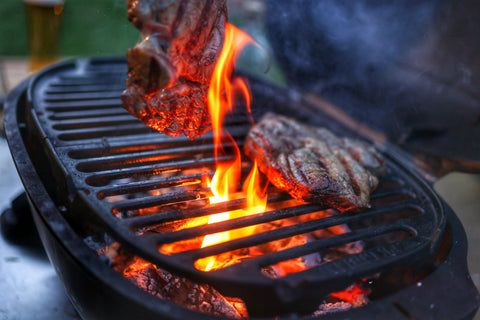
Charcoal grills use charcoal to cook food over an open flame. They are popular for adding a smoky flavor to meals.
Many people enjoy charcoal grilling for its unique taste and simple design. It is important to know how these grills work.
How Charcoal Grills Work
Charcoal grills burn charcoal to create heat. This heat cooks the food placed on a grill grate above the coals.
Air vents control the temperature by letting air in or out. More air makes the fire hotter, less air cools it down.
- Light the charcoal using a fire starter or lighter fluid
- Wait until coals turn gray and hot
- Place food on the grill grate
- Adjust vents to control heat
- Cook food until done
Types Of Charcoal Used
There are different types of charcoal for grilling. Each type burns differently and affects flavor and heat.
- Charcoal briquettes:Made from compressed charcoal and additives. They burn evenly and last long.
- Lump charcoal:Made from pure wood chunks. It lights quickly and gives a natural smoky flavor.
- Instant light charcoal:Contains chemicals to start burning fast. It is easy to use but may add unwanted taste.

Credit: www.ctvnews.ca
Health Benefits Of Charcoal Grilling
Charcoal grilling offers unique health benefits compared to other cooking methods. It can help preserve nutrients and reduce fat in foods. Many people enjoy the taste and aroma from charcoal grilling.
Understanding the health benefits can help you make better choices for your meals. Let’s explore how charcoal grilling affects nutrient retention, fat content, and appetite.
Nutrient Retention In Grilled Foods
Grilling with charcoal cooks food quickly at high heat. This helps keep vitamins and minerals inside the food. Water-soluble vitamins like vitamin C stay more intact because grilling uses less water than boiling.
Charcoal grilling also reduces nutrient loss by sealing the food’s surface fast. This locks in nutrients and natural juices. Vegetables and meats keep their flavor and nutrition better than some other cooking styles.
Lower Fat Cooking Method
Charcoal grilling allows fat to drip away from the food. This lowers the fat content of grilled meats. Less fat means fewer calories and a leaner meal.
- Fat drips off through the grill grates
- Reduces saturated fat intake
- Helps keep food crisp without added oils
- Supports heart health by lowering fat consumption
Choosing charcoal grilling can be a healthy way to prepare meats and vegetables without adding extra fat.
Flavor And Appetite Stimulation
Charcoal grilling creates a smoky flavor that enhances food taste. This flavor can increase appetite and satisfaction from meals. The aroma from grilling also triggers hunger signals in the brain.
| Benefit | Effect on Appetite |
| Smoky Aroma | Increases hunger and meal enjoyment |
| Char Marks | Adds texture and visual appeal |
| Quick Cooking | Preserves natural food flavors |
Potential Health Risks
Using a charcoal grill can pose some health risks. It’s important to know these risks to make informed decisions.
Here are some potential health concerns linked to grilling with charcoal. Understanding these can help you take precautions when cooking.
Formation Of Harmful Compounds
Grilling with charcoal can form harmful compounds. These include polycyclic aromatic hydrocarbons (PAHs) and heterocyclic amines (HCAs).
These compounds form when fat and juices drip onto hot coals. They can rise in smoke and stick to food, posing health risks.
- PAHs are linked to grilled meats
- HCAs form in charred sections
- Both compounds can be harmful
Inhalation Of Smoke And Particles
Charcoal grills produce smoke and particles. These can be harmful when inhaled, especially in enclosed spaces.
Smoke contains tiny particles that can irritate lungs. It’s best to grill in open areas to reduce exposure.
- Smoke can irritate respiratory system
- Particles may affect air quality
- Grill outdoors for better ventilation
Risk Of Carcinogens In Charred Meat
Charred meat can contain carcinogens. These are substances that may cause cancer over time.
Cooking meat at high temperatures increases the risk. Limiting charred sections can help reduce this risk.
- Carcinogens form in burnt parts
- Reduce cooking time to prevent charring
- Trim off charred sections before eating
Comparing Charcoal To Other Grilling Methods
Grilling is a popular way to cook food outdoors. People use different types of grills like charcoal, gas, and electric. Each grill type changes the taste and cooking style.
Choosing the right grill depends on what you want in flavor, convenience, and health. Let’s compare charcoal grills with gas and electric grills.
Charcoal Vs Gas Grills
Charcoal grills use burning charcoal to cook food. This gives food a smoky flavor that many people enjoy. Gas grills use propane or natural gas for heat. They heat up faster and are easier to control.
Charcoal grills can reach higher temperatures. This helps to sear meat well. Gas grills are cleaner and produce less smoke. They are better for quick cooking and less mess.
- Charcoal grills add smoky taste to food
- Gas grills heat up faster and have easy controls
- Charcoal can create more smoke and ash
- Gas grills produce less smoke and are cleaner
- Charcoal grills take longer to start and cool down
Charcoal Vs Electric Grills
Electric grills use electricity to heat the grill surface. They are very easy to use and clean. Charcoal grills need more time to start and clean after use. Electric grills work well indoors and in places where open flames are not allowed.
Charcoal grills give a stronger smoky flavor. Electric grills lack this smoky taste but can cook food evenly. Electric grills are safer and produce no ashes or smoke.
- Charcoal grills offer a smoky, rich flavor
- Electric grills are easy to use and clean
- Charcoal produces ashes; electric does not
- Electric grills can be used indoors
- Charcoal grills take longer to prepare
Tips To Minimize Health Risks
Using a charcoal grill can add great flavor to your food. It also has some health risks you should know about.
These tips help you enjoy grilling while keeping those risks low and your meals safe.
Proper Charcoal Selection
Choose natural lump charcoal instead of briquettes. Lump charcoal burns cleaner and has fewer chemicals.
Avoid charcoal with added lighter fluids or fillers. These can release harmful toxins when burned.
- Use natural lump charcoal for fewer chemicals
- Check labels to avoid additives
- Store charcoal in a dry place to keep it fresh
Safe Cooking Temperatures
Cook food at the right temperature to kill bacteria and avoid burning. Use a meat thermometer for accuracy.
Keep meat at safe internal temperatures to prevent foodborne illness and reduce harmful compounds.
- Chicken: cook to 165°F (74°C)
- Beef and pork: cook to at least 145°F (63°C)
- Use a thermometer to check doneness
Marinating And Food Preparation
Marinate your meat before grilling. This adds flavor and can reduce harmful chemicals from smoke.
Trim fat from meat to lower flare-ups and smoke, which can cause unhealthy compounds on food.
- Use acidic marinades with lemon or vinegar
- Marinate for at least 30 minutes
- Remove excess fat before cooking
Ventilation And Smoke Management
Grill outdoors in a well-ventilated area. Good airflow helps reduce smoke and harmful fumes.
Control flare-ups by keeping a spray bottle of water nearby. Avoid heavy smoke on your food.
- Grill in open spaces with good air flow
- Keep water nearby to manage flames
- Avoid cooking directly in thick smoke

Credit: www.youtube.com
Environmental Impact Of Charcoal Grilling
Charcoal grilling is popular for its flavor, but it has effects on the environment. Understanding these effects helps us make better choices.
This article looks at how charcoal is made and suggests eco-friendly grilling options.
Charcoal Production And Sustainability
Charcoal is made by burning wood in low oxygen. This process releases smoke and gases that harm air quality.
Many charcoal producers cut down trees faster than they grow back. This causes deforestation and loss of habitats.
- Uses a lot of wood, which can lead to forest loss
- Produces carbon dioxide, a greenhouse gas
- Can cause soil erosion where trees are removed
- Some production methods create harmful smoke
Alternatives For Eco-friendly Grilling
Choosing greener grilling options helps reduce harm to the planet. Here are some alternatives to charcoal.
| Grilling Type | Environmental Benefit | Notes |
| Electric Grill | Uses no wood, no smoke | Needs electricity from clean sources for best impact |
| Gas Grill | Burns cleaner than charcoal | Fuels like propane have less carbon than charcoal |
| Charcoal Briquettes (Sustainable) | Made from recycled wood or coconut shells | Lower impact if sourced responsibly |
| Solar Grill | Uses sunlight, no fuel | Limited use depending on weather |
Frequently Asked Questions
Is Charcoal Grilling Healthier Than Gas Grilling?
Charcoal grilling imparts a smoky flavor but produces more harmful chemicals. Gas grilling is cleaner with fewer carcinogens. Both methods can be healthy if cooking times and temperatures are controlled well.
Does Charcoal Grilling Produce Harmful Chemicals?
Yes, charcoal grilling can produce carcinogens like PAHs and HCAs. Proper cooking techniques and avoiding charring reduce these risks significantly.
Can Charcoal Grills Cause Respiratory Issues?
Charcoal smoke contains pollutants that may irritate lungs. Using grills outdoors and avoiding prolonged exposure minimizes respiratory risks effectively.
How To Make Charcoal Grilling Safer For Health?
Use natural lump charcoal, avoid flare-ups, and cook at moderate heat. Marinate meats to reduce carcinogen formation and ensure proper ventilation.
Conclusion
Charcoal grills bring a unique flavor to your meals. They offer high heat and smoky taste many enjoy. Yet, grilling safely matters to keep health risks low. Using good charcoal and proper cooking helps. Balancing taste with care is key.
Try to grill often but smartly. Enjoy your food, and stay safe around the grill. Charcoal grilling can be both tasty and good for you.