Are you wondering if cherry wood is the right choice for your cutting board? Choosing the best wood matters because it affects how your board looks, lasts, and feels every time you use it.
Cherry wood is popular, but is it good enough for your kitchen? By the end of this article, you’ll know exactly what makes cherry special and whether it fits your needs. Keep reading to discover the surprising facts that could change how you pick your next cutting board.

Credit: www.woodcuttingboardstore.com
Why Cherry Wood Works Well
Cherry wood is a popular choice for cutting boards. It offers a good balance of strength and beauty. Many people like its warm color and smooth texture.
This wood type handles everyday use well. It also has features that keep cutting boards safe and long-lasting.
Durability And Hardness
Cherry wood is hard enough to resist dents and scratches. It stands up well to knife cuts without damaging the blades. This makes it great for cutting boards.
Its durability means the board lasts a long time. You can use it daily without worrying about quick wear and tear.
Natural Antibacterial Properties
Cherry wood has natural oils that help fight bacteria. These oils reduce the risk of germs staying on the surface. This makes the board safer for food preparation.
The wood’s tight grain also limits moisture absorption. This helps prevent bacteria growth inside the board.
Resistance To Warping
Cherry wood resists warping better than many other woods. It stays flat even with changes in humidity and temperature. This keeps the cutting surface smooth and reliable.
This resistance helps maintain the board’s shape over time. It ensures the board stays safe and easy to use.
Aesthetic Appeal Of Cherry Boards
Cherry wood is a popular choice for cutting boards. Its beauty adds charm to any kitchen. The wood’s warm tones and smooth texture make it stand out.
Two main features make cherry boards special: their rich color and grain patterns, and how they age over time. These traits bring unique looks to each board.
Rich Color And Grain Patterns
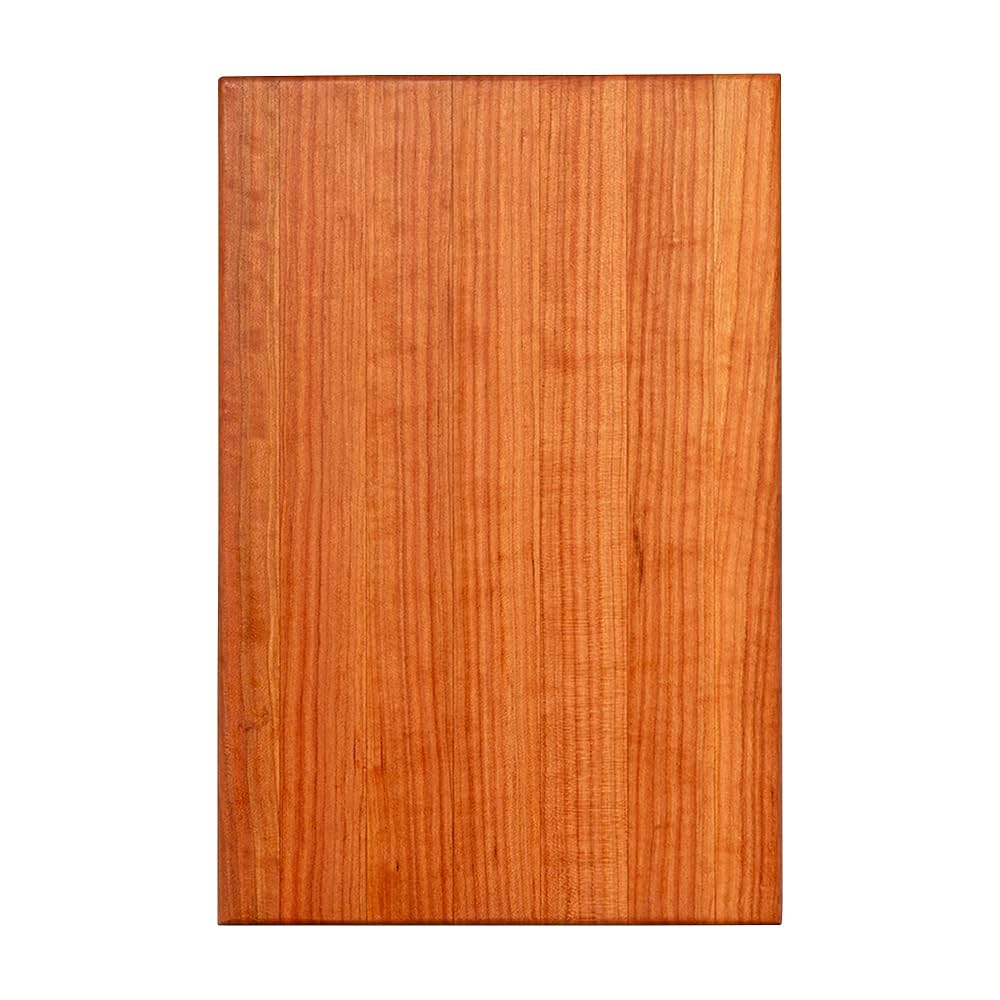
Cherry wood has a deep reddish-brown color that brightens any space. The grain patterns are fine and smooth. These natural patterns give each board a unique design.
- Warm reddish hues that blend well with many kitchen styles
- Fine, straight grain with occasional waves or curls
- Natural luster that adds a soft shine to the surface
- Color can range from light pink to rich mahogany
- Patterns vary, making every board one of a kind
Aging And Patina Effects
Cherry wood changes color as it ages. The wood darkens and develops a smooth patina. This natural aging process adds character to the cutting board.
| Age | Appearance |
| New | Light reddish-pink, fresh look |
| 1-3 years | Deeper reddish-brown, warm glow |
| 5+ years | Rich mahogany with smooth shine |
Maintenance Tips For Cherry Cutting Boards
Cherry wood cutting boards are popular for their beauty and durability. Proper care helps keep them looking great and lasting long.
Follow these simple maintenance tips to protect your cherry cutting board from damage and wear.
Cleaning Best Practices
Clean your cherry cutting board right after use. Use warm water and mild soap. Avoid soaking it in water to prevent warping.
- Use a soft sponge or cloth for cleaning
- Rinse with warm water, no harsh chemicals
- Dry board immediately with a clean towel
- Let it air dry standing up to avoid moisture buildup
Oiling And Conditioning
Oiling your cherry board keeps it from drying out and cracking. Use food-safe mineral oil or special cutting board oil.
- Apply a generous amount of oil to the surface
- Spread evenly with a soft cloth or paper towel
- Let the oil soak in for several hours or overnight
- Wipe off any excess oil before use
- Repeat oiling once a month or when the board looks dry
Avoiding Common Damages
| Damage Type | How to Avoid |
|---|---|
| Cracks | Keep board dry and oil it regularly |
| Warping | Do not soak in water or expose to heat |
| Knife Marks | Use proper cutting techniques and sharpen knives |
| Stains | Clean spills promptly and avoid strong dyes |

Credit: virginiaboyskitchens.com
Comparing Cherry To Other Woods
Cherry wood is popular for cutting boards. It has a warm color and smooth texture. Let’s compare it to other common woods used for cutting boards.
Each wood type has its own strengths. We will look at how cherry compares to maple, walnut, and bamboo.
Cherry Vs. Maple
Maple is a hard wood often used for cutting boards. It is light in color and has a tight grain. Cherry is softer and darker with a reddish tone.
Maple resists cuts and scratches better. Cherry feels smoother but can show knife marks faster. Maple is good for heavy use, while cherry looks better with age.
- Maple is harder and more durable
- Cherry has a richer, warm color
- Maple resists cuts better than cherry
- Cherry develops a nice patina over time
Cherry Vs. Walnut
Walnut is a dark wood with a deep brown color. Cherry is lighter and redder. Both are softer woods compared to maple.
Walnut is strong and resists damage well. Cherry feels smooth and ages with a warm glow. Walnut boards hide stains better than cherry.
- Walnut is darker and hides stains
- Cherry is lighter with a reddish tone
- Both are softer than maple
- Cherry ages with a warm color change
Cherry Vs. Bamboo
Bamboo is not a wood but a grass. It is very hard and eco-friendly. Cherry is a natural wood with a softer feel.
Bamboo resists water and cuts well. Cherry can stain easier and needs more care. Bamboo boards are usually lighter in color than cherry.
- Bamboo is very hard and water-resistant
- Cherry is softer and warms with age
- Bamboo is eco-friendly and durable
- Cherry needs more regular oiling to protect
Health And Safety Benefits
Cherry wood is a popular choice for cutting boards. It offers several health and safety benefits. These make it a good option for kitchen use.
Understanding these benefits helps you choose a safe and durable cutting board. Let’s explore the key points.
Non-toxic Qualities
Cherry wood does not release harmful chemicals. It is naturally free from toxins. This keeps your food safe during preparation.
- Cherry wood contains no synthetic coatings or finishes.
- It is safe for direct contact with food.
- The natural oils in cherry wood resist absorbing harmful substances.
- Cherry wood cutting boards do not leach chemicals into meals.
Preventing Bacterial Growth
Cherry wood helps reduce bacteria on its surface. Its dense grain limits bacteria from settling deep inside. This keeps the board cleaner.
| Feature | Benefit |
| Dense Grain | Limits bacteria absorption |
| Natural Oils | Creates a protective layer |
| Easy Cleaning | Reduces bacteria on surface |
Cost And Availability
Cherry wood is a popular choice for cutting boards. Its cost and availability affect many buyers.
Understanding these factors helps you decide if cherry is right for your kitchen.
Price Range Insights
Cherry cutting boards usually cost more than common woods like maple. This is due to their rich color and fine grain.
| Type of Cherry Board | Price Range (USD) |
| Small (8×10 inches) | $30 – $50 |
| Medium (12×18 inches) | $60 – $100 |
| Large (18×24 inches) | $120 – $180 |
| Custom or Handmade | $150 – $300+ |
Sourcing Quality Cherry Boards
Finding good quality cherry wood can be a challenge. Not all sellers offer the same grade or finish.
- Check local lumber stores for fresh stock
- Look online for specialty woodworkers
- Ask about the wood’s origin and treatment
- Compare prices and read customer reviews

Credit: www.woodcuttingboardstore.com
Frequently Asked Questions
Is Cherry Wood Durable For Cutting Boards?
Yes, cherry wood is durable for cutting boards. It is hard, which makes it resistant to scratches. Its fine grain structure helps maintain its appearance over time. Cherry wood’s natural oils also offer some antibacterial properties, making it a hygienic choice for kitchen use.
Does Cherry Wood Have Antibacterial Properties?
Cherry wood naturally contains antibacterial properties. Its natural oils help inhibit the growth of bacteria. This makes it a hygienic option for cutting boards. However, regular cleaning and maintenance are still essential. Proper care ensures the cutting board remains safe and in good condition.
How Does Cherry Wood Affect Knife Sharpness?
Cherry wood is gentle on knives. Its medium hardness helps prevent excessive dulling of blades. The fine grain surface minimizes resistance during cutting. This helps maintain knife sharpness over time. It strikes a balance between durability and knife-friendliness, ideal for frequent kitchen use.
Is Cherry Wood Easy To Clean?
Yes, cherry wood is easy to clean. Its smooth surface allows for efficient wiping. Use mild soap and water for regular cleaning. Avoid soaking it in water to prevent damage. Proper drying and occasional oiling will maintain its quality and longevity.
Conclusion
Cherry wood offers a good balance of beauty and strength for cutting boards. It resists scratches and holds up well over time. The warm color also adds charm to any kitchen. Cleaning and caring for cherry boards is simple and keeps them lasting longer.
Choose cherry if you want a reliable and attractive cutting surface. It blends function with style without extra fuss. A smart pick for everyday cooking tasks.