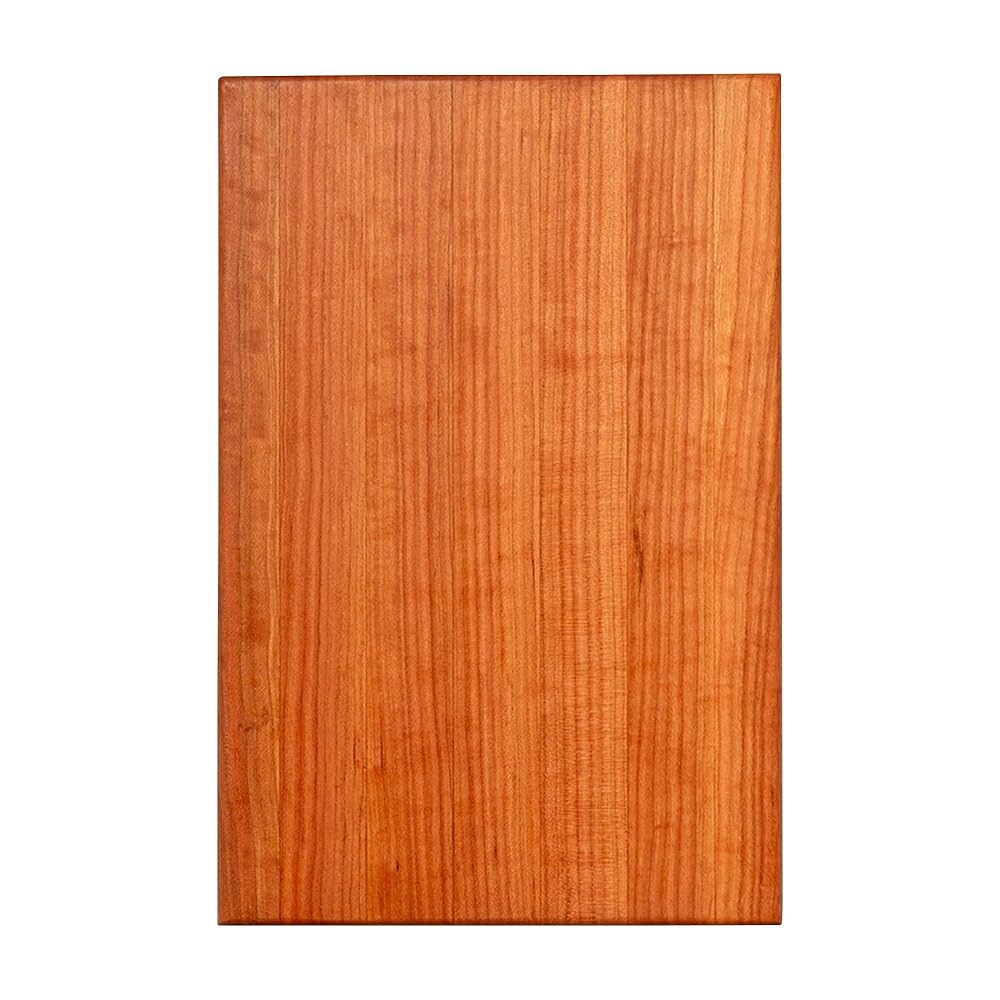
Choosing the right wood for your cutting board can make a big difference in your kitchen. If you’ve been wondering, “Is cherry wood good for cutting boards?” you’re in the right place.
You want a cutting board that looks beautiful, lasts long, and stays safe for your food. Cherry wood might just be the answer you’re looking for. Keep reading to discover why cherry wood could be the perfect fit for your cooking space—and how it stacks up against other popular options.
Your next chopping experience could be better than ever.

Credit: www.amazon.ca
Cherry Wood Properties
Cherry wood is a popular choice for cutting boards. It has unique properties that make it useful in the kitchen. Understanding these features helps you decide if cherry wood fits your needs.
This wood is known for its beauty and durability. It also offers a smooth surface that is gentle on knives. Let’s explore its hardness, grain, color, and how it changes over time.
Hardness And Density
Cherry wood has moderate hardness. It is hard enough to resist dents and scratches from daily use. Its density helps make the cutting board stable and long-lasting.
The wood’s hardness also protects knife edges. This means your knives stay sharper longer. The density of cherry wood gives it weight without making it too heavy to handle.
- Hardness rating around 2.5 on Janka scale
- Density approximately 0.56 g/cm³
- Balances durability with knife friendliness
Grain And Texture
Cherry wood has a fine, straight grain. This grain pattern creates a smooth and even surface. The texture feels soft to the touch but is still tough.
The tight grain reduces the chance of food particles getting trapped. This makes cleaning easier. It also helps prevent bacteria buildup on the cutting board.
- Fine and straight grain
- Smooth texture for easy cleaning
- Reduces bacteria buildup
Color And Aging
Fresh cherry wood has a pinkish tone with warm reddish hues. Over time, it darkens to a rich, deep reddish-brown color. This natural aging adds beauty to the wood.
The color change happens with exposure to light and air. The aging process makes each cutting board unique. It also gives the wood a classic and elegant look.
- Light pink to reddish hues when new
- Darkens to reddish-brown with age
- Natural color change enhances appearance
Durability For Cutting Boards
Cherry wood is a popular choice for cutting boards. It has qualities that affect how long it lasts and how well it holds up.
Understanding its durability helps you decide if it fits your kitchen needs.
Resistance To Knife Marks
Cherry wood has a medium hardness, so it resists knife marks fairly well. It is softer than maple but harder than pine.
This means your cutting board will show some scratches but will not get damaged quickly.
Wear And Tear Over Time
Cherry wood ages nicely and develops a rich color with use. It is strong enough to handle daily cutting tasks.
With proper care, it maintains its shape and surface quality for many years.
Moisture And Warping
Cherry wood absorbs moisture slower than softer woods. This helps reduce warping and cracking.
Still, it is important to dry the board well after washing to keep it flat and strong.
Style And Aesthetic Appeal
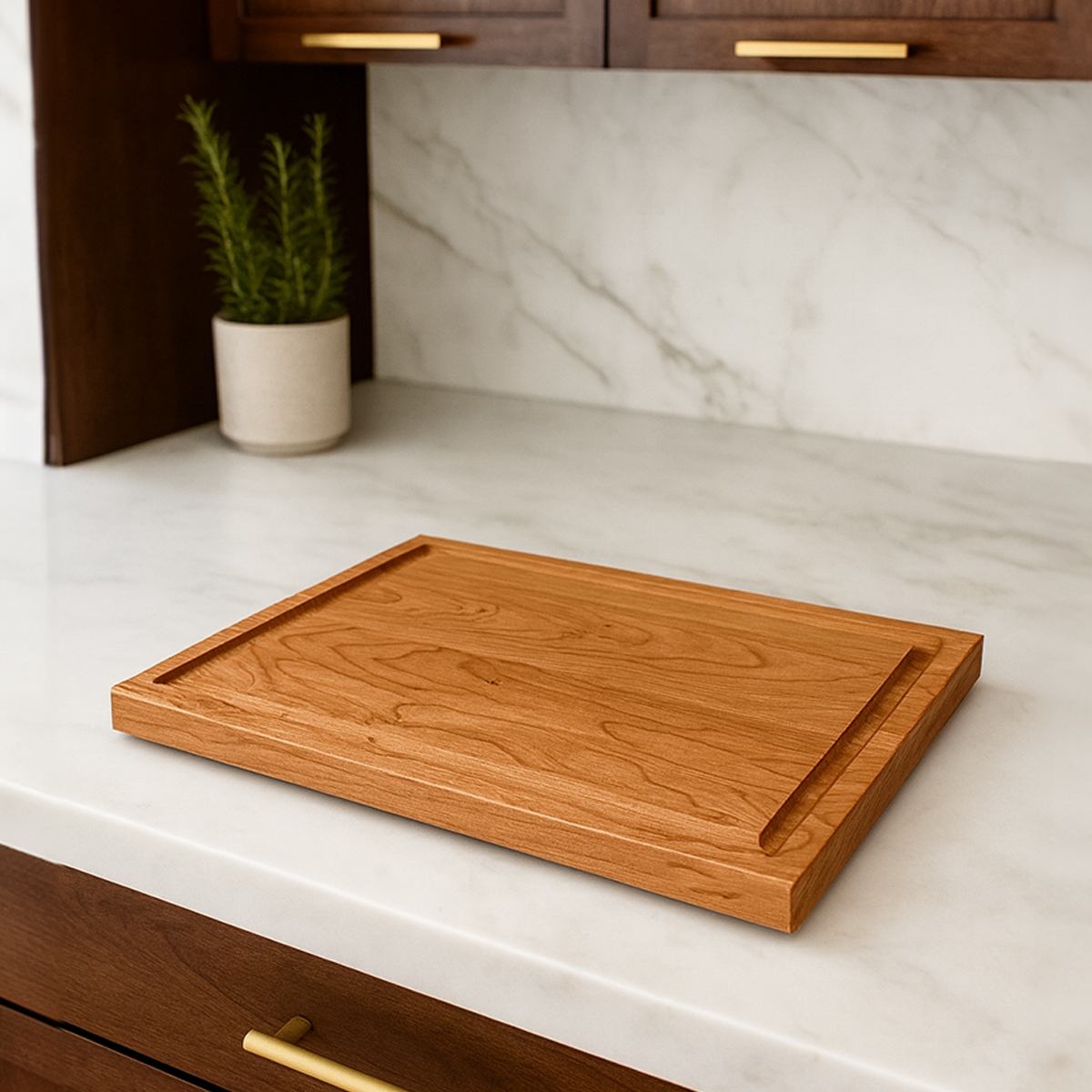
Cherry wood is a popular choice for cutting boards because of its warm color and natural look. It adds charm and style to any kitchen space.
Many people choose cherry wood to bring a cozy and inviting feel to their cooking area. Its beauty grows with use over time.
Warm Tones And Natural Beauty
Cherry wood has rich, warm tones ranging from light pink to deep reddish-brown. This natural color makes each cutting board unique.
- Soft pink hues when new
- Deepens to a rich red-brown over time
- Fine, smooth grain adds elegance
- Natural gloss enhances its look
Complementing Kitchen Designs
Cherry wood cutting boards fit well with many kitchen styles. They add warmth to modern, rustic, or traditional designs.
| Kitchen Style | Why Cherry Wood Works |
| Modern | Softens sharp lines with warm color |
| Rustic | Matches natural wood elements |
| Traditional | Enhances classic wood tones |
Patina Development
Cherry wood changes color with use and light exposure. This patina adds character to the cutting board.
- Starts as a light pinkish tone
- Darkens smoothly with age
- Develops a soft shine from handling
- Shows natural wear that adds charm
Maintenance And Care
Cherry wood cutting boards are beautiful and durable. Taking care of them keeps their look and function.
Proper maintenance helps prevent cracks and stains. It also extends the board’s life.
Cleaning Tips
Clean cherry wood boards right after use. Use warm water and mild soap. Avoid soaking the board in water.
Dry the board with a towel. Stand it upright to air dry completely. This stops warping and mold growth.
- Do not put cherry wood boards in the dishwasher.
- Use a soft sponge or cloth to clean the surface.
- Remove stains with a paste of baking soda and water.
Oiling And Conditioning
Oiling cherry wood boards keeps the wood hydrated. It prevents drying and cracking over time.
Use food-safe mineral oil or beeswax conditioner. Apply the oil evenly with a soft cloth. Let it soak in for several hours.
- Oil your board once a month or as needed.
- Wipe off excess oil after soaking.
- Conditioning adds a protective layer to the wood.
Avoiding Damage
Protect your cherry wood board from heat and sharp impacts. Avoid cutting on the board with very hard knives.
Do not leave the board in direct sunlight or near heat sources. Use both sides to prevent uneven wear.
- Never soak the board in water for long periods.
- Do not use harsh chemicals or bleach for cleaning.
- Store the board in a dry, cool place upright.
Comparing Cherry Wood With Other Woods
Cherry wood is a popular choice for cutting boards. It has a warm color and smooth texture. Many people want to know how it compares to other common woods.
This article looks at cherry wood alongside maple, walnut, and bamboo. Each wood has its own strengths and weaknesses for cutting boards.
Maple Vs Cherry
Maple is a hard and dense wood. It resists knife marks well. Cherry wood is softer but still durable. Cherry has a richer color that darkens with age.
- Maple is lighter in color than cherry.
- Cherry has a smoother feel to the touch.
- Maple is more common and often less expensive.
- Cherry wood cuts more easily but may show marks sooner.
Walnut Vs Cherry
Walnut is known for its dark, rich color and good hardness. Cherry is lighter and warmer in tone. Both woods are gentle on knives but resist bacteria well.
| Feature | Walnut | Cherry |
| Color | Dark brown | Reddish brown |
| Hardness | Harder | Softer |
| Knife friendliness | Good | Good |
| Price | Usually higher | Moderate |
Bamboo Vs Cherry
Bamboo is a grass, not wood, but often used for cutting boards. It is very hard and eco-friendly. Cherry is softer and more natural looking.
- Bamboo grows faster and is renewable.
- Cherry has a warmer color and smooth feel.
- Bamboo can be harder on knives than cherry.
- Cherry boards may require more care to avoid stains.
Credit: www.deerparkwoodwork.com
Health And Safety Considerations
Choosing the right wood for cutting boards matters for safety. Cherry wood is popular but needs care. Understanding health risks helps keep food safe.
We look at food safety, allergen risks, and finishing options. These affect how safe cherry wood cutting boards are for daily use.
Food Safety
Cherry wood is dense and has natural antimicrobial properties. It resists bacteria better than some softer woods. Cleaning well after use is still important.
- Wash boards with hot, soapy water after each use
- Dry boards completely to avoid mold growth
- Use separate boards for meat and vegetables
- Oil regularly to seal wood pores and reduce bacteria
Allergen Potential
Cherry wood is low in allergenic risks for most people. But some may have wood dust allergies when sanding or cutting the wood. Finished boards rarely cause reactions.
| Risk Factor | Details |
| Wood Dust | Can cause irritation when sanding |
| Contact Allergies | Very rare with finished boards |
| Food Allergies | No link to cherry wood cutting boards |
Non-toxic Finishes
Use non-toxic finishes to keep cutting boards safe. Food-safe oils and waxes protect wood without chemicals. Avoid finishes with harmful solvents or additives.
- Mineral oil is safe and easy to apply
- Beeswax adds extra protection and shine
- Avoid polyurethane and varnishes on food surfaces
- Reapply finishes regularly to maintain safety
Cost And Availability
Cherry wood is a popular choice for cutting boards because of its rich color and smooth texture. Understanding the cost and availability of this wood helps you decide if it fits your needs.
We will look at the price range, sourcing quality wood, and sustainability factors to give you a clear picture.
Price Range
Cherry wood cutting boards tend to cost more than boards made from other common woods. The price depends on the size and quality of the wood.
| Board Size | Approximate Price |
| Small (8×10 inches) | $30 – $50 |
| Medium (12×18 inches) | $50 – $90 |
| Large (18×24 inches) | $90 – $150 |
Sourcing Quality Cherry Wood
Finding good quality cherry wood is important for a durable cutting board. The wood should be free from knots and cracks to last longer.
- Look for cherry wood from trusted suppliers
- Check for smooth, even grain and color
- Avoid wood with visible defects
- Ask if the wood has been properly dried
Sustainability Factors
Choosing cherry wood that is sourced responsibly helps protect forests. Sustainable wood sources reduce environmental impact.
- Buy wood certified by the Forest Stewardship Council (FSC)
- Support local woodworkers using sustainable practices
- Choose reclaimed or recycled cherry wood when possible

Credit: www.woodcuttingboardstore.com
Frequently Asked Questions
Is Cherry Wood Durable For Cutting Boards?
Yes, cherry wood is quite durable for cutting boards. It offers a good balance between hardness and softness. This means it won’t dull knives quickly. Additionally, cherry wood is less prone to warping and cracking. Its durability makes it a popular choice for kitchen use.
Does Cherry Wood Resist Bacteria Well?
Cherry wood naturally resists bacteria to some extent. Its tight grain structure limits moisture absorption. This helps in reducing bacterial growth. However, regular cleaning is essential to maintain hygiene. Proper care ensures that your cherry wood cutting board remains safe and sanitary.
How Does Cherry Wood Compare To Maple?
Cherry wood and maple are both excellent for cutting boards. Cherry is softer, offering a smoother cutting experience. Maple is harder and more durable. Both woods have unique color and grain patterns. Choosing between them depends on personal preference and specific kitchen needs.
Is Cherry Wood Cutting Board Easy To Maintain?
Yes, cherry wood cutting boards are easy to maintain. Regular oiling helps preserve their appearance and durability. Cleaning with mild soap and water is sufficient. Avoid soaking to prevent damage. With proper care, your cherry wood board will last for many years.
Conclusion
Cherry wood makes a solid choice for cutting boards. It is durable and gentle on knives. Its smooth surface resists bacteria well. Cherry wood also ages nicely, gaining a rich color. It requires regular oiling to stay healthy. This wood combines beauty and function effectively.
A cherry wood cutting board adds warmth to any kitchen. It offers good value for its quality. Consider cherry wood if you want a reliable board. Simple care keeps it lasting for years. A practical and attractive option, indeed.