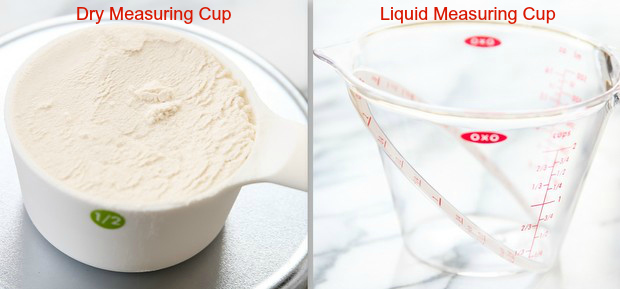
Have you ever reached for a measuring cup while cooking and wondered if the one you grabbed is right for the job? When a recipe calls for a cup of something, does it really matter if you use a dry measuring cup or a liquid one?
You might think they’re the same, but using the wrong type can change your results more than you expect. You’ll discover the key differences between dry and liquid measuring cups, why it matters for your cooking, and how to choose the right tool every time.
Keep reading, and you’ll never have to guess again when measuring ingredients.
Credit: www.kingarthurbaking.com
Dry Vs Liquid Measuring Cups
Measuring cups come in two main types: dry and liquid. Each type works best for certain ingredients.
Using the right cup helps get the right amount of ingredients for recipes.
Material Differences
Dry measuring cups are usually made from plastic, metal, or ceramic. These materials are sturdy and easy to fill.
Liquid measuring cups are often made from glass or clear plastic. This lets you see the liquid level clearly.
- Dry cups: plastic, metal, ceramic
- Liquid cups: glass, clear plastic
Design And Shape
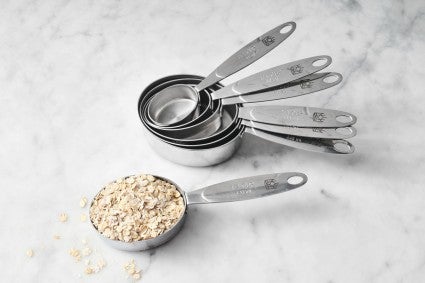
Dry measuring cups are small and come in sets for different sizes. They have straight sides for leveling off ingredients.
Liquid measuring cups have a spout for easy pouring. They are usually larger and have measurement marks on the side.
- Dry cups: small, straight sides, no spout
- Liquid cups: larger, spout, side markings
Measurement Accuracy
Dry cups are designed to hold dry ingredients packed or leveled. This helps get exact amounts.
Liquid cups allow you to measure liquids without spilling. You can check the level at eye height for accuracy.
- Dry cups: measure by filling and leveling
- Liquid cups: measure by pouring and reading at eye level
Credit: www.kingarthurbaking.com
How Dry Measuring Cups Work
Dry measuring cups are tools used to measure solid and dry ingredients. They come in sets with different sizes, like 1 cup, 1/2 cup, and 1/4 cup. These cups help ensure you use the right amount of ingredients in recipes.
Unlike liquid measuring cups, dry measuring cups are meant to be filled to the top and then leveled off. This method gives an accurate measurement of ingredients like flour, sugar, and oats.
Measuring Solid Ingredients
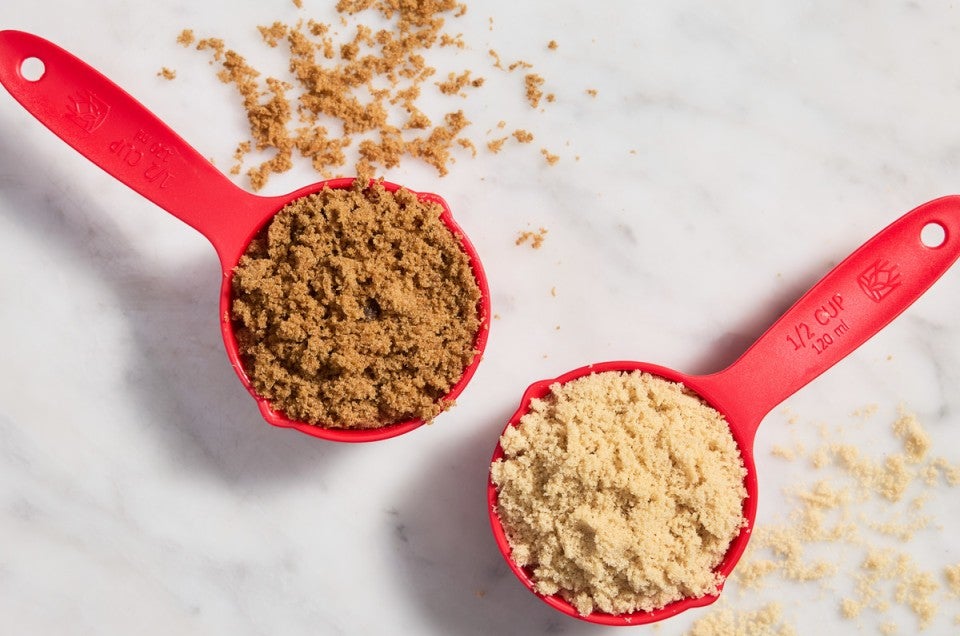
To measure solid ingredients, scoop the ingredient into the dry measuring cup. Fill it until it is overflowing. Do not shake or tap the cup to settle the ingredient. This keeps the amount consistent and true to the recipe.
- Use a spoon to scoop ingredients into the cup if needed.
- Fill the cup slightly above the rim.
- Do not pack the ingredient tightly unless the recipe says to.
- Level off the excess for an exact measure.
Leveling Technique
Leveling is important for accuracy. It means removing the extra ingredient that spills over the cup’s edge. This technique makes sure you do not add too much to your recipe.
| Tool | Purpose |
|---|---|
| Flat edge knife or spatula | Used to scrape off extra ingredient level with cup rim |
| Dry measuring cup | Holds the ingredient during leveling |
How Liquid Measuring Cups Work
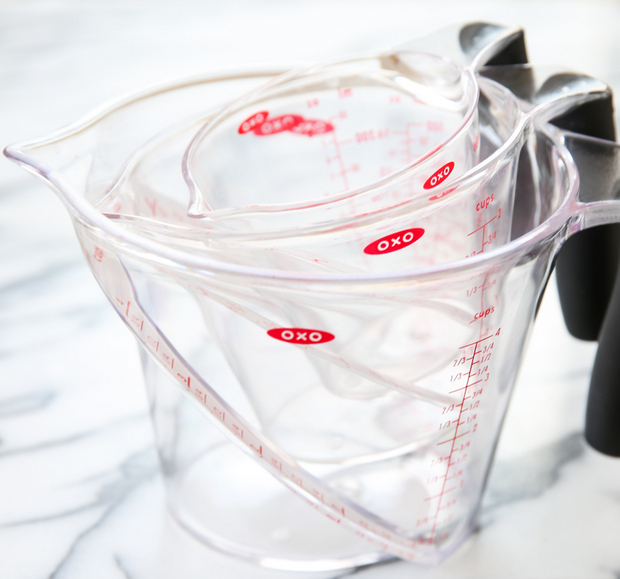
Liquid measuring cups are made to measure fluid ingredients accurately. They help you pour liquids without spilling. These cups usually have a spout for easy pouring.
Unlike dry measuring cups, liquid cups allow you to see the liquid level from the side. This makes it easier to measure liquids correctly.
Measuring Fluid Ingredients
Liquid measuring cups are clear and have marked lines on the side. These lines show different amounts in cups, ounces, or milliliters. This helps you measure the exact amount you need.
- Place the cup on a flat surface.
- Pour the liquid slowly into the cup.
- Check the measurement at eye level.
- Adjust the amount if needed by adding or removing liquid.
- Use the spout to pour the liquid without spilling.
Reading Meniscus
When measuring liquids, you must look at the meniscus. The meniscus is the curve on the surface of the liquid. This curve forms because of surface tension.
| Type of Liquid | How to Read Meniscus |
| Water and Most Liquids | Read the bottom of the curve at eye level |
| Mercury | Read the top of the curve at eye level |
Credit: kirbiecravings.com
Common Mistakes Using Cups Interchangeably
Many people use dry and liquid measuring cups without knowing the difference. This can cause errors in recipes. Dry cups are made for flour, sugar, and other powders. Liquid cups are for water, milk, and oil.
Using these cups the wrong way can change the texture and taste of food. It is important to measure ingredients correctly. This guide explains the impact on recipes and how to avoid mistakes.
Impact On Recipe Results
Using dry cups for liquids or liquid cups for dry items can cause problems. Dry cups pack ingredients tightly, which can add more than needed. Liquid cups allow space for liquids to settle and be exact.
- Dry ingredients measured in liquid cups may be less accurate.
- Liquid ingredients measured in dry cups can spill or be under-measured.
- Recipes may turn out too thick or too runny.
- Baking can fail due to wrong ingredient ratios.
- Cooking times may change because of texture differences.
Avoiding Measurement Errors
To get the best results, use the right cup for each ingredient. Here is a simple table that shows when to use dry or liquid cups.
| Type of Ingredient | Use Dry Measuring Cup | Use Liquid Measuring Cup |
| Flour, Sugar, Baking Powder | Yes | No |
| Milk, Water, Oil | No | Yes |
| Chopped Vegetables, Fruits | Yes | No |
| Syrups, Honey | No | Yes |
Choosing The Right Measuring Cup
Measuring ingredients correctly is important for cooking and baking. Using the right measuring cup helps get the best results.
There are two main types of measuring cups: dry and liquid. Each one works best for different ingredients.
When To Use Dry Cups
Dry measuring cups are best for ingredients that can be leveled off. These include flour, sugar, and grains.
You fill the cup and then level it with a flat edge. This helps get an exact amount for dry ingredients.
- Flour
- Sugar
- Oats
- Rice
- Cocoa powder
When To Use Liquid Cups
Liquid measuring cups work best for wet ingredients like water, milk, and oil. They often have a spout for easy pouring.
You can see the measurement marks on the side. This helps measure liquids without spilling or guessing.
- Water
- Milk
- Oil
- Broth
- Juice
Tips For Accurate Measuring
Measuring ingredients correctly is important for cooking and baking. Using the right tools helps avoid mistakes.
Dry measuring cups and liquid measuring cups look similar but work differently. Knowing how to use each can improve your results.
Tools And Techniques
Dry measuring cups are meant for solid ingredients like flour or sugar. They let you scoop and level off the top for an exact amount.
Liquid measuring cups have a spout and clear markings on the side. You fill them to the right line and check at eye level to avoid errors.
- Use dry cups for dry ingredients only.
- Use liquid cups for liquids like water or oil.
- Level dry ingredients with a flat edge for accuracy.
- Place liquid cups on a flat surface and read at eye level.
- Do not fill liquid cups above the highest marking.
Maintaining Measuring Cups
Keeping measuring cups clean helps keep measurements accurate. Residue or stains can change the amount you measure.
| Cleaning Tip | Reason |
| Wash after each use | Remove leftover ingredients |
| Dry thoroughly | Prevent water spots and clumps |
| Store in a dry place | Avoid damage and rust |
| Check for cracks or warping | Replace damaged cups for accuracy |
Frequently Asked Questions
Are Dry And Liquid Measuring Cups The Same?
No, they are not the same. Dry measuring cups are designed for solids like flour or sugar. Liquid measuring cups are for liquids like water or oil. They have different shapes to ensure accuracy. Using the correct cup type ensures precise measurements in cooking and baking.
Why Use Different Measuring Cups For Liquids And Solids?
Different measuring cups ensure accuracy in cooking. Liquid cups have spouts for easy pouring and prevent spills. Dry cups allow you to level off ingredients for exact measurements. Using the right cup type avoids mistakes in recipes and ensures perfect results in your dishes.
Can I Use A Liquid Cup For Dry Ingredients?
Using a liquid cup for dry ingredients isn’t recommended. Liquid cups lack the flat edge needed for leveling dry ingredients. This can lead to inaccurate measurements. For best results in baking and cooking, always use the appropriate measuring cup for each type of ingredient.
How Do I Measure Liquid Ingredients Correctly?
To measure liquids correctly, use a liquid measuring cup with a spout. Place it on a flat surface and bend down to eye level. Pour until the liquid reaches the desired measurement line. This method ensures precise measurements and helps prevent spills and inaccuracies.
Conclusion
Dry and liquid measuring cups serve different purposes in cooking. Dry cups measure ingredients like flour or sugar. Liquid cups measure water, milk, or oil. Using the wrong cup can cause recipe mistakes. Accuracy matters for good results. Choose the right tool for each ingredient.
This helps your food taste just right every time. Keep these tips in mind for better cooking and baking. Simple steps make a big difference in your kitchen.