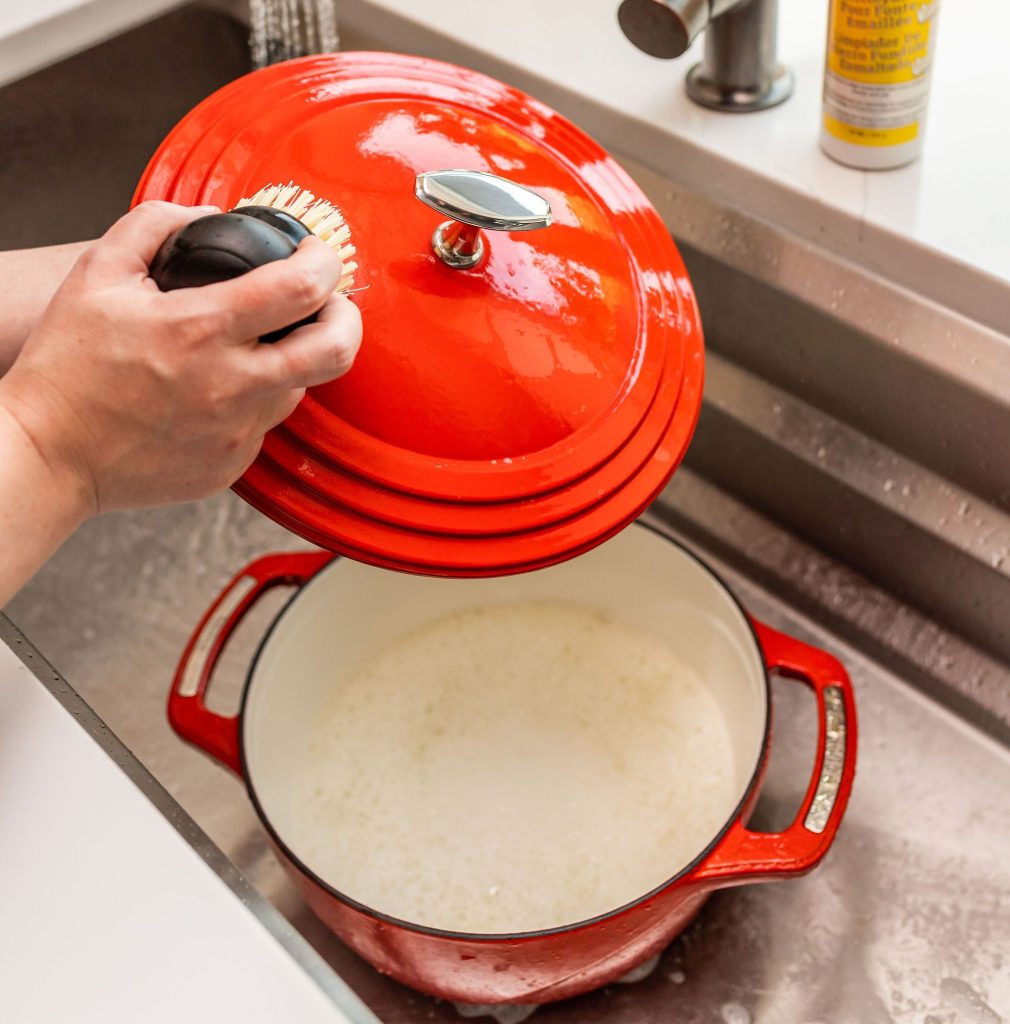
Is your enameled cast iron cookware a staple in your kitchen? If so, you might find yourself wondering whether it’s safe to toss it in the dishwasher for a quick and easy clean-up.
After all, who doesn’t love saving time on chores? This question can stir up a mix of curiosity and concern, especially when you consider the durability and beauty of your beloved cookware. You want to protect your investment, but you also crave convenience.
So, what’s the real scoop on enameled cast iron and dishwashers? Get ready to uncover the truth as we delve into the details, ensuring that your cookware remains both functional and fabulous. Keep reading to discover whether your enameled cast iron can handle the heat of a dishwasher, and make informed decisions that will keep your kitchen running smoothly.
Enameled Cast Iron Basics
Enameled cast iron cookware has become a favorite in many kitchens due to its durability and versatility. Understanding the basics of this material helps you care for it properly and decide if it fits your cooking style. Let’s take a closer look at what makes enameled cast iron unique and how you can use it effectively.
Material And Coating Features
Enameled cast iron is made from heavy cast iron coated with a layer of enamel, which is a type of glass fused onto the metal at high temperatures. This coating prevents rust and eliminates the need for seasoning like traditional cast iron.
The enamel layer is smooth and non-porous, so it doesn’t absorb flavors or odors. It also provides a colorful, attractive finish that comes in many shades.
However, the enamel can chip if dropped or struck hard, so handle your cookware with care. Have you noticed how much easier cleaning is compared to regular cast iron?
Common Uses In The Kitchen
Enameled cast iron is excellent for slow-cooking, braising, roasting, and even baking. Its heavy weight helps distribute heat evenly, making it perfect for dishes that require consistent temperatures.
- Simmering stews and soups without worrying about sticking
- Roasting vegetables or meats in the oven
- Baking bread that needs a crisp crust
- Cooking acidic foods like tomato sauce, which can react with plain cast iron
Many home cooks, including myself, find it invaluable for one-pot meals that go from stovetop to oven seamlessly. What types of dishes do you think you’d enjoy making most with enameled cast iron?

Credit: www.amazon.com
Dishwasher Safety Concerns
Using your enameled cast iron cookware in the dishwasher might seem like a convenient option, but it’s important to understand the potential risks. Dishwashers expose your cookware to harsh detergents and high heat, which can affect its longevity and appearance. Let’s break down what happens during a dishwasher cycle and why you might want to think twice before tossing your beloved pot or pan in there.
Effects Of Detergents And Heat
Dishwasher detergents are designed to be tough on grease and stuck-on food. They often contain strong chemicals like phosphates and chlorine, which can be abrasive to the enamel coating over time.
High water temperatures combined with these detergents can cause the enamel to dull or lose its shine. Have you noticed your cookware looking less vibrant after a few dishwasher cycles? This could be why.
Even if the enamel doesn’t chip immediately, repeated exposure to these conditions gradually weakens the protective layer. This means your cookware might become more prone to stains and discoloration sooner than you expect.
Potential Damage To Enamel Surface
The enamel surface on cast iron is durable but not invincible. Dishwasher cycles can cause micro-cracks or tiny chips that are invisible at first but expand with use.
Once the enamel layer is compromised, rust can develop on the cast iron underneath, damaging both the cookware and your food’s taste.
Think about the last time you noticed a small chip in your enamel. Did it come from accidental dropping, or could it be the dishwasher’s harsh environment? Avoiding the dishwasher helps keep that smooth, protective surface intact.
Manufacturer Recommendations
Manufacturer recommendations are key to caring for enameled cast iron cookware. These guidelines help maintain the cookware’s quality and extend its life. Following the advice from the makers ensures safe use and proper cleaning techniques. It is important to understand what manufacturers suggest about dishwasher use.
Typical Care Instructions
Most manufacturers advise hand washing enameled cast iron. They recommend using warm water, mild soap, and a soft sponge. Avoid abrasive scrubbers that can scratch the enamel surface. Dry the cookware thoroughly to prevent rusting on exposed cast iron edges. Some brands allow gentle dishwasher use but warn it may dull the enamel over time. Always check the specific care label or manual included with your cookware.
Warranty And Dishwasher Use
Many warranties do not cover damage caused by dishwashers. Harsh dishwasher detergents and high heat can harm the enamel finish. Using a dishwasher might lead to chips or cracks, which void the warranty. Manufacturers often state that hand washing is the safest way to protect the cookware. Reading the warranty details helps avoid costly repairs or replacements.
Handwashing Benefits
Handwashing your enameled cast iron cookware offers benefits that go beyond just cleanliness. Taking the time to wash by hand helps maintain your pot or pan’s quality, ensuring it looks and performs well for years. Have you ever noticed how some dishes keep their shine longer when you avoid the dishwasher?
Preserving Color And Finish
Dishwashers can be harsh on the enamel coating, often causing dullness or even chipping over time. Handwashing lets you control the water temperature and cleaning agents, reducing the risk of damage.
Using a soft sponge with mild soap protects the vibrant colors and glossy finish that make your cookware unique. You keep the surface smooth and attractive, so every meal you prepare looks as good as it tastes.
Removing Stubborn Residue
Handwashing gives you the chance to focus on problem spots that a dishwasher might miss. Scrubbing gently but thoroughly allows you to remove burnt-on food and grease without risking enamel damage.
If you soak the pan briefly in warm water, stuck-on residue softens and comes off easily with a non-abrasive sponge. This simple step often prevents the need for harsh scrubbing or chemicals.
Safe Dishwasher Practices
Knowing how to handle your enameled cast iron in the dishwasher can save you from costly damage. Safe dishwasher practices help preserve the finish and extend the life of your cookware. Let’s look at when it might be okay to use the dishwasher and what precautions you should take to protect your investment.
When It Might Be Acceptable
Some enameled cast iron pieces can survive a dishwasher cycle, especially if they have a high-quality, durable enamel coating. If your manufacturer’s instructions say the cookware is dishwasher safe, you have more leeway. However, even then, frequent dishwasher use can dull the enamel over time.
Think about how often you need to use the dishwasher for cleaning. Is it for convenience or necessity? Occasional dishwasher runs might be fine, but daily cycles could wear down the finish faster than hand washing.
Precautions To Take
- Check the manufacturer’s label.Always confirm if your cookware is labeled dishwasher safe before proceeding.
- Avoid harsh detergents.Use gentle, non-abrasive dishwasher detergents to minimize enamel damage.
- Place carefully in the dishwasher.Keep your enameled cast iron separate from metal items to prevent chipping or scratching.
- Use the gentle cycle.High heat and aggressive washing can harm the enamel surface, so opt for a mild setting.
- Dry promptly.Remove the cookware immediately after the cycle ends to prevent water spots or rust on exposed areas.
Have you noticed your enameled cast iron losing its shine after dishwasher use? Sometimes, a little extra care during cleaning can make a big difference in how your cookware looks and performs over time.
Stain And Odor Removal Tips
Stains and odors can linger on your enameled cast iron if not cleaned properly. Removing these effectively helps keep your cookware looking fresh and smelling clean. Here are some tips that focus on gentle, natural approaches and avoiding damage during cleaning.
Natural Cleaning Methods
Try using simple ingredients like baking soda and vinegar to tackle tough stains. Sprinkle baking soda inside your cookware, add a little water to make a paste, and let it sit for 15 minutes before scrubbing gently.
Another trick is to fill your pot with warm water and a cup of white vinegar, then let it soak for an hour. This helps break down residue and neutralizes odors without harsh chemicals.
Have you ever noticed how lemon juice brightens and freshens surfaces? Rubbing a cut lemon over stubborn spots can lift stains and leave a pleasant scent behind.
Avoiding Abrasive Cleaners
Hard scrubbing pads and harsh powders might seem like a quick fix, but they can scratch your enamel surface. These scratches trap food and odors, making cleaning harder over time.
Stick to soft sponges or cloths for washing. If you need extra scrubbing power, use a nylon scrubber designed for delicate surfaces to protect your cookware’s finish.
Think about how you treat your favorite mug or plate—would you use steel wool on them? Treat your enameled cast iron with the same gentle care to maintain its beauty and performance.
Storage And Maintenance
Proper storage and maintenance play a key role in keeping your enameled cast iron cookware in top shape. These heavy-duty pots and pans can last for decades if you treat them well. Knowing how to care for them helps prevent common problems like rust and chipping, ensuring your investment stays reliable and beautiful.
Preventing Rust And Chipping
Even though enameled cast iron resists rust better than bare cast iron, chips in the enamel can expose the metal underneath. This exposure can lead to rust if not addressed quickly. Avoid stacking your cookware without protection; place a cloth or paper towel between pieces to prevent scratching and chipping.
After washing, dry your cookware thoroughly with a soft cloth to eliminate any moisture. Moisture trapped between stacked pots or lids invites rust and weakens the enamel. Have you ever noticed tiny chips or rough spots? These are signs to adjust your storage habits before damage spreads.
Seasoning And Care Routines
Unlike bare cast iron, enameled versions don’t need seasoning to build a non-stick surface. However, maintaining the enamel requires gentle care during use and cleaning. Avoid harsh scrubbers; instead, choose non-abrasive sponges or brushes to protect the smooth coating.
If stuck-on food occurs, soak the pan in warm soapy water for a while before cleaning. This simple routine saves your enamel from unnecessary wear. Do you inspect your cookware after each use? Spotting small issues early makes repair easier and prevents costly replacements.

Credit: cookswarehouse.com
Credit: www.thekitchn.com
Frequently Asked Questions
Is Enameled Cast Iron Safe For Dishwasher Cleaning?
Enameled cast iron is generally dishwasher safe, but hand washing is recommended. Dishwashers can dull the enamel and cause chipping over time. Gentle cleaning preserves the cookware’s finish and longevity.
Can Dishwasher Damage Enameled Cast Iron Cookware?
Yes, dishwashers can damage enameled cast iron by causing enamel chipping and dulling. Harsh detergents and high heat reduce the cookware’s lifespan. Hand washing with mild soap is safer.
How To Clean Enameled Cast Iron Without A Dishwasher?
Use warm water, mild dish soap, and a soft sponge to clean enameled cast iron. Avoid abrasive scrubbers to prevent scratching the enamel surface. Dry thoroughly to avoid rust on exposed cast iron edges.
Does Dishwasher Detergent Harm Enameled Cast Iron?
Dishwasher detergents contain harsh chemicals that can erode enamel coating. Frequent dishwasher use may lead to discoloration and surface damage. For best care, clean by hand with gentle soap.
Conclusion
Enameled cast iron can handle dishwashers, but care is needed. Harsh detergents may damage the enamel surface over time. Hand washing with mild soap keeps your cookware safe and shiny. Avoid sudden temperature changes to prevent cracks or chips. Taking simple steps extends the life of your cast iron.
Clean it gently to enjoy cooking for many years. Is it dishwasher safe? Yes, but hand washing works best. Choose what fits your routine and protect your investment.