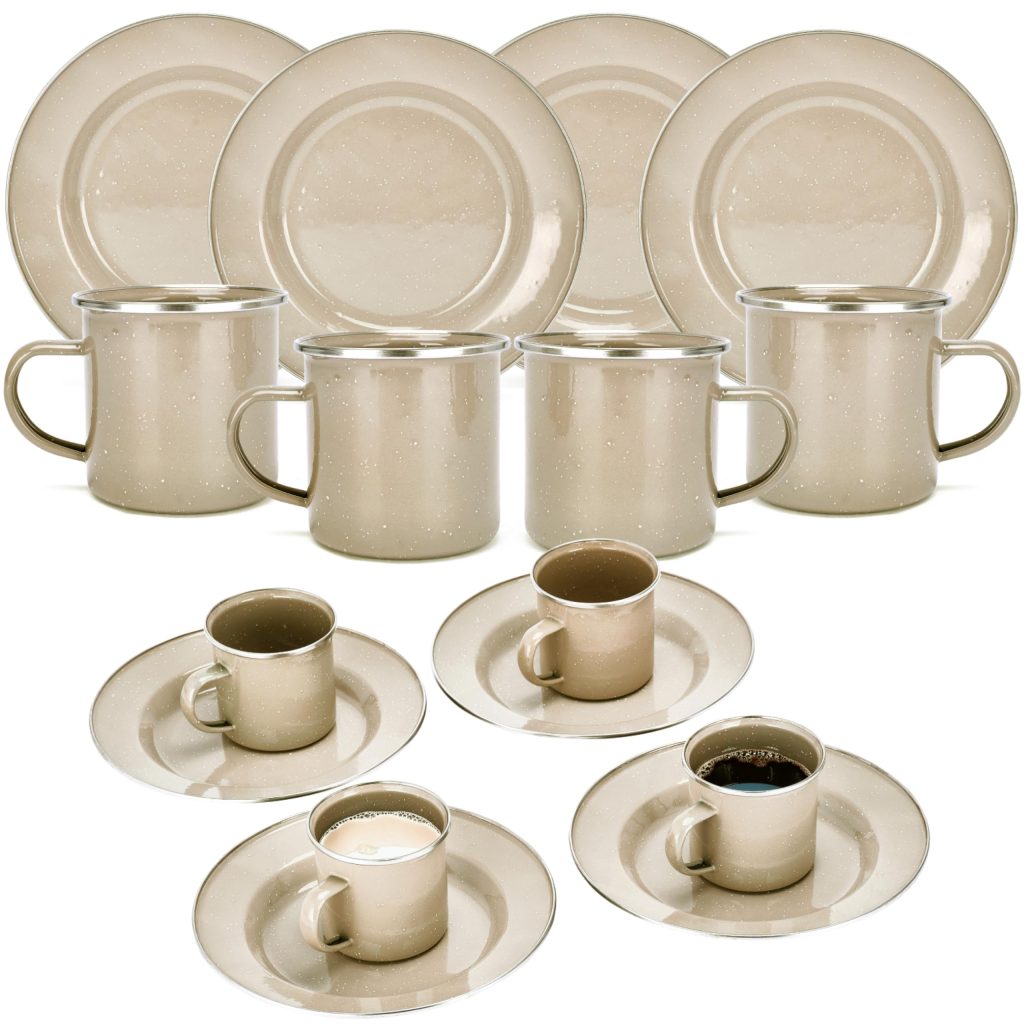
Are you wondering if your beautiful enamelware can safely go in the dishwasher? You’re not alone.
Enamelware, with its vibrant colors and timeless appeal, is a favorite in many kitchens. But before you toss it in with your other dishes, it’s crucial to know how it holds up in the dishwasher. Your enamelware’s longevity and appearance might depend on it.
We’ll dive into everything you need to know about caring for your enamelware. Discover the secrets to keeping it looking as good as new, while ensuring it’s safe and clean for every meal. Stay with us to learn the best tips and tricks!

Credit: www.amazon.com
Enamelware Basics
Enamelware has gained popularity for its charming look and practical use. It combines classic design with durable materials. Many people wonder about how to care for enamelware, especially its dishwasher safety. Understanding the basics helps you maintain it well and enjoy its benefits.
What Is Enamelware Made Of
Enamelware is metal coated with a layer of glassy enamel. The base is usually steel, iron, or aluminum. This metal core gives strength and shape to the item. The enamel coating adds a smooth, colorful finish. It also protects the metal from rust and scratches. The enamel is fired at high heat to bond firmly to the metal.
This combination makes enamelware tough yet attractive. It feels like ceramic but resists breaking easily.
Common Uses In Kitchens
Enamelware is popular for many kitchen tools. It often appears as:
- Cooking pots and pans
- Baking dishes and trays
- Mugs and cups
- Serving bowls and plates
- Storage containers
Its heat resistance and easy cleaning make it great for cooking. The bright colors add style to kitchen shelves. Enamelware also works well for outdoor use, like camping meals.

Credit: www.amazon.ca
Dishwasher Safety For Enamelware
Wondering if your enamelware can safely go into the dishwasher? Understanding how dishwashers affect enamelware helps you protect your favorite kitchen pieces. The good news is, many enamelware items are dishwasher safe, but there are important details to consider to keep them looking great.
How Dishwashers Affect Enamelware
Dishwashers use high heat and strong detergents that can wear down enamel surfaces over time. The constant exposure to water jets and detergent can cause tiny chips or dull the glossy finish. If your enamelware has any cracks or chips already, the dishwasher may worsen the damage.
Think about how you hand wash delicate items; the dishwasher is harsher. Placing enamelware too close to other dishes may cause them to knock against each other, increasing the risk of chipping. You might want to separate them or use a dedicated rack space.
Manufacturer Recommendations
Always check the care instructions from the enamelware maker. Many brands specify whether their products are dishwasher safe and advise on the best settings to use. Some recommend using the gentle or eco cycle to reduce heat and water pressure.
If you can’t find clear instructions, it’s safer to hand wash your enamelware. Using mild soap and a soft sponge helps maintain the finish longer. Have you ever experienced enamelware losing its shine or chipping after a dishwasher run? Following manufacturer advice can prevent this.
Signs Of Damage From Dishwashers
Dishwashers are a convenient way to clean your enamelware, but they can also cause subtle damage over time. Recognizing the early signs of wear can help you decide when to switch to hand washing. Paying attention to these warning signals protects your favorite pieces and keeps them looking great longer.
Chipping And Cracking
Have you noticed small chips or cracks appearing on your enamelware? These flaws often start at the edges or where the enamel meets the metal base. Dishwashers use high-pressure water jets and strong detergents, which can gradually weaken the enamel coating.
Once the enamel cracks, moisture can seep underneath, leading to rust spots and further damage. If your enamelware feels rough or looks uneven in certain spots, it might be time to skip the dishwasher. How often do you check your enamelware for these tiny cracks?
Fading And Discoloration
Is your enamelware losing its bright color or developing dull patches? This fading happens because dishwasher detergents contain harsh chemicals designed to remove tough stains, but they can also strip enamel’s vibrant finish.
Repeated dishwasher cycles may cause your enamelware to look worn out and less appealing. You might see colors turning pale or even yellowish over time. Consider if you’re willing to trade convenience for preserving that rich enamel shine on your dishes.
Handwashing Tips For Enamelware
Handwashing enamelware keeps it safe and looking good longer. Proper care prevents chipping and fading. Gentle washing preserves the enamel coating and its shine.
Use warm water and mild soap. Avoid harsh scrubbing tools that can damage the surface. Rinse thoroughly to remove all soap residues. Dry immediately with a soft cloth to prevent water spots.
Best Cleaning Methods
- Use a soft sponge or cloth for washing.
- Wash enamelware soon after use to avoid stains.
- Soak stubborn food bits in warm, soapy water before cleaning.
- Avoid metal scrubbers or abrasive pads that scratch enamel.
- Dry enamelware with a towel to avoid rust on exposed metal edges.
Safe Cleaning Products
- Mild dish soap is ideal for gentle cleaning.
- Baking soda works well to remove light stains without damage.
- White vinegar diluted in water helps eliminate odors and stains.
- Avoid bleach or strong chemical cleaners that harm enamel.
- Never use oven cleaners or bleach-based products on enamelware.
Storage And Maintenance
Proper storage and maintenance keep enamelware looking great and lasting longer. Careful handling helps avoid damage and preserves its beauty. Simple habits make a big difference in enamelware’s lifespan.
Preventing Scratches And Chips
Always avoid stacking enamelware without protection. Use soft cloth or paper towels between pieces. Handle enamelware gently to prevent bumps and drops. Avoid metal utensils that can scratch the surface. Choose wooden or silicone tools instead for cooking and serving.
Long-term Care Advice
- Clean enamelware with mild soap and warm water only.
- Do not use abrasive scrubbers or harsh chemicals.
- Dry completely before storing to prevent rust on exposed metal edges.
- Store enamelware in a dry, cool place away from moisture.
- Inspect regularly for chips and repair small damages quickly.
When To Replace Enamelware
Enamelware is durable and stylish, but it does not last forever. Knowing when to replace it keeps your kitchen safe and efficient. Regularly checking your enamelware helps you spot problems early. This saves you from risks and poor cooking experiences.
Recognizing Irreparable Damage
Look for chips or cracks in the enamel coating. These flaws expose the metal underneath. Rust spots often appear around damaged areas. Scratches that are deep and wide can weaken the enamel. If the surface peels or flakes, the enamel is failing. Such damage cannot be fixed by cleaning or polishing.
Safety Concerns
Damaged enamelware can release harmful metals into food. Bacteria may grow in cracks and chips, causing health risks. Using broken enamelware can cause cuts or injuries. Heat distribution becomes uneven with damaged surfaces. This affects cooking results and may burn food. Always replace enamelware that shows signs of wear affecting safety.

Credit: www.amazon.ca
Frequently Asked Questions
Is Enamelware Safe To Clean In A Dishwasher?
Yes, most enamelware is dishwasher safe. However, hand washing extends its lifespan and prevents chipping or fading.
Can Dishwasher Damage Enamelware Coating?
Dishwashers can cause enamel coating to chip or dull over time. Gentle hand washing is recommended for longevity.
How To Properly Clean Enamelware Without Damage?
Use mild detergent and a soft sponge for cleaning enamelware. Avoid abrasive scrubbers or harsh chemicals to prevent scratches.
Does Dishwasher Detergent Affect Enamelware Quality?
Harsh dishwasher detergents can erode enamel surfaces. Using mild detergents or hand washing preserves enamelware’s finish and color.
Conclusion
Enamelware can usually go in the dishwasher safely. Still, gentle cycles protect its finish best. Avoid harsh detergents to keep colors bright. Hand washing helps if you want to be extra careful. Taking simple steps extends the life of your enamelware.
It stays beautiful and useful for years. Enjoy cooking and cleaning without worry. Your enamelware will thank you with long-lasting charm.