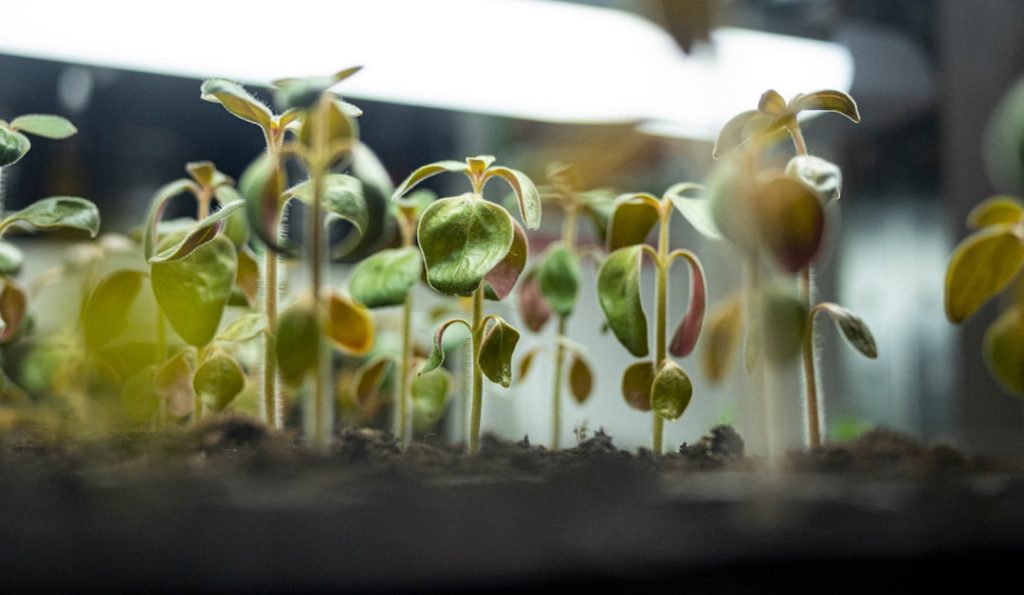
Have you ever wondered why some plants in your garden grow tall and strong, while others struggle to survive? You might think sunlight or water is the only key to healthy plants, but what about food?
Yes, food—or more precisely, nutrients—can play a crucial role in your plants’ growth. If you want your plants to thrive, understanding whether food is a limiting factor can change everything. Keep reading to discover how the right nutrients impact your plants and what you can do to give them the best chance to flourish.
Role Of Nutrients In Plant Growth
Nutrients are vital for plants to grow strong and healthy. They help plants build leaves, flowers, and roots. Without enough nutrients, plants cannot survive well.
Plants get nutrients from the soil and water. These nutrients support many functions inside the plant. They affect how plants make food and fight diseases.
Essential Nutrients Plants Need
Plants need many nutrients to grow. These are split into two groups: macronutrients and micronutrients. Each nutrient has a special role in plant growth.
- Nitrogen (N) helps leaves grow green and healthy.
- Phosphorus (P) supports root and flower development.
- Potassium (K) improves overall plant strength and disease resistance.
- Calcium (Ca) builds strong cell walls.
- Magnesium (Mg) is key for photosynthesis.
- Iron (Fe) helps plants make chlorophyll, the green pigment.
- Zinc (Zn) supports enzyme function and growth.
Macronutrients Vs Micronutrients
Macronutrients are needed in large amounts. Micronutrients are needed in tiny amounts but are still very important. Both types keep plants healthy and growing.
| Type | Examples | Role |
|---|---|---|
| Macronutrients | Nitrogen, Phosphorus, Potassium | Help build leaves, roots, and fruits |
| Macronutrients | Calcium, Magnesium, Sulfur | Support cell structure and photosynthesis |
| Micronutrients | Iron, Zinc, Manganese, Copper | Assist enzymes and chlorophyll formation |
How Nutrients Affect Plant Health
Good nutrition helps plants resist pests and diseases. It also improves their ability to grow in tough conditions. Lack of nutrients makes plants weak and less productive.
- Strong roots help plants absorb water better.
- Healthy leaves make more food through photosynthesis.
- Proper nutrients increase flower and fruit production.
- Plants with good nutrition recover fast from stress.
Credit: leafrootfruit.substack.com
Soil Quality And Nutrient Availability
Plants need good soil to grow strong and healthy. Soil quality affects how plants get food. Nutrients in soil are essential for plant growth.
Understanding soil and nutrients helps us see if food limits plant growth. Good soil supports nutrient supply to plants.
Soil Composition And Fertility
Soil is made of minerals, organic matter, water, and air. These parts decide soil fertility. Fertile soil has many nutrients plants need.
- Minerals provide essential elements like nitrogen and phosphorus.
- Organic matter helps soil hold water and nutrients.
- Water dissolves nutrients so plants can absorb them.
- Air in soil gives roots oxygen to grow.
Impact Of Soil Ph On Nutrient Absorption
Soil pH measures how acidic or alkaline soil is. It affects nutrient availability for plants. Some nutrients work best in certain pH ranges.
| Soil pH Range | Effect on Nutrients |
| 5.0 – 6.0 (Slightly Acidic) | Good for iron, manganese, and phosphorus absorption |
| 6.0 – 7.0 (Neutral) | Best range for most nutrients |
| 7.0 – 8.0 (Alkaline) | Limits availability of iron, zinc, and phosphorus |
Role Of Microorganisms In Nutrient Cycling
Microorganisms like bacteria and fungi help break down organic matter. This process releases nutrients plants can use. They keep soil healthy and fertile.
Important roles of microorganisms include:
- Decomposing dead plants and animals
- Fixing nitrogen from the air into soil
- Helping plants absorb nutrients by forming root partnerships
- Improving soil structure and moisture retention
Common Nutrient Deficiencies In Plants
Plants need nutrients to grow well. Lack of these nutrients can limit their growth. Understanding common deficiencies helps in keeping plants healthy.
Nitrogen, phosphorus, and potassium are key nutrients for plants. Deficiencies in these can cause visible symptoms. Micronutrients are also important for plant health.
Symptoms Of Nitrogen Deficiency
Nitrogen is crucial for plant growth. When plants lack nitrogen, they show specific symptoms. Leaves may turn yellow, especially older leaves.
Growth slows down and the plant may appear stunted. The overall plant color can become pale.
- Yellowing of older leaves
- Stunted growth
- Pale plant color
Effects Of Phosphorus And Potassium Shortage
Phosphorus helps plants develop roots and flowers. When lacking, plants may have poor root growth. Leaves might have a purple tint.
Potassium is needed for strong stems and disease resistance. A shortage can cause weak stems and brown leaf edges.
- Poor root development
- Purple-tinted leaves
- Weak stems
- Brown leaf edges
Identifying Micronutrient Deficits
Micronutrients are needed in small amounts but are still vital. Iron deficiency can make new leaves yellow with green veins.
Zinc deficiency may cause small leaves and short stems. Manganese deficiency can lead to yellow spots between veins.
| Iron | Yellow leaves with green veins |
| Zinc | Small leaves, short stems |
| Manganese | Yellow spots between veins |

Credit: www.youtube.com
Other Factors Influencing Plant Growth
Plants need many things to grow well besides food. These factors affect their health and size.
Light, water, and temperature play big roles in plant growth. Each one helps plants in different ways.
Light And Photosynthesis
Plants use light to make food through photosynthesis. Light gives energy for growth and development.
Without enough light, plants grow slowly and look weak. Too much light can also harm them.
- Light helps create sugars for energy
- Plants need the right light amount daily
- Different plants need different light levels
Water Availability And Irrigation
Water is essential for plants to carry nutrients and stay healthy. It also helps in photosynthesis.
Too little water causes plants to wilt and stop growing. Too much water can cause root damage.
- Water moves nutrients inside plants
- Regular watering supports steady growth
- Irrigation helps in dry or hot places
Temperature And Climate Effects
Temperature affects how fast plants grow. Each plant has a best temperature range.
Cold weather can slow growth or kill plants. Hot weather can dry plants out quickly.
- Optimal temperatures improve enzyme activity
- Plants adapt to local climate conditions
- Sudden temperature changes may harm plants
When Food Becomes A Limiting Factor
Plants need nutrients to grow and stay healthy. Food for plants means the nutrients in the soil. Sometimes, these nutrients are not enough. This lack can slow down plant growth.
Understanding when food is a limiting factor helps farmers and gardeners. It can improve plant health and crop results.
Conditions Leading To Nutrient Limitations
Several conditions cause plants to lack nutrients. Poor soil quality is a main reason. Soil that loses nutrients over time cannot support strong plants.
- Heavy rain can wash nutrients away from the soil.
- Farming the same land without adding nutrients reduces soil quality.
- Soil with bad pH levels can lock nutrients, making them unavailable.
- Plants growing too close together compete for the same nutrients.
Impact On Crop Yield And Quality
Nutrient shortages affect how much crops grow and their quality. Plants may be smaller and weaker. Fruits and vegetables might not taste good or look healthy.
| Effect | Description |
| Reduced Growth | Plants grow slower and are smaller in size. |
| Poor Fruit Quality | Fruits have less flavor and fewer nutrients. |
| Lower Yield | Fewer crops are produced per area. |
| Increased Disease | Weak plants get sick more often. |
Strategies To Overcome Nutrient Deficiencies
Farmers and gardeners use many methods to fix nutrient problems. Adding fertilizers is common. Using natural compost helps return nutrients to soil.
- Test soil regularly to know which nutrients are missing.
- Apply fertilizers based on soil test results.
- Use crop rotation to keep soil healthy.
- Plant cover crops to add nutrients naturally.
- Water plants properly to help nutrient uptake.
Fertilizers And Soil Amendments
Plants need nutrients to grow well. Fertilizers and soil amendments help provide these nutrients.
Using the right type and amount can improve soil health and plant growth.
Types Of Fertilizers And Their Uses
There are many types of fertilizers. Each type has a specific use in helping plants grow.
- Nitrogen fertilizers help leaves grow green and strong.
- Phosphorus fertilizers support root and flower development.
- Potassium fertilizers improve overall plant health and disease resistance.
- Micronutrient fertilizers add small but essential elements like iron and zinc.
Organic Vs Synthetic Options
Organic fertilizers come from natural sources like compost and manure. They release nutrients slowly.
Synthetic fertilizers are made from chemicals. They provide nutrients quickly but may harm soil life if overused.
| Type | Source | Release Speed | Effect on Soil |
| Organic | Plant or animal matter | Slow | Improves soil structure |
| Synthetic | Chemical compounds | Fast | May reduce soil microbes |
Best Practices For Fertilizer Application
Use fertilizers in the right amount to avoid waste and harm to plants.
- Test your soil before applying fertilizers.
- Apply fertilizers evenly around the plant base.
- Water plants after applying to help nutrients reach roots.
- Follow guidelines on fertilizer packaging for safe use.
- Avoid applying before heavy rain to prevent runoff.
Sustainable Approaches To Nutrient Management
Plants need food to grow, but too much or too little nutrients can harm them. Farmers use smart methods to feed plants while keeping the soil healthy.
These methods help save resources and protect the environment. They also keep the land productive for the future.
Crop Rotation And Cover Crops
Crop rotation means growing different crops in the same field in different seasons. Cover crops are plants grown to protect and improve the soil.
- Crop rotation stops pests and diseases from building up.
- Cover crops add nutrients to the soil, like nitrogen.
- Both methods reduce the need for chemical fertilizers.
- They help keep the soil loose and full of life.
Soil Testing And Precision Farming
Soil testing shows what nutrients the soil has and what it needs. Precision farming uses technology to apply the right amount of nutrients in the right places.
| Method | Benefit |
| Soil Testing | Prevents nutrient waste |
| Precision Farming | Increases crop yield |
| Variable Rate Application | Reduces fertilizer use |
Reducing Environmental Impact
Too much fertilizer can harm water and air. Farmers use ways to lower this impact and keep nature safe.
- Use organic fertilizers and compost.
- Plant buffer strips near water bodies.
- Control erosion with ground cover.
- Monitor nutrient runoff regularly.

Credit: www.no-tillfarmer.com
Frequently Asked Questions
What Does “limiting Factor” Mean For Plant Growth?
A limiting factor restricts plant growth by being in short supply. It can be nutrients, water, light, or space. When food or nutrients are scarce, plants cannot grow optimally or produce enough energy. Identifying limiting factors helps improve plant health and yield.
Is Food Always The Main Limiting Factor For Plants?
No, food is not always the main limiting factor. Light, water, temperature, or soil quality can also limit growth. The limiting factor depends on the plant species and environmental conditions. Sometimes, nutrients in the soil are sufficient, and other factors become more critical.
How Does Nutrient Deficiency Limit Plant Growth?
Nutrient deficiency limits growth by reducing vital functions like photosynthesis and cell division. Essential nutrients like nitrogen, phosphorus, and potassium are crucial. Without enough nutrients, plants show poor development, yellowing leaves, and reduced yield. Correcting deficiencies improves overall plant health and productivity.
Can Adding Fertilizer Solve Food Limitation For Plants?
Yes, adding fertilizer can solve nutrient limitations if used correctly. Fertilizers supply essential nutrients that might be missing in soil. However, excess fertilizer can harm plants and the environment. Proper soil testing and balanced fertilization are key for effective results.
Conclusion
Plants need many things to grow well. Food, like nutrients from soil, plays a big role. But it is not the only factor. Water, sunlight, and air also matter a lot. Sometimes, lack of food slows growth. Other times, water or light limits plants more.
Understanding these needs helps gardeners and farmers. It leads to healthier plants and better harvests. So, food is important but not always the main limit. Each plant’s environment is different. Care and balance make plants thrive.