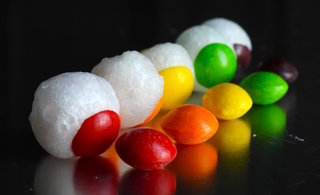
Craving something sweet and crunchy that’s a bit out of the ordinary? Freeze dried candy might have caught your eye.
It’s colorful, fun, and seems like a new twist on your favorite treats. But you might be wondering, is freeze dried candy bad for you? You’re not alone. Many people are curious about what freeze dried candy really offers beyond its unique texture and taste.
Does it fit into a healthy lifestyle, or is it just another sugary temptation? Keep reading, because we’re about to dive into the surprising truths behind this trendy snack. You’ll discover whether freeze dried candy deserves a spot in your pantry or if it’s best left on the shelf.
What Is Freeze Dried Candy
Freeze dried candy might sound like a futuristic treat, but it’s simply candy that has had its moisture removed through a special freezing process. This method changes the texture and sometimes the flavor, making the candy light and crunchy. If you’ve ever wondered what sets freeze dried candy apart from regular sweets, understanding what it really is can help you decide if it’s something you want to try.
How Freeze Drying Works
Freeze drying removes water from candy by first freezing it solid. Then, the candy is placed in a vacuum where the ice turns directly into vapor without melting. This process keeps the candy’s shape and flavor intact but gives it a dry, crunchy texture.
You might notice that freeze dried candy feels almost like a crunchy cloud in your mouth. It’s a different experience than chewing regular candy, which can make it fun or strange depending on your taste. Have you ever tried a snack that completely changed the way it felt or tasted just by changing its texture?
Popular Types Of Freeze Dried Candy
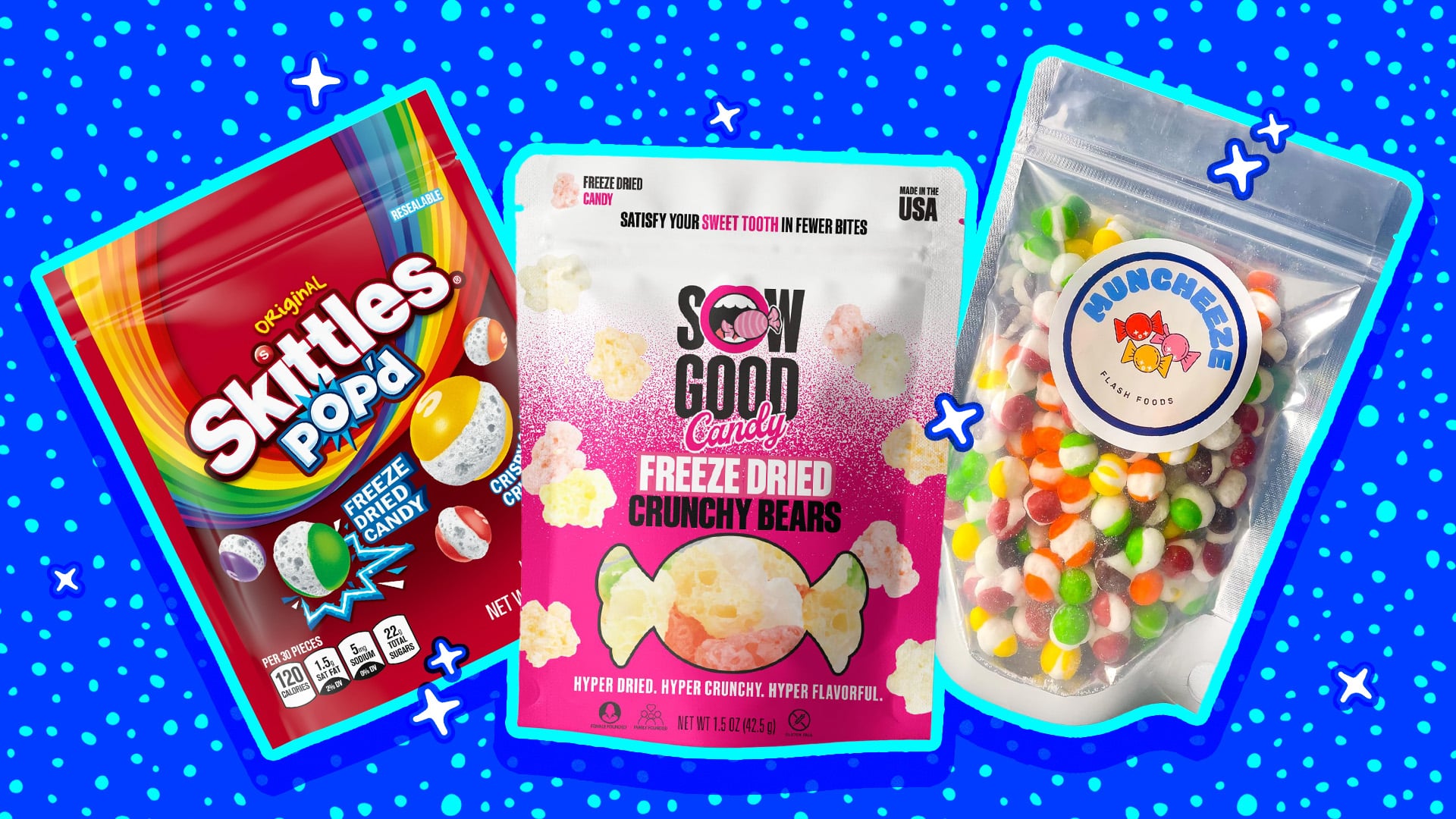
- Freeze Dried Skittles:These become crunchy and almost melt in your mouth, offering an intense fruit flavor.
- Freeze Dried Gummies:Gummies lose their chewiness but gain a crispy snap, making them a hit for those who don’t like sticky candy.
- Freeze Dried Chocolate:Chocolate bars or pieces lose moisture, which can make them lighter and sometimes more brittle.
- Freeze Dried Marshmallows:These become airy and crunchy, perfect for adding texture to snacks or eating alone.
Trying different freeze dried candies can surprise your palate. You might find a new favorite treat or decide that the classic chewy candy suits you better. What’s your go-to candy texture? This could be a fun way to experiment without buying a whole new type of candy.

Credit: parade.com
Nutritional Profile
Understanding the nutritional profile of freeze dried candy is key to deciding if it fits into your diet. While it might seem like a fun twist on traditional sweets, the changes in texture and moisture can affect its sugar, calorie, and fat content. Let’s look closer at what you’re really eating when you choose freeze dried candy over the regular kind.
Sugar Content Comparison
Freeze drying removes water but keeps most of the sugars intact, which means the candy’s sugar concentration can actually increase per serving. You might notice a more intense sweetness because the sugars are less diluted by moisture.
Consider a regular gummy bear versus its freeze dried version:
- Regular gummy bear: about 2 grams of sugar per piece
- Freeze dried gummy bear: roughly the same sugar amount but in a smaller, lighter piece
This means you could easily consume more sugar if you eat the same volume of freeze dried candy. Have you ever found yourself eating more because it feels lighter or crunchier? That’s your body tricked by texture, not a lower sugar load.
Calorie And Fat Levels
The calorie content in freeze dried candy generally stays consistent with the original candy since the sugars and fats remain. However, because it’s lighter and less dense, it’s easy to underestimate how many calories you’re actually eating.
Most freeze dried candies have very low fat content, similar to their regular counterparts. For example, freeze dried fruit candies typically contain little to no fat, making them less of a fat concern but still a calorie and sugar issue.
Here’s a quick look at typical calorie and fat values:
| Candy Type | Calories (per serving) | Fat (grams) |
|---|---|---|
| Regular gummy bears (40g) | 140 | 0 |
| Freeze dried gummy bears (40g) | 140 | 0 |
| Regular chocolate candy (30g) | 150 | 8 |
| Freeze dried chocolate candy (30g) | 150 | 8 |
So, do you pay attention to serving sizes and calorie counts when grabbing a snack? Freeze dried candy may look harmless, but it can pack the same punch as regular candy without you realizing it.
Health Risks And Concerns
Freeze dried candy has grown popular for its unique texture and flavor. Despite these perks, it carries some health risks and concerns. Understanding these risks can help you make better choices about consuming this sweet treat.
Impact On Teeth
Freeze dried candy is often very sticky and sugary. This combination can cling to teeth longer than regular candy. Sugar feeds harmful bacteria in the mouth. These bacteria produce acids that cause tooth decay. The dry texture may also make it harder to clean teeth properly after eating.
Effects On Digestion
Freeze drying removes water, concentrating sugars and fibers. Eating large amounts may cause stomach discomfort or bloating. The candy’s texture can be hard to chew and digest. Some people might experience digestive upset after eating freeze dried sweets.
Additives And Preservatives
Many freeze dried candies contain additives to enhance flavor and color. Some of these ingredients may cause allergic reactions or sensitivities. Preservatives extend shelf life but may affect health if consumed often. Reading ingredient labels is important to avoid unwanted substances.
Benefits Of Freeze Dried Candy
Freeze dried candy offers some unique benefits that make it a popular treat choice. The freeze drying process removes moisture without using heat. This helps keep the candy fresh and flavorful for a long time. The texture also changes in a way many people enjoy.
Long Shelf Life
Freeze dried candy lasts much longer than regular candy. The removal of water stops bacteria and mold growth. This means you can store it for months or even years. It stays safe and tasty without needing preservatives.
Retained Flavor And Texture
The freeze drying process keeps the original flavor strong. Unlike some drying methods, it does not change the taste. The texture becomes light and crunchy, offering a new experience. Many find this texture fun and different from regular candy.
Who Should Avoid Freeze Dried Candy
Freeze dried candy might seem like a fun treat, but not everyone should enjoy it. Some groups need to be careful because of health concerns or eating habits. Understanding who should avoid freeze dried candy helps keep your body safe and healthy.
People With Diabetes
Freeze dried candy often contains high sugar levels. This can cause blood sugar to spike quickly. People with diabetes must control sugar intake closely. Eating freeze dried candy can make managing diabetes harder. It may lead to sudden energy crashes and health risks.
Children And Frequent Snackers
Children tend to eat sweets often and in large amounts. Freeze dried candy is easy to eat quickly and in big portions. This can increase sugar consumption beyond healthy limits. Frequent snackers risk developing sugar cravings and dental problems. Limiting freeze dried candy helps promote better eating habits.

Credit: frostbitecandylabs.com
Tips For Healthier Candy Choices
Choosing healthier candy options can make a big difference in how you enjoy sweets without feeling guilty or harming your health. Understanding what’s inside your candy and how much you consume helps you stay in control. Let’s look at some practical tips that can guide you toward smarter candy choices.
Reading Labels Carefully
Always check the ingredient list and nutrition facts on candy packaging. Look for candies with fewer artificial additives, lower sugar content, and no unhealthy fats. Did you know some freeze-dried candies might contain added sugars or preservatives that can sneak in extra calories?
Pay attention to serving sizes too. Sometimes a candy bar looks small but contains multiple servings, which means you might be consuming much more sugar and calories than you think. Knowing exactly what you’re eating helps you make better decisions.
Moderation And Portion Control
Eating candy in moderation is key to enjoying sweets without negative effects. Instead of eating a whole pack, try portioning out a small amount to satisfy your craving. This approach helps you avoid overindulging and feeling sluggish afterward.
Think about how often you reach for candy. Could you replace some of those moments with healthier snacks or simply smaller candy portions? Controlling the quantity keeps your sugar intake balanced and your energy steady throughout the day.
Credit: sporked.com
Frequently Asked Questions
Is Freeze Dried Candy Healthier Than Regular Candy?
Freeze dried candy often contains fewer preservatives and less moisture. However, it still has high sugar content. It isn’t necessarily healthier but may have a different texture and taste.
Does Freeze Drying Affect Candy’s Nutritional Value?
Freeze drying preserves most nutrients but does not reduce sugar or calories. The process mainly removes water, keeping flavors intact without adding nutrients.
Can Freeze Dried Candy Cause Digestive Issues?
Freeze dried candy is generally safe to eat. Excessive consumption may cause digestive discomfort due to high sugar and lack of fiber.
Is Freeze Dried Candy Suitable For Diabetics?
Freeze dried candy contains high sugar, similar to regular candy. Diabetics should avoid or consume it in very limited amounts to manage blood sugar levels.
Conclusion
Freeze dried candy is not harmful if eaten in small amounts. It keeps most of the original flavor and texture but with less water. Still, it contains sugar and calories like regular candy. Eating too much can cause health problems, just like any sweet treat.
Choosing freeze dried candy as a snack is okay sometimes, but balance is important. Enjoy it with other healthy foods and drinks. Always remember, good health comes from variety and moderation.