Are you a candy lover with a keen eye on your gluten intake? If so, you’re not alone.
Many people are curious about how their favorite treats fit into a gluten-free lifestyle. Freeze dried candy is a popular choice for those looking to satisfy their sweet tooth with a modern twist. But the question remains: is it gluten-free?
Before you indulge in this crunchy delight, it’s crucial to know if it aligns with your dietary needs. In this blog post, we’ll explore the world of freeze dried candy and uncover whether it’s a safe option for you. Stick around to find out more about this innovative treat and ensure your snack time is both delicious and worry-free!
Credit: everydaydelta.com
What Is Freeze Dried Candy
Freeze dried candy is a unique treat that offers a crunchy texture and intense flavor. It is made by removing moisture from candy using a special freezing process. This process preserves the candy’s shape and taste while making it lighter and crispier.
The freeze drying method involves freezing the candy and then placing it in a vacuum. The vacuum removes water by turning ice directly into vapor. This process keeps the candy dry without cooking it.
How Freeze Drying Works
Freeze drying removes nearly all water from candy. The candy freezes solid first. Then, a vacuum lowers the pressure around the candy. Heat is gently added to turn ice into vapor, skipping the liquid phase. This method preserves flavor, color, and nutrients.
Types Of Candy That Can Be Freeze Dried
- Gummy bears
- Chocolate pieces
- Hard candies
- Fruit chews
Not all candy freezes well. Candies with high fat or sugar content may not freeze dry properly.
Texture And Taste Of Freeze Dried Candy
Freeze dried candy has a light, crunchy texture. It melts quickly in the mouth. The flavor becomes stronger because water is removed. This makes the candy taste more intense than the original.
Common Ingredients In Freeze Dried Candy
Freeze dried candy is a unique treat that many people enjoy for its crunchy texture and intense flavor. However, if you have gluten sensitivities or allergies, it’s important to understand what ingredients are commonly used in these candies. Knowing what’s inside helps you make safer choices for your diet and avoid any unwanted reactions.
Basic Candy Ingredients
Most freeze dried candies start with simple ingredients like sugar, corn syrup, and flavorings. These ingredients are naturally gluten free, which is a good sign if you’re avoiding gluten.
However, the exact recipe can vary depending on the candy type. Always check labels carefully because some candies might include additives or fillers that contain gluten.
Flavorings And Colorings
Flavorings and colorings bring the candy to life, but they can sometimes hide gluten sources. Natural and artificial flavors are usually gluten free, but cross-contamination during manufacturing is possible.
Colors derived from natural sources like beet juice or turmeric are safe, but synthetic dyes may come with risks. Have you ever wondered how safe these additives really are for your gluten-free needs?
Fillers And Binders
Fillers and binders help give candy its shape and texture. Ingredients like maltodextrin and modified food starch are common here.
Maltodextrin is often gluten free, but it can be made from wheat, so it’s important to verify the source. Modified food starch is another ingredient to watch out for, as it might contain gluten depending on where it’s produced.
Potential Gluten Contaminants
Even if the main ingredients are gluten free, contamination during processing can introduce gluten. Factories that handle wheat or barley products may cause cross-contact.
Ask yourself: Does the manufacturer have strict gluten-free protocols? Checking for certified gluten-free labels can save you from unexpected gluten exposure.
Sources Of Gluten In Candy
Gluten can hide in candy in surprising ways, making it tricky for those avoiding gluten to choose sweets confidently. It’s not just about obvious ingredients like wheat flour; gluten may come from added flavors, coatings, or even cross-contamination during production. Understanding where gluten might be lurking helps you make safer choices and enjoy your treats worry-free.
Ingredients That Commonly Contain Gluten
Many candies use ingredients that naturally contain gluten. Wheat flour is a common thickener or filler in chewy or baked candies. Malt flavoring, often made from barley, is another hidden source you might overlook on labels.
Some candies include cookie crumbs, biscuit pieces, or pretzels for added texture, all of which contain gluten. Even starches derived from wheat can sneak in. Always check the ingredient list carefully, especially if you see anything referencing grains or malt.
Flavorings And Coatings
Flavorings can be tricky because they sometimes include gluten-containing additives. Artificial or natural flavors may use gluten ingredients during processing. Coatings like chocolate or caramel can also be mixed with gluten-based stabilizers or thickeners.
This is why some candies labeled “gluten-free” are safer than others that don’t specify. If you want to avoid gluten strictly, avoid candies with ambiguous flavoring or coating ingredients. Asking manufacturers or checking gluten-free certifications can save you a lot of guesswork.
Cross-contamination Risks In Candy Production
Even if a candy’s ingredients are gluten-free, it can still get contaminated during manufacturing. Factories that handle both gluten and gluten-free products can cause cross-contact. Shared equipment, packaging lines, or storage areas are common contamination points.
If you have celiac disease or severe gluten sensitivity, you might want to avoid candies from facilities that don’t have strict gluten controls. Look for products that mention dedicated gluten-free production lines or third-party testing. Your health is worth that extra caution.
Freeze Drying Process And Gluten Presence
The freeze drying process removes moisture from candy by freezing it and then reducing the surrounding pressure to allow the frozen water to sublimate directly from ice to vapor. This method preserves the candy’s shape, flavor, and nutrients without adding any gluten-containing ingredients. But does the freeze drying process itself affect gluten presence in the candy?
Understanding the nature of gluten and how it interacts with food processing is key. Gluten is a protein found in wheat, barley, and rye. Freeze drying targets water removal and does not alter the protein content or introduce gluten.
How Freeze Drying Works Without Adding Gluten
Freeze drying is a physical process, not a chemical one. It simply removes water by freezing the candy and then using vacuum pressure to evaporate the ice. No gluten is added or created during this process.
Think about it like this: if you start with gluten-free candy, freeze drying won’t add gluten. It’s similar to drying fruit—no gluten appears just because the fruit is dried.
Potential Gluten Contamination Risks During Freeze Drying
While the freeze drying process itself doesn’t add gluten, contamination can occur if the equipment also processes gluten-containing products. Cross-contact is a real concern for those with gluten intolerance or celiac disease.
- Shared machinery without thorough cleaning
- Storage of freeze-dried candy near gluten products
- Packaging contamination from gluten-containing ingredients
As a consumer, you might ask: how confident are you that your freeze-dried candy was made in a dedicated gluten-free facility? Asking manufacturers about their cleaning protocols can protect your health.
Labels And Certifications: Your Best Guide
Since freeze drying doesn’t introduce gluten, focus on ingredient lists and certifications. Look for candies labeled “gluten-free” and check if they have third-party gluten-free certification.
This guarantees the product is tested and safe from gluten contamination. Without such labeling, you risk accidental gluten intake, even if the freeze drying process is gluten-free.
Popular Freeze Dried Candy Brands
Popular freeze dried candy brands have gained attention for their unique texture and intensified flavors. Many candy lovers wonder if these treats fit into a gluten-free lifestyle. Knowing which brands offer gluten-free options or which to avoid can save you from unexpected gluten exposure.
Gluten-free Options
Several well-known freeze dried candy brands offer gluten-free products. Brands like Freeze Dried Candy Co.and Crunchy Delightslabel their candies clearly, making it easier for you to choose safe options.
- Freeze Dried Candy Co.– Their freeze dried Skittles and Starburst are popular gluten-free choices.
- Crunchy Delights– Offers gluten-free freeze dried gummy bears and fruit chews.
- Sweet Freeze– Known for freeze dried chocolate and marshmallow treats that are gluten-free certified.
Always look for the gluten-free certification or check ingredient lists carefully. Cross-contamination risks are lower with brands that have dedicated gluten-free facilities.
Brands To Avoid
Not all freeze dried candy brands are safe for gluten-free diets. Some use ingredients or processing methods that may introduce gluten.
- Old Time Freeze Dried– Their labeling is unclear, and some products contain wheat derivatives.
- Snack Crunchers– Known for mixing candies with gluten-containing fillers.
- Tasty Freeze– Their production line processes both gluten and non-gluten candies, risking cross-contamination.
How often do you check the packaging for gluten warnings before buying candy? Staying vigilant can protect your health and keep your treats truly enjoyable.
How To Identify Gluten-free Freeze Dried Candy
Identifying gluten-free freeze dried candy helps keep your diet safe. Not all freeze dried candies are gluten-free. Reading labels and recognizing certifications ensure you pick the right treats. Understanding these details avoids gluten exposure. Let’s explore how to check for gluten-free freeze dried candy.
Reading Labels
Labels reveal important information about ingredients. Look for words like “gluten-free” clearly printed. Check the ingredient list for wheat, barley, rye, or malt. These ingredients contain gluten and should be avoided. Some labels also warn about cross-contamination risks. Statements like “may contain traces of gluten” mean extra caution is needed. Always read the entire label carefully before buying.
Certifications To Look For
Certifications prove candy meets gluten-free standards. The Gluten-Free Certification Organization (GFCO) is a trusted symbol. It guarantees the product has less than 10 ppm gluten. Other reliable certifications include USDA Gluten-Free and NSF Gluten-Free. These marks on packaging add confidence to your choice. Choose candies with these certifications for a safer gluten-free option.
Cross-contamination Risks
Cross-contamination risks are important for anyone avoiding gluten. Even if freeze dried candy is naturally gluten free, it can still come in contact with gluten. This happens during processing, packaging, or handling. Small traces of gluten can cause problems for people with celiac disease or gluten sensitivity.
Understanding how cross-contamination occurs helps in choosing safer products. It also guides better practices in manufacturing and storage.
Manufacturing Environment
Many factories handle both gluten and gluten-free foods. Shared equipment can spread gluten particles. Dust from wheat or barley can settle on candy. Without thorough cleaning, cross-contamination happens easily.
Packaging And Storage
Packaging lines that process gluten-containing snacks may touch freeze dried candy. Storage areas with mixed products can transfer gluten. Even nearby gluten products pose a risk through dust or contact.
Handling And Transportation
Workers may touch different foods without changing gloves. Transportation trucks can carry various products at once. This increases chances of gluten transfer to freeze dried candy.
Reading Labels And Certifications
Look for gluten-free certifications on candy packages. These show the product was tested for gluten contamination. Ingredients lists can help spot hidden gluten sources. Avoid candies with unclear or missing gluten information.
Tips For Buying Gluten-free Candy
Buying gluten-free candy can be tricky, especially when labels aren’t clear. If you have gluten sensitivity or celiac disease, you want to be absolutely sure what you’re eating won’t cause a reaction. Knowing what to look for and what to avoid can save you from uncomfortable surprises.
Here are some practical tips to help you find safe and tasty gluten-free candies without the guesswork.
Check Ingredient Lists Carefully
Always read the ingredients on candy packaging. Gluten can hide in unexpected places like malt flavoring, wheat starch, or barley extract. Even if the candy seems safe, these sneaky ingredients can cause problems.
Look for words like “gluten,” “wheat,” “barley,” or “rye.” If you see any of these, it’s best to avoid that candy. Sometimes, ingredients like modified food starch can come from wheat, so when in doubt, reach out to the manufacturer for clarification.
Look For Certified Gluten-free Labels
Finding candies with a certified gluten-free label simplifies your search. These certifications mean the product meets strict gluten limits, usually under 20 parts per million. It’s a quick way to spot safer options on crowded shelves.
Keep in mind, not all gluten-free labels are created equal. Some brands do thorough testing, while others just claim gluten-free without certification. If you want peace of mind, prioritize products with recognized certification logos.
Beware Of Cross-contamination Risks
Even if a candy itself doesn’t contain gluten ingredients, it might still be contaminated during manufacturing. Factories that process both gluten-containing and gluten-free products can cause cross-contact.
Check if the packaging mentions shared equipment or facilities. If it does, think about how sensitive you are to gluten and whether it’s worth the risk. Sometimes, contacting the company directly can give you a better idea of their safety measures.
Choose Simple, Single-ingredient Candies
Sometimes, sticking to simple candies helps reduce gluten risks. Hard candies, lollipops, or freeze-dried fruits often have fewer ingredients and less chance of hidden gluten.
During a recent trip, I found that plain freeze-dried fruit pieces satisfied my sweet tooth without any gluten worries. When you want to play it safe, these straightforward options can be your best friends.
Ask Questions And Research Brands
Don’t hesitate to ask store staff, candy makers, or fellow gluten-free eaters about trustworthy brands. Online forums and reviews often reveal which candies are truly safe.
Have you ever been surprised by a candy you thought was gluten-free? Sharing those experiences can help others avoid the same mistakes. Remember, staying informed is your best defense when buying gluten-free candy.
Homemade Freeze Dried Candy For Gluten-free Diets
Making freeze dried candy at home offers full control over ingredients. This makes it perfect for gluten-free diets. You can ensure no gluten-containing additives or cross-contamination. Homemade freeze dried treats are fresh, tasty, and safe to eat.
Freeze drying candy preserves flavor and texture without adding gluten. It removes moisture, making candy crisp and long-lasting. This process suits many types of candies, from gummies to chocolates. You can enjoy a sweet snack without gluten worry.
Choosing Gluten-free Ingredients
Select candy ingredients that are naturally gluten-free. Check labels for hidden gluten sources like wheat starch or malt. Use pure fruit juices, sugar, and gelatin for homemade gummies. Avoid any flavorings or colors with gluten additives.
Using A Freeze Dryer At Home
A home freeze dryer gently removes moisture from candy. Prepare candy pieces in small batches for even drying. Place candy on trays inside the machine. Run the freeze dryer according to manufacturer instructions for best results.
Safe Storage Tips For Freeze Dried Candy
Store freeze dried candy in airtight containers. Keep them in a cool, dry place away from sunlight. Proper storage keeps candy crisp and gluten-free for months. Label containers with date and ingredients for easy tracking.
Benefits Of Homemade Freeze Dried Candy
- Complete control over gluten-free ingredients
- Ability to customize flavors and shapes
- Long shelf life without preservatives
- Crunchy texture with intense flavor
- Safe snack option for gluten-sensitive individuals

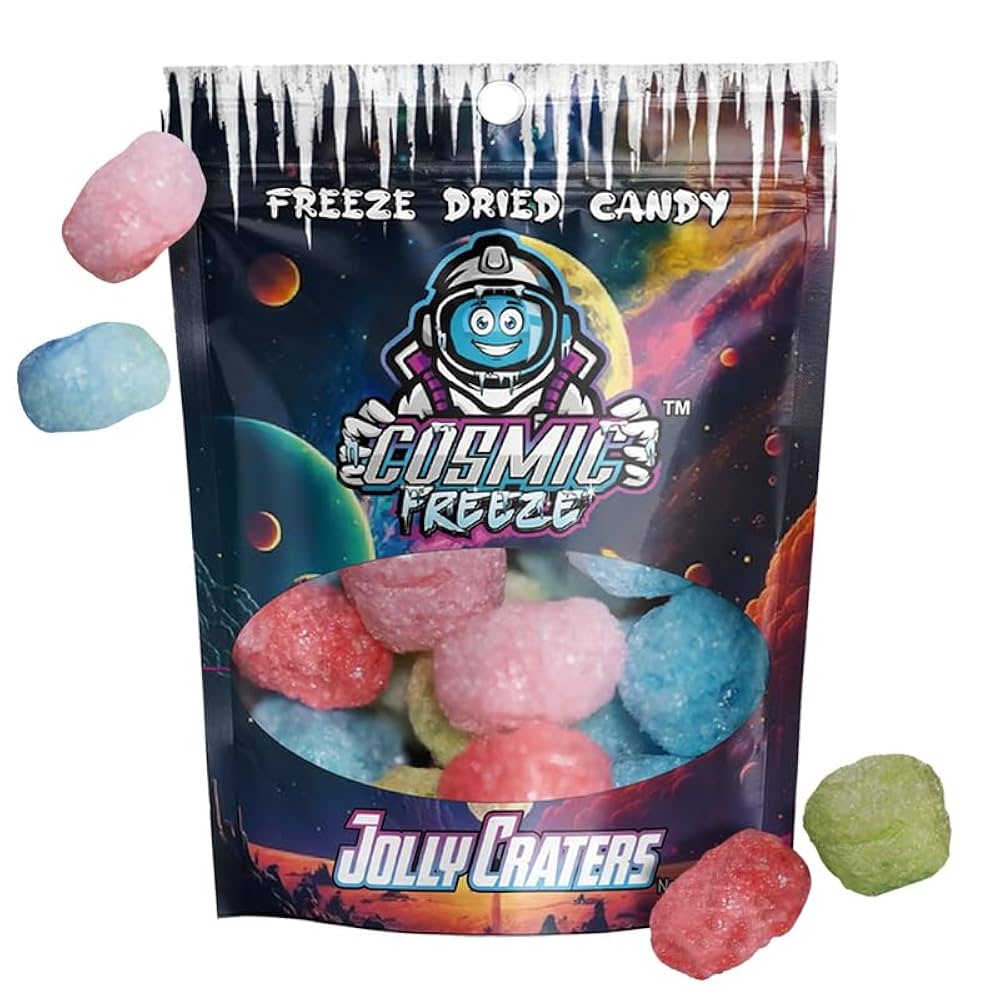
Credit: www.amazon.com

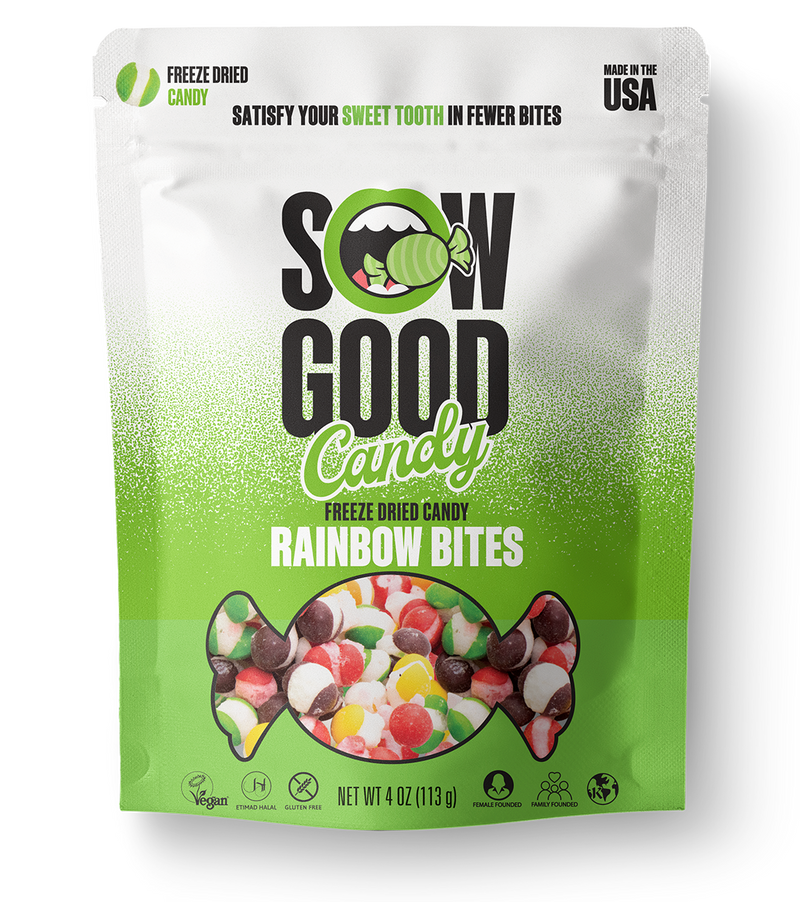
Credit: www.amazon.com
Frequently Asked Questions
Is Freeze Dried Candy Naturally Gluten Free?
Yes, most freeze dried candies are naturally gluten free. They usually contain fruit or sugar without gluten ingredients. Always check labels to confirm no gluten additives or cross-contamination risks.
Can Freeze Drying Remove Gluten From Candy?
No, freeze drying does not remove gluten. It only removes moisture from the candy. Gluten presence depends on the original ingredients used in the candy.
Are All Freeze Dried Candies Safe For Gluten Intolerance?
Not all freeze dried candies are safe for gluten intolerance. Some may have gluten-containing additives or be processed in facilities handling gluten. Always verify with the manufacturer or read labels carefully.
How To Identify Gluten Free Freeze Dried Candy?
Look for gluten free certification or labeling on the package. Check the ingredient list for wheat, barley, or rye. Contact the manufacturer if unsure about gluten content or cross-contamination.
Conclusion
Freeze dried candy often does not contain gluten ingredients. Still, always check the label for hidden gluten sources. Cross-contamination can happen during production, so look for gluten-free certification. Many brands offer safe options for gluten-sensitive people. Choosing trusted products helps avoid gluten reactions.
Enjoy your candy without worry by staying informed. Simple steps make a big difference in your diet. Keep reading labels and asking questions for safe treats.