
Have you ever found yourself intrigued by the latest trend of freeze-dried candy? It’s popping up everywhere, from TikTok videos to your local grocery store aisles.
But as you reach for that colorful bag of treats, a question might cross your mind: is freeze-dried candy actually healthy? You’re not alone in wondering. In fact, many people just like you are curious about the impact of these crunchy, airy sweets on their health.
Before you take another bite, let’s dive into what freeze-dried candy is all about, and whether it’s a treat that can fit into your lifestyle without guilt. Keep reading to discover the surprising truths about this trendy snack that might just change the way you think about candy.

Credit: uptoptreats.com
What Is Freeze Dried Candy
Freeze dried candy is a unique type of sweet treat. It goes through a special process called freeze drying. This process removes water from the candy while keeping its shape and flavor. The result is a crunchy, light candy with a different texture.
This candy is popular for its crispy feel and intense flavor. It often looks puffed up or airy. Freeze dried candy can include fruits, chocolates, gummies, and many other sweets. It offers a new way to enjoy familiar flavors.
How Freeze Drying Works
The freeze drying process starts by freezing the candy. Then, it slowly removes the ice by turning it into vapor. This happens under low pressure and cold temperatures. Water leaves the candy without melting it.
This method keeps the candy’s shape and taste. It also extends the candy’s shelf life. The candy becomes dry and crunchy instead of soft or sticky.
Types Of Freeze Dried Candy
- Fruits coated in sugar or chocolate
- Gummy candies turned crunchy
- Chocolate bars with a crispy texture
- Marshmallows that become light and airy
Freeze drying changes the candy’s texture but keeps the flavor strong. It creates a new experience for candy lovers.
Benefits Of Freeze Dried Candy
- Longer shelf life without preservatives
- Lightweight and easy to carry
- Crunchy texture that many enjoy
- Maintains original flavor well
This candy is great for snacks and gifts. It offers something different from regular candy.
How Freeze Drying Affects Nutrients
Freeze drying is a popular method to preserve food, including candy. It removes water by freezing and then drying under low pressure. This process changes the texture and taste of candy. But how does it affect the nutrients inside?
Understanding nutrient changes helps decide if freeze dried candy is a healthy choice. Nutrients like vitamins and minerals respond differently to freeze drying. Some stay nearly the same, while others may reduce.
Preservation Of Vitamins
Freeze drying keeps many vitamins intact. Vitamins like C and B complex are sensitive to heat but survive freeze drying well. The low temperature prevents vitamin loss that happens in baking or frying. Still, some vitamin C may decrease slightly during storage.
Impact On Minerals
Minerals such as calcium, iron, and potassium remain stable in freeze dried candy. The drying process does not remove minerals. Their concentration can even increase as water is removed. This makes freeze dried candy a good source of minerals.
Effect On Antioxidants
Antioxidants protect cells from damage. Freeze drying preserves many antioxidants better than other drying methods. The low heat keeps antioxidants from breaking down. However, some antioxidants may reduce depending on candy ingredients.
Changes In Sugar Content
Freeze drying does not change sugar levels in candy. Sugars stay the same because the process removes only water. This means the candy remains sweet but may feel crunchier. Sugar content affects health, so moderation is key.
Nutrient Stability During Storage
Nutrients in freeze dried candy stay stable if stored well. Keep candy in a cool, dry place to avoid nutrient loss. Exposure to air and light can reduce vitamin content over time. Proper packaging helps maintain quality and nutrition.
Sugar Content In Freeze Dried Candy
Freeze dried candy keeps much of its original sugar during processing. The freeze drying process removes water but does not reduce sugar content. This means the candy can still have high sugar levels. Sugar gives candy its sweet taste, but eating too much can harm health.
Understanding sugar content helps make better choices. Not all freeze dried candies have the same amount of sugar. Some may have added sugars or sweeteners. Checking labels is important to know exactly what you consume.
Sugar Levels Compared To Regular Candy
Freeze dried candy often has sugar levels similar to regular candy. Water loss concentrates the sugar, making it taste even sweeter. A small piece might have more sugar than expected. Portion size affects sugar intake significantly.
Types Of Sugars In Freeze Dried Candy
- Natural sugars from fruit or ingredients
- Added sugars like corn syrup or sucrose
- Artificial sweeteners in some varieties
Natural sugars can be healthier but still raise blood sugar. Added sugars increase calorie content without nutrients.
Impact Of Sugar On Health
High sugar intake can cause weight gain and tooth decay. It may also increase risk of diabetes and heart problems. Freeze dried candy with high sugar can contribute to these risks. Moderation is key to enjoying candy safely.
How To Choose Lower Sugar Options
- Look for freeze dried candy made from whole fruits
- Check nutrition labels for sugar content per serving
- Avoid candies with added sugars or syrups
- Consider portion control to limit sugar intake
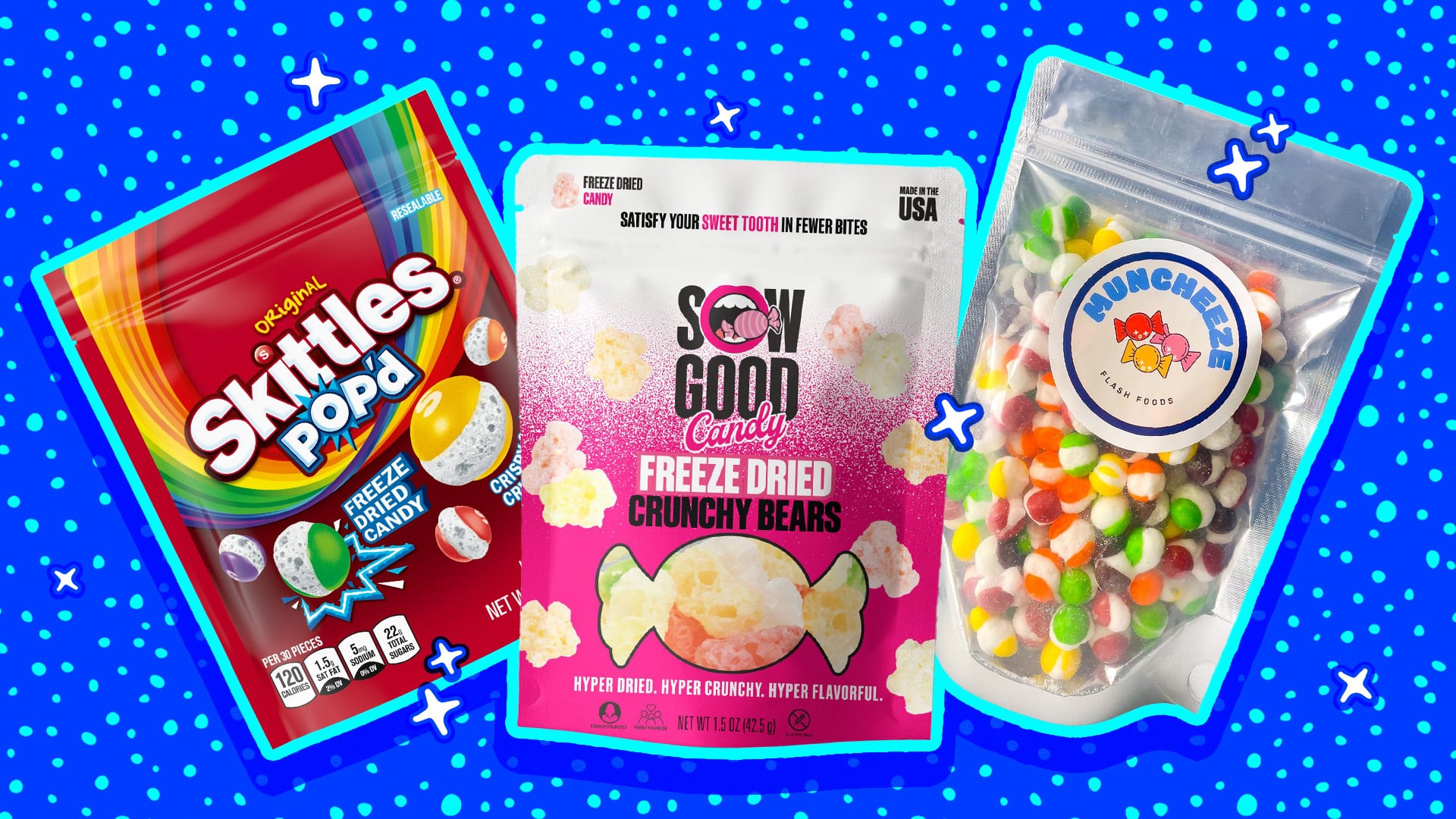
Credit: sporked.com
Comparison With Regular Candy
Freeze dried candy and regular candy differ in texture and taste. Both are sweet treats but offer different eating experiences. Comparing their health aspects helps understand which might be a better choice.
Calorie And Sugar Content
Freeze dried candy usually has less water but similar sugar levels. This means calories per serving may be higher or similar to regular candy. Both types contain added sugars that affect health.
Texture And Eating Experience
Freeze dried candy is light and crunchy. It melts quickly in the mouth. Regular candy is chewy or hard and lasts longer while eating. Texture affects how much you eat and enjoy.
Preservatives And Additives
Freeze drying preserves candy without many chemicals. Regular candy may contain preservatives to extend shelf life. Both can have artificial colors and flavors, which some people avoid.
Impact On Teeth
Both candies can harm teeth due to sugar content. Freeze dried candy breaks down fast, but sugar still sticks to teeth. Regular candy may stay longer in the mouth, increasing decay risk.
Portion Control And Satiety
Freeze dried candy looks bigger but weighs less. This might trick you into eating more. Regular candy feels heavier, which can help control portions. Eating habits affect overall health more than candy type.
Potential Health Benefits
Freeze dried candy offers some surprising health benefits compared to regular candy. The freeze drying process removes moisture without using heat. This helps keep many nutrients intact. While candy is not a health food, freeze dried versions can be a better option in some ways.
These benefits mostly come from the preservation of natural ingredients and the texture changes that affect how the candy is digested and enjoyed.
Retention Of Nutrients
Freeze drying preserves vitamins and minerals better than regular drying methods. The low temperature avoids nutrient loss. This means freeze dried candy can hold onto natural antioxidants found in fruits or other ingredients. You get a small boost of vitamins compared to regular candy.
Lower Sugar Concentration Per Bite
Freeze dried candy is airy and crunchy. This texture makes you eat it slower and less in quantity. Eating less candy at a time can reduce sugar intake. This helps prevent blood sugar spikes and lowers calorie consumption.
Long Shelf Life Without Additives
Freeze drying naturally preserves candy without extra preservatives. This means fewer artificial chemicals in your candy. Less exposure to additives can be better for sensitive stomachs and overall health.
Improved Digestion
The texture of freeze dried candy changes the way it breaks down in your mouth. It dissolves quickly and mixes well with saliva. This can lead to easier digestion and less discomfort after eating sweets.
Possible Health Risks
Freeze dried candy might seem like a fun and tasty treat. It keeps the original flavors but has a different texture. Despite this, it is important to know about possible health risks. These risks are linked to ingredients and how the candy affects the body.
High Sugar Content
Most freeze dried candies have a lot of sugar. High sugar intake can lead to weight gain. It also increases the risk of diabetes and tooth decay. Eating too much sugar can cause energy spikes and crashes. This affects mood and focus, especially in children.
Artificial Additives And Colors
Many freeze dried candies contain artificial colors and flavors. These additives may cause allergic reactions in some people. Some studies link artificial dyes to hyperactivity in children. Long-term effects of these chemicals are still unclear. Avoiding candies with many additives is safer.
Low Nutritional Value
Freeze drying removes water but keeps sugar and calories concentrated. The candy offers little to no vitamins or minerals. Relying on such snacks can lower overall diet quality. It is better to choose snacks with real nutrients.
Potential Digestive Issues
The texture of freeze dried candy is dry and crunchy. Eating large amounts can cause choking or digestive discomfort. Some people may find it hard to digest these sweets. Drinking water while eating helps reduce this risk.
Impact On Dental Health
Freeze dried candy changes the texture and taste of sweets. This affects how it interacts with teeth. Understanding its impact on dental health helps make better choices.
Sugar Concentration And Its Effects
Freeze drying removes water, making candy more concentrated. This often means more sugar per bite. Sugar feeds harmful bacteria in the mouth. These bacteria produce acids that cause tooth decay.
Eating freeze dried candy can increase the risk of cavities. The stickiness of some freeze dried candies makes sugar stay longer on teeth. This prolongs acid attacks and harms enamel.
Texture And Teeth Contact
Freeze dried candy is crunchy and brittle. It can break into small pieces quickly. This texture reduces the time sugar stays on teeth compared to sticky candy. But sharp pieces may cause small scratches on teeth or gums.
Crunchy candy may also stimulate saliva flow. Saliva helps neutralize acids and protect teeth. This can slightly reduce damage from sugar.
Saliva Production And Protection
Saliva acts as a natural cleaner in the mouth. Crunchy freeze dried candy encourages more saliva. More saliva means better washing away of food particles and acids.
Saliva also contains minerals that help repair early tooth damage. This can protect enamel from decay. Still, it cannot fully prevent harm caused by sugar.
Best Practices For Dental Care
- Brush teeth twice daily with fluoride toothpaste.
- Rinse mouth with water after eating candy.
- Limit the amount and frequency of freeze dried candy intake.
- Use dental floss to remove food debris.
- Visit the dentist regularly for check-ups.

Credit: parade.com
Best Practices For Consumption
Eating freeze-dried candy calls for some care to keep it enjoyable and safe. These treats are tasty but can be high in sugar and low in nutrients. Following good habits can help you enjoy them without harming your health.
Moderation is key. Freeze-dried candy should be a small part of your diet, not a main source of energy. Balancing sweets with healthy foods keeps your body strong and your teeth safe.
Storing freeze-dried candy properly keeps its texture and flavor fresh. Keep it in a cool, dry place and seal it well to avoid moisture and air that spoil the candy.
Understand Serving Size
Check the package for the recommended serving size. Eating too much can lead to a sugar rush and later a crash. Stick to the suggested amount to enjoy the candy safely.
Pair With Healthy Foods
Eat freeze-dried candy alongside fruits or nuts. This adds fiber and protein to your snack, which helps slow sugar absorption. It also keeps you fuller for longer.
Limit Frequency
Do not eat freeze-dried candy every day. Save it for special occasions or as an occasional treat. This reduces the risk of sugar-related health issues over time.
Stay Hydrated
Drink water while eating freeze-dried candy. It helps wash down sugar and supports digestion. Water also prevents dry mouth caused by sugary snacks.
Be Mindful Of Dental Health
Brush your teeth after eating freeze-dried candy. Sugar can stick to teeth and cause cavities. Good oral care keeps your smile healthy and bright.
Who Should Avoid Freeze Dried Candy
Freeze dried candy can be a fun treat. It has a unique texture and intense flavor. Still, not everyone should enjoy it freely. Some people may face health issues or discomfort after eating freeze dried candy. Knowing who should avoid it helps keep health safe.
People With Diabetes
Freeze dried candy often contains a lot of sugar. Sugar raises blood sugar levels quickly. For people with diabetes, this can be dangerous. It may cause blood sugar spikes and health problems.
Those With Allergies
Freeze dried candy sometimes contains nuts, dairy, or soy. These ingredients can cause allergic reactions. People with food allergies should check labels carefully. Avoiding these candies can prevent allergic attacks.
Children Under Three Years Old
The crunchy texture of freeze dried candy can be a choking hazard. Small children may not chew it well. Their swallowing skills are still developing. It is safer to avoid giving them freeze dried candy.
Individuals With Sensitive Teeth
Freeze dried candy is often very hard and crunchy. It can hurt sensitive teeth or cause cracks. People with dental problems should avoid it. Softer treats are better for their teeth.
People With Digestive Issues
Freeze dried candy is low in fiber but high in sugar. It may cause stomach upset or diarrhea in some people. Those with irritable bowel syndrome or sensitive stomachs should be careful.
Frequently Asked Questions
Is Freeze Dried Candy Healthier Than Regular Candy?
Freeze dried candy often contains fewer preservatives and no added water. However, it still has high sugar levels. It’s not necessarily healthier but can be a lighter, crunchier treat. Moderation is key for any candy consumption.
Does Freeze Drying Preserve Candy Nutrients?
Freeze drying preserves most nutrients better than traditional drying. It removes water without heat, maintaining vitamins and minerals. Still, candy is primarily sugar, so nutrient content is minimal regardless of preservation method.
Can Freeze Dried Candy Help With Weight Management?
Freeze dried candy is low in moisture and calorie-dense. It may feel more filling due to its texture but doesn’t reduce sugar content. It’s best to enjoy it occasionally and in small amounts for weight control.
Are There Any Additives In Freeze Dried Candy?
Many freeze dried candies contain few additives, mainly natural flavors. However, some brands add sugar or artificial ingredients for taste. Always check ingredient labels to ensure product quality and avoid unwanted chemicals.
Conclusion
Freeze dried candy can offer a fun twist on regular sweets. It often has less moisture, which helps it last longer. Yet, it still contains sugar and calories like normal candy. Eating it in small amounts is best for health.
Always check the ingredients to avoid added chemicals. Balance candy with fruits and healthy snacks daily. Treats are fine, but not as main food. Choose wisely and enjoy your sweets with care.