Have you ever stood in the kitchen, staring at your pantry, and wondered if freezer paper is the same as butcher paper? You’re not alone.
This common question puzzles many people, especially when a recipe or a DIY project calls for one or the other. Understanding the difference is crucial, and it could save you time, money, and a bit of frustration. In the following paragraphs, you’ll discover the key differences and learn exactly when to use each type of paper.
This knowledge could transform your culinary and crafting adventures. Stick around to uncover the secrets that could make your life easier and your projects more successful.
Credit: waxpapers.ca
Freezer Paper Basics
Understanding freezer paper is key to knowing how it differs from butcher paper. Freezer paper is designed to protect food in cold storage. It keeps food fresh and prevents freezer burn. This paper is a popular choice for wrapping meat, fish, and other items for freezing.
Material And Coating
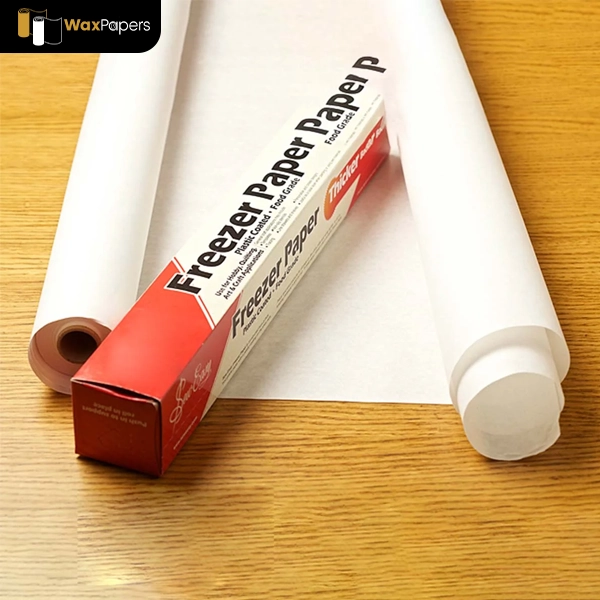
Freezer paper is made from thick paper with a plastic coating on one side. The plastic layer creates a moisture barrier. It stops air and water from reaching the food. Butcher paper is usually uncoated or lightly coated, making it more breathable. This difference in coating affects how each paper works for food storage.
Common Uses
Freezer paper is mainly used to wrap food for freezing. It is ideal for meats and fish that need protection from moisture loss. Butcher paper is often used for fresh meats and deli products. It can also be used for wrapping sandwiches or lining trays. Each paper suits different tasks based on its properties.
Benefits For Food Storage
- Freezer paper seals tightly to keep air out.
- It helps prevent freezer burn on meats and fish.
- The plastic coating reduces moisture loss.
- It keeps food fresh longer in the freezer.
- Butcher paper allows food to breathe, reducing condensation.
Choosing the right paper depends on the food and storage time. Freezer paper excels in long-term freezing needs. Butcher paper works best for short-term storage or fresh products.
Butcher Paper Basics
Understanding the basics of butcher paper helps clarify its role in meat handling. Butcher paper is a staple in many kitchens and butcher shops. It serves specific purposes that set it apart from other wrapping materials. Knowing its properties and uses helps you decide when to choose it over alternatives like freezer paper.
Material And Texture
Butcher paper is made from strong, durable kraft paper. It has a coarse texture that allows air to pass through. This breathability helps meat maintain its freshness. The paper often comes in white or pink colors. It is thicker than regular paper but still flexible enough to wrap various cuts of meat.
Typical Applications
Butcher paper is mostly used to wrap fresh meat and fish. It protects the product while allowing it to breathe. This reduces moisture buildup and prevents sogginess. Restaurants and butcher shops use it for packaging and display. It also works well for smoking meat, as it holds juices but lets smoke circulate.
Advantages In Meat Handling
- Allows meat to breathe, reducing moisture and spoilage.
- Prevents freezer burn when used correctly.
- Strong enough to hold heavy cuts without tearing.
- Non-toxic and food-safe for direct contact.
- Helps keep meat fresh longer than plastic wrap.
Comparing Material Properties
Understanding the material properties of freezer paper and butcher paper helps clarify their uses. Both papers serve different purposes despite their similar appearance. Examining durability, moisture resistance, and breathability highlights key differences. These factors affect how each paper performs in food storage and preparation.
Durability And Strength
Freezer paper has a plastic coating on one side. This coating makes it strong and tear-resistant. It holds up well in cold and wet conditions. Butcher paper is thicker but lacks a plastic layer. It is sturdy but can tear more easily than freezer paper. For wrapping heavy or sharp items, freezer paper offers better protection.
Moisture Resistance
Freezer paper resists moisture due to its plastic coating. It prevents water and ice from soaking through. This feature keeps food fresh and prevents freezer burn. Butcher paper absorbs moisture because it is uncoated. It works well for wrapping fresh meat but not for long-term storage. Moisture can weaken butcher paper quickly.
Breathability
Butcher paper allows air to pass through its fibers. This breathability helps fresh meat stay moist without trapping too much water. It prevents sogginess and allows the meat to “breathe.” Freezer paper does not let air through because of its coating. This lack of breathability locks in moisture but can create condensation inside the wrap.
Credit: waxpapers.net
Food Safety And Preservation
Food safety and preservation are key when storing meat. Choosing the right paper helps keep meat fresh and safe. Freezer paper and butcher paper serve different roles in protecting food. Understanding their effects on meat quality and storage duration is important for best results.
Effectiveness In Preventing Freezer Burn
Freezer paper has a plastic coating that blocks air and moisture well. This coating helps prevent freezer burn by sealing meat tightly. Butcher paper lacks this plastic layer. It allows some air to pass, which can cause freezer burn over time. For long-term freezer storage, freezer paper is better to keep meat safe and fresh.
Impact On Meat Quality
Freezer paper keeps meat moist and maintains texture. Its moisture barrier stops dehydration and freezer odors. Butcher paper allows meat to breathe, which can dry the surface. This drying can change meat texture and taste. Use butcher paper for short-term storage or fresh meat display, not for freezing.
Storage Duration Differences
Meat wrapped in freezer paper lasts longer in the freezer. It can keep quality for several months without damage. Butcher paper is better for fridge storage or quick use. Meat wrapped in butcher paper may spoil faster in the freezer. Choose freezer paper for long storage and butcher paper for short-term use.
Practical Uses And Limitations
Freezer paper and butcher paper serve different roles in kitchens and packaging. Knowing their practical uses helps choose the right paper for your needs. Both have strengths but also clear limits. Understanding these can save time and improve results.
Cooking And Smoking Applications
Freezer paper has a plastic coating on one side. This coating blocks moisture and air, making it good for wrapping meat before freezing. It seals in juices during cooking but is not ideal for smoking. Butcher paper is porous and lets smoke and moisture pass through. It is popular for smoking brisket and ribs. It helps create a bark while keeping meat moist. Butcher paper does not have a plastic side, so it is not good for freezer storage.
Packaging And Wrapping Techniques
Freezer paper works well for wrapping food that needs protection from freezer burn. It clings to food and seals tightly. Butcher paper is thicker and stronger but more breathable. It is often used for wrapping fresh meat or fish at markets. Butcher paper can also be used for sandwiches or as a table cover. Freezer paper’s plastic side prevents leaks, making it best for wet foods. Butcher paper is better for dry items or when airflow is needed.
Environmental Considerations
Freezer paper usually has a plastic coating, which affects biodegradability. It can take longer to break down in landfills. Butcher paper is often uncoated and more eco-friendly. It can be recycled or composted in many places. Choosing butcher paper reduces plastic waste. Consider your local recycling rules before disposal. Using butcher paper supports sustainability more than freezer paper does.
Cost And Availability
Cost and availability are key factors when deciding between freezer paper and butcher paper. Both serve unique purposes but differ in price and how easy they are to find. Knowing where to buy and what alternatives exist can help you make the best choice for your kitchen or project.
Price Comparison
Freezer paper usually costs a bit more than butcher paper. This is because it has a plastic coating on one side, making it more specialized. Butcher paper is simpler and typically comes in larger rolls, which might save you money in the long run.
| Type | Average Price (per roll) | Roll Size |
|---|---|---|
| Freezer Paper | $8 – $12 | 50 – 100 sq. ft. |
| Butcher Paper | $5 – $10 | 100 – 200 sq. ft. |
Think about how much paper you actually need. Are you wrapping meat for freezing or covering surfaces? That can affect which option gives you better value.
Where To Buy
You can find both papers at most grocery stores, but availability varies. Freezer paper is often in the freezer section near storage bags, while butcher paper might be in the meat department or near kitchen supplies.
Online stores like Amazon and specialty kitchen shops offer wider selections. If you want specific sizes or brands, shopping online might save you time and offer better deals.
- Local grocery stores
- Butcher shops and meat markets
- Online retailers like Amazon and Walmart
- Specialty kitchen supply stores
Alternatives To Consider
If cost or availability is an issue, there are other wrapping options. Parchment paper and wax paper are good substitutes, though they don’t have the same moisture barrier as freezer paper.
Reusable silicone wraps or containers can also reduce paper use and save money over time. Have you ever tried these options? They might surprise you with their convenience and eco-friendliness.
- Parchment paper – great for baking and some wrapping
- Wax paper – good for dry foods but not ideal for freezing
- Silicone reusable wraps – eco-friendly and durable
- Plastic wrap – widely available but less sustainable

Credit: www.asianlabgrowndiamonds.com
Frequently Asked Questions
What Is The Main Difference Between Freezer Paper And Butcher Paper?
Freezer paper has a plastic coating on one side, making it moisture-resistant. Butcher paper is porous and uncoated, allowing air circulation. This difference affects their use in food storage and cooking.
Can Freezer Paper Replace Butcher Paper For Wrapping Meat?
Freezer paper can wrap meat for freezing but is not ideal for cooking. Butcher paper is better for smoking or grilling as it allows meat to breathe and retain moisture.
Is Butcher Paper Safe For Freezer Storage Like Freezer Paper?
Butcher paper is less effective for long-term freezer storage. It lacks a moisture barrier, causing freezer burn. Freezer paper is specifically designed to protect food in the freezer.
Why Do Chefs Prefer Butcher Paper Over Freezer Paper?
Chefs prefer butcher paper for its breathability, which helps meat retain texture and flavor during smoking. Freezer paper’s plastic coating can trap moisture, affecting the cooking process.
Conclusion
Freezer paper and butcher paper serve different purposes in the kitchen. Freezer paper has a plastic side to keep food fresh and prevent freezer burn. Butcher paper is more breathable and great for wrapping meats during cooking. Choosing the right paper helps keep your food safe and tasty.
Remember, each type has unique features that suit specific needs. Use them wisely for better food storage and preparation results. Simple choices make a big difference in your cooking experience.