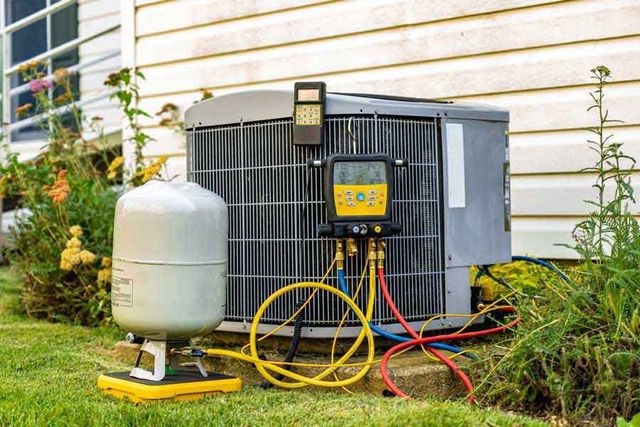
Are you curious about what’s inside your air conditioner? You might have heard the term “Freon” before, but is it still used in modern air conditioners?
Understanding this can help you make smarter choices when buying, maintaining, or repairing your cooling system. Keep reading, because what you learn here could save you money and keep your home comfortable all year long.
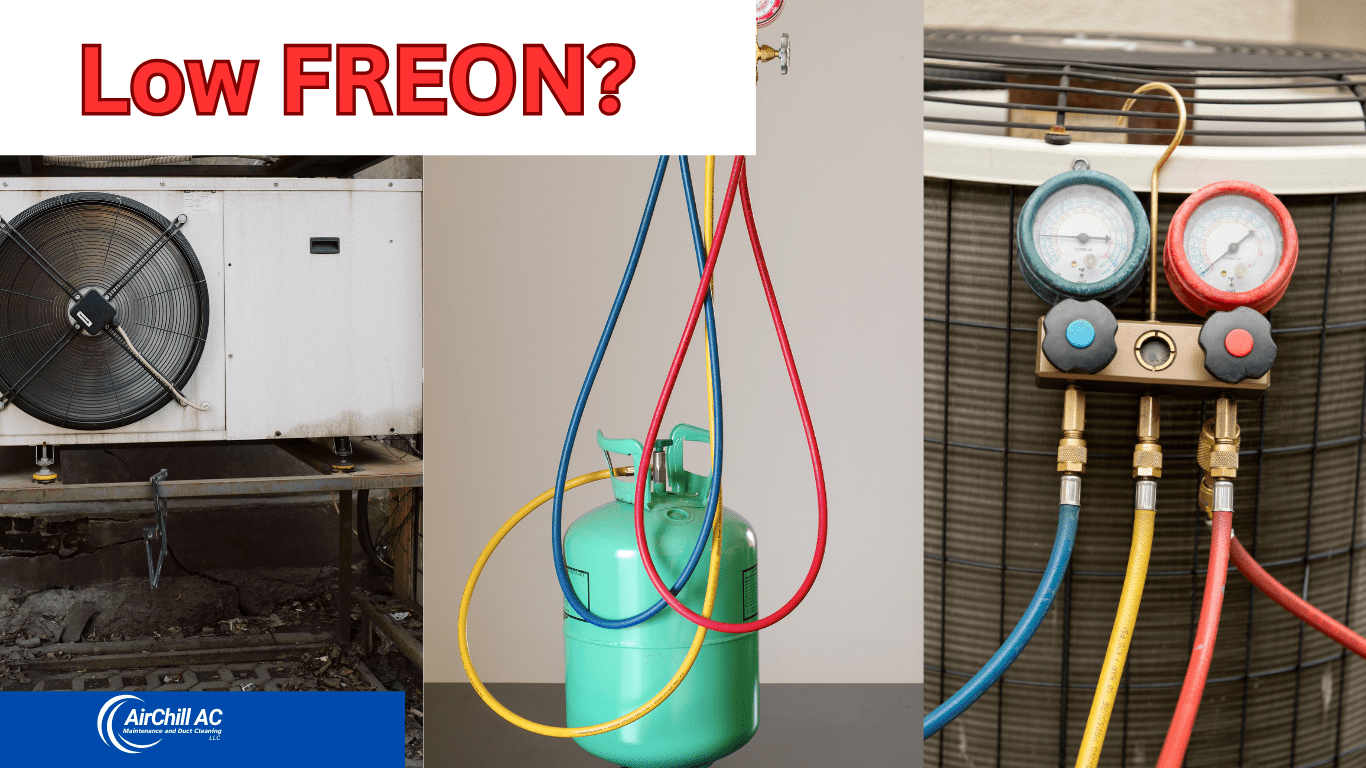
Credit: airchillac.com
Freon And Its Role In Air Conditioning
Freonis a type of chemical used in many air conditioners. It helps cool the air inside buildings by moving heat outside. This chemical is also called a refrigerant. It absorbs heat from inside and releases it outside, making rooms cool and comfortable.
The use of Freon began many years ago. It was popular because it worked well and was safe for people. Freon was first made in the 1920s and became common in air conditioners and refrigerators by the 1930s. It helped improve cooling technology for decades.
Environmental Concerns
Freonis a type of refrigerant once common in air conditioners. It harms the ozone layer, a shield that protects Earth from the sun’s harmful rays. When Freon leaks, it rises into the atmosphere and breaks down ozone molecules. This damage leads to higher UV radiation reaching the ground, which can cause skin cancer and harm animals.
Freon also has a very high global warming potential(GWP). This means it traps heat in the atmosphere much more than carbon dioxide. Even small leaks can add to global warming and climate change. Because of these effects, many countries now limit or ban Freon use in new air conditioners.
Regulations Affecting Freon
The Montreal Protocolis an international treaty made in 1987. It aims to reduce the use of chemicals that harm the ozone layer. Freon, a type of chlorofluorocarbon (CFC), is one of these chemicals. Many countries agreed to phase out Freon to protect the environment.
Freon’s legal statushas changed over time. In many places, the production and use of old Freon types are banned. Newer refrigerants that are safer for the ozone layer are now used. However, some older air conditioners still use Freon, but it is harder to find and more costly to refill.
Modern Alternatives To Freon
HFOs (Hydrofluoroolefins)and hydrocarbonsare common alternatives to Freon in air conditioners. HFOs have low global warming potentialand do not harm the ozone layer. Hydrocarbons, like propane, are natural and break down quickly in the environment.
Both types help air conditioners run more energy efficiently. This means they use less electricity and save money on bills. They also produce less heat, which helps reduce climate impact.
| Alternative | Environmental Impact | Energy Efficiency |
|---|---|---|
| HFOs | Low global warming potential, ozone-safe | High efficiency, less power use |
| Hydrocarbons | Natural, quick breakdown | Good efficiency, lower energy use |
Freon In Today’s Air Conditioners
Freon was once the main refrigerant in air conditioners. Older models mostly use R-22 Freon. This type is harmful to the environment and is being phased out.
New air conditioners now use safer refrigerants like R-410A. These cool better and do not damage the ozone layer. Most new units do not use Freonanymore.
| Type | Refrigerant Used | Environmental Impact | Current Availability |
|---|---|---|---|
| Older Units | R-22 (Freon) | Harmful to ozone, being banned | Harder to find, expensive |
| New Units | R-410A and others | Ozone friendly, better efficiency | Widely available, cheaper |
- Freon use is decreasing due to laws and environment needs.
- Many countries restrict or ban R-22 use in new systems.
- Old ACs may still need Freon for repairs but costs rise.
- New refrigerants are safer and better for the planet.
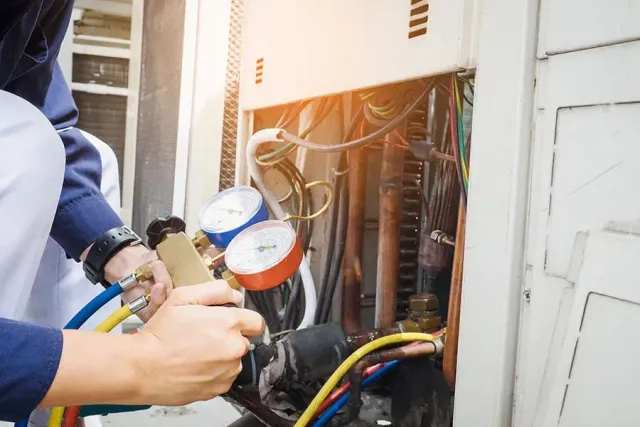
Credit: www.iecomfortac.com
Future Of Refrigerants In Hvac
The HVAC industry is moving away from Freondue to its harmful effects on the environment. New refrigerants are designed to have lower global warming potential (GWP)and are safer for the ozone layer.
Emerging technologies focus on natural refrigerantslike CO2, ammonia, and hydrocarbons. These options offer better energy efficiency and less environmental damage.
Many companies are innovating to create smart HVAC systemsthat use less energy and adapt to changing conditions. These systems help reduce overall carbon footprints.
- Use of hydrofluoroolefins (HFOs), which have low GWP
- Development of energy-efficient compressors
- Integration of IoT for smarter climate control
- Focus on recycling and safe disposalof old refrigerants
| Technology | Benefits | Environmental Impact |
|---|---|---|
| Natural Refrigerants | Energy efficient, less toxic | Low GWP, ozone safe |
| HFOs | Low flammability, efficient | Very low GWP |
| Smart HVAC Systems | Adaptive, energy saving | Reduces carbon footprint |

Credit: morelliair.com
Frequently Asked Questions
Is Freon Still Used In Modern Air Conditioners?
Freon is largely phased out in modern ACs due to environmental laws. New units use eco-friendly refrigerants like R-410A. However, some older systems still operate with Freon. Always check your AC’s specifications or consult a professional for accurate information.
Why Was Freon Banned In Air Conditioners?
Freon contains CFCs, which damage the ozone layer. Its harmful environmental impact led to global regulations phasing it out. The Montreal Protocol initiated this ban to protect the atmosphere. Safer, efficient refrigerants replaced Freon in new air conditioning systems.
What Refrigerants Replaced Freon In Ac Units?
R-410A and R-32 are common Freon replacements. They have lower ozone depletion potential and better energy efficiency. These refrigerants comply with current environmental standards. Transitioning to these alternatives helps reduce greenhouse gas emissions significantly.
Can I Still Buy Freon For My Ac?
Purchasing Freon is restricted and regulated in many countries. It’s available only for servicing existing older systems. New AC installations must use approved, eco-friendly refrigerants. Always hire licensed technicians to handle refrigerants safely and legally.
Conclusion
Freon still appears in some older air conditioners today. New models use safer, eco-friendly refrigerants instead. Changing to modern refrigerants helps protect the environment. Many countries have laws limiting Freon use now. Service and repairs may require Freon alternatives. Knowing the type of refrigerant in your AC matters.
This information helps with maintenance and replacement decisions. Staying informed keeps your cooling system efficient. Clean air and energy savings benefit everyone. Choose wisely to keep your home cool and green.