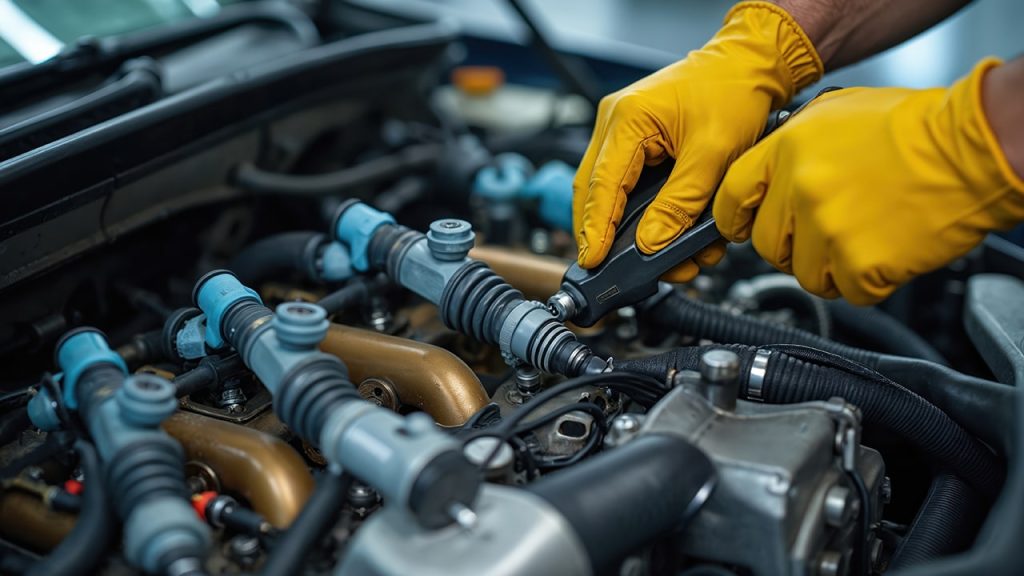
Have you ever wondered if your car really needs a fuel system service? You might think it’s just another routine check, but the truth is, ignoring this service could cost you more than you expect.
Your engine’s performance, fuel efficiency, and even your wallet depend on a clean and well-maintained fuel system. You’ll discover why fuel system service matters, how it can save you money, and what signs to watch for. Keep reading to learn how to keep your vehicle running smoothly and avoid unexpected breakdowns.

Credit: www.reddit.com
Signs Of Fuel System Problems
The fuel system is important for your car’s engine to run well. It supplies the right fuel amount at the right time. If there is a problem, your car may not work properly.
Knowing the signs of fuel system issues can help you fix them early. This keeps your car safe and saves money on repairs.
Poor Engine Performance
Your engine may lose power or feel weak if the fuel system has problems. The car might hesitate when you press the gas pedal. This happens because the engine is not getting enough fuel.
Fuel system issues can cause rough idling or slow acceleration. You might notice the engine sounds different or struggles to start.
Reduced Fuel Efficiency
If your fuel system is dirty or clogged, the engine uses more fuel than normal. This lowers your car’s miles per gallon. You will spend more money on gas.
Bad fuel injectors or filters can cause poor fuel spray. This leads to waste and less efficient burning of fuel.
Engine Stalling And Misfires
Your car may suddenly stop running or jerk while driving. This is a sign of fuel delivery problems. The engine does not get a steady fuel flow.
Misfires happen when fuel does not ignite properly in the engine. This causes rough running and strange noises.
- Engine stalls when stopped or idling
- Car jerks during acceleration
- Unusual engine sounds or vibrations
Benefits Of Fuel System Service
Fuel system service cleans parts that deliver fuel to your engine. It helps keep your car running well.
Regular service can save money and prevent problems. It keeps your vehicle healthy and efficient.
Improved Engine Longevity
Cleaning the fuel system removes dirt and buildup. This stops damage to engine parts over time.
A clean fuel system helps the engine run smoothly. It lowers wear and tear, so the engine lasts longer.
Enhanced Fuel Economy
Fuel system service improves how fuel burns in the engine. This means your car uses less gas.
Better fuel use saves money and reduces pollution. You get more miles from each gallon of fuel.
Smoother Vehicle Operation
Cleaning fuel injectors and filters stops rough idling and stalling. The engine runs more steadily.
This service helps your car start easier and respond faster. Driving feels more comfortable and safe.
Common Fuel System Issues
The fuel system in a vehicle is important for engine performance. Problems in this system can cause poor fuel economy and engine trouble.
Understanding common fuel system issues helps you keep your car running smoothly. Regular checks can prevent bigger repairs.
Clogged Fuel Injectors
Fuel injectors spray fuel into the engine for combustion. Dirt and deposits can block them over time.
Clogged injectors reduce fuel flow. This causes rough idling, poor acceleration, and lower fuel efficiency.
- Engine misfires or runs unevenly
- Hard starting or stalling
- Increased fuel consumption
Dirty Fuel Filters
The fuel filter cleans dirt and rust from fuel before it reaches the engine. Over time, it can get clogged.
A dirty filter limits fuel flow. This causes poor engine performance and can damage fuel injectors or the pump.
- Engine hesitation or stalling
- Loss of power on hills or under load
- Check engine light may come on
Fuel Pump Wear
The fuel pump moves fuel from the tank to the engine. It can wear out from age or use.
A worn pump may cause weak fuel pressure. This leads to hard starts and poor engine performance.
- Engine sputters at high speed
- Loss of power during acceleration
- Car may not start if pump fails
When To Schedule Service
Fuel system service helps keep your vehicle running smoothly. Knowing when to schedule this service saves you time and money.
There are several ways to decide the best time for fuel system maintenance. These include following the manufacturer’s advice, tracking mileage, and watching for warning signs.
Manufacturer Recommendations
Car makers provide guidelines for fuel system service in the owner’s manual. These recommendations are based on tests and vehicle design.
- Check the manual for suggested service intervals.
- Follow specific advice for your vehicle model.
- Use recommended fuel and parts for maintenance.
Mileage-based Intervals
Many drivers use mileage to decide when to service the fuel system. This helps prevent issues before they start.
| Mileage Range | Recommended Service |
| Every 30,000 miles | Fuel injector cleaning |
| Every 50,000 miles | Fuel filter replacement |
| Every 60,000 miles | Full fuel system inspection |
After Noticing Warning Signs
Watch for signs that your fuel system needs service. Acting early can avoid costly repairs.
- Engine misfires or rough idle
- Decreased fuel efficiency
- Difficulty starting the engine
- Check engine light is on
- Strong fuel odors inside or outside the car
Diy Vs Professional Service
Fuel system service helps keep your car running well. You can do it yourself or get help from a professional. Both have benefits and risks.
Understanding the differences can help you choose the right option for your car and budget.
Risks Of Skipping Professional Checks
Skipping professional checks can cause bigger problems. Professionals find hidden issues that DIY might miss. This can lead to poor engine performance or damage.
Ignoring these risks may increase repair costs and reduce your car’s lifespan.
- Missed leaks or cracks in fuel lines
- Clogged fuel injectors not properly cleaned
- Faulty sensors affecting fuel delivery
- Potential safety hazards due to fuel spills
Tools And Techniques Used By Experts
Experts use special tools that are hard to find for DIY. These tools help clean and test the fuel system accurately.
They also use techniques that improve fuel efficiency and engine health better than simple cleaning.
- Fuel pressure testers for accurate measurement
- Ultrasonic cleaners for fuel injectors
- Diagnostic scanners to detect fuel system errors
- Special additives and cleaning agents
Cost Considerations
DIY fuel system service costs less upfront. You pay for parts and simple tools only. It saves money if done carefully.
Professional service costs more but includes expert labor and full system checks. This may prevent costly repairs later.
| Service Type | Cost | Includes |
|---|---|---|
| DIY Service | Low | Basic cleaning, parts purchase |
| Professional Service | Higher | Full system check, cleaning, repairs |
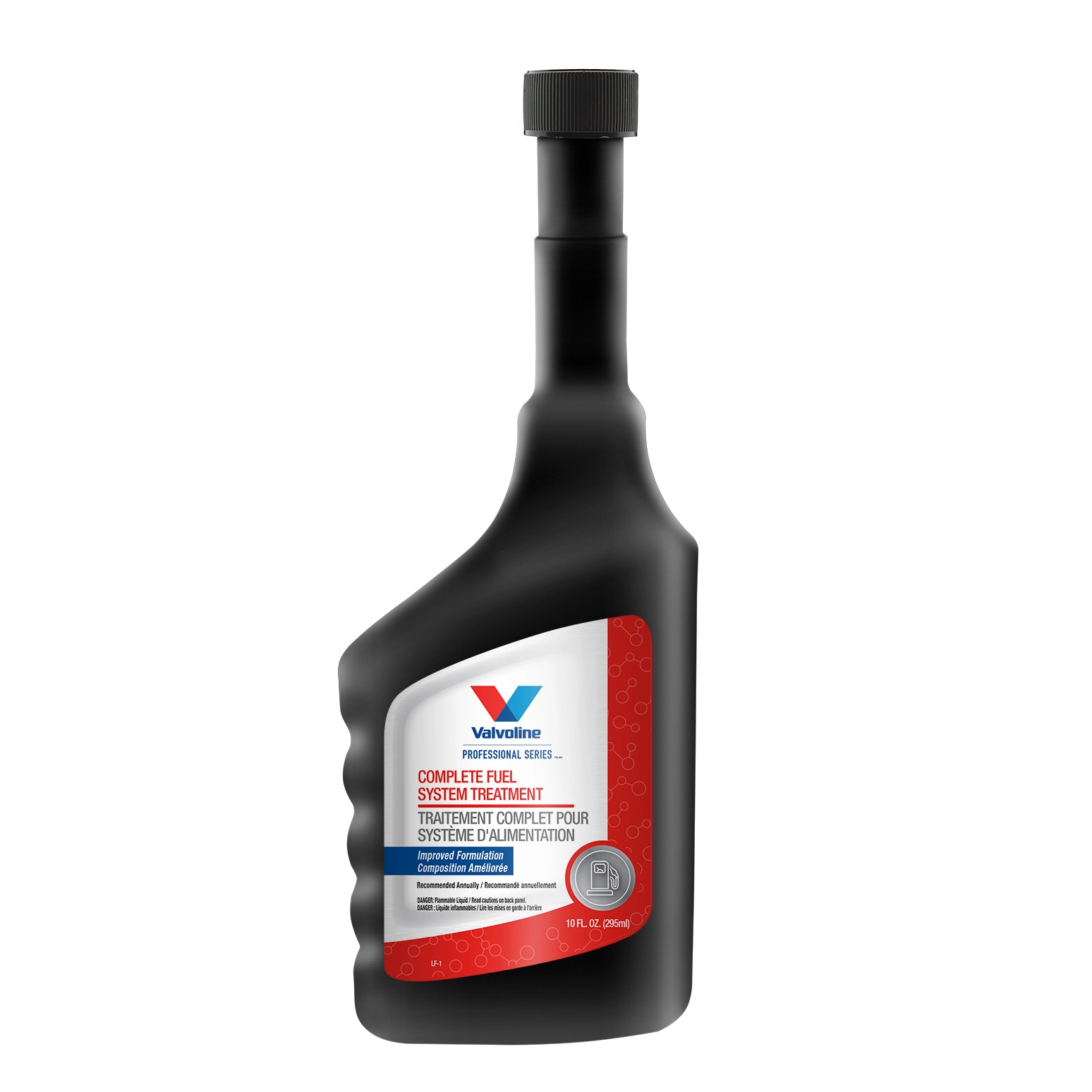
Credit: www.valvolineglobal.com
Long-term Impact Of Neglect
Neglecting fuel system service can cause serious problems over time. The fuel system keeps the engine running smoothly.
When the system is not maintained, it can lead to costly repairs and other issues. Understanding these risks helps you avoid trouble.
Increased Repair Costs
Ignoring fuel system problems causes more damage to your vehicle. Small issues turn into big repairs fast.
- Clogged fuel injectors reduce engine efficiency.
- Dirty fuel filters lead to fuel pump failure.
- Corroded fuel lines increase the chance of leaks.
- Damaged engine parts need expensive replacement.
Environmental Consequences
A neglected fuel system causes your car to pollute more. This harms the air and environment around you.
| Issue | Effect |
| Incomplete combustion | More harmful emissions |
| Fuel leaks | Soil and water contamination |
| Higher fuel consumption | Increased carbon footprint |
Safety Risks On The Road
Fuel system issues can cause your car to stall or lose power. This puts you and others in danger.
- Unexpected engine stalls can cause accidents.
- Fuel leaks increase fire risk.
- Poor engine response affects vehicle control.
- Breakdowns in traffic create hazards.

Credit: www.fuellogic.net
Frequently Asked Questions
What Is A Fuel System Service?
A fuel system service involves cleaning and maintaining the fuel injectors, intake valves, and combustion chambers. This service ensures optimal engine performance, fuel efficiency, and reduces emissions. Regular maintenance can prevent costly repairs by keeping your vehicle running smoothly. It’s recommended to have this service performed based on your vehicle manufacturer’s guidelines.
How Often Should Fuel System Service Be Done?
Fuel system service frequency depends on your vehicle and driving conditions. Generally, it’s recommended every 30,000 miles. Regular service can improve fuel efficiency and engine performance. Check your vehicle’s manual for specific guidelines. Consult a professional mechanic for personalized advice based on your car’s needs and usage patterns.
Can A Dirty Fuel System Affect Performance?
Yes, a dirty fuel system can significantly impact engine performance. It can lead to poor fuel efficiency, rough idling, and difficulty starting. Over time, deposits build up, restricting fuel flow and affecting combustion. Regular fuel system service can help prevent these issues, ensuring your vehicle runs smoothly and efficiently.
Are There Signs Indicating Fuel System Service Is Needed?
Yes, several signs indicate the need for fuel system service. These include decreased fuel efficiency, engine misfires, and rough idling. Difficulty starting and a noticeable loss of power are also indicators. Regular inspection and maintenance can prevent these issues, ensuring optimal vehicle performance and longevity.
Conclusion
Fuel system service helps keep your engine running smooth. It removes dirt and build-up that can cause problems. Regular checks save money by preventing costly repairs later. Clean fuel means better performance and lower fuel use. Trust your vehicle to run strong for longer.
Don’t wait for issues to appear. Taking care now makes a big difference. A simple service can protect your car’s health. Keep your drive safe and efficient with fuel system care. Small steps lead to big results.