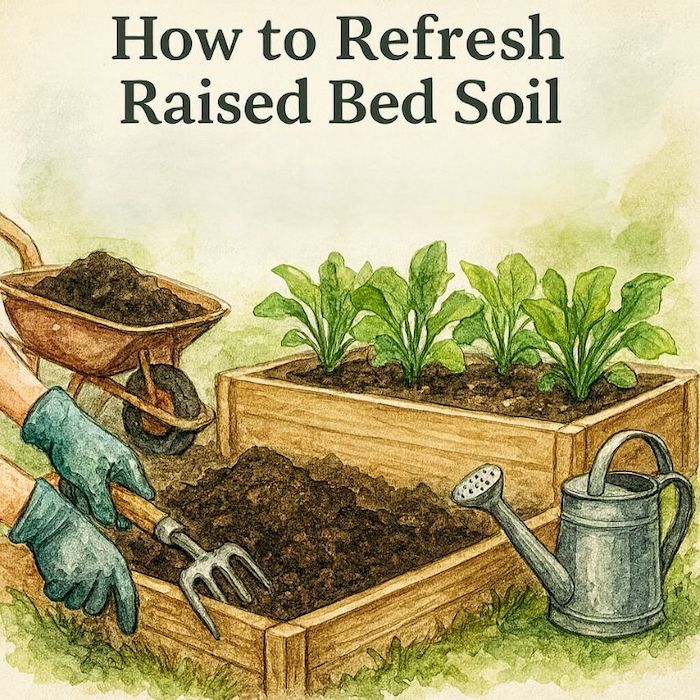
Are you wondering if garden soil is the right choice for your raised beds? You might think using what’s already in your garden saves time and money.
But is it really the best option for growing healthy plants? The answer could change the way your garden grows this season. Keep reading to discover the truth about garden soil in raised beds and how making the right choice can lead to bigger, stronger, and more vibrant plants in your own backyard.
Garden Soil Basics
Garden soil is the natural soil found in outdoor gardens. It contains nutrients and minerals plants need.
People often wonder if garden soil works well in raised beds. Understanding garden soil helps answer this.
Composition Of Garden Soil
Garden soil is made of minerals, organic matter, air, and water. These parts support plant growth.
It usually includes clay, sand, and silt in different amounts. These parts affect soil texture and drainage.
- Minerals supply nutrients to plants
- Organic matter improves soil fertility
- Air allows roots to breathe
- Water helps plants absorb nutrients
Common Uses In Gardening
Garden soil is used for planting flowers, vegetables, and shrubs in the ground. It supports healthy roots.
People also use it to fill raised beds. But garden soil may need mixing with compost or sand for best results.
Raised Bed Soil Needs
Raised beds need special soil for plants to grow well. The soil must be different from regular garden soil.
Choosing the right soil helps plants get the nutrients they need. It also ensures proper drainage and aeration.
Ideal Soil Texture
Soil texture in raised beds should be loose and crumbly. This helps roots spread out easily.
Mix sand, silt, and clay in balanced amounts. The blend supports plant growth and water retention.
- Sand improves drainage
- Silt holds moisture
- Clay provides minerals
Drainage And Aeration
Good drainage prevents water from pooling around roots. Aeration allows air to reach the roots, keeping them healthy.
Use materials like perlite or vermiculite to improve soil structure. These help with both drainage and aeration.
- Perlite keeps soil light
- Vermiculite retains moisture
- Both prevent compacting
Nutrient Requirements
Plants need nutrients to grow strong in raised beds. Organic matter like compost enriches the soil.
Add fertilizers to provide essential nutrients. Balance nitrogen, phosphorus, and potassium for best results.
| Nitrogen | Leaf growth |
| Phosphorus | Root development |
| Potassium | Overall health |
Pros Of Using Garden Soil In Raised Beds
Garden soil can be a good choice for raised beds. It offers natural benefits that help plants grow well. Understanding these advantages can help you decide if garden soil fits your raised bed needs.
Two important benefits are its availability and cost, and the natural microbial life it contains. These factors can improve soil health and save money.
Availability And Cost
Garden soil is easy to find in most areas. You can often dig it from your yard or buy it locally. This makes it a budget-friendly option for raised beds.
- Usually free if taken from your own garden
- Lower cost than special raised bed soil mixes
- Widely available at garden centers and nurseries
- Reduces need for shipping and packaging
Natural Microbial Life
Garden soil contains many helpful microbes and organisms. These microbes support plant growth by improving soil structure and nutrient availability.
| Type of Microbe | Role in Soil |
| Bacteria | Break down organic matter and fix nitrogen |
| Fungi | Help plants absorb nutrients |
| Earthworms | Aerate soil and improve drainage |
| Protozoa | Control harmful pests |
Cons Of Using Garden Soil In Raised Beds
Using garden soil in raised beds can cause problems. It may not work well for growing plants in containers.
This type of soil can lead to issues that affect plant health and growth. Below are some of the main cons.
Compaction Issues
Garden soil often compacts easily in raised beds. This means the soil particles stick together and create a hard layer. Plants find it hard to grow roots in compacted soil.
Compacted soil reduces air space, which plants need to breathe. It also stops water from reaching deep roots. This can make your plants weak and unhealthy.
Poor Drainage Risks
Garden soil may not drain well in raised beds. Water can stay too long, causing roots to rot. Good drainage is very important for plant health.
- Waterlogging can kill plants quickly.
- Excess water invites fungal diseases.
- Slow draining soil limits oxygen for roots.
- Raised beds need soil that drains fast and well.
Potential For Weeds And Pests
Garden soil may contain weed seeds or pests. These can grow or harm plants in raised beds. Weeds compete for nutrients and water.
| Problem | Effect |
|---|---|
| Weed Seeds | Grow and compete with plants |
| Insect Larvae | Damage plant roots and stems |
| Fungal Spores | Cause diseases in plants |
Alternatives To Garden Soil
Garden soil may not always be the best choice for raised beds. It can be heavy and drain poorly. Using other materials can help plants grow better.
Here are some common alternatives that work well in raised beds for healthy plant growth.
Soilless Mixes
Soilless mixes are made from materials like peat moss, coconut coir, and perlite. They hold moisture and air well for roots. These mixes are light and drain fast.
- Peat moss helps retain water
- Coconut coir is eco-friendly and holds moisture
- Perlite improves drainage and air flow
- Vermiculite adds minerals and helps with moisture
Compost And Organic Amendments
Adding compost and organic matter improves soil health. These materials add nutrients and help soil hold water. They support beneficial microbes in the soil.
| Material | Benefit |
| Compost | Rich in nutrients and microbes |
| Manure | Increases fertility but must be aged |
| Leaf mold | Improves soil texture and moisture retention |
| Worm castings | Boosts plant growth and soil life |
Custom Soil Blends
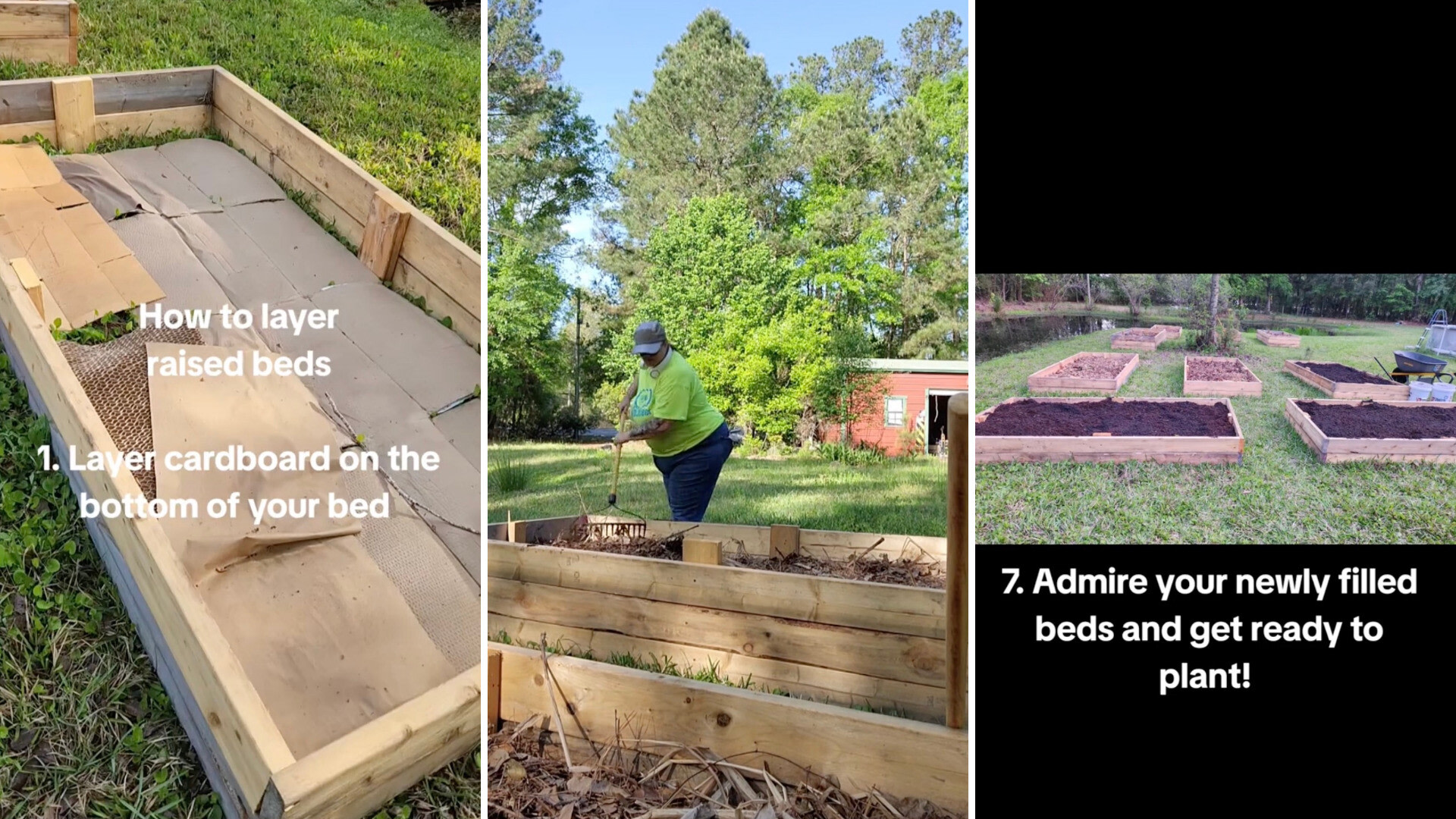
Custom blends mix garden soil with other ingredients. This creates a balanced growing medium. Gardeners can adjust the mix to suit plant needs.
Example custom soil blend:
- 40% garden soil
- 30% compost
- 20% coconut coir or peat moss
- 10% perlite or sand for drainage
Credit: www.thecooldown.com
Improving Garden Soil For Raised Beds
Garden soil may not always be the best choice for raised beds. It often lacks the right balance of nutrients and texture for healthy plant growth.
Improving the soil in raised beds helps plants grow strong and produce more. Simple changes can make a big difference.
Amending With Organic Matter
Adding organic matter improves soil structure and fertility. It helps soil hold moisture and nutrients better.
- Mix compost into the soil before planting.
- Add aged manure for extra nutrients.
- Use leaf mold or shredded leaves to improve texture.
- Include worm castings to boost beneficial microbes.
Testing And Adjusting Ph
Soil pH affects how plants absorb nutrients. Most vegetables grow well in soil with a pH between 6.0 and 7.0.
| pH Level | Effect on Plants | How to Adjust |
|---|---|---|
| Below 6.0 | Soil is acidic | Add lime to raise pH |
| 6.0–7.0 | Ideal for most plants | No adjustment needed |
| Above 7.0 | Soil is alkaline | Add sulfur or peat moss to lower pH |
Enhancing Drainage
Good drainage prevents water from pooling around roots. Too much water can harm plants.
To improve drainage:
- Raise the bed height to allow water to flow away.
- Mix coarse sand or small gravel into the soil.
- Use materials like perlite or vermiculite to increase air space.
- Plant cover crops to help loosen compacted soil.
Maintenance Tips For Raised Bed Soil
Good soil care is important for healthy plants in raised beds. Keeping the soil rich and loose helps plants grow well.
Here are some simple tips to maintain your raised bed soil for better results.
Regular Soil Testing
Test your soil regularly to check its health. Soil tests show nutrient levels and pH balance.
Knowing these details helps you add the right nutrients and keep your soil in good condition.
Replenishing Nutrients
Plants use nutrients from the soil to grow. Over time, these nutrients run low.
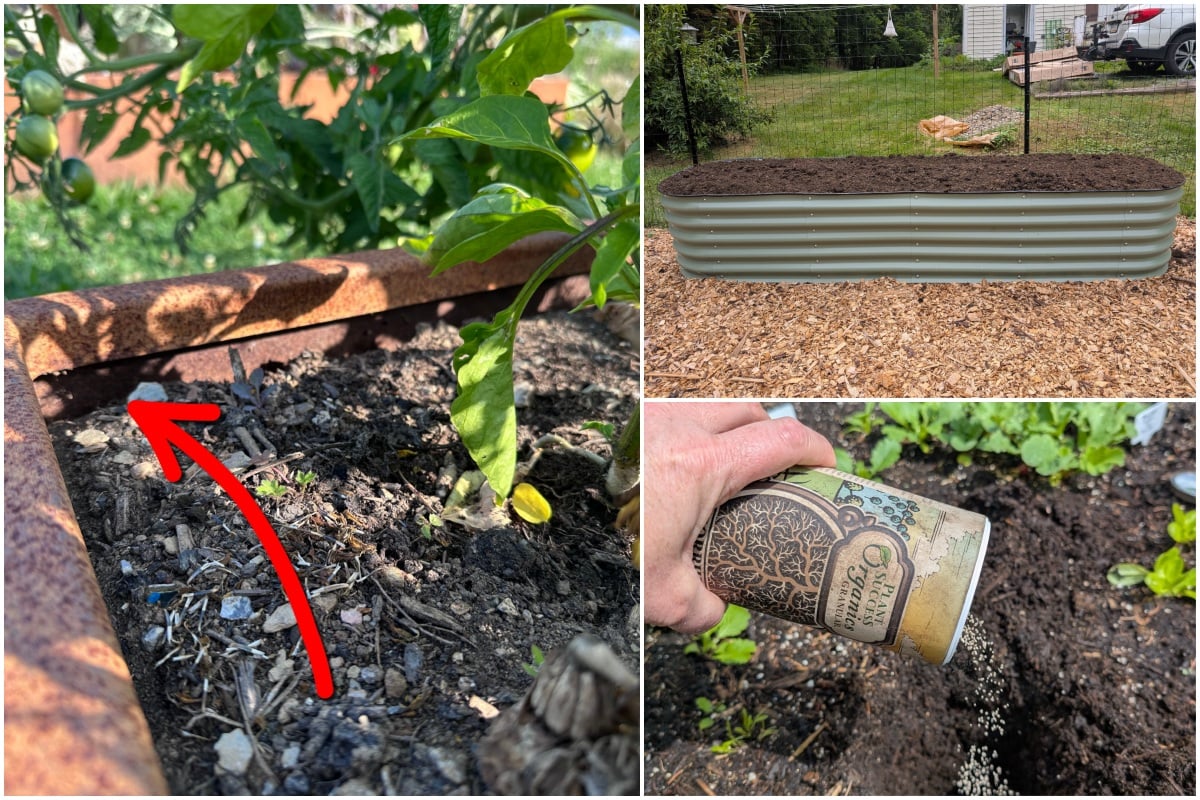
Add compost or organic fertilizers to keep the soil rich. This supports strong plant growth.
- Use compost made from kitchen scraps or garden waste
- Apply organic fertilizers like bone meal or fish emulsion
- Mix amendments into the soil before planting
Preventing Soil Compaction
Soil compaction makes it hard for roots to grow and water to reach plants. It reduces air in the soil.
Avoid stepping inside your raised beds. Use mulch and add organic matter to keep soil loose.
- Do not walk on soil in raised beds
- Add mulch to protect soil surface
- Mix in organic matter like leaves or straw to improve texture
Credit: www.ruralsprout.com

Credit: littlehouseonlaurel.com
Frequently Asked Questions
Is Garden Soil Suitable For Raised Bed Gardening?
Garden soil can be used in raised beds if it is well-draining and nutrient-rich. Avoid heavy clay or compacted soil to prevent poor drainage. Mixing garden soil with compost or other organic matter improves texture and fertility, making it more suitable for raised bed gardening.
Can Garden Soil Cause Drainage Problems In Raised Beds?
Yes, garden soil with high clay content can cause drainage issues in raised beds. Poor drainage leads to waterlogged roots and plant stress. To prevent this, amend garden soil with sand, compost, or perlite to improve aeration and water flow in raised beds.
Should I Sterilize Garden Soil Before Using In Raised Beds?
Sterilizing garden soil is not always necessary but can help eliminate pests and diseases. If your garden soil is contaminated or has a history of plant diseases, sterilization is recommended. Otherwise, mixing fresh compost and organic matter often suffices to create healthy raised bed soil.
How To Improve Garden Soil For Raised Bed Use?
To improve garden soil for raised beds, add organic matter like compost or aged manure. This enhances nutrient content and soil structure. Also, consider mixing in sand or perlite to boost drainage. Regularly testing soil pH helps maintain optimal growing conditions in raised beds.
Conclusion
Garden soil can work in raised beds but has some limits. It may not drain well or have the right nutrients. Mixing garden soil with compost or other materials helps plants grow better. Good soil balance keeps roots healthy and water flowing.
Raised beds need loose, rich soil for best results. Test your soil before planting to know what it needs. Healthy soil means stronger plants and better harvests. Choose soil carefully to make your raised beds thrive.