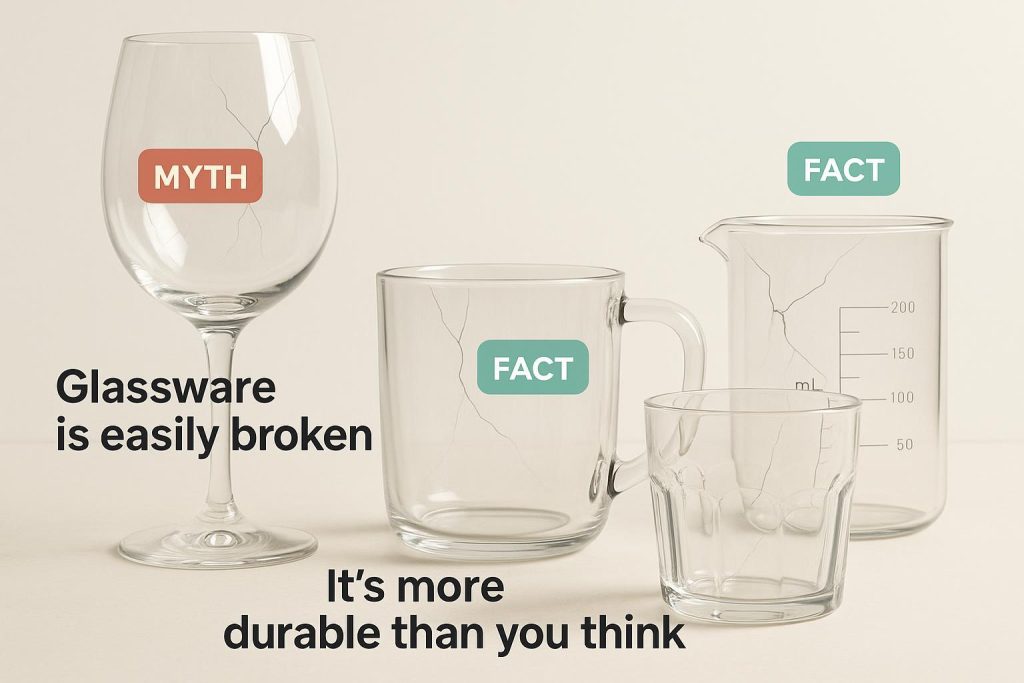
Is your kitchen filled with beautiful glassware that you love using for every occasion? You might often wonder, “Is glassware dishwasher safe?”
This question is crucial because you want to keep your glassware looking pristine while saving time and effort. Imagine the convenience of simply loading your glasses into the dishwasher without worrying about scratches, cloudiness, or damage. We’ll dive into the do’s and don’ts of cleaning glassware in the dishwasher.
By understanding how to properly care for your glassware, you can maintain its sparkle and ensure it remains a stunning part of your table setting. Keep reading to discover the secrets that will help you make the best choice for your cherished glass pieces!
Types Of Glassware
Glassware comes in many types, each with unique care needs. Knowing these types helps decide if they are dishwasher safe. Some glassware is sturdy and dishwasher-friendly. Others need gentle hand washing to stay beautiful. Understanding each type avoids damage and keeps your glassware shining.
Everyday Glasses
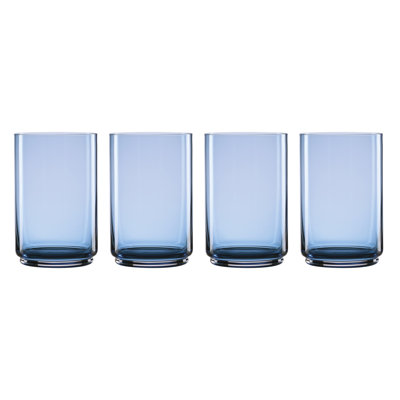
Everyday glasses include drinking glasses, tumblers, and simple cups. They are usually made from tempered or soda-lime glass. These glasses are strong and can often go in the dishwasher. They handle heat and water pressure well. Still, check the manufacturer’s instructions for best results.
Crystal Glassware
Crystal glassware is delicate and often used for special occasions. It contains lead or other minerals that make it sparkle. Crystal can chip or crack easily in a dishwasher. High heat and harsh detergents can dull its shine. Hand washing with mild soap is the safest option.
Decorative And Antique Glass
Decorative and antique glass includes vintage pieces and hand-painted items. These glasses may have fragile details or coatings. Dishwashers can cause fading or damage to these parts. They often require gentle hand cleaning. Use soft cloths and avoid strong chemicals to protect them.
Dishwasher Safety Factors
Understanding dishwasher safety factors helps protect your glassware. Different elements affect how glass holds up in a dishwasher. Knowing these can keep your glass items clear and intact for longer.
Material Durability
Glass types vary in strength and heat resistance. Tempered glass handles dishwasher heat well. Thin, delicate glass may crack or cloud after washing. Some decorative glass can lose its finish in a dishwasher. Choose glassware labeled as dishwasher safe for best results.
Glass Thickness
Thicker glass generally withstands dishwasher cycles better. Thin glass is more prone to damage from water pressure and heat. Heavy glassware resists chipping during washing. Always place thin glasses securely to avoid knocking against other items.
Manufacturer Guidelines
Check the label or packaging for care instructions. Manufacturers provide specific advice on dishwasher use. Follow these guidelines to avoid damage or voiding warranties. Some glassware requires hand washing only. Always err on the side of caution when unsure.
Common Risks In Dishwashers
Dishwashers offer convenience, but they can harm glassware over time. Heat, water pressure, and detergents can cause damage. Understanding common risks helps protect your glasses and keep them looking new. Here are the main issues glassware faces inside dishwashers.
Etching And Cloudiness
Etching happens when dishwasher detergents slowly wear down the glass surface. This causes a cloudy, frosted look that never goes away. Hard water minerals can make this worse. Etched glass looks dull and loses its shine. Once etched, the glass becomes more fragile too.
Chipping And Cracking
High water pressure and rough handling inside dishwashers cause chips and cracks. Glasses can knock against each other or the dishwasher walls. Tiny chips weaken the glass and can grow into cracks. Cracked glass may break completely during use or washing.
Fading Patterns And Decorations
Decorated glassware often loses its colors and designs in dishwashers. Hot water and strong detergents can fade or peel off patterns. Fine details and metallic paints are most at risk. This damage reduces the glassware’s beauty and value.

Credit: gluesticksblog.com
Choosing The Right Dishwasher Settings
Choosing the right dishwasher settings can make a big difference in keeping your glassware safe and sparkling. Not all glass is created equal, and the way you set your dishwasher affects its durability and appearance over time. Understanding how temperature, cycle type, and detergents interact with your glass items helps you avoid damage and maintain their shine.
Temperature Control
High heat can cause glass to crack or become cloudy. Most glassware benefits from a lower temperature setting, usually around 120°F to 140°F. You might be surprised how a cooler wash can still get your glasses clean without risking damage.
Check your dishwasher’s manual to adjust the temperature or select a setting that uses gentler heat. If you notice tiny cracks or cloudiness after washing, consider lowering the temperature next time. Have you ever lost a favorite glass because of too-hot water?
Gentle Cycles
Not all dishwasher cycles treat glassware the same way. Gentle or “delicate” cycles use slower water jets and shorter wash times, reducing the chance of chips and scratches. This is especially important for thin or hand-blown glasses.
Try using these cycles for your wine glasses or any glassware that feels fragile. You’ll likely see less wear and tear compared to regular or heavy-duty cycles. Does your dishwasher have a special glass setting? It might be worth testing.
Avoiding Harsh Detergents
Strong detergents can be tough on glass surfaces, sometimes leaving residue or etching the glass over time. Look for detergents labeled “gentle” or “for glass,” which clean without harsh chemicals. You can also try using less detergent than the recommended amount.
Remember, more detergent doesn’t always mean cleaner glass. If you notice cloudy spots or a filmy finish, switching to a milder detergent or using a rinse aid could help. What detergent do you currently use for your glassware?
Handwashing Vs. Dishwasher
Deciding between handwashing and using a dishwasher for your glassware isn’t always clear-cut. Both methods have their strengths and weaknesses, and understanding when to choose one over the other can protect your glasses and save you time. Let’s break down the best approach for keeping your glassware sparkling and intact.
When To Handwash
Delicate or antique glassware often demands a gentle touch. Handwashing allows you to control the water temperature and pressure, reducing the risk of chips or cracks.
Have you ever noticed your favorite wine glass develop tiny scratches after multiple dishwasher cycles? That’s a sign handwashing might be safer for those treasured pieces. Also, glasses with intricate designs or gold rims usually don’t fare well in dishwashers.
If you want to keep your glassware looking new longer, handwashing with mild soap and a soft sponge is the way to go.
Benefits Of Dishwasher Use
Dishwashers offer convenience and consistent cleaning that handwashing can’t always match. They use hot water and strong detergents that effectively remove residues, leaving glasses spotless.
Saving time is a major advantage—you can load multiple items at once and focus on other tasks. Plus, modern dishwashers often have glassware-friendly cycles designed to protect delicate items.
Isn’t it great when your glasses come out gleaming without any effort? Just make sure to place them securely to avoid clinking and breakage during the wash.
Balancing Both Methods
Why choose one when you can use both? Reserve handwashing for your most fragile or valuable glasses, and rely on the dishwasher for everyday items.
Consider setting aside a special rack or area for glassware in the dishwasher to minimize movement and potential damage. Also, check your dishwasher’s manual for the best settings to protect your glasses.
By mixing these methods, you get the best of both worlds: efficiency and care. What’s your current routine, and could tweaking it improve your glassware’s lifespan?
Credit: www.birchlane.com
Tips For Sparkling Glassware
Keeping your glassware sparkling isn’t just about tossing them into the dishwasher. How you load, the products you use, and the care you give your dishwasher all play a part. These tips help you avoid cloudy spots and damage, ensuring your glasses look clear and fresh every time.
Proper Loading Techniques
Place glasses carefully to prevent them from touching each other. Glasses that knock together can chip or crack during the wash cycle.
Face glasses downward to let water drain and avoid pooling, which causes spots. Use the top rack, as it’s gentler and designed for delicate items.
Don’t overload the dishwasher. Overcrowding reduces water flow and cleaning efficiency, leaving residue behind.
Using Rinse Aids
Rinse aids help water slide off glass surfaces quickly, preventing water spots and streaks. If you’ve noticed cloudy glasses after washing, adding rinse aid might fix that.
Most dishwashers have a rinse aid dispenser—fill it regularly for consistent results. You can also find rinse aids with natural ingredients if you prefer eco-friendly options.
Adjust the rinse aid setting if your glasses are still coming out spotted; sometimes a higher dose is needed depending on your water hardness.
Regular Maintenance Of Dishwasher
Clean your dishwasher’s filter and spray arms regularly to maintain strong water pressure and remove trapped food particles. A clogged filter reduces cleaning power and can leave glasses dirty.
Wipe down the dishwasher door seals and interior to prevent mold and buildup. This helps keep your dishwasher running efficiently and your glassware spotless.
Run a cleaning cycle with dishwasher cleaner once a month. It removes grease and limescale, which can cause unpleasant odors and affect washing performance.

Credit: www.finishdishwashing.ca
Frequently Asked Questions
Is All Glassware Safe For Dishwasher Cleaning?
Not all glassware is dishwasher safe. Delicate or hand-painted glass should be hand washed to avoid damage. Always check manufacturer instructions before placing glassware in a dishwasher.
How To Identify Dishwasher-safe Glassware?
Look for labels or symbols indicating dishwasher safety on the glass. Tempered or borosilicate glass is usually dishwasher safe. When in doubt, refer to the product care guidelines.
Can Dishwasher Damage Crystal Glassware?
Yes, dishwashers can damage crystal glass due to heat and harsh detergents. Hand washing is recommended to preserve its clarity and prevent etching or cracking.
What Dishwasher Settings Are Best For Glassware?
Use a gentle or glassware cycle with lower temperature settings. Avoid high heat and strong detergents to prevent cloudiness and damage to your glass items.
Conclusion
Glassware safety in the dishwasher depends on the type and quality. Some glasses handle heat and water well. Others may crack or lose shine. Check labels or manufacturer advice before washing. Use gentle cycles for delicate glassware. Hand washing works best for fragile pieces.
Taking care can keep your glassware looking good. Simple steps make a big difference. Protect your glasses and enjoy them longer.