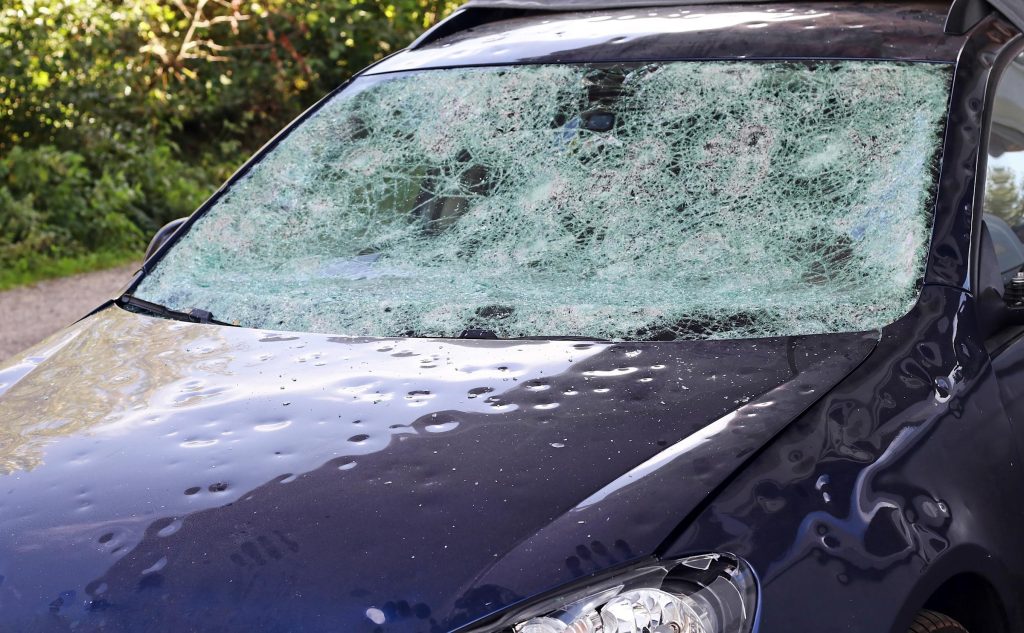
Have you ever looked out your window after a storm and worried about those dents and cracks on your car? You might be asking yourself, “Is hail damage covered by my car insurance?”
It’s a question that can save you a lot of stress and money if you know the answer. You’ll discover exactly what your insurance policy says about hail damage, how to handle claims, and what steps you should take to protect your vehicle.
Keep reading to find out how to turn a scary situation into a manageable one.
Credit: www.promastersautocc.com
Types Of Car Insurance
Car insurance protects you from costs after accidents or damage. Different types cover different risks. Knowing them helps you pick the right plan.
This guide explains three common types of car insurance. Learn what each covers and if hail damage is included.
Comprehensive Coverage
Comprehensive coverage pays for damage to your car from events other than crashes. This includes theft, fire, vandalism, and natural disasters.
- Hail damage is usually covered under comprehensive insurance.
- This protects your car’s body and glass.
- You pay a deductible before coverage applies.
Collision Coverage
Collision coverage pays to fix your car after a crash. It covers damage from hitting another vehicle or object.
Hail damage is not covered by collision insurance. This type only covers accident-related damage.
Liability Insurance
Liability insurance covers harm you cause to others. It pays for their property damage and medical bills.
| Type of Coverage | Covers Hail Damage? | What It Covers |
|---|---|---|
| Comprehensive Coverage | Yes | Theft, fire, vandalism, natural disasters |
| Collision Coverage | No | Damage from crashes you cause |
| Liability Insurance | No | Damage to others’ property and injuries |
What Hail Damage Entails
Hail damage happens when hailstones hit a vehicle. These stones can be small or large and fall during storms.
The damage often shows as dents, broken glass, or scratched paint. It can affect many parts of the car.
Common Hail Damage Scenarios
Hail damage usually occurs during severe weather with strong storms. Cars parked outside are most at risk.
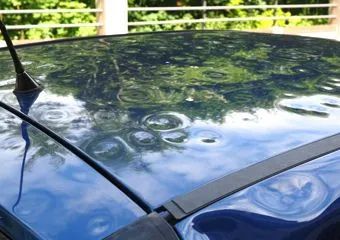
Damage often happens on the roof, hood, and trunk. Side mirrors and windows can break too.
- Dents on the car roof and hood
- Broken or cracked windows and windshields
- Scratches or chipped paint
- Damaged side mirrors or lights
Impact On Vehicle Integrity
Hail dents can weaken the car’s body over time. Paint damage may lead to rust if not fixed.
Broken windows reduce safety and can cause leaks. Damaged mirrors affect driving visibility.
- Body dents reduce structural strength
- Paint chips cause rust and corrosion
- Cracked glass lowers safety
- Mirror damage limits driver view
Comprehensive Coverage For Hail
Hail can cause serious damage to cars. It leaves dents, cracks, and broken glass. Many drivers wonder if car insurance covers hail damage.
Comprehensive coverage is a part of car insurance that often helps with hail damage. It protects your vehicle from many risks beyond crashes.
Definition And Scope
Comprehensive coverage pays for damage to your car that is not caused by a collision. This includes natural events like hailstorms, floods, fire, and theft.
- Damage caused by hailstones hitting the car
- Broken windows or windshields from hail
- Other weather-related damages
- Damage from falling objects or animals
Benefits For Hail Damage
Comprehensive coverage helps cover repair costs for hail damage. It saves money and stress for car owners after a storm.
| Benefit | Explanation |
| Cost Coverage | Covers repair or replacement costs for hail damage. |
| Quick Repairs | Insurance helps you get your car fixed faster. |
| Protection Against Loss | Prevents you from paying large out-of-pocket expenses. |
| Peace of Mind | You are protected during hailstorms or bad weather. |
Credit: www.statefarm.com
Filing A Claim For Hail Damage
Hail can cause serious damage to your car. Knowing how to file a claim helps you get repairs done faster. This guide covers what to do after hail damage.
Follow clear steps to report damage, gather needed documents, and work with your insurance adjuster. This makes the claim process smoother.
Steps To Take After Damage
After hail damages your car, act quickly. First, find a safe place to park your vehicle. Check the damage carefully and take photos. Then, contact your insurance company to report the claim.
- Move your car to a safe location
- Inspect and photograph all hail damage
- Contact your insurance provider
- Follow their instructions for claim filing
Documentation Required
Proper documents speed up your claim. You will need your insurance policy number and proof of ownership. Photos of the damage are very important. Keep any repair estimates or receipts.
| Document | Purpose |
| Insurance Policy | Proof of coverage |
| Vehicle Registration | Proof of ownership |
| Photos of Damage | Show extent of hail damage |
| Repair Estimates | Help adjuster assess costs |
Working With Insurance Adjusters
The insurance adjuster will inspect your car to verify the damage. Be honest and clear when describing what happened. Keep notes of your conversations and ask questions if you do not understand something.
- Schedule a damage inspection with your adjuster
- Show all hail damage clearly
- Ask about repair options and timelines
- Keep a copy of all claim documents
Factors Affecting Coverage
Not all car insurance policies cover hail damage the same way. The coverage depends on several key factors. These factors can change your costs and the protection you get.
Understanding these factors helps you know what to expect if your car is hit by hail. It also guides you in choosing the right insurance policy.
Deductibles And Premiums
A deductible is the amount you pay before insurance helps. Higher deductibles usually mean lower monthly premiums. Lower deductibles mean you pay less after damage but pay more each month.
If you have hail damage, you must pay the deductible first. This affects how much the insurance will cover for repairs.
- High deductible lowers monthly premium
- Low deductible raises monthly premium
- Deductible applies per claim
Policy Exclusions
Insurance policies list what they do not cover. Some may exclude hail damage or limit coverage. You need to read your policy to see if hail damage is covered.
Some policies cover hail only under comprehensive coverage. Others may exclude it if your car was parked outside or in certain conditions.
- Check if comprehensive coverage includes hail
- Look for any exclusions related to weather damage
- Know if your car’s parking situation affects claims
Geographical Considerations
Where you live affects hail damage coverage. Some regions have more hailstorms and higher risk. Insurers may adjust coverage or premiums based on location.
In areas with frequent hail, insurance may cost more. Some places may have special rules or limits on hail damage claims.
- High hail risk areas often have higher premiums
- Low risk areas may have limited hail coverage
- Local weather patterns influence insurance terms
Preventive Measures
Hail can cause serious damage to cars. Taking steps to protect your vehicle helps reduce repairs. Insurance may cover hail damage, but prevention saves time and money.
Learning how to protect your car before a hailstorm is important. Simple actions can lower the risk of dents and broken windows.
Protecting Your Car From Hail
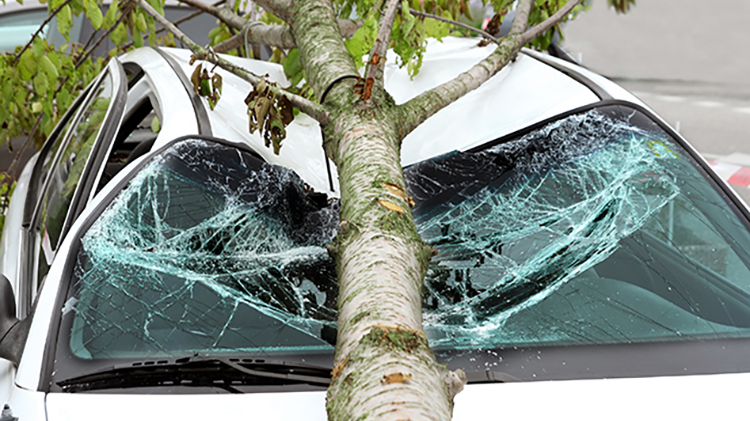
Park your car in safe areas away from open spaces. Look for covered parking spots or garages whenever possible. Avoid parking under trees, which can drop branches during storms.
If you cannot find covered parking, try to park near buildings or walls. These can block some hail and reduce damage. Always check weather alerts to prepare ahead of time.
- Use garages or carports for shelter
- Park next to buildings or under awnings
- Avoid parking under trees or streetlights
- Watch weather updates for hail warnings
Using Hail Covers And Shelters
Hail covers are protective blankets designed to shield your car. They are made with thick, padded materials to absorb hail impact. Using these covers can prevent dents and scratches.
Portable car shelters are another option. These structures provide a roof over your car and can be set up in your driveway. They offer good protection when a garage is not available.
- Hail covers fit over the entire car
- They are easy to install and remove
- Portable shelters create a strong barrier
- Both options protect paint and glass
Cost Implications
Hail damage to your car can lead to repair expenses. Understanding how insurance covers these costs helps with financial planning.
Knowing the cost differences between repairs and insurance payouts can guide your decisions after hail damage.
Repair Costs Vs. Insurance Payout
Repair costs for hail damage vary by severity and car type. Small dents might cost less, while major damage can be expensive.
Insurance payouts depend on your policy and deductible. Sometimes, the payout may not cover full repair costs.
- Minor dents may cost a few hundred dollars to fix
- Severe damage can run into thousands of dollars
- Deductibles reduce insurance payout amounts
- Some policies exclude hail damage coverage
Long-term Financial Impact
Ignoring hail damage can lower your car’s value over time. This may affect resale or trade-in offers.
Filing multiple claims for hail damage can increase your insurance premiums. This raises your yearly expenses.
- Unrepaired damage reduces vehicle resale value
- Frequent claims may lead to higher insurance costs
- Some insurers may drop coverage after repeated claims
- Timely repairs help maintain car value

Credit: www.reddit.com
Alternatives To Insurance Claims
Hail damage can be costly to fix. Some drivers choose other ways to repair their cars. These ways avoid making insurance claims.
Making a claim can raise your insurance rates. It can also take time to process. Here are two common alternatives.
Out-of-pocket Repairs
Paying for repairs yourself keeps your insurance record clean. You decide when and where to fix your car.
Out-of-pocket costs may be lower than your insurance deductible. You avoid higher premiums after a claim.
Hail Repair Clinics
Hail repair clinics fix dents without painting. They use special tools to push dents out gently.
These clinics often cost less than traditional body shops. Repairs can be quick and keep your car’s original paint.
Frequently Asked Questions
Is Hail Damage Covered By Standard Car Insurance?
Yes, hail damage is usually covered under comprehensive car insurance. It protects against non-collision damages like weather-related events. Check your policy for specific coverage details and deductibles related to hail damage.
How Do I File A Claim For Hail Damage?
To file a hail damage claim, contact your insurer promptly. Provide photos of the damage and a detailed description. An adjuster may inspect your car before approving repairs or payout.
Does Hail Damage Affect Car Insurance Premiums?
Hail damage claims can increase your premiums, but it depends on your insurer. Some companies offer accident forgiveness or may not raise rates for weather claims. Always confirm with your provider.
What If I Don’t Have Comprehensive Coverage?
Without comprehensive coverage, hail damage repairs aren’t covered by insurance. You’ll need to pay for repairs out of pocket. Consider adding comprehensive coverage to protect against natural disasters.
Conclusion
Hail damage can cause serious harm to your car. Many car insurance policies cover this type of damage. Check your policy details to be sure. Filing a claim quickly helps speed up repairs. Small dents and broken windows are common hail problems.
Protect your car by parking in covered areas during storms. Knowing your coverage brings peace of mind. Stay prepared and keep your car safe from hail damage.