When choosing a cutting board, you want something that’s sturdy, durable, and safe for your knives. Have you ever wondered if hickory wood fits the bill?
You might have heard mixed opinions about it, and that can make your decision confusing. You’ll discover the real pros and cons of using hickory for cutting boards. By the end, you’ll know if it’s the right choice for your kitchen and how it can impact your cooking experience.
Keep reading to find out what makes hickory stand out—or fall short—when it comes to cutting boards.
Hickory Wood Characteristics
Hickory is a popular wood choice for cutting boards. It is strong and lasts a long time. Many people like its natural beauty and toughness.
Understanding hickory’s features helps you decide if it suits your kitchen needs. Its grain, hardness, and color make it unique.
Grain And Texture
Hickory has a straight grain with some waves. The texture is coarse but smooth when sanded. This makes it good for cutting boards because it is easy to clean.
The grain pattern helps hide small knife marks. It also adds a natural look to the board that many people like.
Hardness And Density
Hickory is one of the hardest domestic woods. It has high density, which means it can handle heavy use without damage. This strength keeps cutting boards durable for years.
- Hardness rating: 1820 on Janka scale
- Resists dents and scratches
- Heavy but stable for cutting tasks
Natural Color Variations
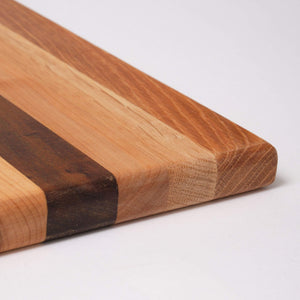
Hickory shows a mix of light and dark colors. The heartwood is darker, and the sapwood is lighter. These color differences create a beautiful contrast on cutting boards.
The natural colors can range from creamy white to reddish brown. This variety makes each board unique and attractive in any kitchen.
Credit: fermehumminghill.com
Durability For Cutting Boards
Hickory is a popular wood choice for cutting boards. Its strength and toughness make it a good option for kitchen use.
This section explores how hickory holds up against knife marks, impacts, and long-term use compared to other woods.
Resistance To Knife Marks
Hickory has a dense grain structure that resists deep knife cuts. This helps keep the board looking clean and smooth over time.
- Hard enough to prevent easy dents
- Self-healing to some degree with use
- Better than softwoods like pine or cedar
Impact And Wear Resistance
Hickory absorbs impact well due to its toughness. It can handle heavy chopping without cracking or splitting.
| Wood Type | Impact Resistance | Wear Resistance |
| Hickory | High | High |
| Maple | Medium | Medium |
| Bamboo | Low | Medium |
| Pine | Low | Low |
Longevity Compared To Other Woods
Hickory cutting boards last a long time if cared for properly. They outperform many common wood options in lifespan.
- Resists warping and cracking
- Can be sanded and refinished multiple times
- Maintains strength even after years of use
Safety Aspects Of Hickory
Hickory is a popular wood choice for cutting boards. It is important to know if it is safe to use in the kitchen. This guide looks at safety aspects of hickory wood for cutting boards.
We focus on three key areas: food safety and non-toxicity, bacterial resistance, and how to maintain and clean hickory boards properly.
Food Safety And Non-toxicity
Hickory wood is non-toxic and safe for food contact. It does not release harmful chemicals or allergens. This makes it a good choice for cutting boards and kitchen use.
- Hickory does not contain toxic oils or resins.
- It is safe for cutting fruits, vegetables, and meats.
- Food contact with hickory does not cause contamination.
- It is approved for use in food preparation by many wood experts.
Bacterial Resistance
Hickory has natural properties that help reduce bacteria growth. Its dense grain limits bacteria from settling deep into the wood.
| Property | Effect on Bacteria |
| Dense Grain | Reduces bacteria penetration |
| Natural Tannins | Inhibit bacterial growth |
| Hard Surface | Limits knife cuts where bacteria hide |
Maintenance And Cleaning
Proper care keeps hickory cutting boards safe and long-lasting. Clean the board after each use to prevent bacteria buildup.
- Wash with warm, soapy water and rinse well.
- Dry the board immediately to avoid moisture damage.
- Apply food-safe mineral oil regularly to maintain the wood.
- Avoid soaking or putting the board in a dishwasher.
- Sand lightly if deep cuts or stains appear.
Credit: www.etsy.com
Styling With Hickory Cutting Boards
Hickory is a strong wood often used for cutting boards. It looks great and lasts a long time. Hickory cutting boards add style to any kitchen.
This wood has a unique look that fits many kitchen designs. You can match hickory boards with different finishes and decor styles.
Aesthetic Appeal
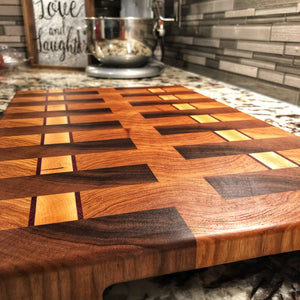
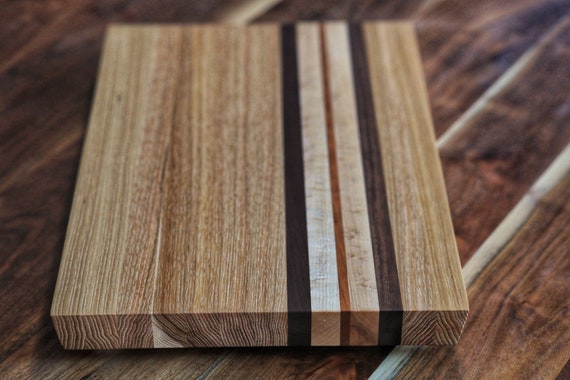
Hickory has a rich color with light and dark tones. These natural patterns create a beautiful, eye-catching board. The grain is bold and adds character.
Each hickory board looks unique because of its natural variations. The wood’s warm shades bring a cozy feel to the kitchen. It works well in rustic or modern spaces.
Customizable Finishes
You can choose many finishes for hickory cutting boards. A smooth finish shows off the wood’s natural beauty. Oil finishes protect the wood and keep it looking fresh.
Matte or glossy finishes change the board’s look. Custom finishes let you match your kitchen style. You can also add engraving for a personal touch.
- Natural oil finish for a soft, natural look
- Glossy finish for a sleek, shiny surface
- Matte finish for a subtle, smooth feel
- Engraved designs for personalization
Complementing Kitchen Décor
Hickory cutting boards fit many kitchen styles. They look great with wood cabinets or stone countertops. The warm colors balance cool metals like stainless steel.
You can use hickory boards as serving trays or display pieces. They add a natural touch and match farmhouse, traditional, or modern kitchens. Their sturdy look fits busy cooking spaces.
Care Tips For Hickory Boards
Hickory is a strong wood often used for cutting boards. It holds up well but needs care to last long. Proper maintenance keeps the board safe and beautiful.
Learn simple ways to protect your hickory cutting board from damage. Follow these tips for oiling, avoiding cracks, and storing your board correctly.
Oiling And Conditioning
Oiling your hickory board keeps it from drying out. Use food-safe mineral oil or beeswax. Apply oil evenly and wipe off extra. Condition the board every few weeks or after washing.
- Clean the board before oiling
- Apply a generous layer of oil
- Let oil soak for at least 2 hours
- Wipe off any excess oil
- Repeat oiling monthly for best results
Avoiding Cracks And Warping
Hickory can crack or warp if not cared for properly. Avoid soaking the board in water. Do not put it in the dishwasher. Keep it dry and clean after use.
| Cause | How to Avoid |
| Excess water | Hand wash and dry immediately |
| Heat exposure | Keep away from stoves and direct sunlight |
| Drying out | Oil regularly to keep moisture balance |
Proper Storage Practices
Store your hickory board in a dry place with good air flow. Avoid stacking heavy items on top. Store the board flat or standing on its edge to prevent warping.
- Keep away from humid areas
- Store flat or on edge, not leaning
- Use a clean cloth between stacked boards
- Avoid placing hot pots or pans on the board
Comparing Hickory To Other Woods
Hickory is a popular wood for cutting boards. It is strong and durable. Many people want to know how it compares to other woods. Let’s look at maple, walnut, and bamboo.
This comparison helps you pick the best wood for your kitchen needs. Each wood has unique features for cutting boards.
Maple Vs Hickory
Maple is a common choice for cutting boards. It is hard but not too hard. Hickory is harder and heavier than maple. Both woods resist knife marks well.
Maple has a lighter color and smoother texture. Hickory shows more grain and color variation. Maple is easier on knives. Hickory lasts longer under heavy use.
- Maple: light color, smooth, gentle on knives
- Hickory: darker, tougher, very durable
- Both: good resistance to dents and cuts
Walnut Vs Hickory
Walnut is softer than hickory but still strong. It has a dark, rich brown color. Hickory is lighter and more rugged in appearance. Walnut feels smoother to the touch.
Walnut cuts less quickly on knives. Hickory may dull knives faster but lasts longer. Walnut boards need gentle care. Hickory can handle rougher use.
- Walnut: soft, smooth, rich dark color
- Hickory: hard, rougher, light to medium color
- Walnut is easier on knives; hickory is more durable
Bamboo Vs Hickory
Bamboo is not a wood but a grass. It is very hard and eco-friendly. Hickory is stronger and heavier than bamboo. Bamboo is lighter and less dense.
Bamboo resists water well and cleans easily. Hickory is more shock resistant and lasts longer. Bamboo boards are often less expensive than hickory boards.
- Bamboo: light, hard, eco-friendly, water resistant
- Hickory: very hard, heavy, long lasting
- Bamboo is lighter; hickory handles heavy use better
Buying Guide For Hickory Boards
Hickory is a popular wood choice for cutting boards. It is strong and durable. This guide helps you pick the best hickory board for your kitchen.
Knowing what to look for in quality wood, price, and trusted sellers makes buying easier. Read on to learn more.
Selecting Quality Wood
Look for hickory wood that is dense and hard. It should have a tight grain and no cracks or knots. These signs show strong and lasting wood.
Make sure the wood is smooth and well sanded. Rough surfaces can damage knives and are hard to clean.
- Check for even color and grain
- Avoid wood with splits or large knots
- Choose boards finished with food-safe oil
Price Considerations
Hickory cutting boards vary in price. The cost depends on size, quality, and finish. Higher prices often mean better wood and craftsmanship.
Compare prices but focus on value. A cheap board may wear out fast. A mid-range board usually offers good quality and durability.
- Small boards cost less but offer less cutting space
- Larger boards cost more but last longer
- Handmade boards may be pricier but better made
Trusted Brands And Sources
Buy hickory boards from brands known for quality wood products. Trusted sellers offer clear details about wood type and finishing.
Look for customer reviews and return policies. These show if the board performs well and if the seller supports buyers.
- Check local woodworkers for custom boards
- Buy from stores specializing in kitchen tools
- Read reviews on trusted online platforms

Credit: cw.furniture
Frequently Asked Questions
Is Hickory Durable For Cutting Boards?
Yes, hickory is very durable and ideal for cutting boards. Its dense grain structure provides excellent resistance to cuts and scratches. This durability ensures a long-lasting and reliable cutting surface. Additionally, hickory’s natural hardness makes it less prone to warping and damage over time.
Does Hickory Affect Knife Sharpness?
Hickory is relatively gentle on knives compared to other hardwoods. Its dense yet forgiving texture minimizes dulling. Regular maintenance of knives and cutting boards ensures prolonged sharpness. Hickory’s balance of hardness and knife-friendliness makes it a popular choice among chefs and home cooks.
Is Hickory Safe For Food Preparation?
Hickory is safe for food preparation due to its non-toxic nature. Its closed grain minimizes bacteria absorption. Regular cleaning and oiling maintain its hygienic properties. This makes hickory a safe and reliable material for kitchen use. Always ensure proper sanitation to maintain its safety.
How Should I Maintain A Hickory Cutting Board?
Maintain a hickory cutting board by regular cleaning with mild soap and water. Dry it immediately to prevent warping. Apply mineral oil monthly to preserve its texture and appearance. Avoid soaking in water or placing in a dishwasher. Proper care extends the board’s lifespan significantly.
Conclusion
Hickory makes a strong and durable cutting board choice. It stands up well to knives without dulling them fast. The wood has a tight grain, which helps resist bacteria and stains. Hickory boards need regular oiling to stay in good shape.
They look natural and fit many kitchen styles. Overall, hickory is a reliable option for safe, long-lasting cutting boards. A practical pick for everyday cooking tasks.