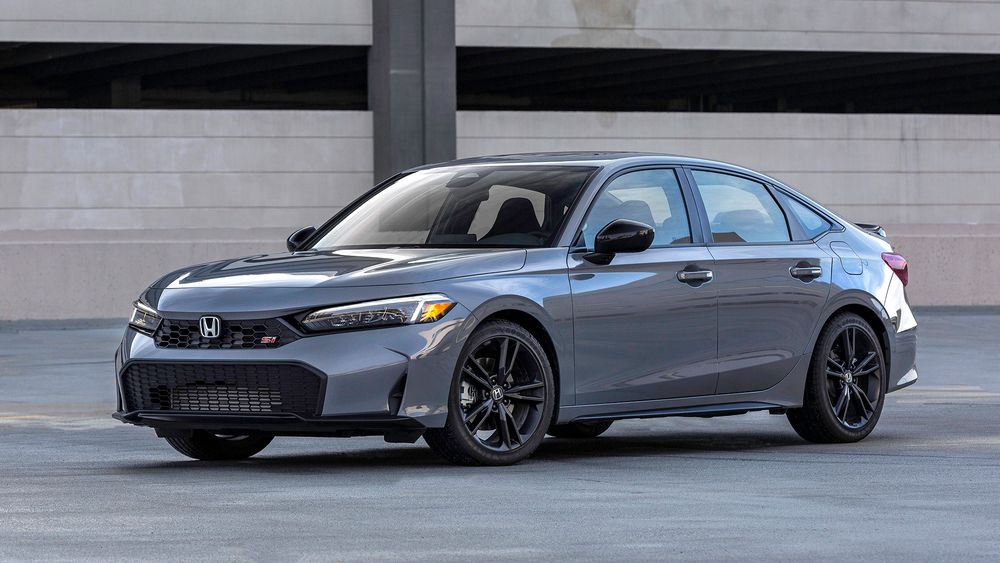
Are you wondering if the Honda Civic comes with all-wheel drive? You’re not alone.
Many drivers want a reliable car that can handle different road conditions, especially when rain or snow hits. Knowing whether your Civic offers all-wheel drive can help you decide if it’s the right fit for your needs. You’ll get clear answers and important details that make choosing your next car easier.
Keep reading to find out everything you need to know about the Honda Civic and all-wheel drive options.

Credit: cuv.honda.ca
Honda Civic Drivetrain Options
The Honda Civic offers a few drivetrain options, but many drivers are curious about whether an all-wheel-drive (AWD) version exists. Understanding these options helps you decide if the Civic fits your needs, especially if you live in areas with varying road conditions. Let’s break down what’s available and what’s not.
Front Wheel Drive Basics
The majority of Honda Civic models come with front-wheel drive (FWD). This means the engine powers the front wheels only, which generally helps with fuel efficiency and lower maintenance costs.
FWD provides good traction on dry and moderately wet roads. However, if you often face slippery or snowy conditions, you might wonder if FWD is enough for your safety and control.
Absence Of All Wheel Drive Models
Honda currently does not offer an all-wheel-drive version of the Civic. Unlike some competitors, the Civic sticks strictly to FWD across its sedan, coupe, and hatchback versions.
This absence might surprise you if you expected AWD to be part of the Civic’s lineup, especially given the popularity of AWD in compact cars today. If AWD is a must-have, you may want to look at other Honda models like the CR-V or HR-V, which do offer AWD options.

Credit: www.lutherauto.com
Why Honda Avoids Awd In Civic
Honda’s Civic is a popular compact car known for its reliability. Yet, it lacks All Wheel Drive (AWD). Why does Honda avoid AWD in the Civic? Let’s explore the reasons behind this decision.
Design And Engineering Priorities
Honda focuses on the Civic’s lightweight design. Adding AWD increases weight, affecting performance. Engineers prioritize agility and handling over AWD. The Civic’s front-wheel drive offers a good balance. This design choice keeps the car nimble and responsive.
Impact On Fuel Efficiency
AWD systems consume more fuel. The Civic aims for high fuel efficiency. By avoiding AWD, Honda ensures better gas mileage. This appeals to drivers seeking cost-effective commuting. Efficient fuel use remains a key selling point for the Civic.
Cost Considerations
AWD systems are costly to produce. Adding them would raise the Civic’s price. Honda targets budget-conscious buyers with the Civic. Keeping it affordable is a priority. By excluding AWD, Honda maintains a competitive price point. This approach helps keep the Civic accessible to more consumers.
Alternative Honda Models With Awd
Honda offers several models equipped with all-wheel drive (AWD) for better traction and control. These vehicles suit drivers who want more stability on different road surfaces. Here are two popular Honda models that come with AWD options.
Honda Cr-v Awd Features
The Honda CR-V with AWD provides extra grip on slippery roads. It uses an intelligent system that sends power to wheels needing it most. This helps improve safety and handling.
- Real Time AWD with Intelligent Control System
- Better traction on wet or snowy roads
- Automatic power distribution between front and rear wheels
- Enhanced stability during cornering and acceleration
- Fuel-efficient for an AWD SUV
Honda Hr-v Awd Capabilities
The Honda HR-V also offers AWD for better control. It is a compact SUV designed for city and light off-road use. Its AWD system activates only when needed to save fuel.
- Real Time AWD system for responsive handling
- Improved traction on uneven or slippery surfaces
- Compact size with AWD benefits
- Lightweight design for fuel efficiency
- Good choice for urban and mild off-road driving

Credit: www.driveclassic.com
Aftermarket Awd Solutions
Aftermarket AWD solutions offer an option to add all-wheel drive to a Honda Civic. These modifications appeal to drivers seeking better traction and control. They require careful planning and technical skill. Understanding the feasibility and challenges helps set realistic expectations. Assessing potential benefits and drawbacks ensures an informed decision.
Feasibility And Challenges
Adding AWD to a Honda Civic is complex and costly. The Civic is not designed for AWD from the factory. The drivetrain, suspension, and frame need significant changes. Installing an AWD system involves:
- Custom driveshafts and differentials
- Upgraded transmission or transfer case
- Modifications to the car’s chassis
Space constraints under the car make installation difficult. Wiring and electronic controls must be reprogrammed. Skilled mechanics and specialized parts are essential. The process can take weeks or months. Not all workshops offer this service.
Potential Benefits And Drawbacks
AWD can improve grip on slippery roads. It enhances stability during acceleration and cornering. For drivers in snowy or wet areas, AWD offers extra confidence. However, drawbacks include:
- Higher installation and maintenance costs
- Increased vehicle weight, reducing fuel efficiency
- Potential warranty issues and resale value impact
Performance gains may not match factory AWD vehicles. Some owners prefer to buy an AWD model instead. Aftermarket AWD suits enthusiasts who enjoy custom projects. It is less practical for everyday drivers.
All Wheel Drive Vs Front Wheel Drive
Choosing between All Wheel Drive (AWD) and Front Wheel Drive (FWD) depends on several factors. Each drivetrain affects how a car handles, costs, and holds value. Understanding these differences helps pick the right setup for your needs. The Honda Civic is mainly Front Wheel Drive, but comparing AWD and FWD highlights key points.
Performance In Different Conditions
AWD sends power to all four wheels, improving grip on slippery roads. It handles snow, rain, and loose surfaces better. FWD powers only the front wheels, which works well on dry pavement. FWD cars are lighter and often more fuel-efficient. AWD offers more control but uses more fuel. For rough weather, AWD provides extra safety and stability.
Maintenance And Reliability
AWD systems are more complex with extra parts like differentials and transfer cases. This means higher maintenance costs and more things that could break. FWD is simpler, with fewer components to maintain. Honda Civics with FWD are known for strong reliability. AWD cars may need more frequent checks and repairs, raising ownership costs.
Resale Value Impact
AWD can increase a car’s resale value in cold or wet climates. Buyers often pay more for AWD in these areas. FWD Civics generally keep good value due to low maintenance and fuel efficiency. In warm or dry regions, FWD models sell just as well. Resale price depends on buyer needs and local weather conditions.
Choosing The Right Civic For You
Choosing the right Honda Civic for you goes beyond just picking a color or trim. It means thinking about how you drive, where you live, and how you plan to use the car daily. This helps ensure your Civic matches your lifestyle perfectly, especially when considering the availability of all-wheel drive (AWD) options.
Assessing Driving Needs
Think about your daily driving habits. Do you mostly drive in the city, or do you take longer highway trips? A front-wheel drive (FWD) Civic is usually enough for smooth, paved roads and city traffic.
If you often face slippery roads, like wet or icy conditions, an AWD system can give you better traction and control. But remember, AWD adds weight and can reduce fuel efficiency, so ask yourself if that extra grip is worth it for your typical drives.
Considering Climate And Terrain
Where you live matters a lot. If you’re in a region with harsh winters or lots of rain, AWD can help you feel safer and more confident behind the wheel. It handles snow and mud better than FWD.
However, if you live in a warm, dry climate with mostly flat roads, AWD might be unnecessary. It won’t improve your driving experience much and will likely increase maintenance costs.
Budget And Usage Factors
Your budget plays a big role in choosing the right Civic. AWD versions typically cost more upfront and might have higher fuel and maintenance expenses. So, think about how much you’re willing to spend initially and over time.
Also, consider how you will use the car. Is it your daily commuter, a weekend getaway vehicle, or something for light errands? If your usage is mostly city driving, a standard Civic might be the smarter choice. On the other hand, if you need versatility for different conditions, investing in AWD could pay off.
Frequently Asked Questions
Does Honda Civic Come With All-wheel Drive?
No, the Honda Civic does not offer all-wheel drive. It is available only with front-wheel drive across all trims and model years.
Why Doesn’t Honda Civic Have All-wheel Drive Option?
Honda focuses on fuel efficiency and affordability for the Civic. AWD systems increase cost and weight, reducing efficiency.
Which Honda Models Offer All-wheel Drive Instead?
Honda offers all-wheel drive in models like CR-V, HR-V, and Passport, which are SUVs designed for varied terrains.
Can I Add All-wheel Drive To A Honda Civic?
No, adding all-wheel drive to a Honda Civic is not feasible. The car’s design and drivetrain don’t support AWD conversions.
Conclusion
The Honda Civic does not come with all-wheel drive. It offers front-wheel drive for good fuel efficiency. Some drivers prefer all-wheel drive for better grip in bad weather. But the Civic focuses on comfort and economy. If you need all-wheel drive, other models may fit better.
The Civic remains popular for daily driving and city use. It balances performance, style, and price well. Choosing the right car depends on your needs and roads. Think about what matters most before deciding.