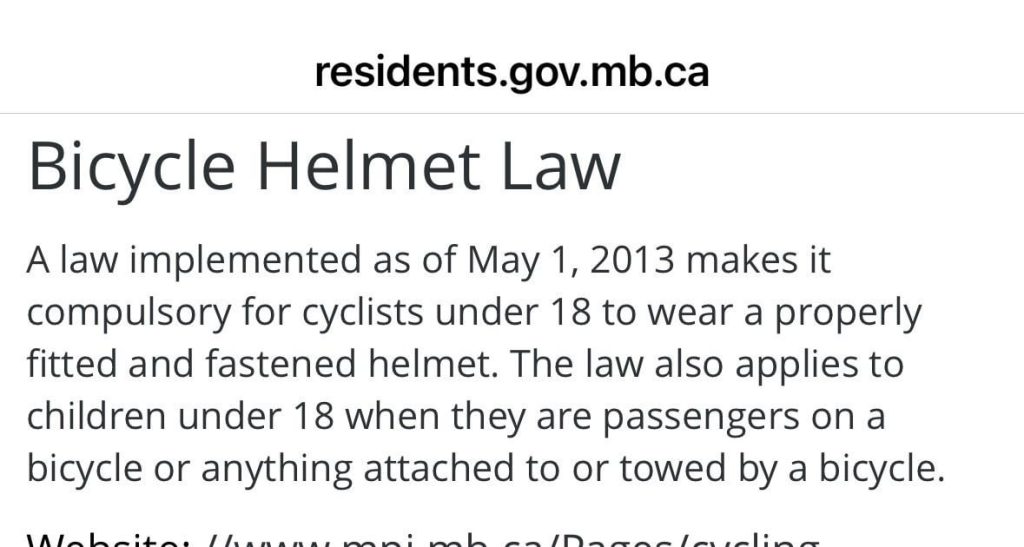
Are you wondering if wearing a bike helmet is actually required by law? You might think it’s just a safety tip, but the rules can be different depending on where you live.
Knowing whether you must wear a helmet can protect you from fines—and more importantly, serious injury. Keep reading to find out exactly when and where helmet laws apply to you, so you can ride smart and stay safe every time you hit the road.
Helmet Laws Around The World
Bicycle helmets protect riders from head injuries. Many countries have laws about wearing helmets. These laws can be different depending on where you live.
Some places require helmets for all riders. Others have no rules or only rules for certain ages. Let’s look at these differences.
Countries With Mandatory Helmet Laws
Several countries make it a law to wear a helmet when riding a bike. This rule applies to everyone or most riders. It helps reduce serious head injuries.
- Australia requires helmets for all cyclists nationwide.
- New Zealand has strict helmet laws for all riders.
- Chile enforces helmet use across the country.
- Spain mandates helmets on certain roads and for young riders.
- Parts of the United States have state laws requiring helmets.
Regions Without Helmet Requirements
Some areas do not have any rules about bike helmets. Riders can choose if they want to wear one. Safety groups often advise wearing helmets anyway.
- Many countries in Europe, like the Netherlands, have no helmet laws.
- Some U.S. states do not require helmets for adults.
- In parts of Asia, helmet laws may only apply to motorbikes, not bicycles.
Age-specific Helmet Rules
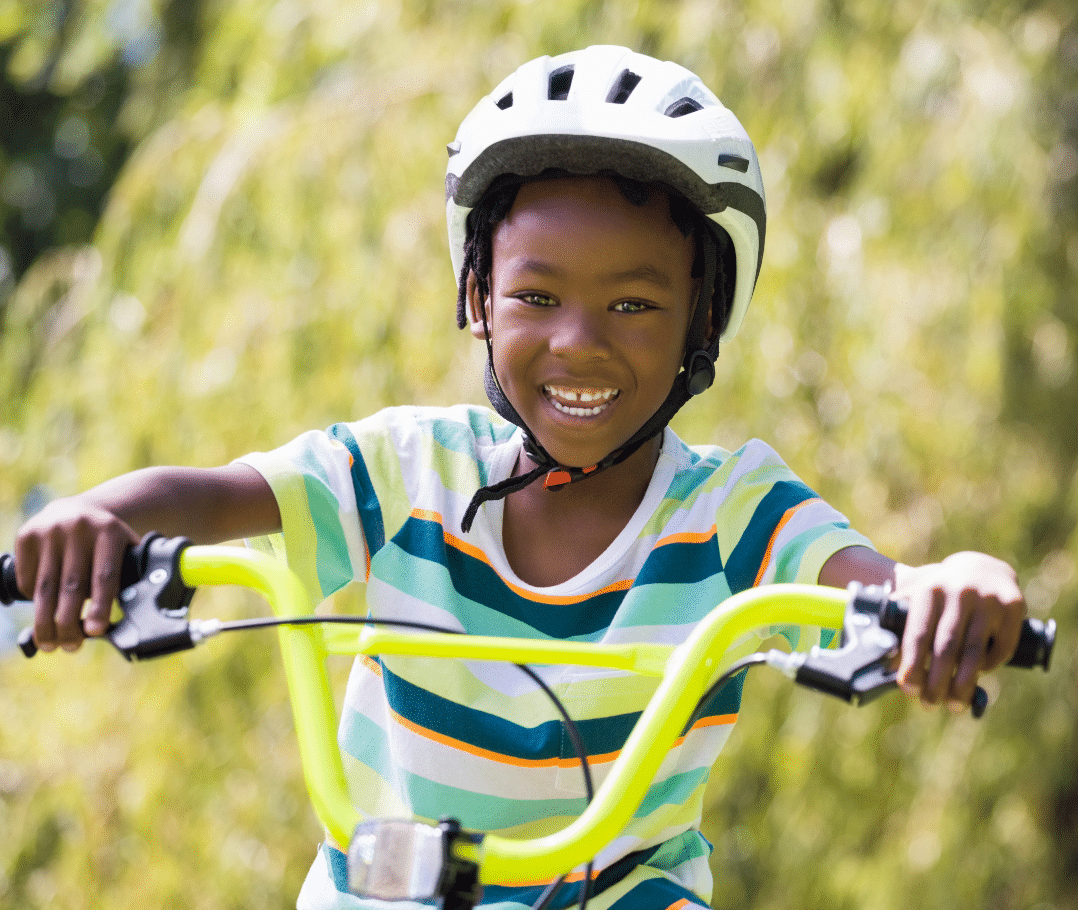
Some laws only require helmets for children or teenagers. Adults may not have to wear helmets. These rules protect younger riders who are at higher risk.
- In the UK, helmets are recommended but not required for any age.
- In Canada, provinces like Ontario require helmets for riders under 18.
- In the USA, many states mandate helmets only for minors.
Credit: billbonebikelaw.com
Safety Benefits Of Wearing Helmets
Wearing a helmet while biking can save lives. It protects your head from serious injuries.
Helmets are crucial for every cyclist. They offer protection and enhance safety on the road.
Protection Against Head Injuries
Helmets help protect your head in case of an accident. They absorb the impact and reduce the risk of head trauma.
- Reduces the risk of skull fractures
- Protects against brain injuries
- Lessens the severity of concussions
Impact On Accident Survival Rates
Wearing a helmet increases your chances of surviving a bike accident. It acts as a barrier between your head and the ground.
| Without Helmet | With Helmet |
| Higher risk of fatal injury | Lower risk of fatal injury |
| Severe head trauma | Reduced head trauma |
Helmet Standards And Quality
Helmets must meet safety standards to be effective. They should be made of high-quality materials.
Common Exceptions And Exemptions
Bike helmet laws vary by location. Many places require helmets for safety. Still, some exceptions exist for certain riders. These exceptions include medical reasons, religious beliefs, and specific bike types.
Understanding these exceptions helps riders know when helmets are legally needed. The rules also differ for sports and electric bikes. Below are key common exceptions and exemptions to helmet laws.
Medical And Religious Exemptions
Some riders do not have to wear helmets due to health or faith reasons. Medical exemptions apply if wearing a helmet harms health. Religious exemptions respect beliefs that forbid helmet use.
- Medical certificates can exempt riders from helmet laws.
- Religious groups may have official waivers in some regions.
- Exemptions usually require proof or documentation.
- Rules vary widely depending on local laws.
Helmet Use In Competitive Sports
Competitive sports often have strict helmet rules. Most cycling races require helmets to protect athletes. These rules come from sports organizations and event organizers.
| Sport | Helmet Required | Notes |
| Road Cycling | Yes | Mandatory in most races |
| Mountain Biking | Yes | Helmets usually compulsory |
| BMX Racing | Yes | Full-face helmets common |
| Track Cycling | Yes | Helmets with aerodynamic design |
Electric Bikes And Helmet Rules
Helmet laws for electric bikes differ by region. Some areas treat e-bikes like regular bikes. Others apply motorcycle helmet laws to faster e-bikes.
- Low-speed e-bikes may not require helmets.
- High-speed e-bikes often need helmets like motorcycles.
- Local laws define helmet rules for e-bike riders.
- Riders should check their area’s regulations carefully.

Credit: www.bicycling.com
Enforcement And Penalties
Bike helmet laws require riders to wear helmets for safety. Enforcement ensures people follow these laws.
Penalties apply when riders do not wear helmets as required by law.
Fines For Non-compliance
Riders caught without helmets often face fines. These fines vary by location and age group.
- First offense fines can be small, around $25 to $50.
- Repeat offenses may lead to higher fines.
- Some areas add court fees to the fines.
- Fines encourage riders to wear helmets for safety.
Role Of Local Authorities
Local police and traffic officers enforce helmet laws. They stop riders to check helmet use.
Authorities educate the public about helmet safety. They also issue tickets to violators.
- Police patrol bike paths and streets.
- Officers give warnings or fines based on compliance.
- Local governments run safety campaigns.
- Authorities keep records of violations.
Effectiveness Of Helmet Law Enforcement
Strong enforcement helps reduce head injuries in bike accidents. Laws work better with consistent penalties.
Some places struggle with enforcement due to limited resources. Public support also affects how well laws work.
- Clear rules increase helmet use among riders.
- Regular checks lead to higher compliance.
- Education and fines together improve safety.
- Community support boosts enforcement success.
Tips For Choosing The Right Helmet
Wearing a bike helmet is important for safety. Choosing the right helmet helps protect your head in case of accidents.
Not all helmets fit the same. Picking one that fits well and meets safety standards is key to staying safe.
Proper Fit And Comfort
A helmet must fit snugly without being too tight. It should stay in place when you move your head.
Look for adjustable straps and padding. These features help improve comfort and fit for long rides.
- Measure your head size before buying
- Try the helmet on and shake your head gently
- Adjust the straps so the helmet sits level
- Check for pressure points and comfort
Certified Safety Labels
Helmets must have safety certification to ensure protection. Look for labels from recognized testing groups.
Common certifications include CPSC, ASTM, and Snell. These labels mean the helmet passed safety tests.
- CPSC – U.S. Consumer Product Safety Commission
- ASTM – American Society for Testing and Materials
- Snell – Snell Memorial Foundation
Maintenance And Replacement
Keep your helmet clean and dry to maintain its condition. Use mild soap and water for cleaning.
Replace your helmet after any crash or every few years. Old helmets may lose their protective ability.
- Check for cracks or dents regularly
- Replace helmets after impact even if no damage shows
- Follow manufacturer’s guidelines for replacement
Promoting Helmet Use
Wearing a bike helmet can save lives and prevent serious injuries. Many places have laws about helmet use, but safety is the main reason to wear one.
Promoting helmet use helps riders stay safe. Communities work together to encourage everyone to wear helmets every time they ride.
Community Awareness Programs
Community programs teach people why helmets are important. They show how helmets protect the head during crashes.
Events and workshops help spread the message. They also give free or low-cost helmets to those who need them.
- Public talks about bike safety
- Helmet fitting and giveaway events
- Posters and flyers in public places
- Social media campaigns for safe riding
Incentives For Helmet Wearers
Incentives encourage more people to wear helmets. Rewards make helmet use a positive choice.
Some towns offer discounts or prizes for helmet users. These small rewards help build good habits.
- Discounts at local bike shops
- Raffle entries for helmet wearers
- Recognition programs for safe riders
- Coupons for sports or safety gear
Role Of Schools And Parents
Schools teach kids about helmet safety in class. They show how helmets protect during biking or skating.
Parents set an example by wearing helmets themselves. They remind children to wear helmets before rides.
- Bike safety lessons in school
- Helmet rules for school rides
- Parents wearing helmets regularly
- Talking about safety at home

Credit: qiolor.com
Frequently Asked Questions
Is It Legally Required To Wear A Bike Helmet?
Laws about bike helmets vary by location. Some places mandate helmets for all riders, while others require them only for minors. Always check your local regulations to ensure compliance and safety.
Which Age Groups Must Wear Bike Helmets By Law?
Many laws specifically require children and teenagers to wear helmets. Adults are often exempt but encouraged to wear helmets for safety. Age requirements depend on your region’s specific helmet laws.
What Are The Penalties For Not Wearing A Bike Helmet?
Penalties differ by jurisdiction and can include fines or warnings. Some areas impose higher fines for repeated offenses. Knowing local laws helps avoid penalties and promotes safer riding.
Do Helmet Laws Reduce Cycling Injuries And Deaths?
Yes, studies show helmet laws significantly decrease head injuries and fatalities. Helmets provide critical protection during accidents. Wearing a helmet greatly enhances cyclist safety on the road.
Conclusion
Wearing a bike helmet can save your life. Many places require helmets by law. Some areas do not have this rule. Still, helmets protect your head from injury. Choosing to wear one shows you care about safety. Riding without a helmet increases risk.
Stay safe and follow local rules. Protect yourself every time you ride. Simple choice, big difference.