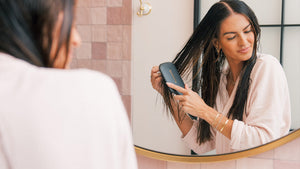
Have you ever dashed outside on a chilly winter morning, only to feel your damp hair turn icy as it hits the freezing air? It’s a sensation that might make you wonder, is it bad for your hair to freeze?
You might be surprised by what freezing temperatures can do to your hair’s health and appearance. This topic isn’t just about comfort; it touches on the very fibers of your hair’s wellbeing. Whether you’re someone who loves a brisk winter run or you’re just curious about the science behind it, understanding the impact of freezing temperatures can help you keep your locks luscious all year round.
Stay with us as we explore the fascinating world of hair and cold weather, and discover tips to protect your tresses from the chill.
How Hair Reacts To Freezing Temperatures
Freezing temperatures can have a surprising effect on your hair’s health and appearance. Understanding how your hair reacts in cold weather can help you protect it better. Let’s look closely at what happens to your hair when it faces freezing conditions.
Hair Structure And Cold Exposure
Your hair is made of a protein called keratin, arranged in layers. The outer layer, called the cuticle, shields the inner parts from damage.
Cold weather can make the hair shaft stiff and less flexible. This stiffness increases the chance of breakage if you handle your hair roughly in freezing conditions.
Have you noticed your hair feels brittle after a winter walk? That’s the structure reacting to the cold, becoming more fragile than usual.
Moisture Loss In Hair
Freezing temperatures often come with low humidity, which draws moisture out of your hair. When your hair loses moisture, it becomes dry and prone to frizz.
Dry hair feels rough and looks dull because it lacks the natural oils that keep it smooth. You might find your hair harder to style during winter months due to this moisture loss.
Simple habits like using a hydrating leave-in conditioner can help lock in moisture and keep your hair soft despite the cold.
Impact On Hair Cuticles
The cuticle is like a protective shield for your hair strands. Cold weather can cause the cuticles to lift, leaving hair vulnerable to damage.
Lifting cuticles let moisture escape and allow harsh elements to penetrate. This can lead to split ends and increased hair breakage.
Consider wearing a hat or scarf to minimize direct exposure to the cold air and protect your cuticles from damage.

Credit: hairlove.com
Common Myths About Hair And Freezing
There’s a lot of talk about how freezing temperatures affect your hair. Some say cold weather can make your hair brittle or even cause it to freeze solid. But are these claims really true? Let’s clear up some common myths about hair and freezing to help you take better care of your locks during chilly days.
Does Hair Really Freeze Solid?
You might wonder if your hair can actually freeze like water. Hair itself doesn’t contain enough moisture to freeze solid under normal cold conditions. It’s mainly made of keratin, a protein that doesn’t freeze easily.
However, if your hair is wet and exposed to very low temperatures, the water in your strands can freeze. This can make your hair feel stiff and fragile, but the hair itself isn’t turning into ice. So, keeping your hair dry during freezing weather is key to avoiding damage.
Freezing And Hair Growth
Some people believe cold temperatures slow down hair growth or even stop it. The truth is, freezing weather doesn’t directly affect the rate at which your hair grows. Hair growth happens beneath the scalp, where it stays warm and protected from the outside climate.
If you notice slower growth during winter, it might be due to changes in your diet, stress levels, or scalp health—not the cold itself. Taking care of your scalp with proper hydration and gentle care supports healthy hair growth regardless of temperature.
Cold Weather And Hair Loss
Cold weather is often blamed for hair loss, but is it really the culprit? Hair shedding can increase in winter, but this is usually linked to seasonal shedding cycles rather than freezing temperatures harming your hair.
Dry air and harsh winds can make hair brittle, leading to breakage that looks like hair loss. Protect your hair with warm hats lined with soft materials and use moisturizing products to keep strands strong and prevent breakage during cold months.
Potential Damage From Freezing Conditions
Freezing weather can harm your hair in several ways. Cold air and icy winds strip moisture from hair strands. This loss of moisture makes hair weaker and more prone to damage. Hair exposed to freezing conditions requires extra care to stay healthy and strong.
Brittleness And Breakage
Cold temperatures cause hair to lose its natural oils. Without these oils, hair becomes dry and brittle. Brittle hair breaks easily, leading to split ends and frizz. Harsh winter winds can also tangle hair, increasing the chance of breakage.
Scalp Health Concerns
Freezing weather can dry out the scalp. A dry scalp feels tight and itchy. It may also lead to flaking and dandruff. Wearing hats can protect the scalp but may cause sweat buildup, which clogs pores. Clean scalp care is essential during cold months.
Effects On Colored And Treated Hair
Color-treated hair is more vulnerable in cold weather. Freezing air can cause color to fade faster. Chemical treatments weaken hair, making it sensitive to cold damage. Treated hair needs deep conditioning to maintain moisture and shine.
Credit: hairlove.com
Protecting Hair During Winter
Winter can be harsh on your hair, especially when freezing temperatures strip away moisture and cause brittleness. Protecting your hair during this season means understanding how cold affects it and taking steps to prevent damage. Let’s dive into practical ways you can keep your hair healthy and hydrated despite the chill.
Best Hair Care Practices
Cold air can dry out your hair, making it prone to breakage. Avoid washing your hair with very hot water because it can remove natural oils that protect your scalp.
Try to wash your hair less frequently during winter. When you do, use lukewarm water and follow up with a cool rinse to seal the hair cuticles.
Another tip is to avoid excessive heat styling. Instead, let your hair air dry or use the lowest heat setting on your dryer to minimize damage.
Recommended Products For Cold Weather
Look for hair products designed to add moisture and protect against dryness. Oils like argan oil, coconut oil, or jojoba oil work well to lock in hydration.
Deep conditioning treatments are essential in winter. Choose masks with ingredients like shea butter or keratin to strengthen and nourish your strands.
Leave-in conditioners can provide an extra layer of protection against the cold wind. They help keep your hair soft and manageable throughout the day.
Tips For Maintaining Hair Moisture
- Use a humidifier at home to add moisture to dry indoor air.
- Cover your hair with hats or scarves when outside to shield it from freezing winds.
- Avoid brushing your hair when it’s wet as it breaks more easily; use a wide-tooth comb instead.
- Apply a small amount of natural oil to your ends daily to prevent split ends and dryness.
Have you noticed your hair feeling rough or brittle this winter? Simple changes in your routine can make a big difference in how your hair looks and feels.
When To Seek Professional Hair Care Advice
Knowing when to seek professional hair care advice can save your hair from long-term damage. Freezing your hair, whether accidentally or intentionally, might not always cause harm, but certain signs indicate you need expert help. Recognizing these signs early can prevent worsening conditions and restore your hair’s health effectively.
Signs Of Severe Hair Damage
Is your hair breaking off in chunks or feeling unusually brittle? These are clear signs of severe damage. Other warning signals include persistent scalp irritation, excessive dryness, and visible split ends that won’t improve with regular care.
If your hair looks dull despite deep conditioning treatments, or you notice significant hair thinning, it’s time to pay attention. Ignoring these signs can lead to irreversible damage. Ask yourself: is your hair behaving differently than usual despite your best efforts?
Consulting A Dermatologist Or Trichologist
When damage reaches beyond what home remedies can fix, a dermatologist or trichologist can provide targeted treatments. These professionals understand the science behind hair health and can diagnose underlying scalp or hair shaft issues.
They may recommend treatments such as medicated shampoos, scalp therapies, or even lifestyle changes to support hair recovery. Don’t hesitate to seek their advice if you notice persistent problems; early intervention often leads to better outcomes.
Credit: www.kimage.com.sg
Frequently Asked Questions
Can Freezing Damage The Hair Structure?
Freezing can cause hair to become brittle and dry. Ice crystals may form inside hair strands, leading to breakage and split ends. However, brief exposure usually doesn’t cause major damage, but prolonged freezing or repeated freezing cycles can weaken hair structure over time.
Does Freezing Affect Hair Moisture Levels?
Yes, freezing can reduce hair moisture. Cold temperatures slow down natural oil production, drying out hair. Frozen water inside strands can disrupt the hair’s natural hydration balance, making hair feel rough and brittle once thawed.
Is It Safe To Freeze Hair Products?
Freezing some hair products can alter their texture and effectiveness. Products with water or oils may separate or lose consistency. It’s better to store hair products at room temperature to maintain their quality and benefits.
How To Protect Hair From Freezing Cold?
Wear hats or scarves to shield hair from freezing temperatures. Use moisturizing conditioners and oils to lock in hydration. Avoid washing hair with very cold water, and limit exposure to harsh winter winds to prevent dryness and damage.
Conclusion
Freezing your hair can cause damage and dryness over time. Cold temperatures make hair brittle and more likely to break. Protect your hair by avoiding extreme cold or using a scarf. Keep hair moisturized to reduce harm from freezing weather.
Healthy hair needs gentle care and warmth during winter. Taking small steps helps maintain strong and shiny hair. Think twice before exposing hair to freezing conditions often. Your hair will thank you for the extra care.