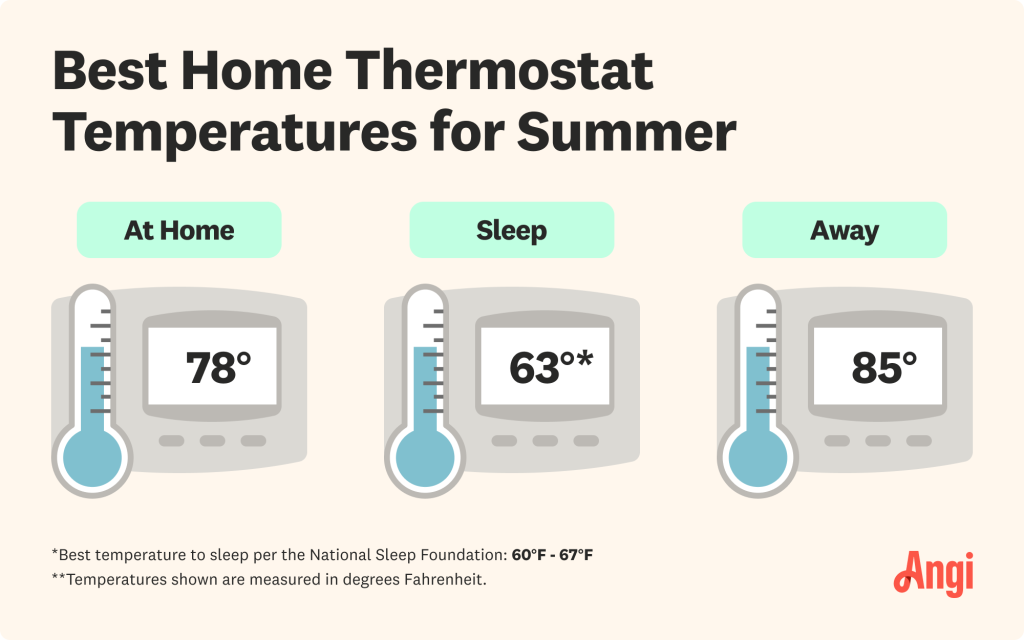
Have you ever wondered if turning your air conditioner on and off frequently could harm it or spike your energy bill? You’re not alone.
Many people worry about whether it’s better to leave the AC running or switch it off when not needed. The truth might surprise you—and understanding it can save you money and keep your home comfortable. Keep reading to discover the facts and learn the best way to use your air conditioner without risking damage or wasted energy.

Credit: www.acostainc.com
Air Conditioner Basics
Understanding how air conditioners work helps you use them better. It also tells if turning them on and off often is bad.
This guide covers the basics of air conditioners and common ways people use them.
How Air Conditioners Work
An air conditioner cools a room by removing heat from inside and moving it outside. It uses a refrigerant to absorb heat and a compressor to pump the refrigerant.
- The compressor pumps refrigerant through coils.
- The refrigerant absorbs heat inside the home.
- Heat is released outside through another set of coils.
- A fan moves air over the cool coils to lower room temperature.
- The system cycles on and off to keep the temperature steady.
Common Usage Patterns
People use air conditioners in different ways. Some leave them on all day, while others turn them off and on as needed.
| Usage Pattern | Description | Effect on AC |
| Continuous Running | AC runs most of the day at a set temperature. | Less stress on starting, but uses more energy. |
| Frequent On/Off | Turning AC on and off multiple times daily. | More wear on compressor but saves energy if off long. |
| Thermostat Control | AC cycles automatically to keep a steady temperature. | Balanced use with less manual control needed. |
Energy Consumption Factors
Turning your air conditioner on and off affects how much energy it uses. Understanding these factors helps save electricity and lower bills.
Two main parts affect energy use: the power needed to start the AC and how it runs over time.
Startup Power Surge
When an air conditioner starts, it needs extra power for a short time. This is called a startup power surge.
This surge uses more electricity than normal running but lasts only a few seconds.
- The surge can be 2 to 3 times the normal power use
- Frequent on and off cycles increase total surge energy
- Starting the AC fewer times can reduce surge energy use
Running Efficiency
Air conditioners run more efficiently when they stay on for longer periods. Turning them off often makes them work harder to cool again.
Running efficiency depends on how the AC maintains temperature and avoids short cycles.
- Longer run times keep temperature steady
- Short cycles use more energy and wear out parts faster
- Using a thermostat helps keep the AC running efficiently
Effects Of Frequent Switching
Turning your air conditioner on and off often can affect its parts. This switching puts stress on the system. Understanding these effects helps you use your AC better.
Two main parts feel the impact: the compressor and the thermostat. Both can wear out faster with frequent switching. Let’s look closer at how this happens.
Impact On Compressor Life
The compressor is the heart of the air conditioner. It pumps refrigerant and cools your home. Turning the AC on and off a lot causes the compressor to work harder.
- Each start-up uses more energy and creates heat.
- Frequent starts cause mechanical wear inside the compressor.
- The oil that protects moving parts can break down faster.
- Short cycles reduce the compressor’s ability to cool efficiently.
All these effects shorten the compressor’s life. To keep it healthy, avoid turning the AC on and off too often.
Thermostat And Sensor Stress
The thermostat controls when the AC turns on and off. Frequent switching makes the thermostat and sensors work harder than usual. This can lead to errors and failures.
| Effect | Details |
| Sensor Wear | Repeated switching causes sensor fatigue. |
| Thermostat Error | Quick cycles can confuse temperature readings. |
| Increased Repairs | More frequent faults need technician visits. |
| Reduced Efficiency | Sensor faults lead to poor cooling control. |
Credit: www.familyhandyman.com
When To Turn Ac On And Off
Knowing the right time to turn your air conditioner on or off helps save energy. It also keeps your home comfortable without wasting power.
Turning the AC on and off too often can cause wear. Using smart controls and adjusting for weather can make your system last longer.
Using Timers And Smart Controls
Timers and smart controls let you set when the AC runs. This way, the AC only cools when needed, saving energy and money.
- Set timers to run the AC before you arrive home.
- Use smart thermostats to keep temperature steady.
- Program the AC to turn off during cooler night hours.
- Use apps to control the AC remotely.
Adjusting For Weather Changes
Weather changes affect how often you need the AC. Adjust settings based on outdoor temperatures and humidity.
| Weather Condition | AC Action |
| Hot and Humid | Turn AC on early to cool air |
| Cool Evenings | Turn AC off or use fan only |
| Mild Days | Use natural ventilation instead of AC |
| Sudden Heat Spikes | Use smart controls to adjust quickly |
Expert Recommendations
Many people wonder if turning the air conditioner on and off harms it. Experts say this depends on how you use it. Proper use helps save energy and keeps the AC lasting longer.
Let’s look at expert tips on saving energy and keeping your air conditioner in good shape.
Best Practices For Energy Savings
Turning your AC on and off too often can use more power. Experts suggest setting a comfortable temperature and using a timer or thermostat to control the AC.
- Keep the temperature steady instead of switching it frequently.
- Use a programmable thermostat to avoid unnecessary cooling.
- Close windows and doors to keep cool air inside.
- Turn off the AC when no one is home for long periods.
- Use fans to help circulate air and reduce AC workload.
Maintenance Tips To Extend Ac Life
Regular maintenance helps your air conditioner last longer and work better. Experts recommend simple actions you can do at home or with a technician.
| Maintenance Task | Frequency | Why It Helps |
| Clean or replace filters | Every 1-3 months | Improves airflow and air quality |
| Check refrigerant levels | Yearly | Keeps cooling efficient |
| Clear debris from outdoor unit | Monthly | Prevents overheating |
| Inspect electrical connections | Yearly | Reduces risk of damage |
| Schedule professional tune-up | Once a year | Ensures all parts work well |

Credit: www.reddit.com
Alternative Cooling Strategies
Turning your air conditioner on and off often can use more energy. It may also wear out the system faster. Using other ways to cool your home helps save energy and keeps you comfortable.
Simple changes at home can lower the need for air conditioning. These strategies work well with your AC or on their own in cooler weather.
Fans And Ventilation
Fans help move air around your home. They make you feel cooler by increasing air flow. Using fans with open windows can bring fresh air inside.
Ventilation removes warm air and replaces it with cooler air. Good ventilation reduces heat build-up indoors.
- Use ceiling fans to circulate air in rooms
- Place box fans near windows to pull in cool air
- Open windows in the early morning or late evening
- Use exhaust fans in kitchens and bathrooms to remove heat
Insulation And Shading
Insulation keeps your home cool by blocking heat from outside. It also keeps cool air inside, so your AC works less.
Shading blocks sunlight from entering your home. It lowers indoor temperatures and reduces the need for air conditioning.
- Install insulation in walls and attic spaces
- Use curtains or blinds to block direct sunlight
- Plant trees or use awnings to shade windows
- Seal gaps around doors and windows to keep air in
Frequently Asked Questions
Is It Harmful To Frequently Turn Ac On And Off?
Frequent AC cycling can strain the compressor, reducing its lifespan. However, occasional on/off use is generally safe and energy-efficient when needed.
Does Turning Ac Off Save Electricity?
Turning your AC off when not needed saves energy. Continuous running uses more power, so switching it off can reduce electricity bills.
How Often Should I Cycle My Air Conditioner?
Cycle your AC based on room temperature and comfort needs. Avoid rapid on/off cycles; instead, allow it to run steadily for efficiency.
Can Frequent Ac Cycling Increase Repair Costs?
Yes, frequent cycling causes compressor wear, leading to higher repair expenses. Maintaining proper usage reduces the risk of costly breakdowns.
Conclusion
Turning your air conditioner on and off frequently isn’t ideal. It can lead to wear and tear. Energy bills may also increase due to inefficiency. Maintaining a steady temperature is better for the system. Set a comfortable temperature and let it run.
Your unit will last longer this way. Regular maintenance also helps keep it efficient. Clean filters and check for leaks. A well-maintained system saves money and energy. Remember, consistent use is key. Keep your home cool without constant adjustments. Your air conditioner will thank you.
And so will your wallet.