Have you ever found yourself confused between a cookie sheet and a cooking sheet? You’re not alone.
Many people use these terms interchangeably, but there’s more to know. Understanding the difference can make your baking and cooking easier and more successful. Keep reading, and you’ll discover simple tips that will change the way you use your kitchen tools forever.
By the end, you’ll feel confident choosing the right sheet for every recipe. Ready to clear up the mystery? Let’s dive in!
Cookie Sheet Basics
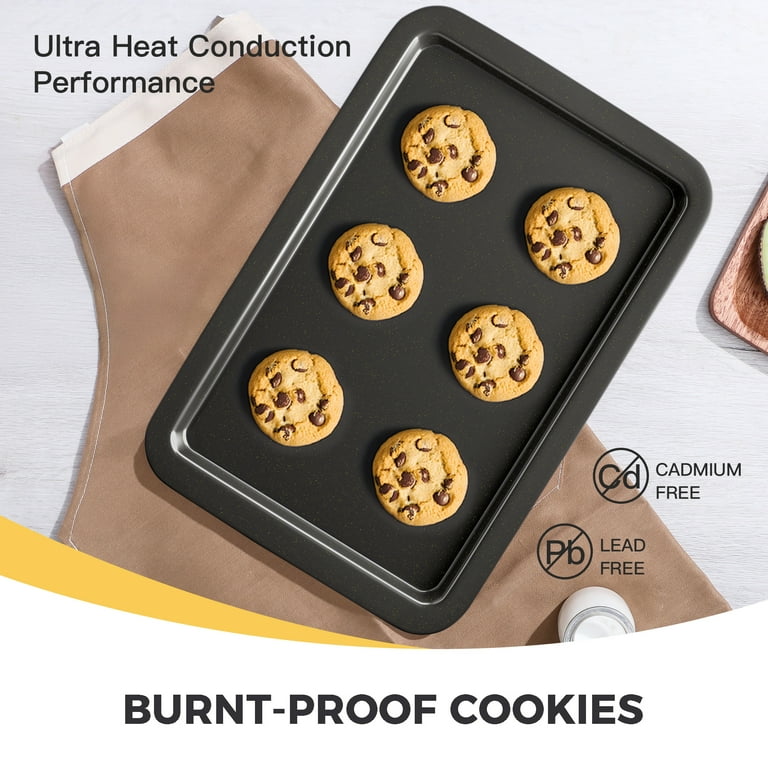
Cookie sheets are essential tools in baking. They help bake cookies evenly and keep them from burning.
Understanding the types, sizes, and uses helps you pick the right cookie sheet for your kitchen.
Material Types
Cookie sheets come in different materials. Each material affects baking results and durability.
- Aluminum: Lightweight and conducts heat well. It bakes cookies evenly.
- Stainless Steel: Durable and resists rust. It heats slower than aluminum.
- Non-stick Coated: Easy to clean and release cookies easily. Avoid using metal utensils.
- Silicone: Flexible and non-stick. Good for easy cookie removal but less crisp edges.
- Copper: Excellent heat conductor. Usually combined with other metals.
Common Sizes
Cookie sheets vary in size to fit different ovens and baking needs. Standard sizes fit most home ovens.
| Size | Dimensions (inches) | Use |
| Half Sheet | 18 x 13 | Most common size for home baking |
| Quarter Sheet | 13 x 9 | Small batches or toaster ovens |
| Jumbo Sheet | 26 x 18 | Large batches, commercial baking |
Typical Uses
Cookie sheets do more than bake cookies. They work for many kitchen tasks.
- Baking cookies, biscuits, and pastries.
- Roasting vegetables evenly.
- Toasting nuts or seeds.
- Reheating foods in the oven.
- Making sheet pan dinners with meat and veggies.
Credit: www.walmart.com
Cooking Sheet Essentials
Cooking sheets are important tools in the kitchen. They help bake and cook food evenly.
Many people get confused between cookie sheets and cooking sheets. Both have special uses.
Design Features
Cookie and cooking sheets have flat surfaces to hold food. Some have raised edges to keep food in place.
Non-stick coatings are common. They help food slide off easily and make cleaning faster.
- Flat surface for even cooking
- Raised edges to prevent spills
- Non-stick coating for easy release
- Durable handles for safe use
Material Choices
Cooking sheets come in many materials. Each type affects heat distribution and durability.
Aluminum is lightweight and heats quickly. Stainless steel lasts long but heats slower.
- Aluminum: light, fast heating
- Stainless steel: strong, slower heating
- Silicone: flexible, non-stick
- Ceramic: even heat, fragile
Versatile Applications
Cooking sheets work for baking cookies, roasting vegetables, and cooking meats. They fit many recipes.
You can use them to toast nuts or bake bread. Their flat shape allows easy food placement.
- Baking cookies and pastries
- Roasting vegetables and meats
- Toasting nuts and seeds
- Preparing sheet pan meals
Comparing Cookie Sheets And Cooking Sheets
Cookie sheets and cooking sheets are both used in baking and cooking. They look similar but have important differences. Knowing these differences helps you choose the right one.
This guide compares cookie sheets and cooking sheets by their surface texture, edges, and heat distribution. These features affect how food cooks and bakes.
Surface Texture Differences
Cookie sheets usually have a smooth surface. This helps cookies bake evenly and prevents sticking. Cooking sheets often have a non-stick coating or a textured surface to hold food better.
The smooth surface of cookie sheets is best for delicate baked goods. Cooking sheets with texture are better for roasting vegetables or meats because they allow air to circulate.
- Cookie sheets: smooth and flat
- Cooking sheets: sometimes textured or non-stick
- Texture helps with airflow and crispiness
Edge And Rim Variations
Cookie sheets usually have one or no raised edges. This allows easy sliding of cookies on and off the sheet. Cooking sheets often have raised edges on all sides to hold juices and prevent spills.
The low or no rim design on cookie sheets makes it simple to remove baked goods. The higher rims on cooking sheets help contain liquids and keep food in place during roasting or baking.
- Cookie sheets: low or no rims
- Cooking sheets: raised edges on all sides
- Edges affect food handling and spill control
Heat Distribution
Cookie sheets are made from thinner metal. This helps them heat up quickly and cook cookies evenly. Cooking sheets are thicker to hold heat longer and cook food more gently.
Even heat distribution on cookie sheets prevents burning. Cooking sheets keep steady heat for roasting and browning meats or vegetables well.
- Cookie sheets: thinner metal, heats fast
- Cooking sheets: thicker metal, holds heat
- Heat affects cooking time and food texture

Credit: www.allrecipes.com
Choosing The Right Sheet For Your Needs
Choosing the right sheet can make cooking easier and better. Two common options are cookie sheets and cooking sheets.
Each type has a special design and use. Knowing the difference helps pick the best one for your kitchen tasks.
Baking Cookies
Cookie sheets are thin and flat with low or no edges. They help cookies bake evenly and get crispy edges.
Use cookie sheets for baking cookies because they allow heat to reach the dough from all sides. This helps cookies spread well and brown nicely.
Roasting And Broiling
Cooking sheets, also called baking pans, have higher edges. This design holds juices and prevents spills during roasting or broiling.
Choose cooking sheets for roasting vegetables or broiling meat. Their edges keep food in place and collect drippings.
- Cookie sheet: flat, best for cookies and flat items
- Cooking sheet: edged, best for juicy or heavy foods
Cleaning And Maintenance
Cookie sheets are easier to clean because they have no edges. Food scraps wash off quickly.
Cooking sheets need more care to clean edges and corners. Use a soft brush to reach tight spots.
- Use warm, soapy water for both types
- Avoid metal scrubbers to protect the surface
- Dry sheets fully to prevent rust
Tips For Best Results
Choosing between a cookie sheet and a cooking sheet can be confusing. Both have their uses in baking and cooking.
Knowing how to care for these sheets helps get better results every time you bake or cook.
Preventing Sticking
Sticking is a common problem when using cookie or cooking sheets. Use simple tips to stop food from sticking.
Always grease the sheet or use parchment paper before placing food on it.
- Apply a thin layer of butter or oil on the sheet
- Use silicone baking mats as a non-stick surface
- Line the sheet with parchment paper for easy cleanup
- Allow baked goods to cool slightly before removing
Extending Sheet Lifespan
Good care keeps your cookie or cooking sheets working well for many years.
Follow these simple steps to avoid damage and wear.
- Do not use metal utensils that can scratch the surface
- Wash sheets by hand with mild soap and soft sponges
- Dry sheets completely before storing to prevent rust
- Avoid high heat that can warp or damage the sheet
Storage Suggestions
Store your cookie or cooking sheets properly to keep them flat and clean.
Good storage saves space and protects your sheets from damage.
- Stack sheets with a soft cloth or paper towel between them
- Keep sheets in a dry place to avoid rust and moisture
- Store sheets upright if space is tight to prevent warping
- Make sure sheets are clean before storing to avoid stains

Credit: www.amazon.com
Frequently Asked Questions
What Is A Cookie Sheet?
A cookie sheet is a flat, rectangular metal tray. It’s primarily used for baking cookies. It has no sides or very low edges. This design allows for even heat distribution and easy cookie removal. It’s an essential tool for bakers looking to achieve perfectly baked cookies.
How Does A Cooking Sheet Differ?
A cooking sheet is versatile and has raised edges. Unlike a cookie sheet, it’s used for roasting or baking a variety of dishes. Its higher sides prevent spills and can hold juices or sauces. It’s ideal for cooking meats, vegetables, and more.
Can I Use A Cookie Sheet For Roasting?
Yes, but be cautious of spills. A cookie sheet’s flat design lacks high edges, which can lead to spills when roasting. It’s best for baking cookies or similar items. For roasting, a cooking sheet or pan with sides is more suitable.
Are Cookie Sheets And Baking Sheets The Same?
Not exactly. Cookie sheets are flat with low edges, ideal for cookies. Baking sheets, often called jelly roll pans, have higher sides. This makes them suitable for a wider range of dishes. The terms are sometimes used interchangeably, but their functions can differ.
Conclusion
Choosing between a cookie sheet and a cooking sheet depends on your baking needs. Cookie sheets have one raised edge, perfect for sliding cookies in and out. Cooking sheets have raised edges all around, which help hold juices or sauces.
Both are useful, but knowing their differences saves time and effort. Keep this in mind next time you bake. Simple tools make cooking easier and more fun.