
Are you someone who loves biking but often wonders, “Is it illegal to bike without a helmet?” You’re not alone. Many riders ask this question because safety rules can be confusing and vary from place to place.
Knowing the answer could protect you from fines or even serious injury. You’ll discover the facts about helmet laws, why they matter, and what you should consider every time you hop on your bike. Keep reading to make sure you’re riding smart and staying safe.

Credit: www.piquenewsmagazine.com
Helmet Laws By Region
Laws about wearing bike helmets vary a lot around the world. Some places require helmets for all riders. Others have no rules about helmets at all. Some regions only require helmets for certain ages.
Knowing the helmet laws in your area can keep you safe and avoid fines. This guide explains helmet rules by region and age.
Countries With Mandatory Helmet Laws
Many countries require bike riders to wear helmets. These laws help reduce head injuries in accidents. Some countries apply these rules to all riders, no matter their age.
- Australia
- New Zealand
- Spain
- Chile
- United States (varies by state)
- Canada (varies by province)
Regions With No Helmet Requirements
Some places do not have laws that require helmets for bike riders. People can choose to wear helmets or not. These regions focus on other road safety rules.
- Netherlands
- Denmark
- Germany (no national helmet law)
- United Kingdom (no law for adults)
Age-specific Helmet Regulations
Many places require helmets only for children or young riders. Adults can ride without helmets in these regions. These laws aim to protect younger, more vulnerable cyclists.
| Region | Helmet Requirement | Age Limit |
|---|---|---|
| United States (many states) | Helmet required | Under 18 years |
| Canada (some provinces) | Helmet required | Under 18 years |
| United Kingdom | Helmet recommended | No legal requirement |
| South Africa | Helmet required | Under 16 years |
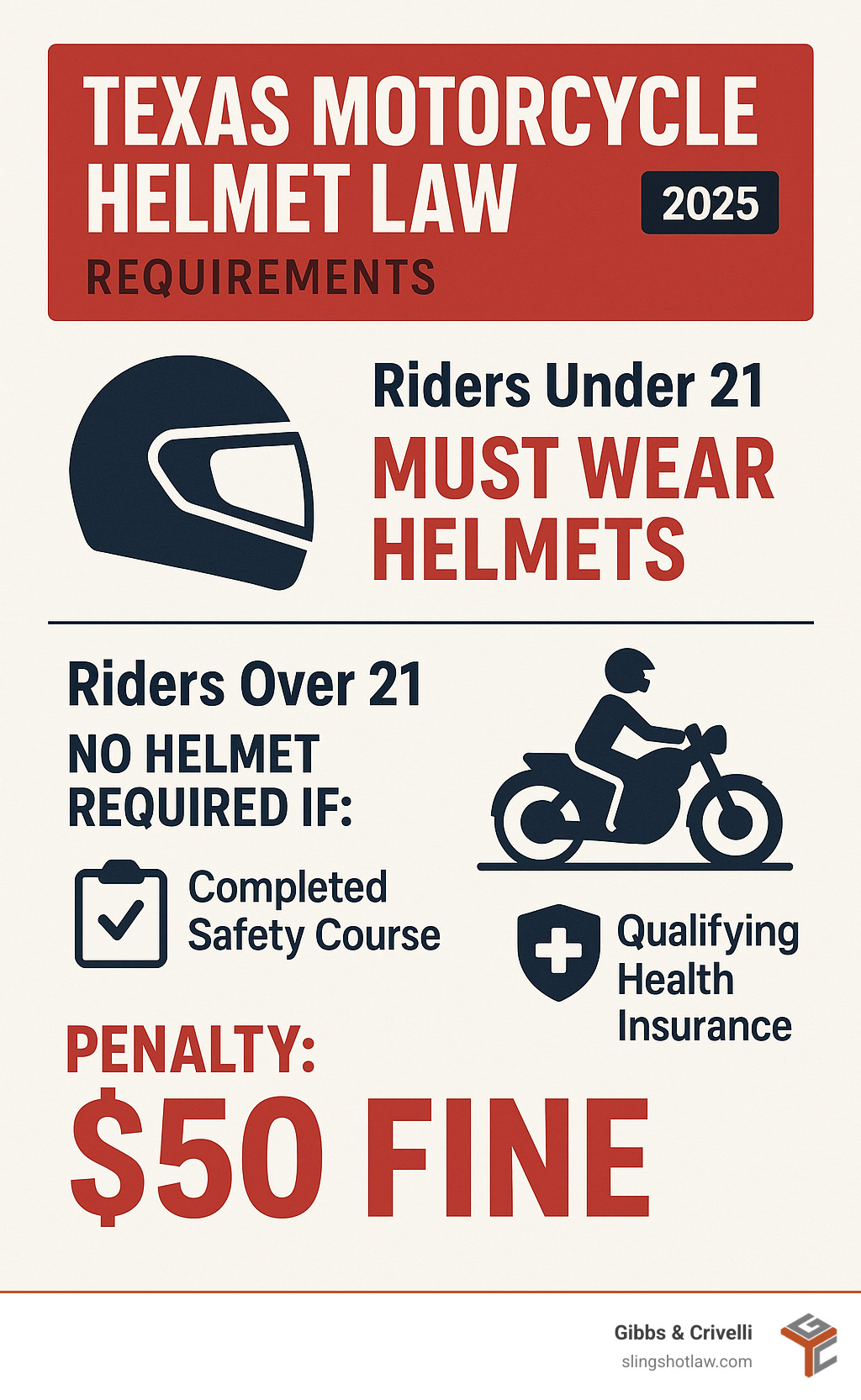
Credit: slingshotlaw.com
Legal Consequences Of Not Wearing A Helmet
Riding a bike without a helmet can lead to legal issues. Different places have different rules about wearing helmets.
Understanding these laws helps you avoid trouble and stay safe while biking.
Fines And Penalties
In many areas, biking without a helmet can result in fines. These fines vary depending on the location and local laws.
Penalties can include paying a fee or attending safety classes. These penalties aim to encourage helmet use and ensure safety.
- First-time offense may lead to a warning or small fine
- Repeated offenses often result in higher fines
- Some places require community service
Impact On Insurance Claims
Not wearing a helmet can affect your insurance claims after an accident. Insurance companies may reduce payouts if you are injured without a helmet.
This is because not wearing a helmet is seen as neglecting safety measures. Always check your insurance policy for details on helmet use.
- Reduced compensation for injuries
- Potential denial of claims
- Increased insurance premiums
Exceptions And Exemptions
There are exceptions to helmet laws. Some regions allow exemptions for certain riders, like those with medical conditions.
Check local laws to see if you qualify for an exemption. Knowing these rules helps you stay legal while riding.
- Medical exemptions with proper documentation
- Religious or cultural exemptions in some areas
- Age-based exemptions, like for older riders
Safety Benefits Of Wearing Helmets
Wearing a helmet while biking protects your head from injuries. Helmets can save lives and reduce the severity of accidents.
Even if biking is safe, accidents can happen. A helmet is an important safety tool to reduce harm.
Reduction In Head Injuries
Helmets lower the chance of serious head injuries during a crash. They absorb shock and protect the skull.
Wearing a helmet can prevent brain injuries that might cause long-term problems or death.
Statistics On Helmet Effectiveness
Research shows helmets reduce head injury risk by about 50%. They also lower the chance of death by nearly 40%.
- Helmet users have fewer severe injuries
- Helmet use saves thousands of lives yearly
- More helmet use means fewer hospital visits
Helmet Standards And Certifications
Helmets must meet safety standards to ensure protection. Look for certifications like CPSC, Snell, or ASTM.
Certified helmets pass tests for impact absorption, strap strength, and coverage area.
- CPSC:U.S. safety standard for bike helmets
- Snell:A stricter voluntary safety test
- ASTM:International safety standards
Common Arguments Against Helmet Laws
Many people debate whether helmet laws for cyclists should exist. Some think these laws take away personal rights. Others worry the laws might reduce how many people want to ride bikes.
This article looks at common reasons people oppose helmet laws. We discuss personal freedom, effects on cycling popularity, and how helmets might change rider behavior.
Personal Freedom And Choice
One main argument is that adults should decide for themselves whether to wear a helmet. They feel laws make choices for people. Some say it is unfair to force helmet use when the risk is personal.
- Adults should choose if they wear helmets.
- Helmet laws limit personal freedom.
- People accept risks in many activities.
- Some believe education is better than laws.
Effect On Cycling Popularity
Some argue that helmet laws make cycling less popular. They say people may stop riding bikes because helmets feel uncomfortable or inconvenient. This could reduce health benefits from cycling.
| Positive Effects | Negative Effects |
| More safety for helmet users | Fewer people may ride bikes |
| Less head injury in crashes | Less social acceptance of cycling |
| Better helmet designs encourage use | Costs and hassle of buying helmets |
Helmet Laws And Risk Compensation
Risk compensation means some riders act less carefully when wearing helmets. They may take more risks because they feel safer. Critics say helmet laws might not reduce injuries as much as expected.
Risk compensation examples include:
- Riding faster than usual
- Taking dangerous routes
- Less attention to traffic rules
Tips For Choosing The Right Helmet
Choosing the right helmet is key for safe biking. A good helmet protects your head in case of falls or accidents.
Many helmets look similar, but small differences affect safety and comfort. Here are some tips to help you pick the best one.
Fit And Comfort
A helmet must fit your head well to work properly. It should feel snug but not too tight. Check that it sits level on your head and covers your forehead.
- Measure your head circumference before buying
- Try helmets on to find the right size
- Adjust straps so the helmet stays in place
- Look for padding that feels soft and breathable
Material And Durability
Helmets use different materials for protection. The outer shell should be hard to resist impact. Inside, foam cushions your head.
| Material | Purpose |
| Polycarbonate Shell | Strong outer layer to spread force |
| Expanded Polystyrene Foam | Absorbs shock during a hit |
| Nylon Straps | Keeps helmet secure on your head |
Additional Features
Extra features can add value and comfort to your helmet. Here are some common ones:
- Ventilation holes for air flow
- Removable and washable liners
- Reflective stickers for night visibility
- Visors to shield your eyes from sun and rain
How To Promote Helmet Safety
Biking without a helmet can be risky. Helmets protect your head from serious injury.
Promoting helmet safety helps reduce accidents and keeps riders safe on the road.
Community Programs
Local groups can organize events to share helmet safety tips. They can also offer free or low-cost helmets to people who need them.
These programs create a safety culture and encourage more people to wear helmets.
- Helmet giveaways at community centers
- Bike safety fairs with helmet fittings
- Partnerships with local bike shops for discounts
Education And Awareness
Teaching people about helmet safety is key. Schools, clubs, and public campaigns can explain why helmets matter.
Clear messages help riders understand the risks of biking without helmets.
- Posters showing helmet benefits
- Videos demonstrating helmet use
- Safety talks at bike events
Role Of Parents And Schools
Parents should always set an example by wearing helmets. They must remind children to wear helmets every time they bike.
Schools can include helmet safety in their lessons and enforce helmet rules during bike rides or events.
- Parents check helmets before rides
- Teachers teach helmet safety rules
- Schools require helmets on bike trips

Credit: www.cataniaandcatania.com
Frequently Asked Questions
Is It Illegal To Bike Without A Helmet Everywhere?
No, helmet laws vary by location. Some places mandate helmets for all riders, others only for minors or none at all. Always check local regulations before biking without a helmet to avoid fines and stay safe.
What Are The Risks Of Biking Without A Helmet?
Biking without a helmet increases the risk of head injuries during accidents. Helmets protect against severe brain trauma, reduce injury severity, and can save lives. Wearing one significantly improves safety while cycling.
Are There Age Restrictions For Mandatory Helmet Use?
Yes, many regions require helmets mainly for children or teenagers. Adult helmet laws differ widely, with some areas having no age restrictions. It’s essential to know local rules regarding age-specific helmet requirements.
Can I Be Fined For Not Wearing A Helmet While Biking?
In some locations, yes. Fines apply if local laws mandate helmets for certain age groups or all riders. Penalties vary, so it’s important to understand your area’s helmet laws to avoid fines.
Conclusion
Biking without a helmet is not always illegal, but rules vary. Some places require helmets by law, while others do not. Wearing a helmet can protect your head during accidents. Safety should come first, no matter the law. Choose to wear a helmet to stay safer on the road.
Remember, laws change depending on where you ride. Always check local rules before biking. Stay smart and protect yourself every time you bike. Safety is worth the small effort.