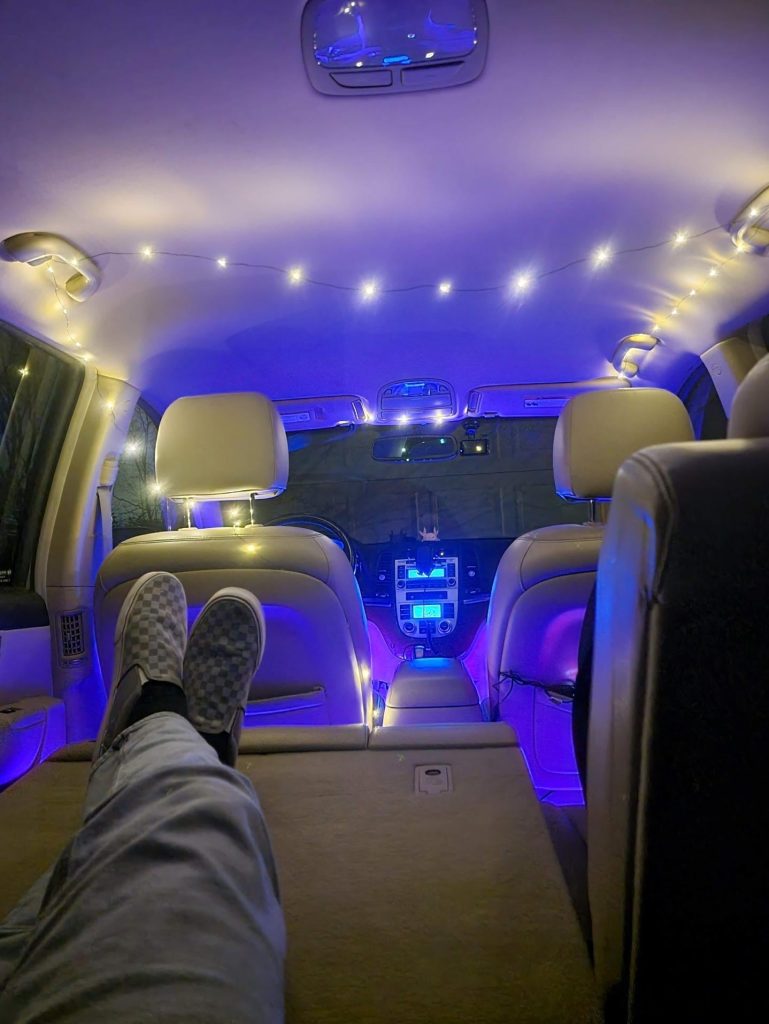
Are you thinking about adding LED lights to your car to make it stand out on the road? Before you start installing those bright, colorful lights, you need to know the rules.
You might wonder, “Is it illegal to have LED lights on your car? ” The answer isn’t as simple as yes or no. Different places have different laws, and using the wrong lights could lead to fines or even getting pulled over.
Keep reading to find out what’s allowed, what’s not, and how to keep your car looking cool without breaking any laws. Your next drive could depend on it!
Credit: www.autoguide.com
Laws On Car Lighting
Many people wonder if it is illegal to have LED lights on their cars. The rules depend on where you live. Different places have different laws about car lighting.
This article explains the laws on car lighting. It covers federal rules and how states vary in their regulations.
Federal Regulations
The federal government sets basic rules for car lights. These rules ensure lights are safe and do not blind other drivers. The main rules come from the National Highway Traffic Safety Administration (NHTSA).
- Headlights must be white or yellow.
- Brake lights must be red.
- Turn signals should be amber or red.
- Lights must not be too bright or flashing.
- Aftermarket lights need to meet safety standards.
State Variations
States have their own laws about LED lights. Some states allow colored LED lights on cars. Others limit colors to white, red, or amber. Many states ban flashing or strobe LED lights.
| State | LED Color Allowed | Flashing Lights Allowed |
| California | White, Red, Amber | No |
| Texas | Multiple Colors Allowed | Limited Use |
| Florida | White, Red, Blue (Emergency only) | No |
| New York | White, Red, Amber | No |
| Arizona | Multiple Colors Allowed | Yes (Off-road use) |

Credit: zerolimits2021.com
Types Of Led Lights
LED lights are popular for cars because they use less power and last longer. Many drivers like to add LED lights to their vehicles.
There are different types of LED lights for cars. Each type has different uses and rules.
Interior Leds
Interior LED lights are inside the car. People use them for dashboard lights, footwell lights, or ambient lighting.
These lights usually do not cause legal problems. They do not affect other drivers on the road.
Exterior Leds
Exterior LED lights include headlights, taillights, and turn signals. These lights must follow strict rules.
Using the wrong color or brightness can be illegal. Police may stop cars with illegal exterior LED lights.
- Headlights: usually white or yellow
- Taillights: red
- Turn signals: amber or orange
- Bright or flashing lights may not be allowed
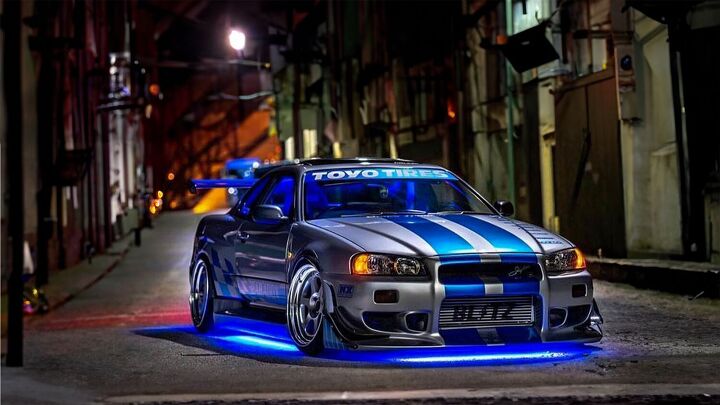
Underbody And Accent Lights
Underbody and accent LED lights shine on the ground or car parts. They add style but can cause legal issues.
Many places limit the colors and brightness of these lights. Some colors like blue or red may be illegal for private cars.
- Underbody lights glow under the car
- Accent lights highlight car shapes
- Colors like green, blue, or red may be restricted
- Lights should not distract other drivers
Common Legal Restrictions
Many states have laws about using LED lights on cars. These rules help keep drivers safe and avoid distractions. Knowing these laws can stop you from getting fines or tickets.
The rules focus on the color, brightness, and where the lights are placed on the vehicle. Let’s look at these common limits.
Color Limitations
Most states restrict LED light colors on cars. Certain colors are reserved for emergency vehicles only. Using these colors on your car can cause legal trouble.
- Red and blue lights are usually for police and emergency cars.
- Green lights often indicate volunteer emergency responders.
- Amber or yellow lights are common for tow trucks and service vehicles.
- White lights are allowed but must not blind other drivers.
- Other colors like purple or pink may be banned or unregulated.
Brightness And Intensity
LED lights must not be too bright. Strong lights can distract or blind other drivers. Laws set limits on brightness and flashing patterns.
| Brightness Level | Typical Limit |
| Front-facing lights | Below 3000 lumens |
| Side marker lights | Below 600 lumens |
| Flashing lights | Not allowed for non-emergency vehicles |
Placement Rules
The position of LED lights on your car matters. Some spots are off-limits for colored or flashing lights.
Common placement rules include:
- Lights cannot be placed under the car or on the roof in colors reserved for police.
- Side and rear lights must not mimic emergency vehicle patterns.
- Lights on license plates must meet specific size and brightness rules.
- Interior lights visible from outside are often regulated or banned.

Credit: www.sacbee.com
Consequences Of Illegal Led Use
Using LED lights on your car that do not follow the law can cause problems. Many places have rules about what lights you can use on vehicles.
Breaking these rules can lead to serious consequences. It is important to know what can happen if you use illegal LED lights on your car.
Fines And Penalties
One common result of using illegal LED lights is getting a fine. Police can give you a ticket that costs money.
The amount of the fine depends on the local laws. Some areas have bigger fines for repeated offenses.
- Fines usually range from $50 to $500
- Higher fines for multiple violations
- Possible court fees if you contest the ticket
Vehicle Inspections
Illegal LED lights can cause your car to fail a vehicle inspection. This can stop you from registering your vehicle.
Failing inspections means you must fix the lights before driving legally. This can cause extra time and money spent.
- Inspection failure can delay registration
- Must remove or replace illegal LED lights
- May require a re-inspection after fixes
Traffic Stops
Police may stop you if they see illegal LED lights on your car. This can happen during regular traffic checks.
During the stop, officers may ask you to turn off the lights or remove them. They can also issue warnings or tickets.
- Increased chances of being pulled over
- Possible warnings or citations issued
- Officers may require immediate light removal
How To Comply With Led Laws
Using LED lights on your car can improve visibility and style. Yet, laws about LED lights vary by location. You must follow these rules to avoid fines or legal trouble.
This guide helps you understand how to use LED lights legally. It covers checking local rules, choosing the right LED kits, and tips for installation.
Checking Local Regulations
Before adding LED lights, check your area’s laws. Different states and countries have their own rules about colors, brightness, and placement.
- Visit your local transportation authority website.
- Look for rules about vehicle lighting.
- Note any restrictions on LED colors and flashing patterns.
- Check if you need special permits for LED lights.
Choosing Approved Led Kits
Use LED kits that meet safety standards. Approved kits reduce the risk of legal problems and ensure your lights work correctly.
| Feature | Importance |
| DOT or SAE Certification | Shows legal approval |
| Correct Color Options | Meets local color laws |
| Brightness Limits | Prevents glare and distraction |
| Durability | Long-lasting and safe |
Professional Installation Tips
Have a professional install your LED lights. Proper installation helps avoid electrical issues and keeps lights within legal limits.
- Choose a certified car electrician or mechanic.
- Ensure lights are placed according to law.
- Test all lights after installation for proper function.
- Keep records of installation and equipment for reference.
Trends And Future Changes
LED lights are becoming popular on cars for style and safety. Laws about their use vary by place. This article looks at new trends and possible changes in rules.
Understanding advances in LED technology and legal updates helps drivers stay safe and legal. It also shows how car lighting may change soon.
Advances In Led Technology
LED lights use less energy and last longer than traditional bulbs. They can change colors and brightness quickly. New designs help make cars more visible without glare.
- Adaptive LED headlights adjust to road conditions.
- Multi-color LEDs allow custom lighting effects.
- Energy-efficient LEDs reduce battery use.
- Compact LEDs fit in small spaces on cars.
Potential Legal Updates
Governments may update laws as LED use grows. Rules might focus on color, brightness, and placement of lights. Some places plan to allow more LED colors but with limits.
| Country/Region | Current LED Rules | Possible Changes |
| USA | White and amber lights only | Allow blue and red under conditions |
| Europe | Strict color and brightness limits | New standards for adaptive LEDs |
| Asia | Varies by country | Unified standards expected |
Frequently Asked Questions
Is It Legal To Install Led Lights On Cars?
Laws vary by location, but many allow LED lights if they meet color and brightness rules. Check local regulations before installation.
Can Led Lights Distract Other Drivers?
Yes, overly bright or flashing LED lights can distract or blind drivers. Use them responsibly to ensure safety.
Are There Color Restrictions For Car Led Lights?
Most places restrict LED colors to white, amber, or red for safety. Blue or green lights are often prohibited.
Do Led Lights Affect Car Insurance Policies?
Improper LED lighting may impact insurance claims or coverage. Always disclose modifications to your insurer for clarity.
Conclusion
Car LED lights can look great and save energy. But rules about them differ by place. Some areas allow certain colors and positions only. Others ban bright or flashing LED lights on cars. Always check local laws before adding LEDs.
This helps avoid fines or trouble with police. Safe and legal lighting keeps roads clear and drivers alert. Choose LED lights wisely for style and safety combined. Stay informed to enjoy your car’s look without risk.