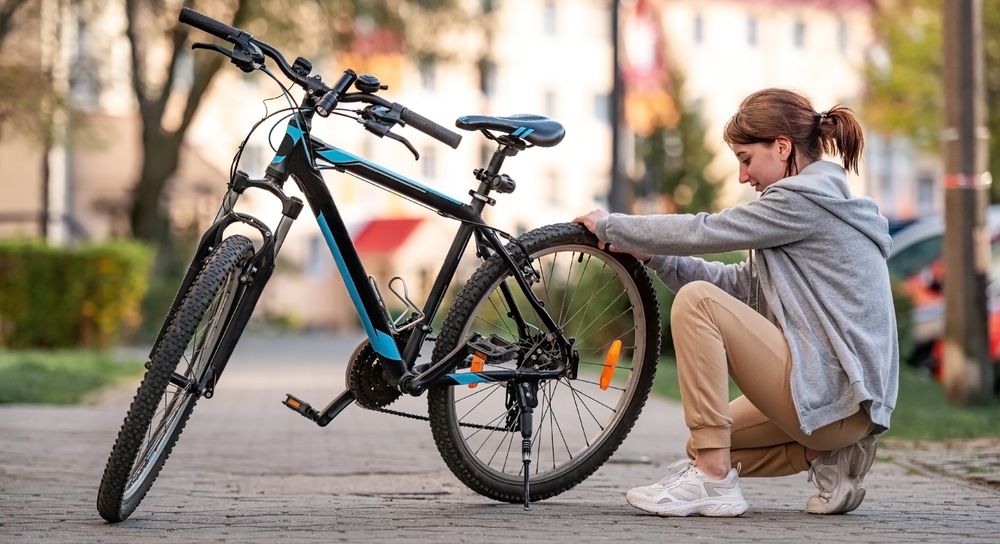
Are you wondering if it’s illegal to ride a bike without a helmet? You might think it’s just a small safety choice, but the rules around biking can be surprising.
Whether you ride for fun, exercise, or commuting, knowing the law can protect you from fines and, more importantly, serious injury. You’ll discover when and where you need to wear a helmet, what the risks are if you don’t, and how local laws could affect your ride.
Keep reading to find out everything you need to stay safe and legal on your bike.

Credit: www.squamishchief.com
Helmet Laws By Region
Bike helmet laws vary widely across the world. Some places require helmets for all riders. Others have no rules about helmets. This guide explains these differences by region.
Knowing where helmet laws apply helps riders stay safe and follow local rules. Laws also change depending on the rider’s age.
Countries With Mandatory Helmet Laws
Several countries require all cyclists to wear helmets. These laws aim to reduce head injuries. Fines often apply if riders break the rules.
- Australia: Helmet use is compulsory nationwide.
- New Zealand: All cyclists must wear helmets.
- Spain: Helmets required outside urban areas.
- Chile: Law requires helmets for all ages.
- Israel: Helmets mandatory for all riders.
Regions Without Helmet Requirements
Some regions do not have helmet laws for cyclists. Riders can choose to wear helmets or not. Safety groups still recommend using helmets.
- Netherlands: No helmet law; cycling culture is very safe.
- Denmark: No mandatory helmet use for adults.
- Germany: Helmet use is encouraged but not required.
- United Kingdom: No law demands helmets for adults.
- Sweden: No nationwide helmet law for adults.
Age-specific Helmet Regulations
Many places require helmets only for certain ages. Usually, children must wear helmets but adults do not have to.
| Region | Age Group | Helmet Law |
|---|---|---|
| United States (varies by state) | Under 18 | Helmet required in many states |
| Canada | Under 18 or 19 | Helmet laws apply to minors |
| France | Under 12 | Helmet mandatory for children |
| Brazil | Under 18 | Helmet use required for minors |
| Japan | Under 13 | Helmet use mandatory for kids |
Legal Consequences Of Not Wearing A Helmet
Riding a bike without a helmet can have legal consequences. Different places have different laws about helmet use. It’s important to know these rules to avoid trouble.
Helmets can protect your head in accidents. Many places have laws requiring bikers to wear them. Breaking these laws can lead to fines and other issues.
Fines And Penalties
If you ride without a helmet, you might get fined. The amount depends on where you are. Some places have higher fines than others.
Getting caught several times can lead to more penalties. It’s better to wear a helmet than face these fines.
Impact On Insurance Claims
Not wearing a helmet can affect insurance claims. Insurers might pay less if you weren’t wearing one. This is because helmets reduce injury risks.
Always wear a helmet to protect yourself and your insurance benefits. This can ensure you get full coverage if an accident happens.
Liability In Accidents
In accidents, not wearing a helmet can affect liability. You might be seen as partly at fault. This can change the outcome of legal cases.
Wearing a helmet can show you are a responsible rider. It can help in proving your case in court if needed.
Safety Benefits Of Wearing Helmets
Wearing a helmet while riding a bike can save lives. Helmets protect the head from serious harm in crashes.
This article explains how helmets reduce injuries, new helmet technology, and real accident stories.
Reduction In Head Injuries
Helmets lower the risk of head injuries by absorbing impact force. Studies show helmet use cuts serious head injuries by over 60%.
- Protects skull from fractures
- Reduces brain injury risk
- Prevents cuts and bruises on the head
- Improves chances of survival after a crash
Helmet Technology Advances
Helmet designs have improved with new materials and features. These advances make helmets safer and more comfortable.
| Feature | Benefit |
| Multi-density foam | Better shock absorption |
| Aerodynamic shape | Reduces wind resistance |
| Adjustable straps | Secure fit for all head sizes |
| Ventilation holes | Keeps head cool and dry |
Real-life Accident Cases
Many riders survived serious crashes because they wore helmets. These stories show how helmets save lives.
Case 1:A cyclist hit by a car had a deep fall but no head injury due to the helmet.
Case 2:A mountain biker crashed on rocks and only had minor bruises thanks to a strong helmet.
Case 3:A child fell off a bike at high speed but avoided a concussion with a properly fitted helmet.
Arguments Against Mandatory Helmet Laws
Many people debate whether wearing a helmet should be required by law for cyclists. Some argue that these laws take away personal choice. Others say they might reduce the number of people who want to ride bikes.
There are also problems with making sure everyone follows helmet laws. These points are important to consider when discussing bike safety rules.
Personal Freedom And Choice
Some believe that adults should decide for themselves if they want to wear a helmet. They say forcing people to wear helmets limits personal freedom. People have different ideas about safety and risk.
Not everyone agrees on what is safe. Some cyclists feel helmets are uncomfortable. Others think helmets reduce their view or hearing while riding.
Effect On Cycling Participation
Mandatory helmet laws can make some people stop riding bikes. This is a concern because cycling is good for health and the environment. When fewer people cycle, cities might have more traffic and pollution.
Some studies show that helmet laws reduce how many people use bikes. This could lead to less exercise and more car use, which harms public health overall.
Enforcement Challenges
It is hard to check if everyone wears a helmet while riding. Police must spend time and money to enforce these laws. This can take resources away from other important safety issues.
Some people may ignore the law because they think the risk is low. This makes enforcement less effective and can cause arguments between cyclists and police.
Helmet Use Trends And Statistics
Riding a bike without a helmet is common in many places. But laws about helmets differ worldwide.
Understanding helmet use helps us see how safety habits change over time. It also shows how helmets affect accidents.
Helmet Usage Rates Worldwide
Helmet use varies a lot from country to country. Some places have high rates, others low.
Countries with strict helmet laws often see more people wearing helmets. In places without laws, fewer wear helmets.
- Australia and New Zealand have over 90% helmet use among cyclists.
- Many European countries show 60% to 80% helmet use.
- In parts of Asia and Africa, helmet use can be below 30%.
Correlation Between Helmets And Accident Outcomes
Helmets reduce the risk of head injury in bike accidents. Wearing one can save lives.
Studies show people with helmets have fewer severe injuries than those without.
- Helmet wearers are 50% less likely to have serious head injuries.
- Helmets can reduce the chance of death in crashes by about 40%.
- They also protect against cuts and bruises to the head.
Public Awareness Campaigns
Many countries run campaigns to teach people about helmet safety. These efforts help increase helmet use.
Campaigns often include ads, school programs, and community events to promote helmets.
- Educational programs teach kids why helmets matter.
- Media ads show real stories of helmet benefits.
- Free helmet distribution helps low-income areas.

Credit: www.greensafaris.com
Tips For Choosing The Right Helmet
Choosing the right helmet keeps you safe while riding a bike. A good helmet protects your head during accidents. It is important to pick one that fits well and meets safety rules.
Here are some tips to help you select the best helmet for your needs. Follow these points to stay protected on every ride.
Safety Standards To Look For
Helmets must meet certain safety standards to ensure they protect you properly. Look for labels showing the helmet passed tests by trusted organizations.
- CPSC (Consumer Product Safety Commission) for the USA
- CE EN 1078 for Europe
- AS/NZS 2063 for Australia and New Zealand
- Snell Memorial Foundation certification
Proper Fit And Comfort
A helmet must fit snugly without causing pain. It should stay in place when you move your head. Comfort encourages you to wear it every time you ride.
| Fit Feature | What to Check |
| Size | Measure your head and choose matching helmet size |
| Straps | Adjust so they hold helmet firmly under your chin |
| Padding | Should be soft but firm for comfort |
| Ventilation | Helps keep your head cool during rides |
Maintenance And Replacement
Keep your helmet clean and check it for damage regularly. Replace it after any crash or if it shows cracks or dents. Old helmets lose their ability to protect well.
- Clean with mild soap and water only
- Do not use strong chemicals or solvents
- Store in a cool, dry place away from sunlight
- Replace helmet every 3 to 5 years or after impact

Credit: www.sacbee.com
Frequently Asked Questions
Is It Illegal To Ride A Bike Without A Helmet?
Helmet laws vary by location. Some places require helmets by law, while others only recommend them. Always check local regulations to avoid fines and ensure safety.
What Are The Risks Of Biking Without A Helmet?
Riding without a helmet increases the risk of severe head injuries. Helmets protect your brain during accidents and reduce injury severity significantly.
Do All States Have Mandatory Helmet Laws?
No, helmet laws differ across states. Some states mandate helmets for all riders, others only for minors, and some have no laws at all.
Can I Get Fined For Not Wearing A Helmet?
Yes, in regions with helmet laws, you can face fines if caught riding without a helmet. Fines and penalties depend on local regulations.
Conclusion
Riding a bike without a helmet can be risky and unsafe. Laws about helmets differ by place. Some areas require helmets, while others do not. Wearing a helmet protects your head in accidents. Staying safe should be your top priority.
Think about your well-being every time you ride. A simple helmet can prevent serious injuries. Choosing to wear one is a smart and easy step. Safety matters more than style or comfort. Always ride with care and follow local rules.