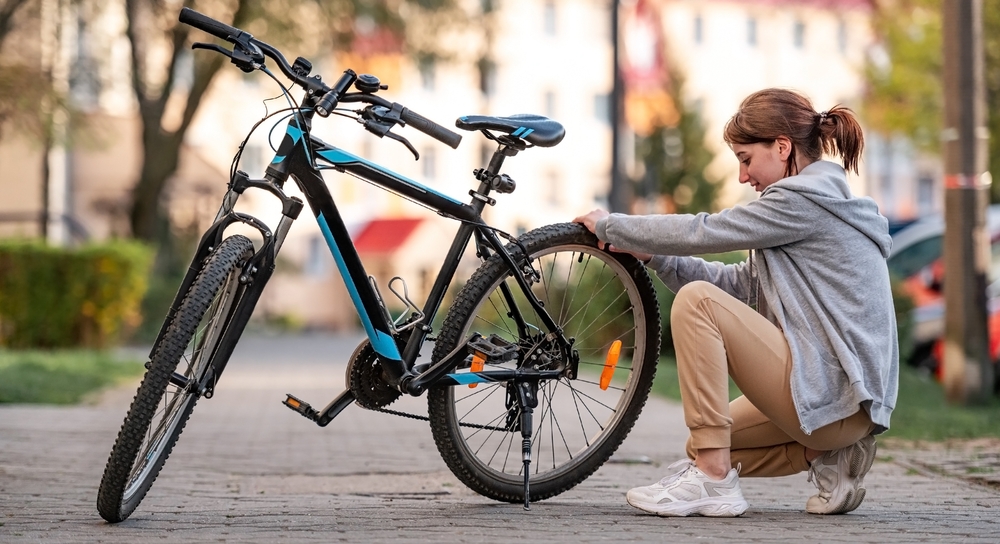
Are you wondering if riding your bike without a helmet could land you in trouble? You might think it’s just a personal choice, but the rules around helmet use can be surprising.
Knowing whether it’s illegal to ride without a helmet isn’t just about following the law—it’s about protecting yourself every time you hit the road. Keep reading to discover what the law says, why it matters for your safety, and how you can stay both legal and safe on your bike.
Don’t risk your health or your wallet—get the facts now.
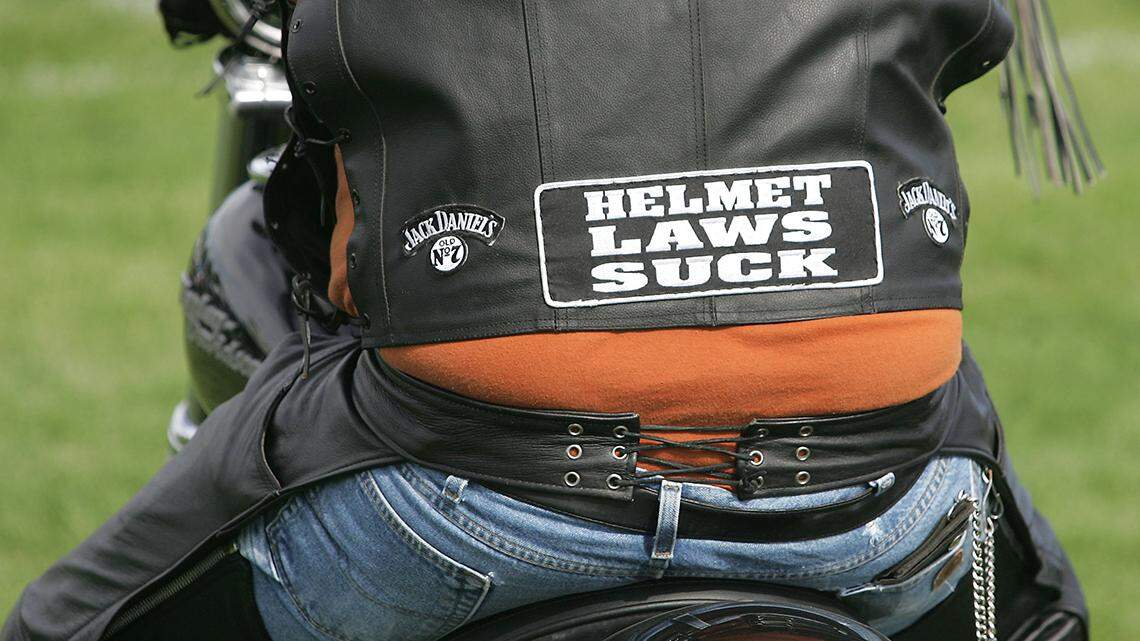
Credit: www.kansascity.com
Helmet Laws By Region
Riding a bike without a helmet is a concern for safety worldwide. Different regions have their own rules. Let’s explore helmet laws across various parts of the world.
Understanding these laws can help ensure safety and compliance while riding. Here, we will discuss helmet rules in the US, Europe, and Asia.
Helmet Rules In The Us
In the US, helmet laws differ from state to state. Some states require helmets for all riders, while others have age-specific laws.
- California: Helmets are mandatory for riders under 18.
- New York: All riders must wear helmets.
- Florida: Riders over 21 can choose not to wear a helmet if they have insurance.
European Helmet Regulations
Europe has varied helmet laws, often influenced by cultural and safety standards. Some countries are strict, and others are more relaxed.
| Country | Helmet Requirement |
| Germany | Recommended but not mandatory |
| France | Mandatory for children under 12 |
| Italy | Mandatory for all riders |
Laws In Asia And Other Regions
Asia has a mix of strict and lenient laws regarding helmet use. Many countries have recognized the importance of helmets for safety.
Some regions enforce strict penalties for non-compliance. For instance, in India, wearing a helmet is compulsory for all riders and passengers.
Penalties For Riding Without Helmet
Riding a bike without a helmet can lead to serious penalties. Laws differ by region, but many places enforce fines and legal actions.
Understanding these penalties helps riders stay safe and avoid trouble with the law.
Fines And Legal Consequences
Many states and countries require helmets by law. If you ride without one, you may face fines. These fines can vary based on the location and if it is a repeated offense.
- First-time offenders usually get a small fine.
- Repeated offenses can lead to higher fines or court appearances.
- In some places, police can stop you and issue tickets on the spot.
- Failing to pay fines may result in license suspension or other penalties.
Impact On Insurance Claims
Not wearing a helmet can affect your insurance claims if you get injured. Insurance companies may reduce or deny payments if you break helmet laws.
| Insurance Issue | Effect of Not Wearing Helmet |
| Medical Bills | Claims may be reduced or denied |
| Liability Coverage | Risk of partial or no coverage |
| Accident Settlements | Lower settlement amounts possible |
Safety Risks Of Not Wearing A Helmet
Riding a bike without a helmet increases your risk of serious injury. Many riders do not realize how much protection a helmet provides.
Understanding the dangers of riding without a helmet can help you make safer choices on the road.
Head Injury Statistics
Head injuries are the most common and severe injuries in bike accidents. Wearing a helmet can reduce the risk of head injury by up to 85%.
- About 60% of bike-related deaths involve head injuries.
- Children and teens are at higher risk for head injuries while biking.
- Most serious brain injuries happen when riders are not wearing helmets.
- Helmets help absorb the shock during crashes and prevent skull fractures.
Long-term Health Effects
Head injuries can cause lasting damage to the brain. Effects may last for months or years after an accident.
| Type of Injury | Possible Long-Term Effect |
| Concussion | Memory loss and headaches |
| Skull fracture | Chronic pain and seizures |
| Brain bleed | Permanent brain damage or paralysis |
| Traumatic brain injury (TBI) | Difficulty speaking, thinking, or moving |
Exceptions And Special Cases
Riding a bike without a helmet is illegal in many places. Some rules have exceptions for certain people or situations. These exceptions depend on age or the type of bike used.
Understanding these special cases helps riders know when they must wear a helmet and when they may not need to.
Age-based Exemptions
Some laws do not require helmets for all ages. Children often must wear helmets by law. Adults may have more freedom depending on local rules.
For example, some places only require helmets for riders under 18 years old. Others might allow adults to ride without helmets but still protect kids.
- Children under 18 usually must wear helmets
- Adults may be exempt in some areas
- Rules vary by state or country
Types Of Bikes And Helmet Use
Helmet laws can change depending on the bike type. Some bikes need helmets by law, while others do not. Electric bikes and mopeds often have specific rules.
For example, some areas require helmets for electric bikes with higher speeds. Bikes used off-road might have different helmet rules than city bikes.
- Standard bicycles often require helmets
- Electric bikes may have speed-based helmet rules
- Mopeds and scooters sometimes need helmets
- Off-road bikes have separate helmet laws
Benefits Of Wearing A Helmet
Wearing a helmet while riding a bike helps keep you safe. It protects your head from serious injuries in accidents.
Helmets also give riders more confidence. They feel safer and more secure on the road or trail.
Protection And Injury Prevention
A helmet acts as a shield for your head. It absorbs impact during crashes and reduces injury risk.
Studies show helmets lower chances of brain injury by a large margin. Wearing one can save lives.
- Reduces head trauma in falls or collisions
- Protects skull from fractures
- Minimizes risk of severe brain damage
- Can prevent long-term disabilities
Enhanced Riding Confidence
Helmets help riders feel safer on the road. This boosts their confidence while riding.
When you feel protected, you can focus more on riding well. This makes your experience more enjoyable.
- Encourages safer riding habits
- Reduces fear of accidents
- Allows better focus on traffic and surroundings
- Supports learning new skills with confidence
Choosing The Right Helmet
Wearing a helmet while riding a bike is important for safety. Picking the right helmet keeps you protected and comfortable.
Not all helmets are the same. You should know what to look for before buying one.
Safety Standards To Look For
Check if the helmet meets safety standards. These rules ensure the helmet protects your head well.
Look for labels that show the helmet passed tests. Different countries have different standards.
- DOT: U.S. Department of Transportation standard
- CPSC: Consumer Product Safety Commission
- Snell: A strong safety testing organization
- CE: European safety certification
Proper Helmet Fit Tips
A helmet must fit well to protect you. It should feel snug but not too tight.
Try these tips to find the right fit. A good fit stops the helmet from moving in a crash.
- Measure your head size with a tape measure
- Choose a helmet size that matches your measurement
- Adjust the straps so they fit under your chin
- Make sure the helmet sits level on your head
- Check that the helmet does not slide or tilt easily
Promoting Helmet Use
Wearing a helmet while riding a bike can save lives. Helmets protect the head from serious injuries. Many people still do not use helmets, which increases risk.
Communities and schools play a big role in encouraging helmet use. Teaching safety helps reduce accidents and injuries.
Community Programs And Campaigns
Community programs raise awareness about helmet safety. They offer helmets at low cost or for free. These programs also hold events to teach safe riding.
- Helmet giveaways to children and adults
- Free bike safety workshops
- Public service announcements on helmet laws
- Partnerships with local stores to promote helmets
- Helmet fitting sessions to ensure proper use
Role Of Schools And Parents
Schools teach children the importance of helmets. Parents set an example by wearing helmets themselves. Both can encourage children to be safe.
| Role | Actions |
| Schools | Include helmet safety in lessons, organize bike safety days |
| Parents | Wear helmets, talk about bike safety, check helmet fit |

Credit: greensafaris.com

Credit: www.sacbee.com
Frequently Asked Questions
Is It Illegal To Ride A Bike Without A Helmet?
Laws vary by location, but many places require helmets by law. Riding without one may lead to fines or penalties. Check local traffic rules to stay compliant and safe.
What Are The Penalties For Not Wearing A Helmet?
Penalties can include fines, warnings, or points on your license. Severity depends on local laws and previous violations. Always wear a helmet to avoid legal trouble.
Are Helmets Mandatory For All Bike Riders?
In many regions, helmets are mandatory for riders of certain ages or types of bikes. Some places require helmets for all riders, including passengers. Verify local regulations to ensure compliance.
Can Riding Without A Helmet Affect Insurance Claims?
Yes, some insurance companies may reduce or deny claims if you weren’t wearing a helmet. Helmet use can prove responsible behavior and aid in claim approval.
Conclusion
Riding a bike without a helmet can cause serious risks. Laws about helmets differ by place and age. Some areas require helmets by law, while others do not. Wearing a helmet protects your head in accidents. Safety should always come first on the road.
Choosing to wear a helmet shows care for yourself. Stay safe, follow local rules, and enjoy biking smartly.