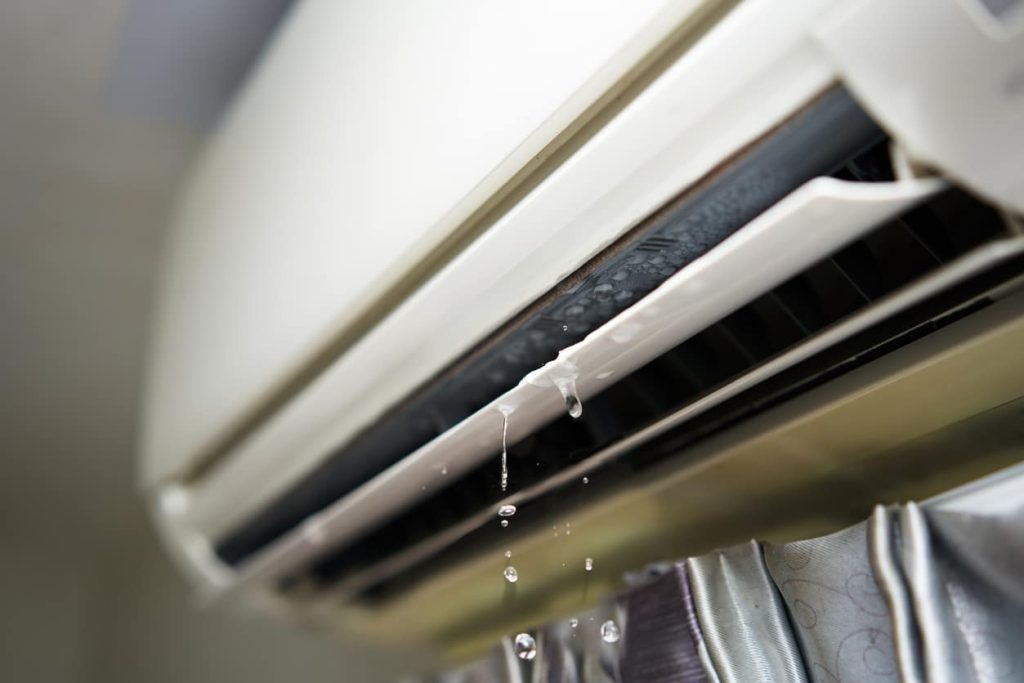
Have you noticed water dripping from your air conditioner and wondered if it’s something to worry about? You’re not alone.
Many people see those drips and immediately worry about damage or costly repairs. But is it normal for your air conditioner to drip water? Understanding what’s happening can save you stress and help you keep your home cool and comfortable.
You’ll discover why your AC might be dripping, when it’s harmless, and when you need to take action. Keep reading to learn the truth behind those drops and how to handle them like a pro.
Why Air Conditioners Drip Water
Air conditioners often drip water during use. This is a common sign that the unit is working correctly. The dripping happens because the air conditioner removes moisture from the air.
Understanding why this water forms can help you know if your air conditioner needs attention. Two main reasons explain the water drip: condensation and drainage.
How Condensation Forms
When warm air touches the cold air conditioner coils, moisture in the air changes into water. This change is called condensation. It happens because cold air holds less moisture than warm air.
The water droplets collect on the coils and then drip down. This process is similar to how water forms on a cold glass on a hot day.
Role Of The Drainage System
The air conditioner has a drainage system to handle the water from condensation. This system carries the water outside or to a drain to prevent leaks inside your home.
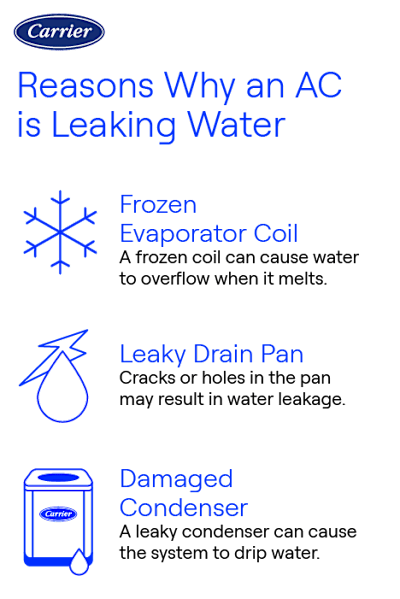
If the drainage system is blocked or broken, water can drip where it should not. This may cause damage or mold growth if not fixed quickly.

Credit: www.wipcool.com
When Water Dripping Is Normal
Air conditioners often drip water during normal operation. This happens because the unit removes moisture from the air. The water then collects and drains away.
Knowing when dripping is normal helps you avoid unnecessary repairs. It also ensures your AC works well in hot and humid weather.
Signs Of Routine Condensation
Condensation is the most common cause of water dripping from an air conditioner. It forms when warm air meets the cold surface of the AC’s evaporator coil.
- You see water dripping mostly during hot, humid days.
- The dripping stops when the AC is off or the air is dry.
- The water drips near the unit’s drain pan or outside drain line.
- No unusual smells or sounds come from the AC.
- The AC cools the room properly without leaks inside the home.
Expected Drip Patterns
Water dripping in certain areas is normal. The drip pattern depends on the AC model and installation. Below is a table showing common drip locations and what to expect.
| Drip Location | Normal Pattern |
| Outside Unit | Water drips below or near the outdoor condenser. |
| Indoor Unit Drain Pan | Water collects and drains through the pan regularly. |
| Drain Line | Continuous slow drip during operation is normal. |
| Wall or Ceiling Near Unit | No water should drip here; this may be a problem. |
Common Causes Of Excessive Dripping
Air conditioners drip water as part of their normal operation. This happens because they remove humidity from the air. But sometimes, the dripping can become excessive.
Excessive water dripping often means there is a problem. Understanding the causes can help you fix or prevent damage.
Clogged Drain Pipes
Drain pipes carry water outside your home. Dirt, algae, or debris can block these pipes. When clogged, water cannot flow out properly.
- Water pools inside the unit
- Leads to dripping from unexpected places
- Can cause water damage if not fixed
Dirty Air Filters
Air filters clean the air entering your AC. If filters are dirty, airflow reduces. This makes the coils freeze and then drip heavily when melted.
| Filter Condition | Effect on Dripping |
|---|---|
| Clean | Normal dripping levels |
| Dirty | Excessive dripping and possible leaks |
Low Refrigerant Levels
Refrigerant cools the air inside your AC. Low levels cause coils to freeze. When the ice melts, it creates more water than usual.
- AC loses cooling power
- Ice forms on coils
- Excess water drips as ice melts
- Possible damage to unit parts
Improper Installation
Wrong installation can cause water to drip more than normal. Poor leveling or wrong pipe placement leads to water pooling inside.
- Unit not leveled properly
- Drain pipes angled incorrectly
- Leads to water overflow and leaks
Credit: www.carrier.com
Potential Damage From Water Leaks
Air conditioners sometimes drip water during use. This is normal if the unit drains properly. But leaks can cause damage if not fixed. Water can harm your home in many ways.
Understanding the risks helps protect your walls, ceilings, and electrical parts. Watch for signs of leaks and act fast.
Impact On Walls And Ceilings
Water leaks can cause stains and weaken walls and ceilings. Over time, this damage may become costly to repair. Paint can peel, and drywall can soften or crumble.
- Discoloration and water stains
- Soft or sagging drywall
- Peeling or bubbling paint
- Cracks in plaster or drywall
Mold And Mildew Risks
Moisture from leaks creates a perfect place for mold and mildew. These fungi grow fast and spread easily. Mold can cause health problems, especially for people with allergies or asthma.
- Musty odors in rooms
- Visible black or green spots on walls
- Increased allergy symptoms
- Peeling wallpaper or paint
Damage To Electrical Components
Water near electrical parts is dangerous. Leaks can cause short circuits and damage your air conditioner or home wiring. This risk can lead to power outages or fire hazards.
| Risk | Description | Possible Result |
| Short Circuit | Water contacts wiring or circuits | Device failure or electrical shock |
| Corrosion | Moisture causes metal parts to rust | Poor performance or breakdown |
| Fire Hazard | Electrical sparks in wet area | Fire and safety risk |
How To Fix Water Dripping Issues
Air conditioners sometimes drip water. This can be normal, but dripping inside your home is not. Fixing water leaks helps keep your AC working well.
There are simple steps to stop water from dripping. You can check the drain line, filters, refrigerant levels, and installation setup. Each part affects water flow.
Clearing The Drain Line
The drain line carries water outside. If it clogs, water backs up and drips inside. Clearing the drain line stops leaks.
Use a wet-dry vacuum to suck out dirt or algae blocking the line. Flush the line with a mixture of water and vinegar to clean it.
- Turn off the AC power before cleaning
- Locate the drain line outside your home
- Use a vacuum or pipe cleaner to clear it
- Flush with vinegar and water solution
- Repeat cleaning every few months
Replacing Or Cleaning Filters
Dirty filters block airflow. This causes ice to form inside the AC. When ice melts, it creates extra water that may drip.
Check your filters every month. Clean or replace them if they look dirty. Clean filters help your AC run smoothly.
- Remove the filter from your AC unit
- Wash it with warm water and soap if reusable
- Let it dry fully before putting it back
- Replace disposable filters with new ones
- Keep up with monthly filter checks
Checking Refrigerant Levels
Low refrigerant can cause your AC coils to freeze. When the ice melts, water drips where it should not. Proper refrigerant level is key.
Have a professional check refrigerant. They can refill it if needed. Never try to add refrigerant yourself.
- Watch for weak cooling or ice on coils
- Call a certified technician for checks
- Technician will fix leaks and refill refrigerant
- Keep your system maintained yearly
Adjusting Installation Setup
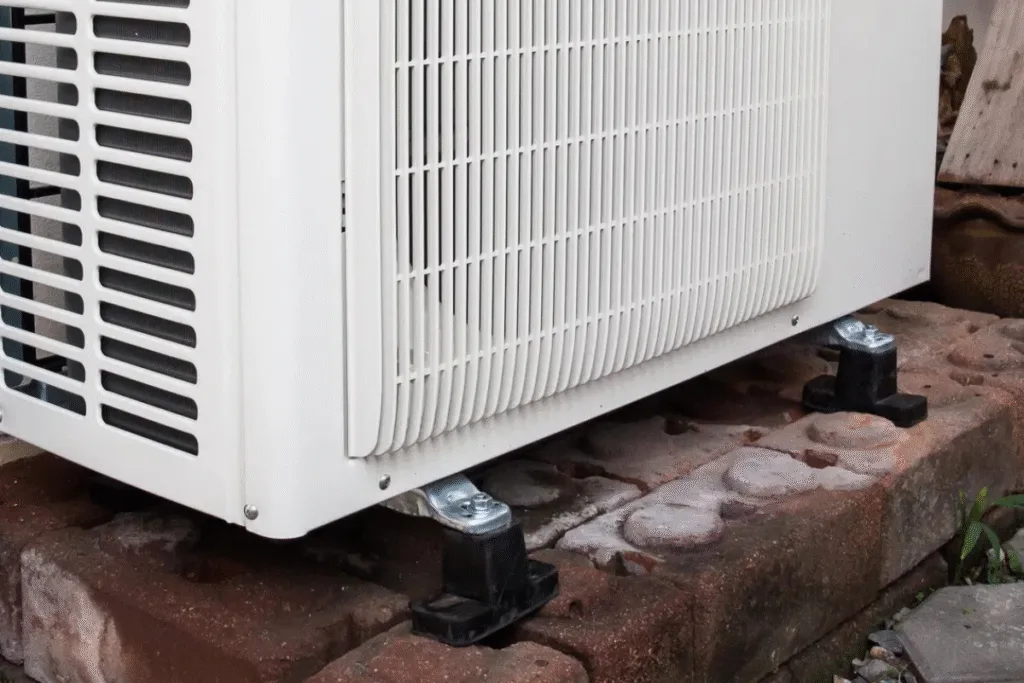
Improper installation can cause water to drip. The unit must be level so water drains correctly. Check the setup if dripping starts.
You can use a level tool to check the AC position. Adjust the unit or mounting brackets to make it even. This helps water flow outside.
- Turn off power before adjusting
- Check if the AC is tilted forward slightly
- Use shims or brackets to fix tilt
- Ensure drain pan is not cracked or full
- Test for leaks after adjustment
Credit: deepchill.com.au
Preventing Future Water Leaks
Water dripping from your air conditioner can cause damage over time. Taking steps to stop leaks early is important. This guide shows simple ways to keep your AC dry and working well.
By keeping your AC unit clean and checked, you can avoid costly repairs. Use these tips to prevent water leaks in the future.
Regular Maintenance Tips
Cleaning and checking your air conditioner regularly helps stop water leaks. Dirt and dust can block parts and cause water to build up.
- Clean or replace air filters every 1 to 3 months.
- Check the evaporator coil for dirt and clean it if needed.
- Inspect the drain line and clear any clogs.
- Make sure the AC is level to allow proper drainage.
Using A Drain Pan
A drain pan catches water that may leak from your air conditioner. It helps protect your floors and walls from water damage.
| Drain Pan Feature | Benefit |
|---|---|
| Size | Fits under the AC unit to catch all drips |
| Material | Rust-resistant metal or plastic for durability |
| Drainage Hole | Allows water to flow out safely |
| Easy to Clean | Prevents mold and mildew buildup |
Scheduling Professional Inspections
Experts can find problems you might miss. They check the whole system for leaks and fix them early.
- Inspect drain lines and pans for blockages or damage
- Test refrigerant levels and check for leaks
- Clean coils and check airflow
- Ensure all parts work correctly to prevent water buildup
Frequently Asked Questions
Why Does My Air Conditioner Drip Water?
Air conditioners remove humidity from the air, causing water to condense. This water usually drips outside through a drain line. A small amount of dripping is normal during operation, indicating the system is cooling effectively.
Is Water Dripping From Ac A Problem?
Water dripping can be normal, but excessive leaking might signal issues. Common problems include clogged drain lines, frozen coils, or improper installation. Regular maintenance helps prevent leaks and ensures efficient AC performance.
How To Stop My Ac From Dripping Water Indoors?
Check and clear the condensate drain line regularly. Ensure the air filter is clean to prevent coil freezing. If dripping persists, consult a professional to inspect and fix any underlying issues.
Can A Leaking Ac Cause Damage To My Home?
Yes, continuous water leaks can damage walls, ceilings, and floors. Mold growth and structural damage are risks. Address leaks promptly to protect your home and maintain indoor air quality.
Conclusion
Air conditioners often drip water during normal use. This happens because they remove moisture from the air. A small amount of water dripping is usually not a problem. It shows the unit is working to cool your space. Too much water or leaks may signal a clog or damage.
Regular cleaning and maintenance help prevent issues. Stay alert to unusual drips or puddles near the unit. Proper care keeps your air conditioner running smoothly. This saves money and avoids bigger repairs later.