
Have you ever noticed water dripping from your air conditioner and wondered if that’s something to worry about? You’re not alone.
Many people see a leak and immediately think there’s a big problem. But is it normal for air conditioners to leak water? Understanding why this happens can save you time, stress, and even money. You’ll discover the simple reasons behind water leaks and learn how to tell if yours is a harmless drip or a sign of trouble.
Keep reading—you might be surprised by what’s really going on with your AC.

Credit: sierracoolslv.com
Why Acs Leak Water
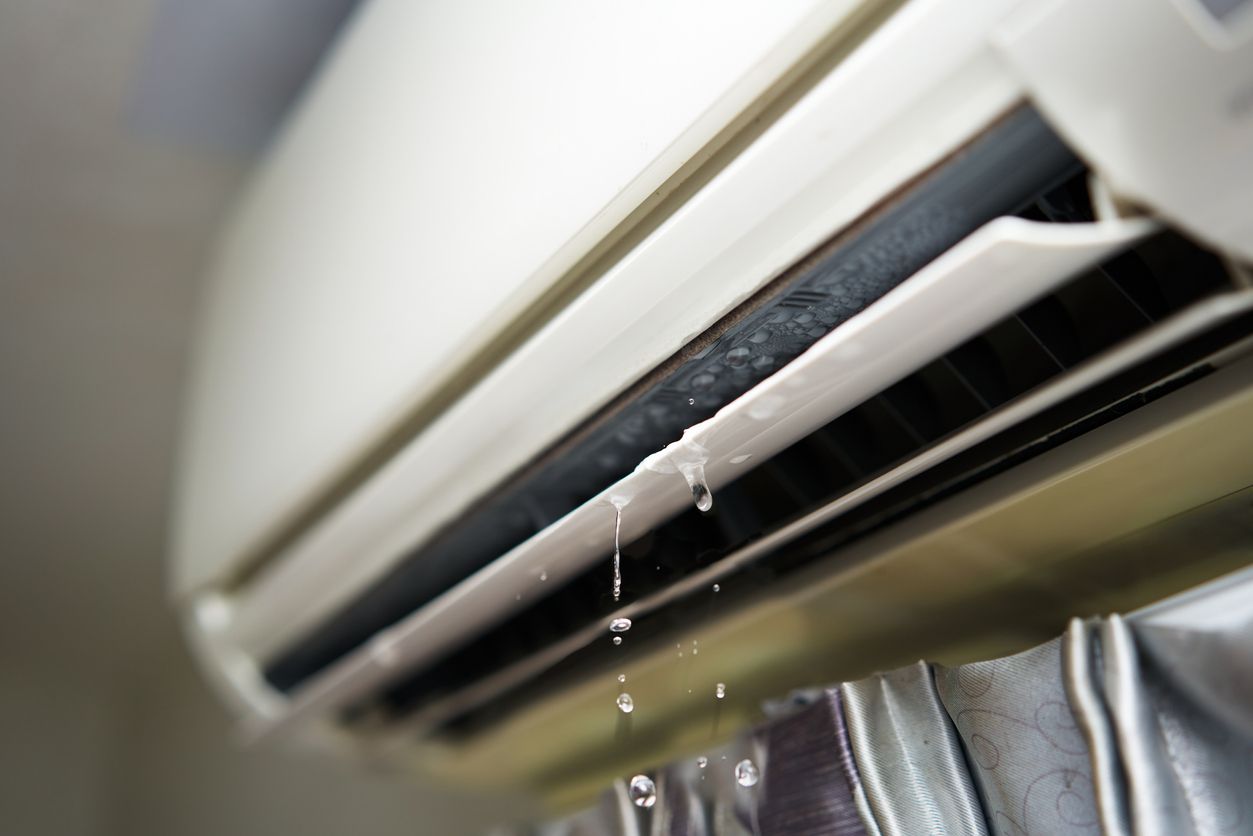
Air conditioners cool the air by removing heat and moisture. This process causes condensation, which is normal. Water forms on the evaporator coil and should drain outside through a pipe. Sometimes, this water leaks inside the house, which is not normal.
Common causes of leaksinclude:
- Clogged or blocked drain pipestops water from flowing out.
- Dirty or frozen evaporator coilscause excess water to build up.
- Improper installationor tilt makes water drip inside.
- Damaged or rusted drip pancannot hold water properly.
- Low refrigerant levels cause coil freezingand water leaks.
Fixing these issues helps stop leaks and keeps the AC working well.
Credit: honorservices.com
When Water Leaks Are Normal
Water dripping from an air conditioner can be normal. This happens because the unit removes moisture from the air. The moisture then turns into water and drips outside or into a drain pan.
Signs of typical drippinginclude small drops near the indoor unit or a slow drip from the outdoor part. These drops usually appear during hot or humid days.
Seasonal factorscan cause more water to drip. Hot summers or rainy seasons increase humidity, making the air conditioner work harder. This creates more condensation and water.
- Light dripping after running for a long time is normal.
- Water near the unit but not pooling on the floor is typical.
- Drips mostly happen in warm or humid weather.
Problems Behind Excessive Leaks
Clogged drain linesstop water from draining properly. This causes water to build up and leak inside your home. Dirt, dust, or algae can block these lines. Regular cleaning helps keep them clear and prevents leaks.
Frozen evaporator coilshappen when the air conditioner is too cold or airflow is low. Ice forms on the coils and melts, causing water to drip. This can damage the system and cause leaks.
Improper installationcan cause many problems. If the unit is not level or the drain pan is damaged, water will not flow correctly. This leads to leaks around the air conditioner.
Health And Safety Risks
Water leaksfrom air conditioners can cause mold growth. Mold thrives in moist places. This can lead to allergic reactions, coughing, and breathing problems. Mold can spread on walls, ceilings, and inside the AC unit. It is important to clean leaks quickly to stop mold.
Electrical hazardshappen when water touches wires or circuits. This can cause short circuitsor even fires. Wet parts may make the AC stop working or become dangerous to touch. Fixing leaks fast helps keep your home safeand the AC working well.
Preventing Water Leaks
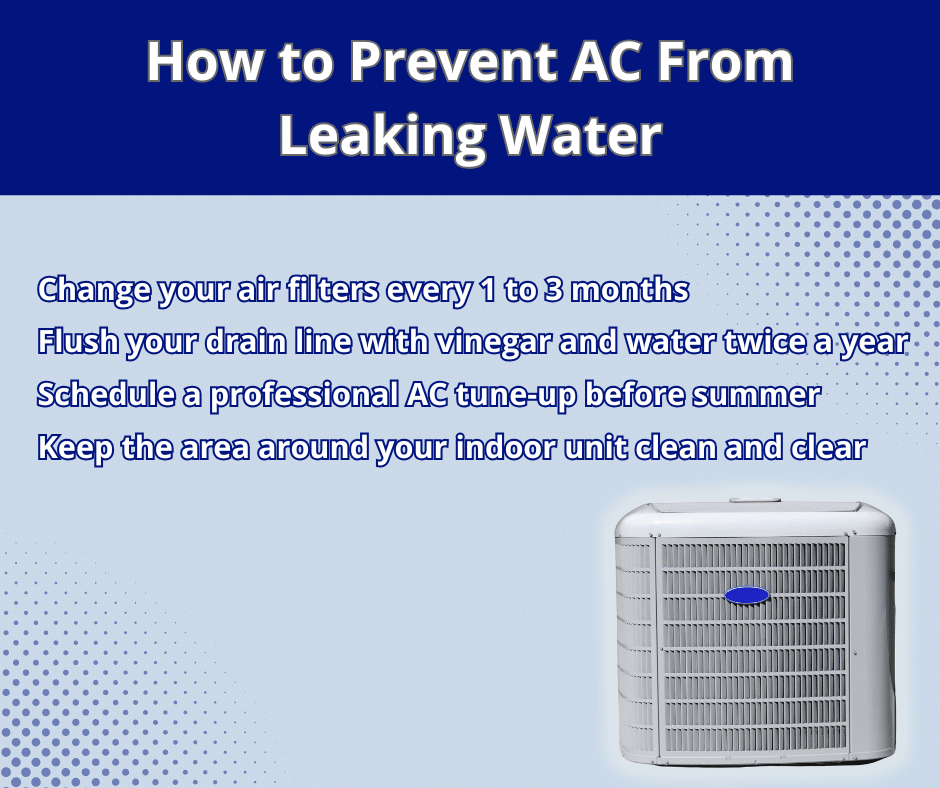
Regular cleaningof the air filter helps prevent water leaks. Dirty filters block airflow and cause freezing, which leads to dripping water.
Check the drain panfor cracks or damage. Replace it if you find any holes. Make sure the pan is clean to allow water to flow properly.
Clear the drain linefrom clogs using a wet/dry vacuum or a small brush. This keeps water flowing outside, not inside your home.
Inspect the condensate pumpif your AC uses one. It should turn on and off smoothly to pump water out. Listen for strange noises.
Look for ice on the evaporator coil. Ice can cause leaks and means the AC is not cooling correctly. Turn off the AC to let ice melt before fixing the cause.
- Turn off power before any DIY check
- Use mild soap and water to clean parts
- Check for loose or disconnected pipes
- Ensure unit is level to avoid water pooling
When To Call A Professional
Water poolingaround the air conditioner is a clear sign for help. Strange noises or smells can mean internal damage. Frequent leaks suggest the unit needs a check. The air conditioner not cooling well might have blocked drains or frozen coils. Mold or mildew near the AC can harm your health and means a leak problem.
Choose a technician with proper licensesand insurance. Check for good reviews from other customers. Ask if they have experience with your AC brand. A skilled technician uses the right tools and parts. Quick response time is important to stop water damage.
Credit: www.schaafsma.com
Frequently Asked Questions
Why Does My Air Conditioner Leak Water?
Air conditioners may leak water due to clogged drain lines or dirty air filters. A blocked condensate drain pan can also cause this issue. Regular maintenance and cleaning can prevent these problems and ensure your AC functions efficiently. If the issue persists, consider consulting a professional technician for assistance.
How Can I Stop Ac Water Leakage?
To stop AC water leakage, regularly clean or replace air filters. Check and unclog the drain lines and ensure the condensate drain pan is not blocked. Maintaining a regular service schedule can prevent potential issues. If you’re unsure, seeking professional help is advisable to avoid further damage.
Is A Leaking Ac Dangerous?
A leaking AC isn’t usually dangerous, but it can cause damage. Water leakage may lead to mold growth or electrical issues if ignored. It’s essential to address leaks promptly to prevent property damage and maintain optimal AC performance. Regular maintenance can help identify and resolve leaks early.
Can I Fix Ac Leaks Myself?
You can fix minor AC leaks yourself by cleaning filters and unclogging drain lines. However, if the problem persists, it’s best to consult a professional technician. DIY fixes can sometimes overlook underlying issues. Regular professional maintenance ensures your AC operates efficiently and safely without recurring problems.
Conclusion
Water leaking from air conditioners is common but not always normal. Small drips can happen due to condensation. Large leaks or constant water flow need attention. Clean the filter and check the drain pipe often. Fixing leaks early saves money and prevents damage.
Regular maintenance keeps your AC working well. Don’t ignore signs of water leaks in your home. Stay alert and act quickly to avoid problems. A dry, cool home feels much better.