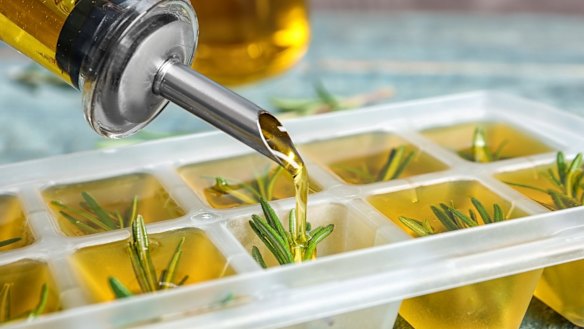
Have you ever opened your pantry, reached for the olive oil, and noticed it’s turned into a cloudy, solid mass? You might find yourself staring at it, wondering, “Is it okay if olive oil freezes?”
This common kitchen conundrum leaves many puzzled, but don’t worry—you’re not alone. Your curiosity has brought you to the right place. We’ll unravel the mystery behind frozen olive oil. You’ll discover why it happens, what it means for your cooking, and whether it’s still safe to use.
We’ll dive into the science behind olive oil’s freezing point and how it affects the quality and taste of your favorite dishes. By the end, you’ll know exactly what to do if your olive oil ever decides to chill out in the pantry. Ready to uncover the truth? Let’s get started!
Can Olive Oil Freeze?
Olive oil is a kitchen staple for many people worldwide. Knowing how it reacts to cold temperatures helps in proper storage. Can olive oil freeze? The answer depends on its composition and the environment.
Olive oil has a lower freezing point than water. Pure olive oil starts to solidify below about 21°F (-6°C). This means it can freeze in a very cold freezer or outdoors in winter in some places.
Freezing does not harm olive oil. It changes its texture, making it cloudy or solid. The oil returns to liquid when warmed to room temperature.
Why Does Olive Oil Freeze?
Olive oil contains fatty acids that solidify at low temperatures. The mix of these fats affects the freezing point. Extra virgin olive oil often freezes faster due to its natural compounds.
How To Store Olive Oil In Cold Weather
- Keep olive oil in a cool, dark place, away from heat and light.
- Do not store olive oil in the freezer unless necessary.
- If oil solidifies, let it warm naturally to room temperature.
- Avoid rapid temperature changes to protect oil quality.
Signs Olive Oil Has Frozen
- The oil becomes cloudy or opaque.
- Solid lumps or crystals appear inside the bottle.
- Texture changes from liquid to thick or gel-like.
Will Freezing Affect Olive Oil Quality?
Freezing does not ruin olive oil. The taste and nutrition remain mostly intact. Some delicate flavors might soften slightly but return when warmed.
Credit: www.smh.com.au
How Temperature Affects Olive Oil
Temperature plays a crucial role in how olive oil behaves and maintains its quality. Whether you’re storing it in your kitchen or a colder environment, understanding the effect of temperature can help you keep your olive oil fresh and tasty. Have you ever noticed your olive oil looking cloudy or solid in winter? That’s a direct result of temperature changes.
Freezing Point Of Olive Oil
Olive oil doesn’t freeze like water; instead, it solidifies at a much lower temperature. Its freezing point typically ranges between -6°C to -2°C (21°F to 28°F), depending on the type and quality of the oil. This means that in most home freezers, olive oil can become cloudy or even semi-solid.
If you live in a cold climate, your olive oil might start to thicken in your pantry during winter. This is perfectly normal and doesn’t harm the oil’s quality or flavor. But have you thought about how this affects your cooking or dressing?
Changes In Texture And Appearance
When olive oil cools down and approaches its freezing point, it changes texture and appearance. The oil can turn cloudy or form tiny crystals, making it look like it has gone bad. However, this is just a physical change; the flavor and nutritional value remain intact.
Once olive oil warms back to room temperature, it returns to its clear, liquid state. This process doesn’t affect the oil’s quality, but sudden temperature changes might accelerate oxidation over time. So, how do you balance storing olive oil in a cool place without risking these changes?
- Keep olive oil away from direct heat and sunlight.
- Store it in a dark, cool spot but avoid the fridge or freezer if possible.
- If your oil does solidify, simply let it return to room temperature before use.
Have you ever noticed your olive oil looking different after a cold night? Now you know why it happens and how to handle it.
Is Frozen Olive Oil Safe To Use?
Wondering if frozen olive oil is still good to use? The good news is that freezing olive oil is generally safe and won’t make it harmful to consume. However, its texture, taste, and nutritional content might change slightly depending on how long it stays frozen.
Impact On Nutritional Value
Freezing olive oil does not significantly reduce its nutritional benefits. The antioxidants and healthy fats remain mostly intact even after being frozen. In fact, freezing can help preserve these nutrients by slowing down oxidation.
Still, if olive oil stays frozen for months, some minor loss of vitamins might occur. But for typical home freezing times, you can trust it to keep most of its health properties. Have you ever noticed a difference in your olive oil after storage? It might be due to how it’s been stored rather than freezing alone.
Effect On Flavor And Aroma
Freezing can alter the flavor and aroma of olive oil, sometimes making it taste a bit dull or muted once thawed. The cold temperature causes the oil to solidify and separate, which can affect its smoothness and richness.
After thawing, you might notice a slight change in its aroma or a faint bitterness. This doesn’t mean the oil is bad, but it might not be ideal for dishes where olive oil’s fresh flavor is key, like salad dressings or drizzling over cooked meals.
To avoid this, try using frozen olive oil for cooking at high heat, where subtle changes in flavor won’t be as noticeable. Have you tried cooking with previously frozen olive oil? It could be a practical way to use up oil that’s been in the freezer for a while.
Tips For Storing Olive Oil
Storing olive oil properly can make a huge difference in how it tastes and how long it lasts. You might not think much about where and how you keep your olive oil, but small changes can prevent it from spoiling or losing its flavor. Let’s look at some simple tips that can help you keep your olive oil fresh and tasty for longer.
Ideal Storage Temperatures
Olive oil stays best when stored at cool, consistent temperatures. The ideal range is between 57°F and 70°F (14°C to 21°C). Temperatures outside this range, especially if too warm or too cold, can affect the oil’s quality.
Have you ever noticed your olive oil getting cloudy or solid at home? That’s because it starts to thicken and freeze below 50°F (10°C). While freezing won’t ruin it, keeping it at room temperature avoids this change and keeps it ready to use.
Avoiding Freezing And Heat Exposure
Extreme cold or heat can harm your olive oil’s flavor and nutrients. Avoid storing it in the fridge or near heat sources like stoves, ovens, or direct sunlight. These conditions speed up oxidation, making your oil taste bitter.
Try to keep your olive oil in a dark, cool place like a pantry or a cupboard away from windows. If you’ve ever tasted old olive oil that smells or tastes off, you know how important this is. Protecting your oil from heat and light preserves its freshness and health benefits.
What To Do If Olive Oil Freezes
If you notice your olive oil has solidified or become cloudy, don’t worry. Freezing doesn’t ruin the oil, but it does change its texture. Knowing how to handle frozen olive oil can help you keep its flavor and benefits intact.
Thawing Methods
Let your olive oil come to room temperature naturally. Placing the bottle in a warm spot away from direct sunlight works well. Avoid using high heat to thaw it quickly, as that can damage the oil’s delicate compounds.
If you’re in a hurry, you can gently warm the bottle by placing it in a bowl of warm water. Make sure the water isn’t too hot to prevent overheating. Swirling the bottle occasionally helps the oil return to liquid form evenly.
Restoring Quality After Freezing
Once thawed, give the olive oil a good shake to mix any separated components back together. Check the aroma and taste before using it in your recipes. If the flavor seems off, you might want to reserve it for cooking instead of drizzling on salads.
Storing olive oil properly can reduce the chance of freezing again. Keep it in a cool, dark place and seal the bottle tightly after each use. Have you noticed any change in your olive oil after it freezes and thaws? Share your experience, and let’s figure out the best way to enjoy this kitchen staple.

Credit: olivoamigo.com
Credit: en.petitchef.com
Frequently Asked Questions
Does Olive Oil Freeze In The Fridge?
Olive oil can solidify or become cloudy in cold temperatures but it doesn’t truly freeze like water. This is normal and does not affect its quality or taste. Simply let it return to room temperature to regain its liquid form.
Is Frozen Olive Oil Safe To Use?
Yes, frozen olive oil is safe to use. Freezing may change its texture temporarily but doesn’t harm its flavor or nutritional value. Once thawed, the oil will return to its normal state without any loss in quality.
How To Thaw Frozen Olive Oil Properly?
To thaw frozen olive oil, leave it at room temperature for a few hours. Avoid using heat or microwaves as they can degrade the oil’s quality. Once fully liquefied, stir gently before use for best results.
Does Freezing Olive Oil Affect Its Taste?
Freezing olive oil does not affect its taste or aroma. The oil may become cloudy or solid, but these changes are reversible. Thawing returns the oil to its original flavor and consistency without any noticeable difference.
Conclusion
Olive oil can freeze without harm to its quality or taste. Freezing may cause it to become cloudy or solid, but it will return to normal at room temperature. This natural change does not mean the oil is spoiled or unsafe.
Storing olive oil in a cool, dark place helps keep it fresh longer. Avoid heat and light, which speed up spoilage. Remember, freezing is not necessary but safe if it happens. Use frozen olive oil just like fresh oil in cooking or salads.
Simple care keeps your olive oil good and tasty.