Is your little one keeping you on your toes? Between diaper changes and nap times, finding the best way to clean those endless baby bottles is probably a top priority.
You’re not alone in wondering if the dishwasher can be your ally in this daily battle. After all, who doesn’t want to save time while ensuring their baby’s safety? Before you toss those bottles into the dishwasher, it’s essential to know if this method is truly safe.
Imagine the peace of mind you’ll have knowing your baby’s bottles are not only clean but germ-free. Let’s dive into the facts and discover if the dishwasher is a friend or foe in your quest for clean baby bottles.
Credit: washdrydazzle.com
Dishwasher Safety For Baby Bottles
Cleaning baby bottles properly is key to your baby’s health. Dishwashers offer a convenient way to wash bottles. Safety depends on several factors like bottle material, heat exposure, and detergents. Understanding these helps protect your baby’s feeding gear.
Material Matters
Choose bottles designed for dishwasher use. Plastic bottles should be BPA-free and labeled dishwasher-safe. Glass bottles generally tolerate dishwashers well. Nipples and rings may need special care. Check the manufacturer’s instructions before washing.
Heat And Water Concerns
High heat can damage some bottles and parts. Use the top rack for baby bottles to avoid direct heat. Avoid heated drying cycles to protect bottle integrity. Hot water kills germs but can warp sensitive materials. Gentle cycles work best for delicate items.
Detergent Selection
Pick mild, fragrance-free detergents. Harsh chemicals may leave harmful residues. Avoid detergents with bleach or antibacterial agents. Rinse well to remove detergent traces. Some detergents are specially made for baby items. These help keep bottles safe and clean.
Choosing The Right Bottles For Dishwasher
Choosing the right baby bottles for the dishwasher is important for safety and cleaning. Not all bottles handle dishwasher heat and detergents well. Selecting bottles designed for dishwasher use helps keep them in good condition and safe for your baby.
Bpa-free And Dishwasher Safe Labels
Always check for BPA-free labels on bottles. BPA is a harmful chemical that can leak into milk. Choose bottles with a clear dishwasher safe label. This label means the bottle can handle dishwasher heat without damage. It helps keep your baby’s feeding items safe.
Plastic Vs. Glass Bottles
Plastic bottles are lightweight and less likely to break. But, some plastics can warp or crack in the dishwasher. Glass bottles are heavier but do not change shape. They handle dishwasher heat better and last longer. Choose glass if you want durable bottles. Pick plastic bottles marked dishwasher safe for easier use.
Nipple And Valve Care
Nipples and valves need special care in the dishwasher. They are softer and can get damaged by high heat. Use a dishwasher basket or mesh bag to protect these small parts. Replace nipples regularly to avoid wear and tear. Proper care keeps feeding parts clean and safe for your baby.
Preparing Bottles For Dishwasher Cleaning
Preparing baby bottles for dishwasher cleaning is essential to ensure they come out hygienic and safe for your little one. A well-prepared bottle not only cleans better but also prevents lingering milk residue and harmful bacteria. Taking a few extra minutes before loading the dishwasher can save you time and worry later.
Pre-rinse Steps
Start by rinsing the bottles with warm water right after feeding. This prevents milk from drying and sticking to the surfaces, which can be tough to remove later. You don’t need to scrub at this stage, just a quick rinse to wash away the bulk of the milk.
Think about how residue can clog the dishwasher filter if left behind. A simple rinse protects your dishwasher and improves cleaning efficiency. Have you noticed how pre-rinsing makes a difference in how clean your bottles feel afterward?
Disassembly Tips
Take apart every bottle component before placing them in the dishwasher. Remove nipples, rings, valves, and any other detachable parts. This exposes all surfaces to water and detergent, ensuring thorough cleaning.
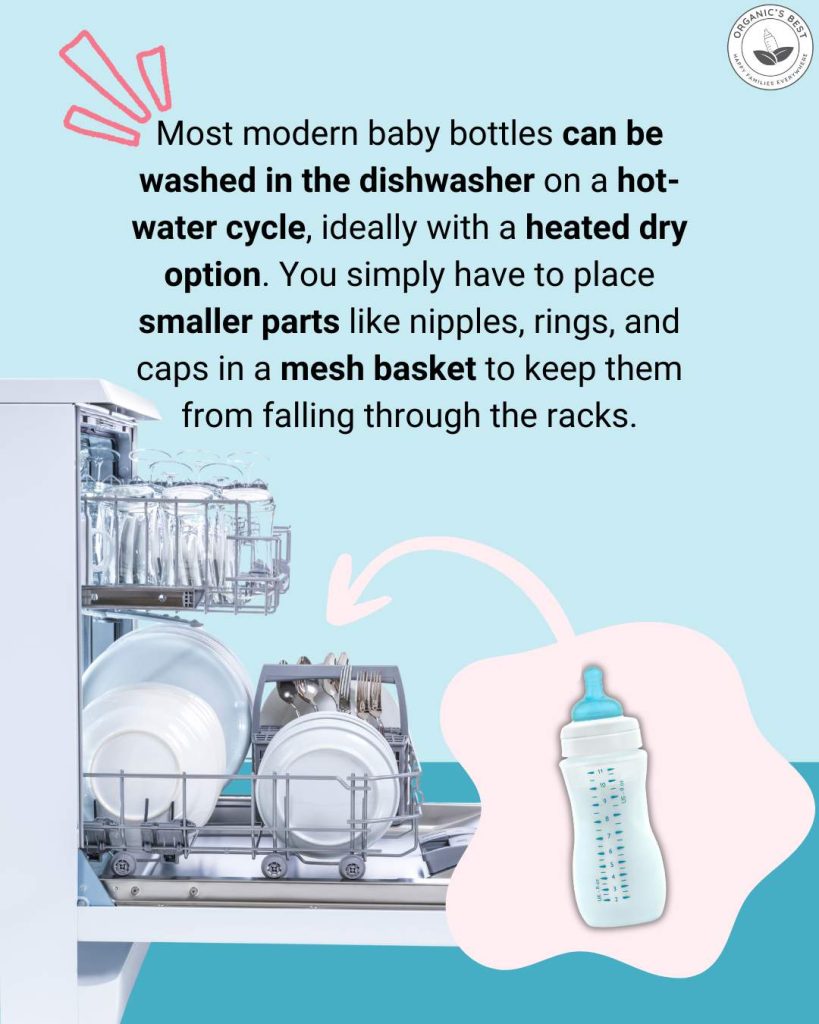
Lay smaller parts in a mesh basket or use the dishwasher’s designated baby bottle rack if available. This keeps everything secure and prevents items from falling through the racks. Have you ever found bottle nipples stuck in the dishwasher’s filter? Disassembly can help avoid that hassle.
Avoiding Cross-contamination
Separate baby bottles from other dishes and utensils in the dishwasher. Placing bottles away from items like knives or dirty plates reduces the risk of bacteria transfer. Consider using the top rack exclusively for baby items to minimize contact.
Using a dishwasher basket can also keep bottles isolated and organized. Do you know where your dishwasher sprays water from? Positioning bottles with openings facing down ensures proper water flow and reduces contamination risks. Your baby deserves the cleanest bottle possible.
Dishwasher Settings And Loading Tips
Washing baby bottles in the dishwasher can save time and ensure thorough cleaning. Setting the dishwasher correctly and loading bottles properly help keep them safe and clean. Small adjustments make a big difference in hygiene and bottle care.
Optimal Temperature Settings
Set the dishwasher to a high temperature for effective cleaning. Temperatures around 140°F to 160°F kill most bacteria and germs. Avoid low-heat settings as they might not sanitize bottles well. Use the sanitize cycle if your dishwasher has one. This setting ensures baby bottles are free from harmful microbes.
Best Rack Placement
Place baby bottles on the top rack to avoid direct heat damage. The top rack receives gentler water sprays and heat. Position bottles upside down to let water drain out completely. Keep nipples and small parts in secure spots to prevent loss. Avoid overcrowding to let water reach every bottle surface.
Using Dishwasher Baskets
Use dishwasher baskets designed for small items like bottle nipples and rings. These baskets keep tiny parts from falling or getting stuck. Secure all pieces inside to prevent damage or loss. Baskets improve cleaning by allowing water to flow freely around parts. Choose baskets made of safe, dishwasher-friendly materials.
Risks Of Dishwasher Cleaning
Dishwashers offer convenience but may pose risks when cleaning baby bottles. Understanding these risks helps protect your baby’s health and the bottles’ quality. Some concerns include damage to bottles, leftover chemicals, and poor sterilization.
Potential Damage To Bottles
High heat and strong water pressure can warp or crack plastic bottles. Repeated dishwasher cycles may wear down bottle parts like nipples and rings. Damaged bottles may leak or break, creating safety hazards. Some plastics are not dishwasher safe and can release harmful chemicals.
Chemical Residue Concerns
Dishwasher detergents contain strong chemicals to clean dishes. These chemicals can stick to bottle surfaces, even after rinsing. Babies may ingest these residues, which could cause stomach upset or allergic reactions. Using mild, baby-safe detergents is important but not always practiced.
Incomplete Sterilization
Dishwashers may not reach temperatures high enough to kill all bacteria. Bottles with narrow necks or small parts might not get fully cleaned. Residual milk or formula can harbor germs if not properly sterilized. Sterilizers or boiling water methods provide better sanitation for baby bottles.

Credit: www.searshomeservices.com
Alternatives To Dishwasher Cleaning
Not everyone feels comfortable putting baby bottles in the dishwasher. Some parents worry about lingering detergent or incomplete cleaning. Luckily, there are effective alternatives that keep your baby’s feeding gear clean and safe without using a dishwasher.
Hand Washing Techniques
Hand washing baby bottles can be just as effective when done right. Use warm, soapy water and a dedicated bottle brush to reach every nook and cranny.
Pay close attention to the bottle nipple, where milk residue often hides. Rinse thoroughly with clean water to remove all soap traces.
Have you ever noticed film or smell after washing? That’s a sign to improve your scrubbing or rinse longer.
Sterilizing Methods
Sterilizing adds an extra layer of safety by killing harmful bacteria that washing alone might miss. You can sterilize bottles by boiling them in water for five minutes.
Alternatively, use steam sterilizers or microwave sterilizing bags designed for baby bottles. These methods are quick and chemical-free.
Keep in mind that sterilizing is especially useful for newborns or babies with weaker immune systems.
When To Choose Manual Cleaning
Manual cleaning makes sense if your dishwasher doesn’t have a baby bottle basket or uses harsh detergents. It also suits parents who want full control over the cleaning process.
If your baby has allergies or sensitive skin, washing bottles by hand can help avoid irritants left behind by dishwasher detergents.
Have you tried both methods? Observing how your baby reacts can guide you to the safest choice for your family.
Maintaining Bottle Hygiene Over Time
Maintaining hygiene of baby bottles over time is vital for your baby’s health. Regular cleaning alone does not ensure safety. Bottles and nipples can wear out and harbor bacteria. Keeping them in good condition helps prevent infections and discomfort for your baby.
Regular Inspection For Wear And Tear
Check bottles and nipples often for cracks, discoloration, or sticky residue. Damage can hide bacteria and cause leaks. Replace any parts that look worn or damaged. Gentle rubbing with a soft brush helps find tiny cracks. Watch for changes in texture or smell. These signs mean the bottle is no longer safe.
Replacing Old Bottles And Nipples
Replace bottles every few months or according to manufacturer advice. Nipples need more frequent changing, usually every 1-2 months. Choose high-quality, BPA-free materials for safety. Old nipples lose elasticity and shape, affecting feeding. Fresh bottles and nipples reduce risk of bacterial growth and material breakdown.
Safe Storage Practices
- Store bottles and nipples in a clean, dry place.
- Avoid sealed containers with moisture; they encourage mold.
- Keep parts separated to dry fully before storage.
- Use a clean towel or drying rack designed for baby bottles.
- Store away from direct sunlight and heat sources.
Proper storage keeps bottles safe and ready for use. It also helps maintain their shape and hygiene.

Credit: www.searshomeservices.com
Frequently Asked Questions
Is It Safe To Wash Baby Bottles In A Dishwasher?
Yes, washing baby bottles in a dishwasher is safe if you use the top rack. High temperatures and detergents effectively clean and sanitize bottles. Always check the manufacturer’s guidelines for dishwasher compatibility to avoid damage.
Which Dishwasher Cycle Is Best For Baby Bottles?
Use the hottest cycle with a heated drying option. This cycle kills bacteria and ensures thorough cleaning. Avoid quick or eco cycles as they may not sanitize properly.
Can Dishwasher Detergents Harm Baby Bottles?
Most dishwasher detergents are safe for baby bottles if used properly. Avoid harsh or abrasive detergents. Choose mild, fragrance-free detergents to protect bottle materials and ensure baby safety.
Should Bottle Nipples Be Washed Separately In The Dishwasher?
Yes, bottle nipples should be placed in a dishwasher-safe basket or top rack. This prevents loss and ensures they get fully cleaned and sanitized along with bottles.
Conclusion
Washing baby bottles in the dishwasher can be safe with the right steps. Use the top rack and a gentle cycle for best results. Avoid high heat that can damage bottles or nipples. Always check that bottles are dishwasher safe before cleaning.
Regular cleaning helps keep bottles free from germs and residue. Hand washing remains a good option, especially for delicate parts. Keeping baby bottles clean supports your baby’s health and well-being. Simple care and attention make all the difference.